





Pregnancy brings with it a hundred decisions, and one that comes up sooner or later for almost every expecting mother is how the baby will be delivered. Some women know exactly what they want. Others find themselves going back and forth, unsure what to expect from either option. Both feelings are completely normal.
The truth is, the conversation around normal delivery vs cesarean does not have a single right answer. What works for one woman may not be appropriate for another. Understanding both options clearly, without the noise of opinions from every direction, is what actually helps when the time comes.

A normal or vaginal delivery is when the baby is born through the birth canal, without surgical intervention. Labour may start naturally or may be induced. Pain relief is available, though many women in India deliver with minimal or no medication.
For most low-risk pregnancies, vaginal birth remains the first recommendation from obstetricians. It is how the body is designed to give birth, and when things go smoothly, recovery tends to be quicker than most people expect.
A caesarean section is a surgical procedure where the baby is delivered through an incision in the abdomen and uterus. It is performed under regional or general anaesthesia and usually takes less than an hour from start to finish.
Some C-sections are planned in advance. Others happen as emergencies when labour takes an unexpected turn. Knowing when a C-section is necessary, and why, helps remove a lot of the anxiety around it.
The risk & benefits of normal delivery are well documented. Recovery after a vaginal birth is generally faster. Most women can walk within hours and return to light activity within days. Babies born vaginally come into contact with beneficial bacteria in the birth canal, which research suggests may support early immune development. Breastfeeding also tends to get established more easily after a vaginal birth.
There is no surgical incision to heal, no anaesthesia-related surgical risks, and hospital stays are shorter, usually one to two days in most Indian hospitals.
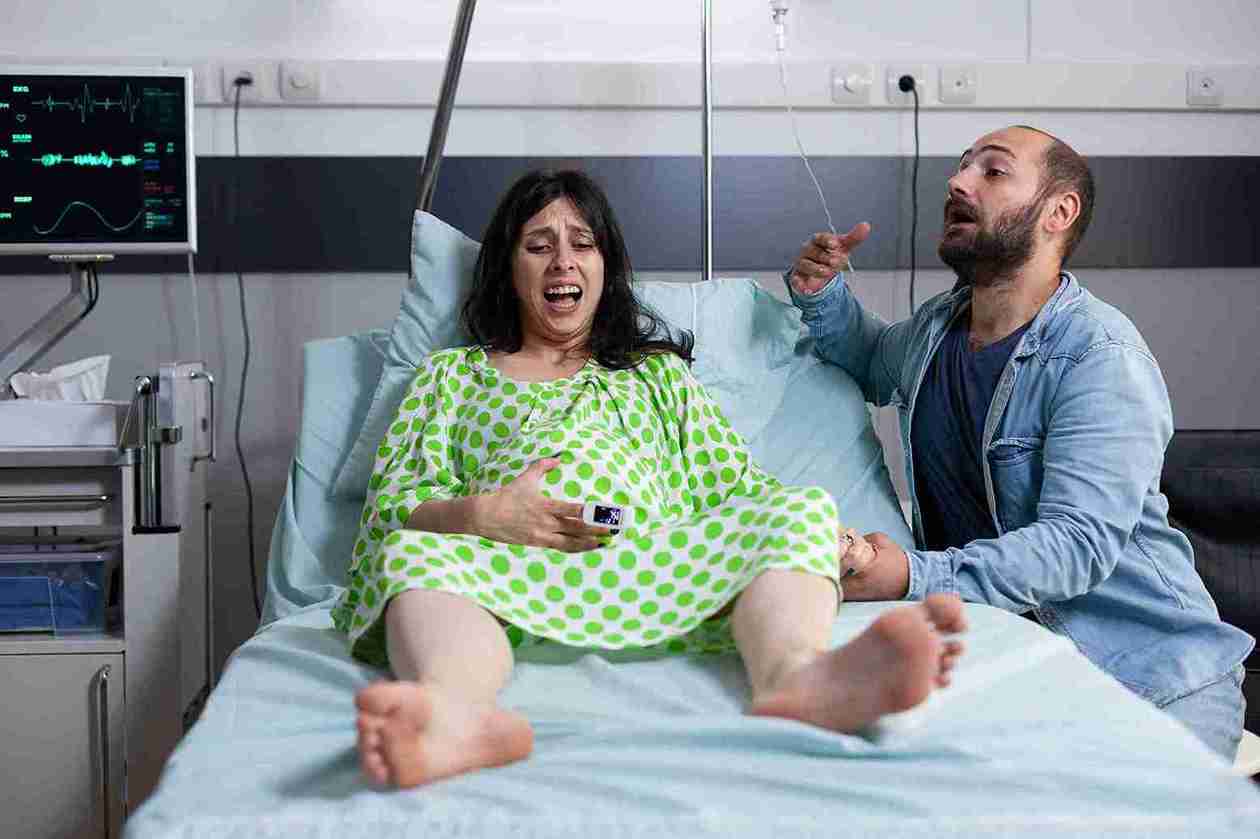
Labour is unpredictable. It can stretch across many hours, and the pain, particularly in the later stages, is intense. Perineal tears are common, especially during a first delivery, and may need stitches. Some women require an episiotomy, which adds its own short recovery period.
In rare cases, complications during delivery can put pressure on the baby, though with proper monitoring, these situations are usually caught and managed in time.
A planned C-section offers something vaginal birth cannot: a known date and a controlled environment. For women carrying twins, dealing with placenta previa, or whose baby is in a breech position, a C-section is often the medically safer route. In emergencies during labour, it can be the decision that protects both mother and child.
C-section recovery is longer and more physically demanding than many women anticipate. Hospital stays run to three or four days, and returning to normal activity takes around six weeks. Driving, lifting anything heavier than the baby, and physical exertion are all off the table during this time.
Infection, blood clots, and reactions to anaesthesia are risks that come with any surgery, and a C-section is no different. It is also worth knowing that having one C-section can affect future pregnancies, with a somewhat higher chance of uterine rupture and placenta complications the next time around.
Ask any woman who has had a C-section, and she will likely tell you the recovery caught her off guard, not because it was unbearable, but because it takes longer than expected when you also have a newborn to care for. The first two days in the hospital are mostly about getting through the pain at the incision site, figuring out how to move without aggravating the wound, and doing all of that while running on very little sleep.
Once home, the body needs time. Numbness, swelling, and tenderness around the scar are normal and tend to resolve gradually. Most women feel meaningfully better around the six to eight week mark, though the uterus continues to heal internally for longer than that.
Watch for warning signs like fever, unusual discharge from the wound, or pain that is getting worse rather than better. These need immediate attention, not a wait-and-see approach, so check with your doctor at the earliest. Attending every post-operative check-up matters more than it might seem when you are exhausted and managing a newborn.
Understanding when is c section necessary starts with recognising that sometimes vaginal labour simply poses too great a risk to the mother, the baby, or both. Here are some of the most common reasons doctors recommend one:
The baby is in a breech or transverse position and cannot be safely turned before delivery
Placenta previa, where the placenta is blocking the cervix
Labour that has stalled despite medical intervention
Signs of foetal distress, such as an abnormal heart rate during labour
Maternal health conditions like severe hypertension or a prior uterine scar
Multiple pregnancies where the babies' positions make vaginal delivery risky
In these situations, a C-section is not a matter of preference. It is a clinical call made to protect lives, and it should be treated as such.
The normal delivery vs cesarean decision is rarely straightforward, and it should not be driven by fear or outside pressure. Women with uncomplicated pregnancies are generally encouraged to plan for vaginal delivery, given the quicker recovery and absence of surgical risk.
That said, if the clinical picture points towards a C-section, pushing back on that recommendation rarely serves anyone well. The risks and benefits of normal delivery versus a C-section shift considerably depending on the mother's health, the baby's position, previous deliveries, and how labour unfolds on the day.
Start the conversation with your obstetrician early. Ask about your specific risk factors. Understand what both scenarios actually look like in practice. A birth plan is worth having, but the women who tend to cope best are the ones who hold it with some flexibility.

No birth follows a script, and honestly, that is fine. Deliveries take their own course, and what gets you through is being informed, staying close to your medical team, and not measuring your experience against what someone else had.
Whether your baby arrives vaginally or through a C-section, your body will have done something extraordinary either way. Give yourself the recovery time you actually need, not the timeline someone else managed. Accept help. Rest properly. The goal going in was never a particular type of delivery. It was always a safe one, for you and your baby.

Most women spend three to four days in hospital following a C-section, with around six to eight weeks needed before resuming normal daily activity. C-section recovery varies from person to person, but avoiding heavy lifting, driving, and strenuous movement during this period is essential. Internal healing of the uterus takes longer, so follow-up appointments with your doctor should not be skipped.
Yes, it can. While normal delivery avoids surgical risks, complications such as perineal tears, prolonged labour, excessive bleeding, or an emergency C-section are possible. The risk and benefits of normal delivery depend on factors like the mother's health, the baby's size, and how labour progresses. Medical supervision throughout makes a significant difference in how these situations are managed.
There is no blanket answer. For uncomplicated pregnancies, vaginal birth generally carries fewer risks and a shorter recovery. For high-risk situations, a C-section is often the safer option. Safety is always assessed on an individual basis and is not a general rule. Your obstetrician, who knows your medical history and the specifics of your pregnancy, is the right person to guide this decision.
The risks of normal delivery vs cesarean differ in type rather than severity. Vaginal birth carries risks like perineal injury, prolonged labour, and occasional emergency intervention. C-section risks include wound infection, blood clots, longer recovery, and added complexity in future pregnancies. Both are well-managed under proper medical care, and understanding the difference helps you go into your delivery with realistic expectations.


 Best Gynecologists in Bellandur Best Gynecologists in Electronic City Best Gynecologists in HRBR LayoutBest Gynecologists in Jayanagar Best Gynecologists in Kanakapura RoadBest Gynecologists in Malleswaram Best Gynecologists in Nagarbhavi Best Gynecologists in Old Airport RoadBest Gynecologists in Sahakarnagar Best Gynecologists in Sarjapur RoadBest Gynecologists in ThanisandraBest Gynecologists in Varthur RoadBest Gynecologists in Whitefield Best Gynecologists in Industrial Area Phase IIBest Gynecologists in OMRBest Gynecologists in T NagarBest Gynecologists in New Industrial TownBest Gynecologists in IndirapuramBest Gynecologists in Golf Course RoadBest Gynecologists in Sector 14Best Gynecologists in Sector 47Best Gynecologists in Banjara HillsBest Gynecologists in GachibowliBest Gynecologists in Hitech CityBest Gynecologists in KompallyBest Gynecologists in Gomti NagarBest Gynecologists in MaladBest Gynecologists in NerulBest Gynecologists in VashiBest Gynecologists in Kailash ColonyBest Gynecologists in PatparganjBest Gynecologists in Punjabi BaghBest Gynecologists in VikaspuriBest Gynecologists in Gaur CityBest Gynecologists in Pari ChowkBest Gynecologists in Sector 51Best Gynecologists in Sector 5 Swastik ViharBest Gynecologists in Kalyani NagarBest Gynecologists in SB RoadBest Gynecologists in Pimple SaudagarBest Pediatricians in BellandurBest Pediatricians in Electronic CityBest Pediatricians in HRBR LayoutBest Pediatricians in JayanagarBest Pediatricians in Kanakapura RoadBest Pediatricians in MalleswaramBest Pediatricians in NagarbhaviBest Pediatricians in Old Airport RoadBest Pediatricians in SahakarnagarBest Pediatricians in Sarjapur RoadBest Pediatricians in ThanisandraBest Pediatricians in Varthur RoadBest Pediatricians in WhitefieldBest Pediatricians in Industrial Area Phase IIBest Pediatricians in OMRBest Pediatricians in T NagarBest Pediatricians in New Industrial TownshipBest Pediatricians in IndirapuramBest Pediatricians in Golf Course RoadBest Pediatricians in Sector 14Best Pediatricians in Sector 47Best Pediatricians in Hitech CityBest Pediatricians in Banjara HillsBest Pediatricians in GachibowliBest Pediatricians in KompallyBest Pediatricians in Gomti NagarBest Pediatricians in MaladBest Pediatricians in NerulBest Pediatricians in VashiBest Pediatricians in Kailash ColonyBest Pediatricians in PatparganjBest Pediatricians in Punjabi BaghBest Pediatricians in VikaspuriBest Pediatricians in Gaur CityBest Pediatricians in Pari ChowkBest Pediatricians in Sector 51Best Pediatricians in Sector 5 Swastik ViharBest Pediatricians in Kalyani NagarBest Pediatricians in SB RoadBest Pediatricians in Pimple Saudagar


