
Nobody wants to believe that something as mundane as a water bottle or a lunchbox could be quietly working against their health. It feels too ordinary, too everyday, too close to home to be a real threat. But here is the thing. The research is no longer speculative.
Microplastics have been found in human blood, lung tissue, breast milk, placental tissue, and most recently, inside the very cells involved in making a baby. They are in the follicular fluid surrounding eggs. They have been detected in testicular tissue. They are, without any exaggeration, already inside us, and scientists are only beginning to understand what that means for fertility.
This is not a story about the distant future. It is about what is happening right now, inside bodies that are simply trying to function normally.
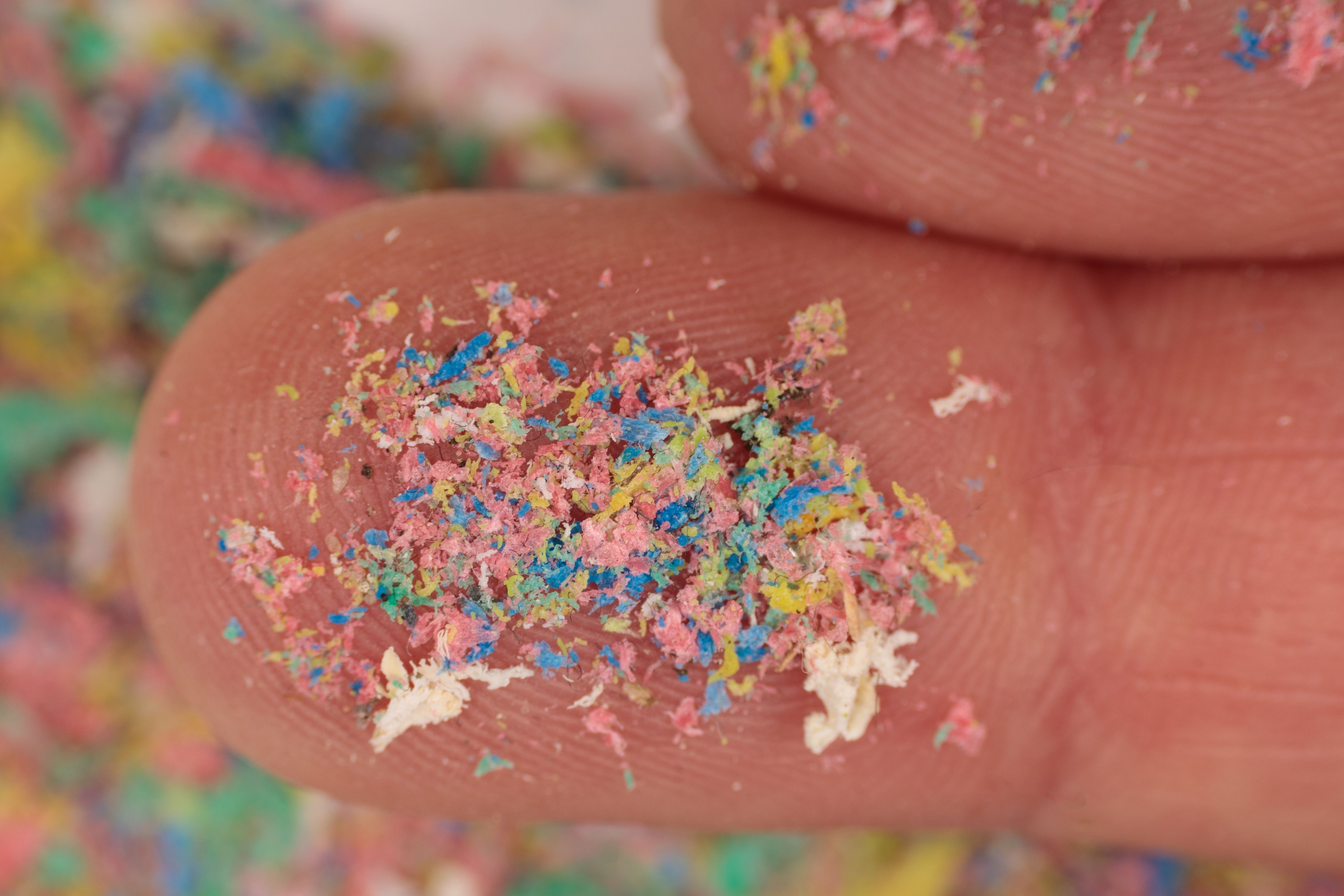
Microplastics are plastic particles smaller than 5 millimetres. Some are manufactured that way intentionally, like the microbeads once common in face scrubs and toothpastes. Others are the result of larger plastics slowly breaking down under heat, sunlight, and friction over the years. The scale of accumulation is hard to grasp. Plastic production has grown exponentially since the 1950s, and plastic waste is now found everywhere on earth, from the deepest ocean floors to soil samples taken near the Himalayan peaks. As this plastic degrades, it sheds particles into the water we drink, the food we eat, and the air we breathe.
Microplastics in the human body cause fertility effects, and this is no longer a hypothesis. They are a documented reality. And the question that researchers are now urgently trying to answer is not whether they are there, but what damage they are doing.
The answer, unfortunately, is through almost everything.
Food and water: Bottled water, seafood, table salt, honey, and even fresh produce have all been found to contain microplastic particles.
Heating food in plastic: This one hits differently when you think about how many kitchens store hot food in plastic containers, or reheat food in plastic boxes at the office. When plastic is exposed to heat, it releases particles directly into food. It is happening quietly, every single day.
Breathing them in: Synthetic fabrics, plastic packaging materials, and household dust all shed microplastic fibres into indoor air. Every breath taken in a room full of these materials brings some of them into the lungs.
Personal care products: Certain cosmetics, lotions, and hair products contain synthetic polymers that can enter the body through skin contact.
Once inside, these particles do not simply pass through. They cross biological barriers, enter tissues, and trigger inflammation. The body has no established mechanism for removing them.

This is the part that deserves full attention, particularly for anyone who is trying to conceive or thinking about it.
Microplastics have been found in human follicular fluid, the fluid that surrounds and nourishes developing eggs inside the ovaries. That discovery alone should give pause. The environment in which eggs develop and mature is now being contaminated by particles that were never supposed to be anywhere near a reproductive cell. But the particles themselves are not the only problem.
Many plastics carry chemical additives, particularly bisphenol A (BPA) and phthalates, that behave like oestrogen once inside the body. They send false hormonal signals, disrupting the carefully timed sequence of ovulation, implantation, and cycle regulation.
For women already navigating PCOS or endometriosis, conditions that are themselves driven by hormonal disruption, this additional chemical interference is a layer of difficulty they did not ask for and likely do not know about. The link between environmental toxins and infertility is not theoretical anymore. It is showing up in tissue samples, in follicular fluid, and in pregnancy outcomes.
A landmark study found microplastics in every single testicular tissue sample it examined. Not some. Every single one. Separate research has connected higher concentrations of plastic-associated chemicals to lower sperm counts, reduced sperm motility, and abnormal sperm shape.
Sperm quality has been declining globally for decades. For years, lifestyle factors like stress, diet, and heat exposure took most of the blame. Increasingly, researchers are pointing to chemical exposure from plastics as a significant and underappreciated contributor. Today, microplastics in sperm and eggs are no longer a theory; they are a measurable, present reality.
Of all the ways microplastics affect the body, the hormonal disruption is perhaps the most insidious, because hormones govern everything in reproduction and the interference is invisible. Understanding how microplastics affect hormones starts with the chemicals they carry.
BPA mimics oestrogen. When the body receives a flood of false oestrogen signals from an external source, it throws off the hormonal balance that governs the menstrual cycle, ovulation, and early pregnancy. The body cannot always tell the difference between its own oestrogen and a chemical impersonating it.
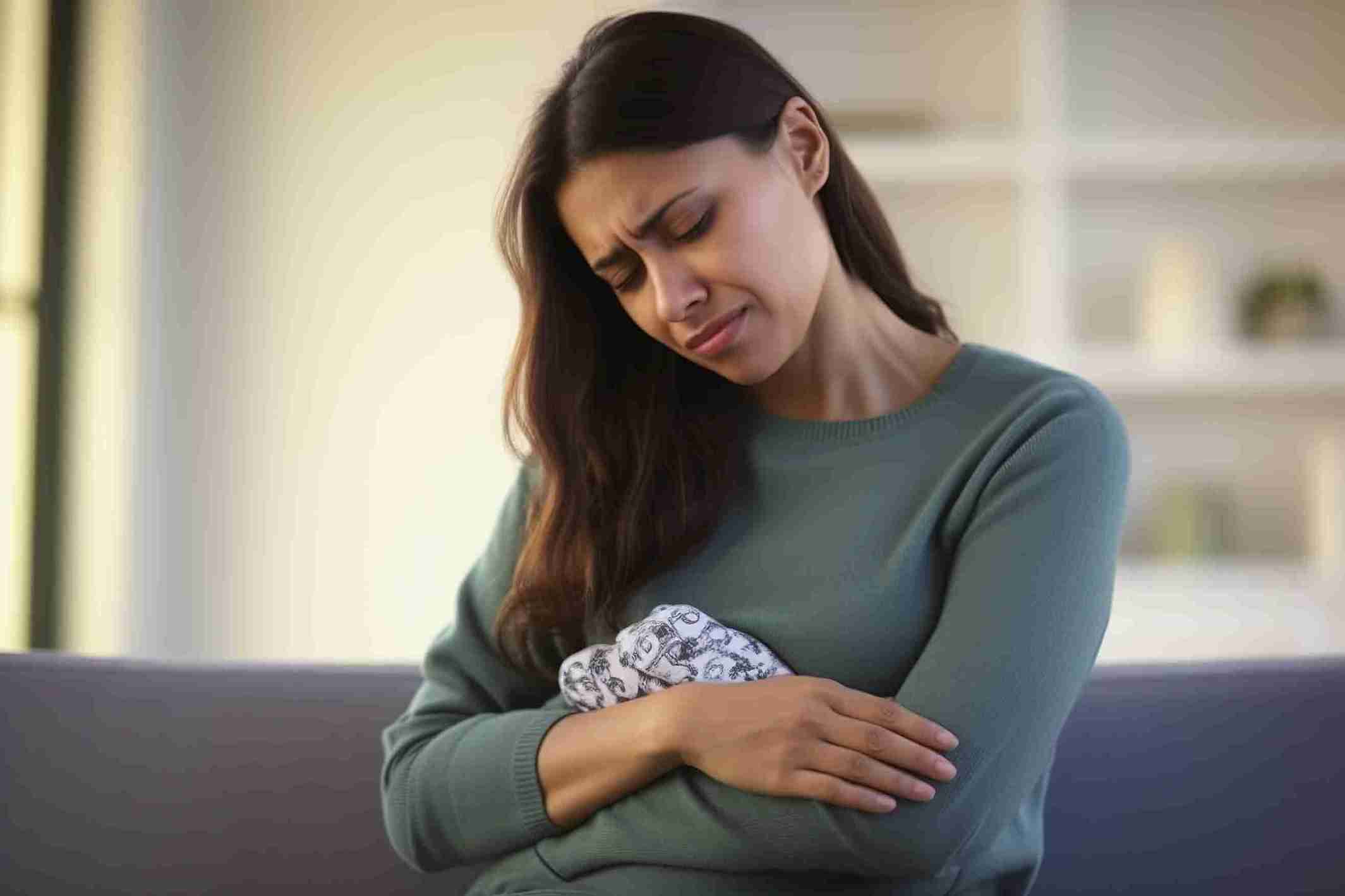
Phthalates suppress testosterone production in men and have been connected to reduced sperm quality, earlier puberty in girls, and menstrual irregularities in women. They have also been associated with reduced ovarian reserve, which affects how many viable eggs a woman has left.
The endocrine system is not robust in the face of this kind of interference. It is precise and sensitive by design. Small, repeated disruptions over years of exposure accumulate into consequences that are very difficult to reverse.
Complete elimination of microplastic exposure is not realistic in today's world. But meaningful reduction is possible, and for someone who is trying to conceive, even modest reductions in chemical load can matter.
● Stop heating food in plastic. Move it to glass or steel first, every time, without exception.
● Replace plastic water bottles with steel or copper alternatives. Reduce bottled water consumption where safe alternatives exist.
● Filter tap water at home. Activated carbon filters reduce microplastic levels measurably.
● Choose fresh, whole foods over heavily packaged processed options where possible.
● Check labels on personal care products. Avoid those listing microbeads or synthetic polymer ingredients.
These are not dramatic changes. They are practical ones that reduce the body's plastic burden gradually and consistently.
Nobody chose this. Nobody decided to accumulate microplastics in their reproductive tissue or their bloodstream. This is the quiet cost of living in a world that embraced plastic without fully understanding the consequences. But knowing changes things. For anyone navigating fertility challenges, for anyone trying to understand why conception is not happening the way it should, the environment inside and around the body is worth taking seriously. It will not always be the reason. But it is increasingly clear that it can be part of it, and that is reason enough to pay attention.

Want to consult the best gynecologists in India? Please find the links below.
Want to consult the best Maternity Packages in India? Please find the links below.

Microplastics are plastic particles smaller than 5 millimetres. They enter the body through contaminated food and water, inhalation of airborne plastic fibres, and skin contact with products containing synthetic polymers. Heating food in plastic containers is one of the most common and overlooked sources. Once inside, microplastics in the human body accumulate in tissue, including the lungs, blood, and reproductive organs, where they can persist indefinitely.
In women, microplastics have been found in follicular fluid and ovarian tissue, raising real concerns about egg quality and hormonal interference. In men, they have been detected in testicular tissue and are associated with lower sperm counts and reduced motility. Microplastics in sperm and eggs are no longer a theoretical concern. Current research consistently links plastic exposure to measurable changes in reproductive health in both men and women.
Yes, and this is central to why they matter for fertility. How microplastics affect hormones is largely understood through the chemicals they carry, particularly BPA and phthalates. BPA mimics oestrogen and disrupts ovulation and cycle regulation. Phthalates suppress testosterone and have been linked to reduced sperm quality and ovarian reserve. Years of low-level exposure to these compounds can alter the hormonal environment in ways that meaningfully affect reproductive outcomes.
The evidence is building and it is consistent. Studies have detected microplastics in testicular tissue, follicular fluid, and placental tissue. Higher concentrations of plastic-associated chemicals correlate with lower sperm counts, poor motility, and abnormal morphology in men. In women, the connection between environmental toxins and infertility includes disrupted hormone levels and compromised egg quality. The research is still growing, but what exists is serious enough to act on now.







 Best Gynecologists in Bellandur Best Gynecologists in Electronic City Best Gynecologists in HRBR LayoutBest Gynecologists in Jayanagar Best Gynecologists in Kanakapura RoadBest Gynecologists in Malleswaram Best Gynecologists in Nagarbhavi Best Gynecologists in Old Airport RoadBest Gynecologists in Sahakarnagar Best Gynecologists in Sarjapur RoadBest Gynecologists in ThanisandraBest Gynecologists in Varthur RoadBest Gynecologists in Whitefield Best Gynecologists in Industrial Area Phase IIBest Gynecologists in OMRBest Gynecologists in T NagarBest Gynecologists in New Industrial TownBest Gynecologists in IndirapuramBest Gynecologists in Golf Course RoadBest Gynecologists in Sector 14Best Gynecologists in Sector 47Best Gynecologists in Banjara HillsBest Gynecologists in GachibowliBest Gynecologists in Hitech CityBest Gynecologists in KompallyBest Gynecologists in Gomti NagarBest Gynecologists in MaladBest Gynecologists in NerulBest Gynecologists in VashiBest Gynecologists in Kailash ColonyBest Gynecologists in PatparganjBest Gynecologists in Punjabi BaghBest Gynecologists in VikaspuriBest Gynecologists in Gaur CityBest Gynecologists in Pari ChowkBest Gynecologists in Sector 51Best Gynecologists in Sector 5 Swastik ViharBest Gynecologists in Kalyani NagarBest Gynecologists in SB RoadBest Gynecologists in Pimple SaudagarBest Pediatricians in BellandurBest Pediatricians in Electronic CityBest Pediatricians in HRBR LayoutBest Pediatricians in JayanagarBest Pediatricians in Kanakapura RoadBest Pediatricians in MalleswaramBest Pediatricians in NagarbhaviBest Pediatricians in Old Airport RoadBest Pediatricians in SahakarnagarBest Pediatricians in Sarjapur RoadBest Pediatricians in ThanisandraBest Pediatricians in Varthur RoadBest Pediatricians in WhitefieldBest Pediatricians in Industrial Area Phase IIBest Pediatricians in OMRBest Pediatricians in T NagarBest Pediatricians in New Industrial TownshipBest Pediatricians in IndirapuramBest Pediatricians in Golf Course RoadBest Pediatricians in Sector 14Best Pediatricians in Sector 47Best Pediatricians in Hitech CityBest Pediatricians in Banjara HillsBest Pediatricians in GachibowliBest Pediatricians in KompallyBest Pediatricians in Gomti NagarBest Pediatricians in MaladBest Pediatricians in NerulBest Pediatricians in VashiBest Pediatricians in Kailash ColonyBest Pediatricians in PatparganjBest Pediatricians in Punjabi BaghBest Pediatricians in VikaspuriBest Pediatricians in Gaur CityBest Pediatricians in Pari ChowkBest Pediatricians in Sector 51Best Pediatricians in Sector 5 Swastik ViharBest Pediatricians in Kalyani NagarBest Pediatricians in SB RoadBest Pediatricians in Pimple Saudagar


