





For many women, a diagnosis of hydrosalpinx arrives unexpectedly. Perhaps it shows up on a routine scan while investigating irregular periods, or it surfaces during a fertility workup after months of trying to conceive without success. Either way, the word itself is unfamiliar, the explanation feels clinical and distant, and the question that follows is almost always the same.
What does this mean for my chances of having a baby? It is a fair question, and it deserves a clear answer. Hydrosalpinx is not a minor finding when it comes to fertility, and understanding what it is, what it does, and what can be done about it is important for any woman navigating this diagnosis.
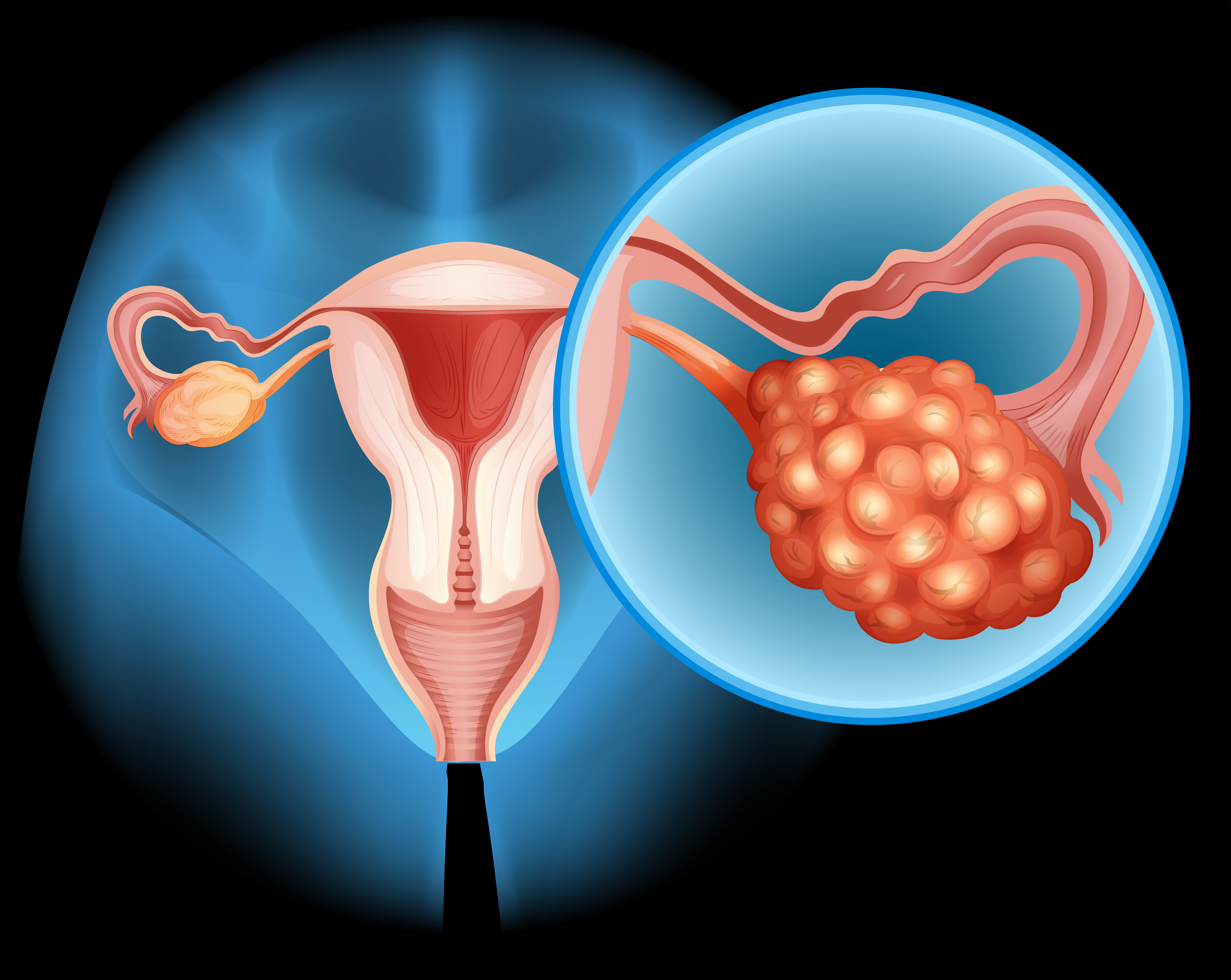
Hydrosalpinx is a condition in a woman in which either one or both fallopian tubes are blocked and filled with fluid. The word comes from the Greek for water and tube. When the tube is blocked, typically at the end closest to the ovary, the natural secretions of the tube have nowhere to drain. They accumulate, causing the tube to swell and distend with fluid.
Fluid in the fallopian tubes affects fertility but does not cause obvious symptoms in most women. There is no reliable pain, no irregular bleeding, no physical sign that something is wrong. This is why hydrosalpinx is so frequently discovered only when a woman begins investigating why she is not getting pregnant. The condition can exist silently for years.
Common causes include previous pelvic infections, particularly those caused by chlamydia or gonorrhoea that were not fully treated, pelvic inflammatory disease, endometriosis, previous abdominal or pelvic surgery, and, in some cases, a ruptured appendix. Any of these can cause the kind of scarring and blockage that leads to fluid accumulating in the tube.
The fallopian tube plays a critical role in natural conception. After ovulation, the egg is collected by the fimbriated end of the tube and travels towards the uterus. Fertilisation takes place within the tube, and the resulting embryo continues its journey to the uterus over the following days.
When fluid is present in the fallopian tubes, and the tube is blocked, this journey cannot happen. An egg released from the ovary on the same side as the hydrosalpinx cannot be collected or transported effectively. If both tubes are affected, natural conception becomes essentially impossible without medical intervention.
Even if one tube functions correctly, a hydrosalpinx on the other side alters the balance. The fluid within the damaged tube does not simply stay contained. Research has shown that this fluid can leak into the uterine cavity, and this is where the impact on fertility becomes more complex.
This is the part of the diagnosis that surprises many women. If IVF bypasses the fallopian tubes entirely, placing the embryo directly into the uterus, why should blocked fallopian tubes before IVF matter?
The answer lies in that fluid inside a hydrosalpinx. It is a mix of inflammatory byproducts, bacterial toxins, and compounds that can directly damage embryos. If this fluid makes its way back into the uterus, it essentially poisons the environment that an embryo needs to implant and survive. Study after study has confirmed what fertility specialists have long suspected that leaving a hydrosalpinx untreated before starting IVF meaningfully lowers the chances of success.
Studies have found that the presence of untreated hydrosalpinx can reduce IVF success rates by as much as 50 per cent compared to women without the condition. The fluid disrupts the uterine lining, impairs embryo implantation, and increases the risk of early pregnancy loss even when fertilisation has occurred successfully. This means that having a good embryo is not enough on its own. The environment that the embryo is transferred into matters just as much, and hydrosalpinx actively compromises that environment.

Hydrosalpinx is most commonly identified through a hysterosalpingogram, an X-ray procedure in which dye is injected through the cervix into the uterus and fallopian tubes. If a tube is blocked, the dye cannot pass through, and the swollen tube may be visible on imaging.
A transvaginal ultrasound can pick up a hydrosalpinx too, especially when the affected tube is noticeably swollen with fluid. In some situations, doctors will go a step further and perform a laparoscopy, not just to confirm what is going on, but to get a clearer picture of how much damage the tube has actually sustained.
Given the clear impact on IVF outcomes, most reproductive specialists recommend addressing hydrosalpinx before proceeding with an embryo transfer. Hydrosalpinx treatment before IVF is done to understand the source of the toxic fluid so that the embryo can be transferred into a receptive environment. Hydrosalpinx treatment options are:
This is the surgical removal of the affected fallopian tube. It is the most definitive treatment and the most commonly recommended before IVF. Removing the tube eliminates the source of the harmful fluid entirely. Studies consistently show that IVF success rates in women who have had a salpingectomy for hydrosalpinx are comparable to those of women who have never had the condition, which is a significant improvement over untreated rates.
Many women feel understandably reluctant to have a tube removed. The concern is usually about losing any remaining chance of natural conception. In the case of hydrosalpinx, however, a severely damaged tube is not functioning for natural conception anyway. Its removal does not reduce natural fertility prospects but improves IVF outcomes.
In cases where salpingectomy is not possible due to dense adhesions or other surgical risks, the tube can be blocked at its connection to the uterus rather than removed. This prevents fluid from leaking into the uterine cavity. It is considered an alternative when removal is not feasible, though salpingectomy remains preferred where possible.

In some clinics, the fluid is drained through a needle guided by ultrasound, a procedure done shortly before the IVF cycle begins. It is a less invasive route, but the relief may not be permanent; the fluid can return, and the evidence supporting this approach is not as strong or consistent as the surgical options.
A hydrosalpinx diagnosis does not close the door on pregnancy. It changes the path. For most women, the combination of appropriate surgical treatment followed by IVF offers a genuinely good chance of conception. The critical step is not to bypass the treatment and transfer into a compromised uterine environment. Speak to a fertility specialist, ask directly about hydrosalpinx and IVF success rates for your specific situation, and make sure the groundwork is done before the embryo transfer begins.


A hydrosalpinx blocks the fallopian tube, preventing the egg from being collected and fertilised naturally. Even in IVF, where the tube is bypassed, the fluid inside the damaged tube can leak into the uterus and create a hostile environment for embryo implantation. Fluid in the fallopian tubes contains inflammatory substances that disrupt the uterine lining and reduce implantation rates significantly, making treatment before attempting conception important.
Natural conception on the affected side is not possible because the tube cannot transport the egg. If only one tube is affected and the other is healthy, natural conception may still occur through the unaffected tube. However, the leakage of toxic fluid from the hydrosalpinx into the uterine cavity can reduce overall implantation chances. Women with bilateral hydrosalpinx affecting both tubes will need IVF after appropriate treatment.
Untreated hydrosalpinx can reduce IVF success rates by up to 50 per cent compared to women without the condition. The fluid leaking from the damaged tube into the uterus impairs embryo implantation and increases early pregnancy loss. IVF success rates improve dramatically after surgical treatment, particularly after salpingectomy. Most reproductive specialists recommend addressing hydrosalpinx before any embryo transfer to give the best possible chance of success
The fluid in a hydrosalpinx is not neutral. It contains inflammatory mediators, endotoxins, and compounds that are directly toxic to embryos. When this fluid refluxes into the uterine cavity, it alters the uterine lining, creating conditions in which an embryo cannot implant. This is why hydrosalpinx treatment before IVF is strongly recommended, so that the uterine environment is clear and receptive at the time of embryo transfer


 Best Gynecologists in Bellandur Best Gynecologists in Electronic City Best Gynecologists in HRBR LayoutBest Gynecologists in Jayanagar Best Gynecologists in Kanakapura RoadBest Gynecologists in Malleswaram Best Gynecologists in Nagarbhavi Best Gynecologists in Old Airport RoadBest Gynecologists in Sahakarnagar Best Gynecologists in Sarjapur RoadBest Gynecologists in ThanisandraBest Gynecologists in Varthur RoadBest Gynecologists in Whitefield Best Gynecologists in Industrial Area Phase IIBest Gynecologists in OMRBest Gynecologists in T NagarBest Gynecologists in New Industrial TownBest Gynecologists in IndirapuramBest Gynecologists in Golf Course RoadBest Gynecologists in Sector 14Best Gynecologists in Sector 47Best Gynecologists in Banjara HillsBest Gynecologists in GachibowliBest Gynecologists in Hitech CityBest Gynecologists in KompallyBest Gynecologists in Gomti NagarBest Gynecologists in MaladBest Gynecologists in NerulBest Gynecologists in VashiBest Gynecologists in Kailash ColonyBest Gynecologists in PatparganjBest Gynecologists in Punjabi BaghBest Gynecologists in VikaspuriBest Gynecologists in Gaur CityBest Gynecologists in Pari ChowkBest Gynecologists in Sector 51Best Gynecologists in Sector 5 Swastik ViharBest Gynecologists in Kalyani NagarBest Gynecologists in SB RoadBest Gynecologists in Pimple SaudagarBest Pediatricians in BellandurBest Pediatricians in Electronic CityBest Pediatricians in HRBR LayoutBest Pediatricians in JayanagarBest Pediatricians in Kanakapura RoadBest Pediatricians in MalleswaramBest Pediatricians in NagarbhaviBest Pediatricians in Old Airport RoadBest Pediatricians in SahakarnagarBest Pediatricians in Sarjapur RoadBest Pediatricians in ThanisandraBest Pediatricians in Varthur RoadBest Pediatricians in WhitefieldBest Pediatricians in Industrial Area Phase IIBest Pediatricians in OMRBest Pediatricians in T NagarBest Pediatricians in New Industrial TownshipBest Pediatricians in IndirapuramBest Pediatricians in Golf Course RoadBest Pediatricians in Sector 14Best Pediatricians in Sector 47Best Pediatricians in Hitech CityBest Pediatricians in Banjara HillsBest Pediatricians in GachibowliBest Pediatricians in KompallyBest Pediatricians in Gomti NagarBest Pediatricians in MaladBest Pediatricians in NerulBest Pediatricians in VashiBest Pediatricians in Kailash ColonyBest Pediatricians in PatparganjBest Pediatricians in Punjabi BaghBest Pediatricians in VikaspuriBest Pediatricians in Gaur CityBest Pediatricians in Pari ChowkBest Pediatricians in Sector 51Best Pediatricians in Sector 5 Swastik ViharBest Pediatricians in Kalyani NagarBest Pediatricians in SB RoadBest Pediatricians in Pimple Saudagar


