





As a parent, one of your most important responsibilities is protecting your child from illnesses that can have long-term consequences. Fortunately, many serious conditions today are vaccine preventable diseases, illnesses that can be avoided through timely immunisation. Over the decades, vaccines have dramatically reduced the spread of life-threatening infections, saving millions of lives worldwide. What was once common, like polio or measles outbreaks, is now rare in many parts of the world because of consistent vaccination efforts.
At its core, vaccination is about prevention. It gives your child a shield against diseases that are otherwise difficult, and sometimes impossible, to treat effectively.
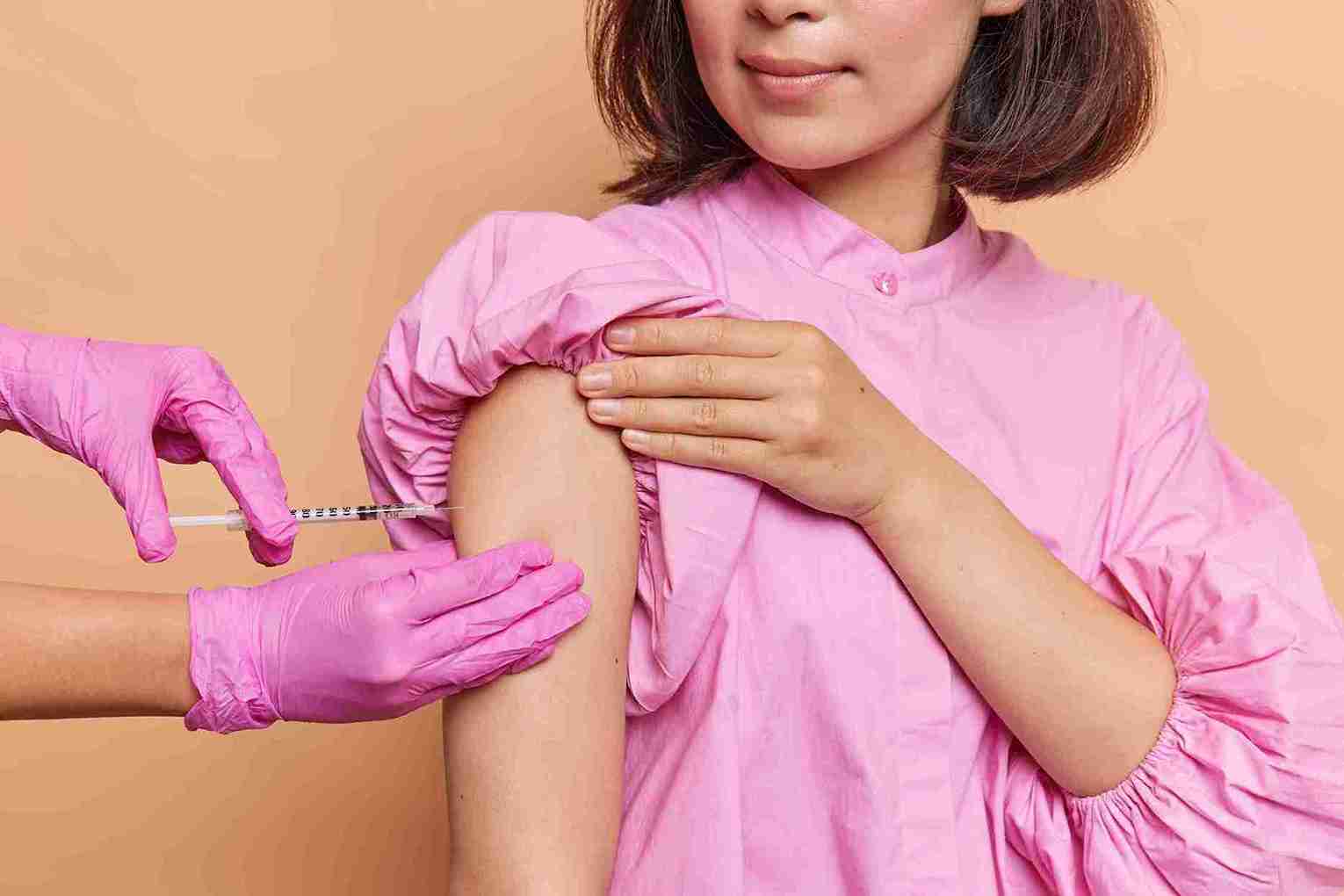
Vaccine preventable diseases refer to diseases that can be prevented using vaccines. They include infections caused by either bacteria or viruses. They spread through coughing, sneezing, contact with contaminated objects or surfaces, or direct physical contact.
A vaccine enables the immune system to identify the harmful organism and defend against it, even before any signs of disease show up. Instead of waiting for a child to get sick and then treating the disease, vaccination works proactively, building protection in advance.
Vaccines contain weakened, inactivated, or parts of a microorganism. Once introduced into the body, they trigger the immune system to recognise and respond to the pathogen.
Your child's immune system develops antibodies, which help identify and fight off the infection. Once your child encounters the pathogen again, the antibodies act fast and effectively against the disease.
One of the most asked questions is: Do vaccines prevent infections or diseases? This is one of the questions many parents ask. Yes, vaccines do both.
_11zon.jpg)
Apart from protecting children from various diseases, vaccination creates a healthier environment for both the child and other individuals.
When you vaccinate your child, you are not only ensuring their safety but also providing an important step in protecting the larger population in your area.
Not always, but they are still highly effective.
Even when infection occurs, vaccinated children usually recover faster and experience fewer complications.
Skipping vaccines increases risks significantly.
Children who don’t get vaccinations become more susceptible, particularly in the case of epidemics and seasonal outbreaks.
Proper vaccination timing is essential for optimal immunity. Vaccine administration depends on the age of the child and their vulnerability to certain illnesses.
Parents must adhere to the vaccine schedule recommendations and regularly see a paediatrician for information updates. Failure to adhere to the schedule could decrease vaccine efficacy.
In the following cases, parents must see a physician:
The doctor will help determine when to administer catch-up vaccines to keep children safe.
Cloudnine Hospitals takes a comprehensive, child-centric approach to preventive healthcare. Their paediatric teams focus not just on administering vaccines but also on educating parents about immunisation, addressing concerns, and ensuring a comfortable experience for children. With structured vaccination programs, expert paediatricians, and personalised care, Cloudnine ensures that every child receives timely protection in a safe and supportive environment.

So, do vaccines prevent infections? Vaccination is one of the best methods that helps keep your child safe. There are some uncertainties regarding preventive measures, but vaccines have been shown to be effective in reducing the likelihood of illnesses and other health conditions. Remaining up-to-date and adhering to the vaccination schedule may improve the health status of your child.
Want to consult the best pediatrician in India? Please find the links below
best pediatrician in Bangalore
Best pediatrician in Chandigarh
best pediatrician in faridabad
best pediatrician in hyderabad
Best pediatrician in New Delhi
Best pediatrician in Panchkula
Best pediatrician in Ghaziabad

These include such diseases as measles, polio, diphtheria, tetanus, whooping cough, hepatitis, and others.
It is possible, although it makes your child susceptible to acquiring dangerous infections.
Parents may be misinformed or scared of the vaccine's adverse effects on health.
Yes, these children are more vulnerable to infections and associated complications.


 Best Gynecologists in Bellandur Best Gynecologists in Electronic City Best Gynecologists in HRBR LayoutBest Gynecologists in Jayanagar Best Gynecologists in Kanakapura RoadBest Gynecologists in Malleswaram Best Gynecologists in Nagarbhavi Best Gynecologists in Old Airport RoadBest Gynecologists in Sahakarnagar Best Gynecologists in Sarjapur RoadBest Gynecologists in ThanisandraBest Gynecologists in Varthur RoadBest Gynecologists in Whitefield Best Gynecologists in Industrial Area Phase IIBest Gynecologists in OMRBest Gynecologists in T NagarBest Gynecologists in New Industrial TownBest Gynecologists in IndirapuramBest Gynecologists in Golf Course RoadBest Gynecologists in Sector 14Best Gynecologists in Sector 47Best Gynecologists in Banjara HillsBest Gynecologists in GachibowliBest Gynecologists in Hitech CityBest Gynecologists in KompallyBest Gynecologists in Gomti NagarBest Gynecologists in MaladBest Gynecologists in NerulBest Gynecologists in VashiBest Gynecologists in Kailash ColonyBest Gynecologists in PatparganjBest Gynecologists in Punjabi BaghBest Gynecologists in VikaspuriBest Gynecologists in Gaur CityBest Gynecologists in Pari ChowkBest Gynecologists in Sector 51Best Gynecologists in Sector 5 Swastik ViharBest Gynecologists in Kalyani NagarBest Gynecologists in SB RoadBest Gynecologists in Pimple SaudagarBest Pediatricians in BellandurBest Pediatricians in Electronic CityBest Pediatricians in HRBR LayoutBest Pediatricians in JayanagarBest Pediatricians in Kanakapura RoadBest Pediatricians in MalleswaramBest Pediatricians in NagarbhaviBest Pediatricians in Old Airport RoadBest Pediatricians in SahakarnagarBest Pediatricians in Sarjapur RoadBest Pediatricians in ThanisandraBest Pediatricians in Varthur RoadBest Pediatricians in WhitefieldBest Pediatricians in Industrial Area Phase IIBest Pediatricians in OMRBest Pediatricians in T NagarBest Pediatricians in New Industrial TownshipBest Pediatricians in IndirapuramBest Pediatricians in Golf Course RoadBest Pediatricians in Sector 14Best Pediatricians in Sector 47Best Pediatricians in Hitech CityBest Pediatricians in Banjara HillsBest Pediatricians in GachibowliBest Pediatricians in KompallyBest Pediatricians in Gomti NagarBest Pediatricians in MaladBest Pediatricians in NerulBest Pediatricians in VashiBest Pediatricians in Kailash ColonyBest Pediatricians in PatparganjBest Pediatricians in Punjabi BaghBest Pediatricians in VikaspuriBest Pediatricians in Gaur CityBest Pediatricians in Pari ChowkBest Pediatricians in Sector 51Best Pediatricians in Sector 5 Swastik ViharBest Pediatricians in Kalyani NagarBest Pediatricians in SB RoadBest Pediatricians in Pimple Saudagar


