
Getting a diagnosis of endometriosis often comes after years of painful periods, inconclusive scans, and being told it is probably "just cramps." By the time a woman finally has a name for what she has been experiencing, she has usually already been through quite a lot. And when the doctor brings up the possibility of fertility challenges, it can feel like the ground shifting under her feet.
Here is what most people are not told clearly enough: endometriosis affects fertility in many cases, but it does not make pregnancy impossible. For women who have been trying without success, IVF for endometriosis has genuinely changed outcomes. Knowing why it works and what the journey looks like can make a real difference to how prepared a woman feels going into it.

Endometriosis occurs when tissue similar to the uterine lining grows in places it should not, typically on the ovaries, fallopian tubes, and pelvic lining. Each month, this tissue responds to hormonal changes just like the uterine lining does, but has nowhere to go. The result is inflammation, internal scarring, and adhesions that can alter the entire pelvic anatomy.
From a fertility standpoint, this matters in several ways. Scarring can block or damage the fallopian tubes. The inflammation triggered by endometriosis disrupts the ovarian environment, quietly chipping away at egg quality.
Endometriomas are cysts that form directly on the ovaries when endometriosis tissue burrows into them and fills with old blood over time. When these cysts develop, they gradually take up space that healthy ovarian tissue should occupy, reducing the egg count even before fertility treatment begins. The uterine lining may also become less receptive to an embryo trying to implant.
Estimates suggest that between 30-50% of women with endometriosis face some degree of fertility difficulty. For this group, having an honest conversation about endometriosis fertility treatment early is far better than waiting to see what happens.
Not every woman with endometriosis will need IVF. For those with mild disease and open tubes, ovulation-stimulating medications or IUI may be worth trying first. In some cases, surgery to remove endometriomas or break down adhesions has helped women conceive on their own, though this does not hold true for everyone.
IVF for endometriosis is usually recommended when less intensive options have not delivered results or are simply not suitable. Common reasons a specialist might suggest moving to IVF include:
Once these factors are in play, holding off tends to work against the woman more than it helps. IVF gets around many of these roadblocks because it does not rely on the fallopian tubes at all.
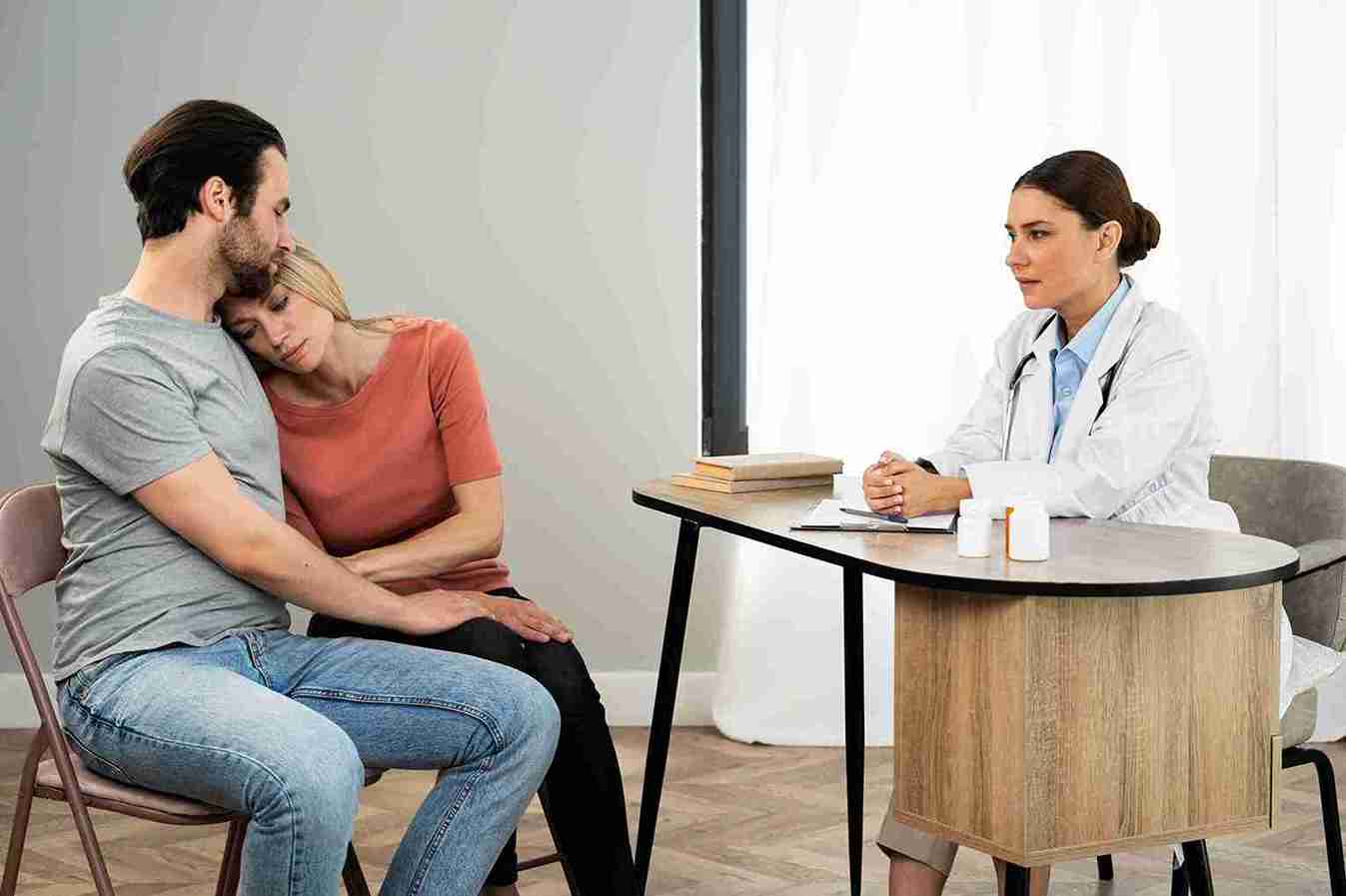
The core steps of IVF remain the same: stimulate the ovaries, retrieve the eggs, fertilise them outside the body, and transfer the embryo into the uterus. For women with endometriosis, however, several aspects are adjusted.
The first thing a specialist will do before planning anything is run blood tests and an ultrasound to get a clear picture of the ovarian reserve. This step matters more than most people realise. Women with endometriosis, particularly those who have had cysts or gone through surgery before, can have a lower reserve than what would normally be expected for their age. What comes out of this assessment essentially sets the direction for everything else, from how the ovaries will be stimulated to how many eggs can reasonably be hoped for.
If an endometrioma sits on one or both ovaries, the doctor must decide whether to drain or remove it before egg retrieval. It is not a straight forward call, since operating can make egg collection easier, but it also risks further reducing ovarian reserve. Most specialists base this on cyst size and the amount of remaining healthy ovarian tissue.
A question that comes up often is whether to do a fresh embryo transfer or freeze all embryos for a later cycle. The hormones used during stimulation can leave the uterine lining in a less-than-ideal state, and a frozen transfer in a separately prepared cycle often supports better implantation. Many clinics in India now lean towards the freeze-all approach for women with endometriosis for exactly this reason.
There is no single success rate that applies to every woman. How IVF success with endometriosis plays out depends on age, stage of disease, ovarian reserve, and embryo quality. Women with mild to moderate endometriosis typically see success rates comparable to women without the condition, while those with severe disease may need more than one cycle.
Delaying IVF when it is needed tends to work against a woman, particularly past her mid-thirties. Some specialists also suggest hormonal suppression before starting IVF, as calming the disease down first may lower inflammation and make the uterine lining more welcoming for an embryo. The evidence is still building, but it is worth discussing with the treating doctor.
Endometriosis and pregnancy chances, considered together, are not a reason for despair. They are a reason to plan thoughtfully.

Fertility treatment is emotionally hard. Piling IVF on top of years of chronic pain and uncertainty is a lot to carry. Anxiety creeps in, frustration builds, and there are days when the whole thing feels like too much. None of that is unusual.
Having people around who genuinely get it matters, whether that is a partner, a family member who does not push, or a counsellor familiar with fertility-related stress. Connecting with others in similar situations, through a support group or online community, has helped many women feel less alone.
Going through an IVF in India, might mean several clinical visits spread across weeks and sometimes at very short notice. Arranging flexibility at work during the stimulation and post-transfer phases helps considerably. Costs vary between cities and clinics, so asking for an itemised breakdown before committing saves stress later.
Being told you have endometriosis does not mean the door to parenthood is closed. For women who have not been able to conceive through other means, IVF for endometriosis remains one of the most well-supported options available. If endometriosis is affecting your fertility, speaking with a reproductive specialist sooner rather than later gives you the best chance of making a truly informed decision.


Endometriosis is a chronic disorder in which tissue that closely resembles the uterine lining develops outside the uterus, triggering inflammation, forming scar tissue, and causing adhesions in surrounding areas. These changes can block fallopian tubes, damage eggs, reduce ovarian reserve, and interfere with embryo implantation. Roughly 30-50% of women with endometriosis experience some difficulty conceiving as a result.
Yes, many women with mild to moderate endometriosis do conceive naturally. The condition does not automatically mean infertility. However, women with blocked tubes, significantly reduced ovarian reserve, or severe endometriosis may find natural conception difficult. Those who have been trying for 6-12 months without success should consult a fertility specialist for a thorough evaluation.
IVF bypasses many of the fertility barriers endometriosis creates. It retrieves eggs directly from the ovaries, fertilises them in a laboratory, and transfers the resulting embryo into the uterus, avoiding blocked tubes entirely. The process is carefully tailored for women with endometriosis, with adjustments to stimulation protocols and transfer timing to improve the chances of a successful pregnancy.
IVF is not always the first step. Depending on the stage of endometriosis and individual circumstances, surgery, medication, or IUI may be tried first. However, when these approaches have not worked or when fertility factors such as age or tube damage are present, IVF is generally considered the most effective endometriosis fertility treatment option available for achieving pregnancy.







 Best Gynecologists in Bellandur Best Gynecologists in Electronic City Best Gynecologists in HRBR LayoutBest Gynecologists in Jayanagar Best Gynecologists in Kanakapura RoadBest Gynecologists in Malleswaram Best Gynecologists in Nagarbhavi Best Gynecologists in Old Airport RoadBest Gynecologists in Sahakarnagar Best Gynecologists in Sarjapur RoadBest Gynecologists in ThanisandraBest Gynecologists in Varthur RoadBest Gynecologists in Whitefield Best Gynecologists in Industrial Area Phase IIBest Gynecologists in OMRBest Gynecologists in T NagarBest Gynecologists in New Industrial TownBest Gynecologists in IndirapuramBest Gynecologists in Golf Course RoadBest Gynecologists in Sector 14Best Gynecologists in Sector 47Best Gynecologists in Banjara HillsBest Gynecologists in GachibowliBest Gynecologists in Hitech CityBest Gynecologists in KompallyBest Gynecologists in Gomti NagarBest Gynecologists in MaladBest Gynecologists in NerulBest Gynecologists in VashiBest Gynecologists in Kailash ColonyBest Gynecologists in PatparganjBest Gynecologists in Punjabi BaghBest Gynecologists in VikaspuriBest Gynecologists in Gaur CityBest Gynecologists in Pari ChowkBest Gynecologists in Sector 51Best Gynecologists in Sector 5 Swastik ViharBest Gynecologists in Kalyani NagarBest Gynecologists in SB RoadBest Gynecologists in Pimple SaudagarBest Pediatricians in BellandurBest Pediatricians in Electronic CityBest Pediatricians in HRBR LayoutBest Pediatricians in JayanagarBest Pediatricians in Kanakapura RoadBest Pediatricians in MalleswaramBest Pediatricians in NagarbhaviBest Pediatricians in Old Airport RoadBest Pediatricians in SahakarnagarBest Pediatricians in Sarjapur RoadBest Pediatricians in ThanisandraBest Pediatricians in Varthur RoadBest Pediatricians in WhitefieldBest Pediatricians in Industrial Area Phase IIBest Pediatricians in OMRBest Pediatricians in T NagarBest Pediatricians in New Industrial TownshipBest Pediatricians in IndirapuramBest Pediatricians in Golf Course RoadBest Pediatricians in Sector 14Best Pediatricians in Sector 47Best Pediatricians in Hitech CityBest Pediatricians in Banjara HillsBest Pediatricians in GachibowliBest Pediatricians in KompallyBest Pediatricians in Gomti NagarBest Pediatricians in MaladBest Pediatricians in NerulBest Pediatricians in VashiBest Pediatricians in Kailash ColonyBest Pediatricians in PatparganjBest Pediatricians in Punjabi BaghBest Pediatricians in VikaspuriBest Pediatricians in Gaur CityBest Pediatricians in Pari ChowkBest Pediatricians in Sector 51Best Pediatricians in Sector 5 Swastik ViharBest Pediatricians in Kalyani NagarBest Pediatricians in SB RoadBest Pediatricians in Pimple Saudagar


