
Period pain is so normalised in India that most women are told to push through it. A hot water bag, a painkiller, a day off if you are lucky. But for some women, the pain is not normal period pain. It is something far more relentless, far more disruptive, and far more deserving of a name. That name is endometriosis.
Around 190 million women worldwide have it, yet the average time between first experiencing symptoms and getting diagnosed is seven to ten years. Many women spend years being told their pain is in their heads, that they are exaggerating, or that it is just part of being a woman. It is none of those things.
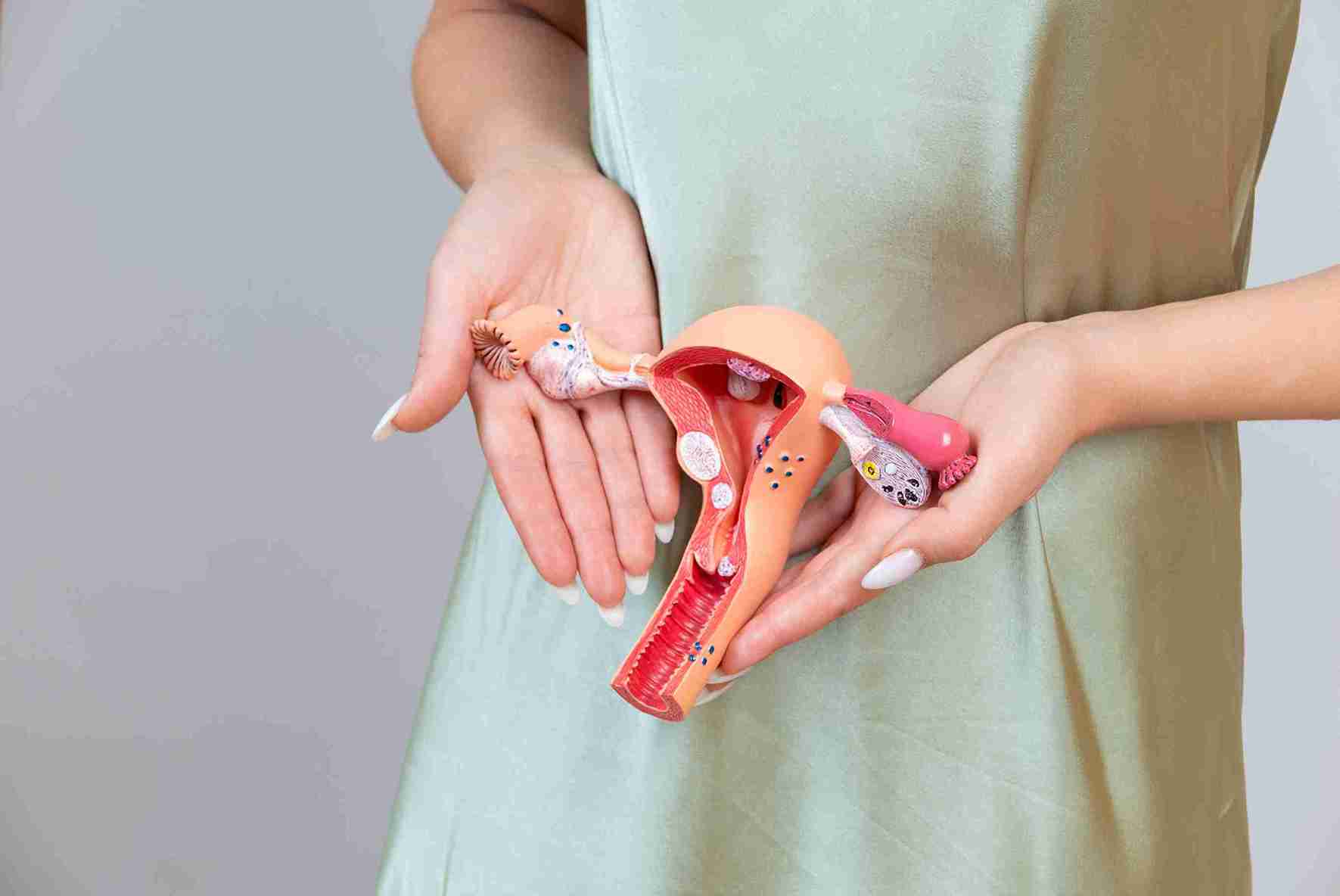
Endometriosis is a chronic condition where tissue similar to your uterine lining, called the endometrium, grows outside the uterus. This tissue can show up on your fallopian tubes, ovaries, the outer surface of your uterus, your bowel, your bladder, and sometimes even organs further away.
Every month, when your hormones shift during your cycle, this misplaced tissue behaves exactly like the lining inside your uterus. It thickens, breaks down, and tries to bleed. But unlike menstrual blood, this blood cannot go anywhere. It gets trapped, causing inflammation, scarring, and adhesions, bands of fibrous tissue that glue organs together.
Over time, this leads to pain, structural damage, and often fertility problems that blindside women who had no idea this was happening inside them.
Endometriosis symptoms vary massively from woman to woman. Some women have widespread endometriosis and barely any symptoms. Others have small patches of tissue and pain that derail their entire life. The condition does not always announce itself loudly, which is part of why it goes undiagnosed for so long, and why so many women end up doubting themselves before anyone believes them. The most common symptoms are:

Despite years of research, the exact causes of endometriosis remain unknown. The most widely researched theory is retrograde menstruation, in which menstrual blood flows back into the pelvic cavity rather than leaving the body. This blood may contain endometrial cells, which can attach to surrounding tissues. But while retrograde menstruation is common, not all women who have it develop endometriosis, which suggests immune system differences play a big role in who gets affected. Other contributing factors are:
There are four stages in endometriosis:
Stage 1: This is the first stage of endometriosis and indicates small, superficial implants that have little or no scar tissue.
Stage 2: The second stage in endometriosis is when there are more implants than in Stage 1, with some scar tissue too.
Stage 3: This stage is identified as a moderate stage where small cysts are seen on either one or both ovaries, and the adhesions are prominent.
Stage 4: Noted as a severe stage, this is the stage of deep implants, large cysts on the ovaries and dense adhesions from multiple organs. Fertility issues arise when women enter this stage.

The reason why many women silently suffer from endometriosis is that the diagnosis is not a simple blood test or an ultrasound.
Endometriosis is not a rare condition. It is a common one that is simply under-recognised, under-investigated, and for too long, under-believed. If your periods have been taking more from you than they should, if pain has become a constant presence in your daily life, or if you have spent years being told everything is normal when it does not feel normal, that experience deserves to be taken seriously.
You are not being dramatic. You are not imagining it. And you deserve answers. A diagnosis changes nothing about what you have already been through, but it changes everything about what comes next.

Want to consult the best gynecologists in India? Please find the links below.

Endometriosis is a chronic condition where tissue similar to your uterine lining grows outside the uterus, on organs like the ovaries, fallopian tubes, bowel, and bladder. Each month, this tissue responds to hormonal changes, thickens, and bleeds, and it cannot go anywhere.
The most common endometriosis symptoms are awful period pain that does not respond to standard painkillers, chronic pelvic pain throughout the month, pain during sex, painful bowel movements or urination around menstruation, unusually heavy periods, persistent tiredness, and trouble conceiving. Symptoms vary widely between women, and some with widespread disease have relatively mild symptoms, which is a key reason why diagnosis gets delayed so often.
The exact causes of endometriosis are not fully known. The leading theory is retrograde menstruation, in which menstrual blood flows back into the pelvic cavity rather than leaving the body. Genetics, immune system dysfunction, hormonal factors, and possibly environmental exposures are also thought to play a role.
Diagnosis starts with a detailed symptom history, pelvic exam, and imaging, such as a transvaginal ultrasound or MRI. However, the only definitive confirmation comes through laparoscopy, a minimally invasive surgery where a camera is used to directly view the pelvic organs.







 Best Gynecologists in Bellandur Best Gynecologists in Electronic City Best Gynecologists in HRBR LayoutBest Gynecologists in Jayanagar Best Gynecologists in Kanakapura RoadBest Gynecologists in Malleswaram Best Gynecologists in Nagarbhavi Best Gynecologists in Old Airport RoadBest Gynecologists in Sahakarnagar Best Gynecologists in Sarjapur RoadBest Gynecologists in ThanisandraBest Gynecologists in Varthur RoadBest Gynecologists in Whitefield Best Gynecologists in Industrial Area Phase IIBest Gynecologists in OMRBest Gynecologists in T NagarBest Gynecologists in New Industrial TownBest Gynecologists in IndirapuramBest Gynecologists in Golf Course RoadBest Gynecologists in Sector 14Best Gynecologists in Sector 47Best Gynecologists in Banjara HillsBest Gynecologists in GachibowliBest Gynecologists in Hitech CityBest Gynecologists in KompallyBest Gynecologists in Gomti NagarBest Gynecologists in MaladBest Gynecologists in NerulBest Gynecologists in VashiBest Gynecologists in Kailash ColonyBest Gynecologists in PatparganjBest Gynecologists in Punjabi BaghBest Gynecologists in VikaspuriBest Gynecologists in Gaur CityBest Gynecologists in Pari ChowkBest Gynecologists in Sector 51Best Gynecologists in Sector 5 Swastik ViharBest Gynecologists in Kalyani NagarBest Gynecologists in SB RoadBest Gynecologists in Pimple SaudagarBest Pediatricians in BellandurBest Pediatricians in Electronic CityBest Pediatricians in HRBR LayoutBest Pediatricians in JayanagarBest Pediatricians in Kanakapura RoadBest Pediatricians in MalleswaramBest Pediatricians in NagarbhaviBest Pediatricians in Old Airport RoadBest Pediatricians in SahakarnagarBest Pediatricians in Sarjapur RoadBest Pediatricians in ThanisandraBest Pediatricians in Varthur RoadBest Pediatricians in WhitefieldBest Pediatricians in Industrial Area Phase IIBest Pediatricians in OMRBest Pediatricians in T NagarBest Pediatricians in New Industrial TownshipBest Pediatricians in IndirapuramBest Pediatricians in Golf Course RoadBest Pediatricians in Sector 14Best Pediatricians in Sector 47Best Pediatricians in Hitech CityBest Pediatricians in Banjara HillsBest Pediatricians in GachibowliBest Pediatricians in KompallyBest Pediatricians in Gomti NagarBest Pediatricians in MaladBest Pediatricians in NerulBest Pediatricians in VashiBest Pediatricians in Kailash ColonyBest Pediatricians in PatparganjBest Pediatricians in Punjabi BaghBest Pediatricians in VikaspuriBest Pediatricians in Gaur CityBest Pediatricians in Pari ChowkBest Pediatricians in Sector 51Best Pediatricians in Sector 5 Swastik ViharBest Pediatricians in Kalyani NagarBest Pediatricians in SB RoadBest Pediatricians in Pimple Saudagar


