
Do you know that the air your child breathes could be toxic? Yes, with the increase in urbanisation, air quality is compromised, making your kid highly susceptible to various health problems. It is alarming to know that nearly 2 billion children live in areas with very high pollution levels. Early exposure to polluted air is a serious matter of concern as it can lead to lifelong health consequences. In fact, indoor and outdoor air pollution has become one of the potential causes of death in children below five years old.
In this article, we shall take an in-depth look at the impact of air pollution on the health of children and what steps can be taken to mitigate its effects.

The presence of harmful substances in the air, called pollutants, affects air quality, thus resulting in air pollution. This invisible threat makes the indoor and outdoor environment unfavourable for kids to breathe, significantly affecting the health of the children. Air pollution could be due to natural or man-made sources of pollutants. Potential air pollutants causing serious health hazards in children are listed below.
Tiny particles less than 2.5 μm from factories, industries, fires and vehicles pollute the air, causing damage to lungs, leading to respiratory illness.
This type of pollutant, emitted from fossil fuels, worsens the symptoms of asthma in children.
This pollutant emitted from vehicles causes inflammation of the airways and increased risk of respiratory infections.
Ground-level ozone is a critical pollutant affecting children by damaging the airways and triggering asthma attacks.
These are harmful pollutants from paints, cleaners and construction materials.
Air pollution affects children more than adults because certain factors make them highly vulnerable.
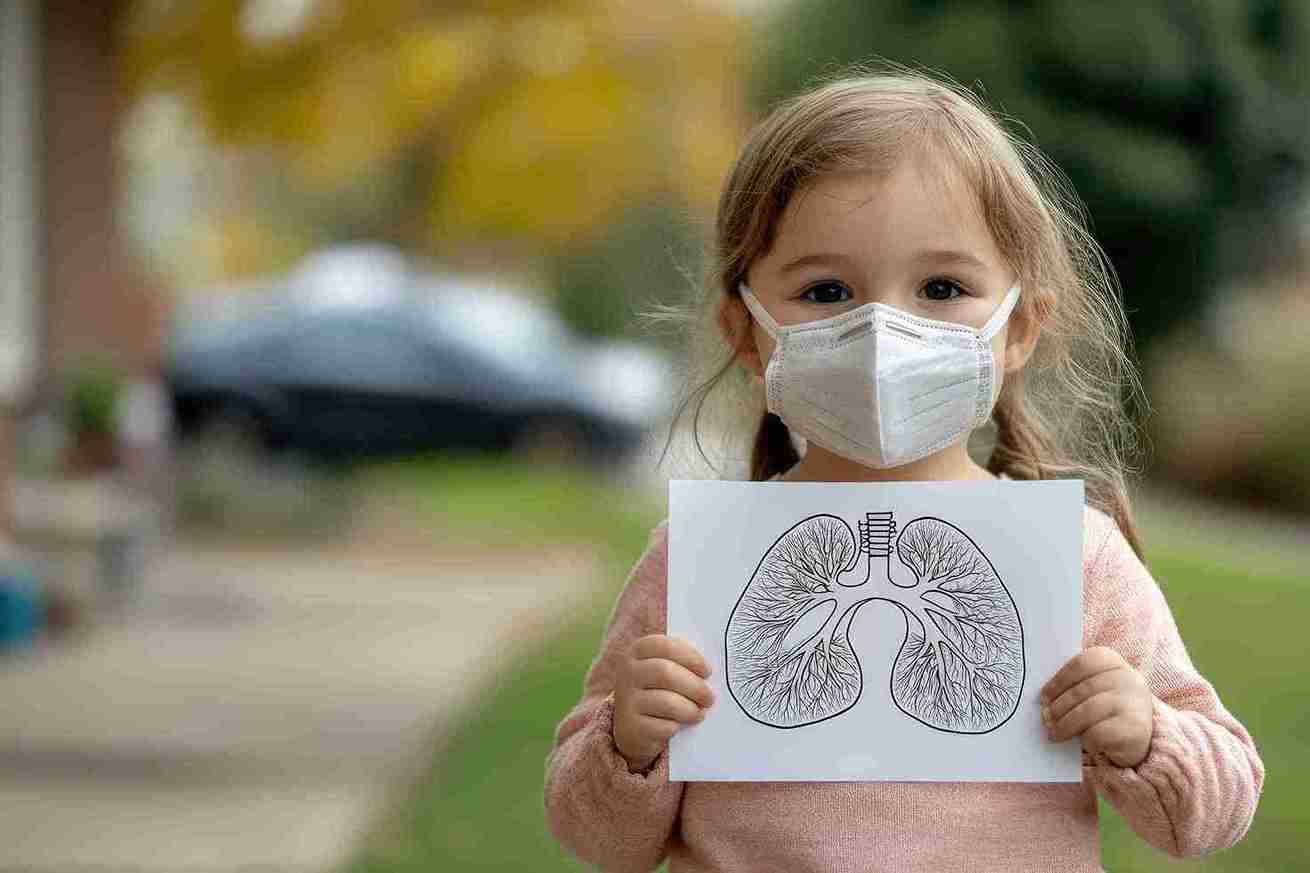
Do you know that your child's lung development is compromised by prolonged exposure to harmful pollutants? Children may suffer from immediate and long-term respiratory disorders due to inhaling harmful pollutants into the airways and lungs.
Some immediate respiratory illnesses your child may suffer due to air pollution are:
The long-term effects of air pollution on lung development are listed below:
Air pollution affects not just your child’s lung health. It can also impact the development and functioning of other organs.

Do you know that the indoor air is five times more polluted than outdoor air? Children spend the majority of their time indoors, posing a significant invisible threat. Indoor air pollutants from various sources lead to respiratory diseases and other long-term health consequences in children. Common indoor air pollutants affecting indoor air quality are
Controlling and managing the effects of outdoor air pollution is difficult. Urban air quality is seriously and inevitably threatened by industrial pollution and traffic emissions. Air quality in rural areas is impacted by dust, burning biomass, and the usage of chemical fertilisers. Air pollution is a major global burden that has an impact on people's health in developed as well as developing countries.

Air pollution is indeed a silent threat with visible consequences, making it a global crisis requiring immediate action. It causes lifelong health hazards to your children. Clean air is the fundamental right of every child. It is actually our responsibility to provide clean air through proper monitoring and purification of indoor and outdoor air. Awareness of air pollution threats motivates society to implement practical strategies and measures to reduce it.

Tiny particulate matter (PM2.5), sulfur dioxide, carbon monoxide, ground-level ozone, nitrogen dioxide, and lead are the specific types of air pollutants causing a significant impact on your child’s health. They may cause development and respiratory issues, allergies and also weaken the immune system of your child.
Air pollution can cause serious health problems in children, affecting their developing organs. Your child may suffer from respiratory illness, including asthma, bronchitis, pneumonia and affect the lung function. Air pollution suppresses the immune system of your child, making them more vulnerable to infections.
Reducing children’s exposure to air pollution can considerably protect them from adverse health outcomes. Parents can restrict kids’ outdoor activities on high-pollution days. Insist on kids wearing N95 or KN95 masks when visiting highly polluted areas. Using a HEPA air purifier indoors creates a pollution-free indoor environment.
Children are more vulnerable to air pollution, as their lungs and immune system are not yet fully developed like adults. Also, children usually spend time outdoors, increasing their exposure to polluted air. The risk of air pollution is high among children as they breathe a higher amount of air, inhaling higher concentrations of pollutants. Mouth breathing and the lesser height of children also make them more susceptible to air pollution.







 Best Gynecologists in Bellandur Best Gynecologists in Electronic City Best Gynecologists in HRBR LayoutBest Gynecologists in Jayanagar Best Gynecologists in Kanakapura RoadBest Gynecologists in Malleswaram Best Gynecologists in Nagarbhavi Best Gynecologists in Old Airport RoadBest Gynecologists in Sahakarnagar Best Gynecologists in Sarjapur RoadBest Gynecologists in ThanisandraBest Gynecologists in Varthur RoadBest Gynecologists in Whitefield Best Gynecologists in Industrial Area Phase IIBest Gynecologists in OMRBest Gynecologists in T NagarBest Gynecologists in New Industrial TownBest Gynecologists in IndirapuramBest Gynecologists in Golf Course RoadBest Gynecologists in Sector 14Best Gynecologists in Sector 47Best Gynecologists in Banjara HillsBest Gynecologists in GachibowliBest Gynecologists in Hitech CityBest Gynecologists in KompallyBest Gynecologists in Gomti NagarBest Gynecologists in MaladBest Gynecologists in NerulBest Gynecologists in VashiBest Gynecologists in Kailash ColonyBest Gynecologists in PatparganjBest Gynecologists in Punjabi BaghBest Gynecologists in VikaspuriBest Gynecologists in Gaur CityBest Gynecologists in Pari ChowkBest Gynecologists in Sector 51Best Gynecologists in Sector 5 Swastik ViharBest Gynecologists in Kalyani NagarBest Gynecologists in SB RoadBest Gynecologists in Pimple SaudagarBest Pediatricians in BellandurBest Pediatricians in Electronic CityBest Pediatricians in HRBR LayoutBest Pediatricians in JayanagarBest Pediatricians in Kanakapura RoadBest Pediatricians in MalleswaramBest Pediatricians in NagarbhaviBest Pediatricians in Old Airport RoadBest Pediatricians in SahakarnagarBest Pediatricians in Sarjapur RoadBest Pediatricians in ThanisandraBest Pediatricians in Varthur RoadBest Pediatricians in WhitefieldBest Pediatricians in Industrial Area Phase IIBest Pediatricians in OMRBest Pediatricians in T NagarBest Pediatricians in New Industrial TownshipBest Pediatricians in IndirapuramBest Pediatricians in Golf Course RoadBest Pediatricians in Sector 14Best Pediatricians in Sector 47Best Pediatricians in Hitech CityBest Pediatricians in Banjara HillsBest Pediatricians in GachibowliBest Pediatricians in KompallyBest Pediatricians in Gomti NagarBest Pediatricians in MaladBest Pediatricians in NerulBest Pediatricians in VashiBest Pediatricians in Kailash ColonyBest Pediatricians in PatparganjBest Pediatricians in Punjabi BaghBest Pediatricians in VikaspuriBest Pediatricians in Gaur CityBest Pediatricians in Pari ChowkBest Pediatricians in Sector 51Best Pediatricians in Sector 5 Swastik ViharBest Pediatricians in Kalyani NagarBest Pediatricians in SB RoadBest Pediatricians in Pimple Saudagar


