





Foetal Alcohol Syndrome or “FAS” refers to a serious and entirely preventable condition that occurs when a developing baby is exposed to alcohol during pregnancy. It is one of the most severe conditions within a broader group known as fetal alcohol spectrum disorders (FASDs), a spectrum that includes various physical, cognitive, or behavioural impairments.
Alcohol consumption during pregnancy remains a problem, often due to inaccurate information or unplanned pregnancies. Knowing what exactly FAS is and the effects of alcohol on the foetus is crucial to ensure a healthy pregnancy.

FAS is a prenatal phenomenon that occurs when a mother’s alcohol consumption interferes with the gradual growth and development of a fetus. Alcohol can inhibit the production of necessary organs, specifically the brain, in a fetus at critical times in gestation.
In addition, FAS differs from other alcohol-related developmental disorders because it involves a distinct set of facial characteristics and problems associated with the central nervous system and growth restriction. While some children exposed to alcohol may show milder learning or behavioural challenges, FAS represents the most severe end of the spectrum. The actual impact of FAS may range from physical growth to intellectual capacity, emotional regulation, and social behaviour, and may persist into adulthood as well. Early identification and interventions, therefore, become important.
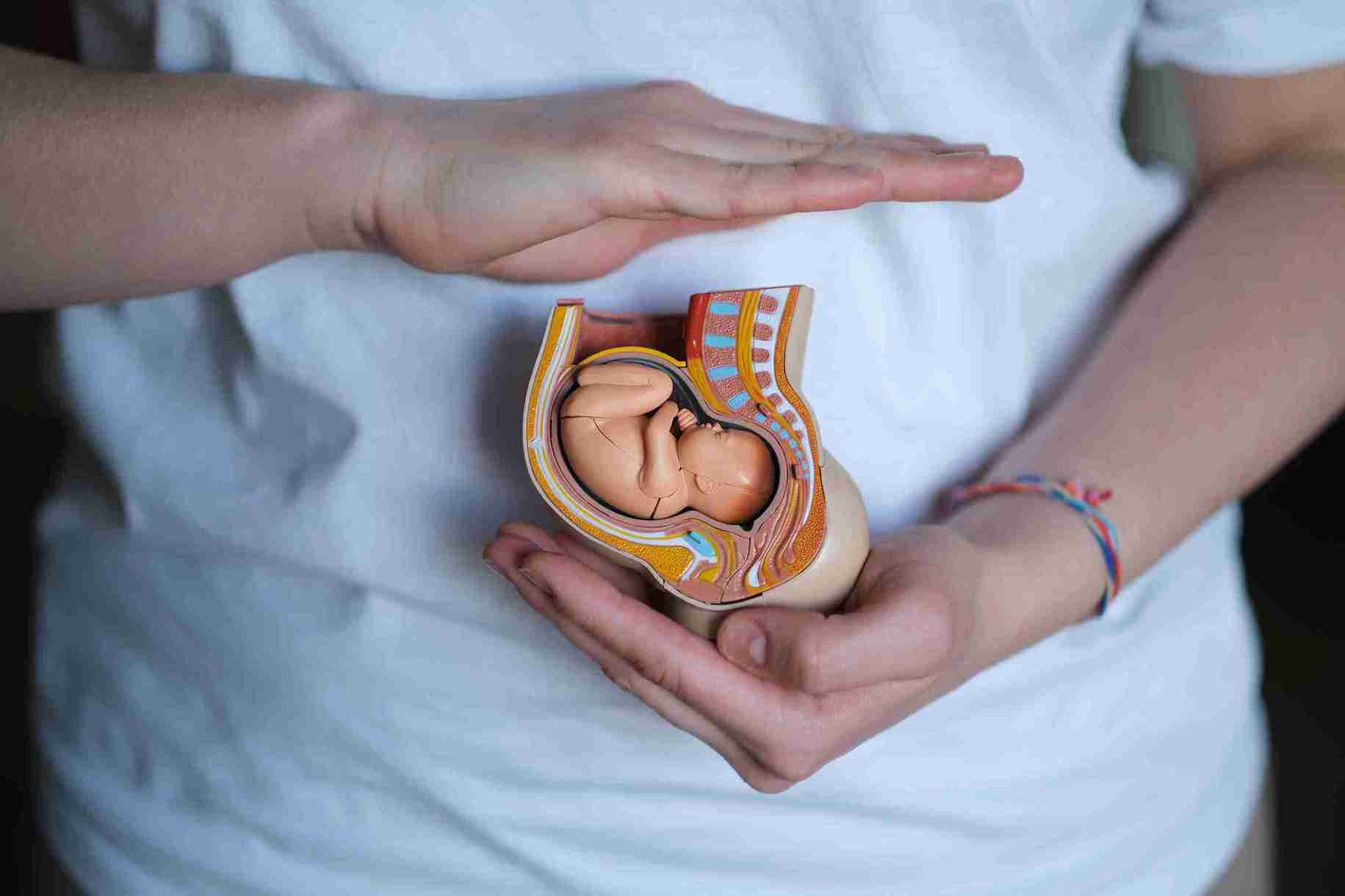
The primary cause of foetal alcohol syndrome is alcohol intake during pregnancy. Alcohol in the pregnant individual’s bloodstream passes through the placenta to reach the foetus. Unlike in adults, the fetus does not produce enough enzymes to metabolise alcohol. Alcohol, therefore, remains in the fetal system for a long time and passes its toxic effects on developing tissues and organs. The risks depend on how much, how often, and when alcohol is consumed, with the first trimester being the most dangerous since facial features and organs start developing. More importantly, scientific evidence suggests that no safe level of alcohol can be consumed during pregnancy. Even mild alcohol use can increase the risk for developmental difficulties.

The effects of alcohol on fetal development are wide-ranging. It can influence almost all organ systems. Alcohol has a significant impact on brain development. This may include reduced brain size, improper neural connections in the brain, and difficulty in processing or recalling information. These changes often result in learning disabilities, poor impulse control, and difficulties with memory and attention.
Drinking can impede growth, both before birth and after birth. Many of the vital organs may grow abnormally and increase the risk of birth defects. In addition to that, the nervous system may result in difficulties with coordination and motor development and the processing of sensory information due to the potential impact on daily functioning and academic performance.
Evident foetal alcohol syndrome signs include:
Such development-related concerns may pass into adolescence and even adulthood.
Foetal Alcohol Syndrome Face is one of the major diagnostic features, which comprises the following factors:
These facial characteristics are prominent in childhood and aid in the detection of this condition.

FAS is associated with cognitive and behavioural difficulties, which can include:
Such difficulties can influence school performance as well as social interactions.
Additional signs of Foetal Alcohol Syndrome:
Children may struggle with routine tasks and interpersonal relationships without appropriate support.
Early diagnosis or finding out about Fetal Alcohol Syndrome (FAS) is very essential for improved outcomes. Usually, in assessing or testing for the condition, there is also an evaluation of confirmed or suspected prenatal exposure to alcohol.
A physical examination is carried out by physicians to check any possible anomalies in growth and facial features, and this information is combined with other information. Paediatricians may consult other specialists, such as developmental specialists and psychologists.

Fetal Alcohol Syndrome cannot be cured, although early and continuous intervention can significantly improve the quality of life for affected individuals. The primary management for FAS is to reduce symptoms and facilitate development.
These may include methods such as speech therapy, occupational therapy, behaviour modification techniques, and educational interventions. Careful consideration and planning must be made to address learning difficulties, regulation of emotions, and socialising.
As FAS is a lifelong condition, long-term monitoring and adaptive support are essential as the child grows and their needs evolve.
The best prevention, therefore, would be to refrain from alcohol altogether during pregnancy. Awareness during the earlier stages of pregnancy would help, as alcohol can enter the body even before the woman recognises that she is pregnant. Healthcare providers are important for advising and providing assistance for pregnant women.
Children and families also face their own set of challenges in the home environment. Well-organised routines and predictable environments, as well as effective communication, can go a long way in reducing stress and minimising problems
Support in terms of emotional needs, therapy sessions, and cooperation between caregivers, teachers, and healthcare providers are essential in promoting independence and socialisation.
If there are fears related to alcohol exposure during pregnancy or if a child exhibits signs of developmental delays, learning issues, or behavioural problems, medical advice should be sought. Timely medical guidance ensures early intervention and better outcomes.
Cloudnine is the trusted leader in maternal and child healthcare, providing comprehensive prenatal guidance on diet and lifestyle, advanced fetal monitoring systems, and expert developmental care through paediatricians. With a team of the best obstetricians, neonatologists, and child development specialists, Cloudnine places strong emphasis on early risk detection, preventive education, and support for continued well-being to ensure optimal outcomes for mothers and babies.
Fetal Alcohol Syndrome is a condition that is preventable yet lifelong. FAS condition shows how alcohol exposure in pregnancy can shape a child's trajectory. Understanding its causes, recognising the early signs, and addressing its developmental effects help families and healthcare teams work together to protect future generations. Managing this condition requires prevention, early diagnosis, and ongoing support.


Adults may face problems with learning, impulse control, psychological, or social interactions.
Fetal alcohol syndrome is caused by exposing the embryo or fetus to alcohol during pregnancy, which interferes with the development of the baby.
Affected children can be hyperactive, have a short span of attention, mood swings, and difficulties in social settings.
Alcohol can affect the developing fetus as early as a few weeks after conception, before a woman may even know that she is pregnant.


 Best Gynecologists in Bellandur Best Gynecologists in Electronic City Best Gynecologists in HRBR LayoutBest Gynecologists in Jayanagar Best Gynecologists in Kanakapura RoadBest Gynecologists in Malleswaram Best Gynecologists in Nagarbhavi Best Gynecologists in Old Airport RoadBest Gynecologists in Sahakarnagar Best Gynecologists in Sarjapur RoadBest Gynecologists in ThanisandraBest Gynecologists in Varthur RoadBest Gynecologists in Whitefield Best Gynecologists in Industrial Area Phase IIBest Gynecologists in OMRBest Gynecologists in T NagarBest Gynecologists in New Industrial TownBest Gynecologists in IndirapuramBest Gynecologists in Golf Course RoadBest Gynecologists in Sector 14Best Gynecologists in Sector 47Best Gynecologists in Banjara HillsBest Gynecologists in GachibowliBest Gynecologists in Hitech CityBest Gynecologists in KompallyBest Gynecologists in Gomti NagarBest Gynecologists in MaladBest Gynecologists in NerulBest Gynecologists in VashiBest Gynecologists in Kailash ColonyBest Gynecologists in PatparganjBest Gynecologists in Punjabi BaghBest Gynecologists in VikaspuriBest Gynecologists in Gaur CityBest Gynecologists in Pari ChowkBest Gynecologists in Sector 51Best Gynecologists in Sector 5 Swastik ViharBest Gynecologists in Kalyani NagarBest Gynecologists in SB RoadBest Gynecologists in Pimple SaudagarBest Pediatricians in BellandurBest Pediatricians in Electronic CityBest Pediatricians in HRBR LayoutBest Pediatricians in JayanagarBest Pediatricians in Kanakapura RoadBest Pediatricians in MalleswaramBest Pediatricians in NagarbhaviBest Pediatricians in Old Airport RoadBest Pediatricians in SahakarnagarBest Pediatricians in Sarjapur RoadBest Pediatricians in ThanisandraBest Pediatricians in Varthur RoadBest Pediatricians in WhitefieldBest Pediatricians in Industrial Area Phase IIBest Pediatricians in OMRBest Pediatricians in T NagarBest Pediatricians in New Industrial TownshipBest Pediatricians in IndirapuramBest Pediatricians in Golf Course RoadBest Pediatricians in Sector 14Best Pediatricians in Sector 47Best Pediatricians in Hitech CityBest Pediatricians in Banjara HillsBest Pediatricians in GachibowliBest Pediatricians in KompallyBest Pediatricians in Gomti NagarBest Pediatricians in MaladBest Pediatricians in NerulBest Pediatricians in VashiBest Pediatricians in Kailash ColonyBest Pediatricians in PatparganjBest Pediatricians in Punjabi BaghBest Pediatricians in VikaspuriBest Pediatricians in Gaur CityBest Pediatricians in Pari ChowkBest Pediatricians in Sector 51Best Pediatricians in Sector 5 Swastik ViharBest Pediatricians in Kalyani NagarBest Pediatricians in SB RoadBest Pediatricians in Pimple Saudagar


