
You are bound to come across “advice” when trying to conceive a child. And, when it becomes tough to get pregnant, everyone has an opinion. When conception takes time, you start searching for answers and end up flooded with information that’s often backed by pseudoscience and myths. What feels baffling is that in an era of medical advances and research, myths about fertility still thrive.
Some of the most popular myths regarding fertility revolve around age. You may hear contradictory statements, like “You waited too long” or “Age does not matter at all,” and these are likely to leave you feeling confused. Such misconceptions and myths about age and fertility ignore how the reproductive system truly works. In fact, many people carry these false beliefs for years without questioning them.
This article breaks down those myths. It replaces hearsay with facts. It helps you understand the real relationship between age and fertility.

Numerous fertility myths exist all over the world. From carrying talismans and lucky charms that promise twins to eating pineapple cores that supposedly boost implantation, fertility myths have always had a strong presence in everyday conversations around conception and pregnancy.
In this section, which explores myth vs fact, age and fertility links will be examined. We shall debunk some of the most popular myths that surround age and fertility.
For years, women have believed that only they have a biological clock. Consequently, male partners often get excluded from age-related fertility discussions.
Fact: Age plays a role for both partners! Fertility does not depend on female age alone. As men grow older, sperm health changes. Sperm count, motility, and genetic quality usually tend to decrease. These changes increase the risk of congenital problems and miscarriage while reducing the rate of conception.
Another popular myth is that women can conceive a child quite easily even after their 40s.
Fact: As women age, their fertility actually decreases because fewer high-quality eggs tend to be produced. As a result, getting pregnant naturally could become extremely difficult. They also face numerous pregnancy risks after 35. For older women, there is a high chance of pregnancy complications like miscarriage and premature birth. Even successful pregnancies may result in the birth of babies with chromosomal abnormalities like Down syndrome.
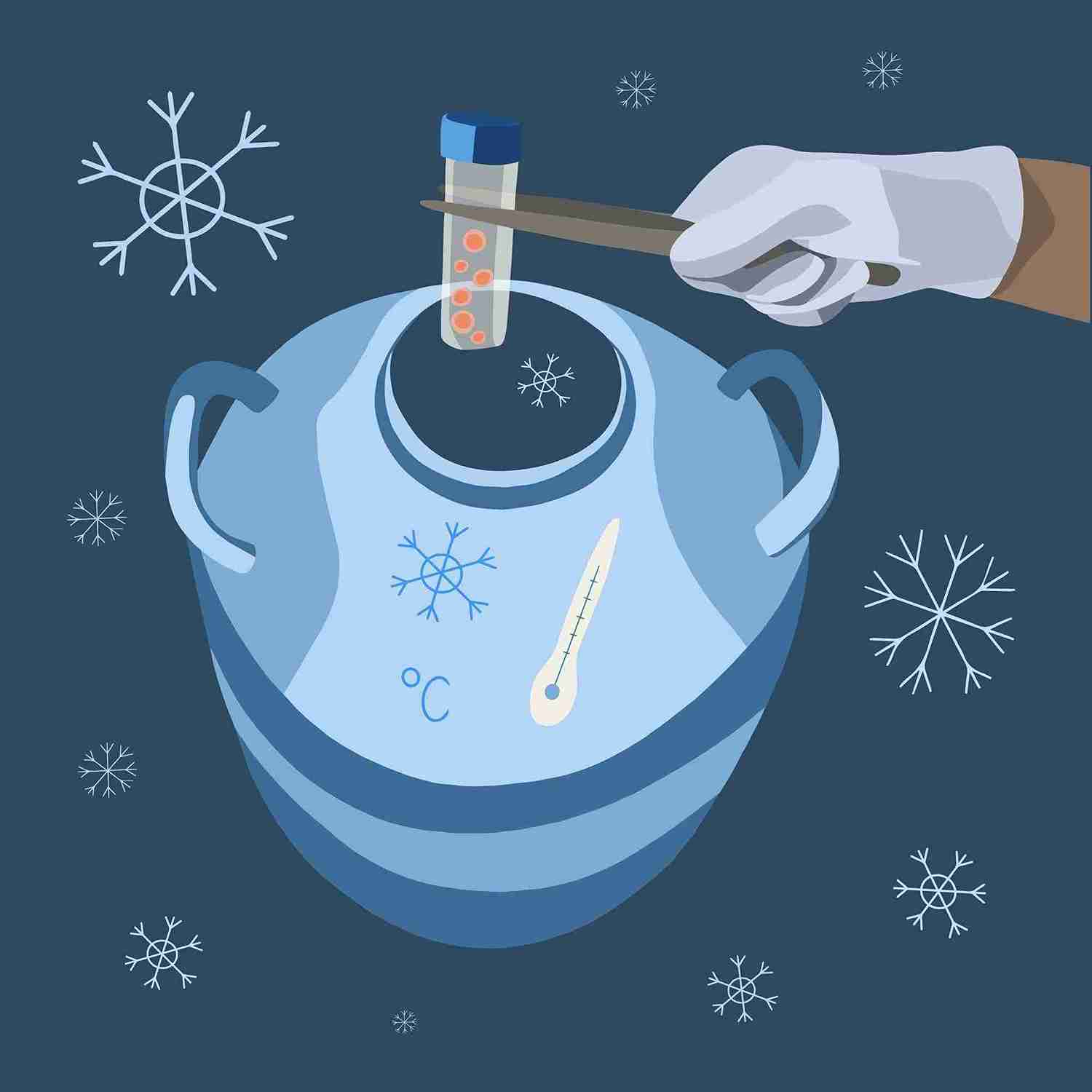
Egg freezing is a medical procedure in which a woman's eggs are extracted and cryopreserved. Nowadays, this procedure has become quite popular, especially among young women who want to postpone pregnancy for personal, medical, or career reasons. It is often spoken about as an insurance plan against age-related fertility decline. Many believe freezing eggs guarantees a future pregnancy whenever they feel ready.
Fact: Although storing eggs has many advantages, it does not ensure future successful conception. The woman's age at the time of the egg-freezing process, the quality of the eggs, and the number of eggs stored all affect the outcome. Not every frozen egg survives thawing or leads to a healthy embryo.
Traditional or holistic treatments, certain diets, and herbal drinks and supplements are frequently advertised as natural solutions for age-related fertility issues. These treatments promise to improve reproductive health or balance hormones. In an effort to avoid medical care, many people turn to them.
Fact: Natural remedies support overall well-being, but relying on them alone is not enough for age-related fertility issues. They cannot prevent the gradual changes in sperm or egg quality.
Many believe fertility problems only affect people later in life. This assumption gives younger couples a false sense of security. They may even dismiss early warning signs or delay seeking help.
Fact: Age does not offer full protection from fertility problems. Younger couples are also affected by conditions such as hormonal imbalances, ovulation difficulties, low sperm quality, infections, and lifestyle concerns.

It is often believed that fertility treatments deliver the same success rates at every age.
Fact: In reality, fertility treatments do not work the same at every age. Success rates for options like IUI and IVF tend to be higher in younger individuals, especially women under 35. Outcomes often decline after age 40.
The fertility cliff myth spreads the idea that a woman’s fertility falls off a cliff when she becomes 35 years old. This rapid egg quality decline myth suggests a sudden loss of fertility rather than recognising the gradual changes that occur over several years.
Fact: Fertility does not drop overnight at 35. Egg quality and quantity decline gradually over time, starting earlier and progressing at different rates for each woman. While some women encounter difficulties before 35, many women conceive naturally after that age. Age affects fertility, but there is no set age limit.
When facts are replaced by fear and partial truths, fertility myths flourish. Age is important, but not in the drastic ways that these myths imply. Fertility varies from person to person, affects both partners, and changes gradually. Making prompt, well-informed decisions is made easier when you rely on correct information.


Age-related fertility issues may be experienced by both men and women. It’s a false belief that only older women have difficulty with conception. Men have biological clocks as well. They, too, may find it difficult to father children as they get older.
Not all women in their 20s are fertile. It is quite possible for young women to suffer from reproductive health issues that affect their ability to successfully conceive a baby.
It is a myth that women suddenly lose fertility once they reach 35. This myth is known as the “fertility cliff myth”, since the belief is that there will be a sudden, dramatic drop in women’s fertility. Age-related decline in fertility is actually gradual.
Adopting a healthier lifestyle can help slow down the decline in fertility. However, changes in lifestyle alone may not be enough to resolve fertility issues.







 Best Gynecologists in Bellandur Best Gynecologists in Electronic City Best Gynecologists in HRBR LayoutBest Gynecologists in Jayanagar Best Gynecologists in Kanakapura RoadBest Gynecologists in Malleswaram Best Gynecologists in Nagarbhavi Best Gynecologists in Old Airport RoadBest Gynecologists in Sahakarnagar Best Gynecologists in Sarjapur RoadBest Gynecologists in ThanisandraBest Gynecologists in Varthur RoadBest Gynecologists in Whitefield Best Gynecologists in Industrial Area Phase IIBest Gynecologists in OMRBest Gynecologists in T NagarBest Gynecologists in New Industrial TownBest Gynecologists in IndirapuramBest Gynecologists in Golf Course RoadBest Gynecologists in Sector 14Best Gynecologists in Sector 47Best Gynecologists in Banjara HillsBest Gynecologists in GachibowliBest Gynecologists in Hitech CityBest Gynecologists in KompallyBest Gynecologists in Gomti NagarBest Gynecologists in MaladBest Gynecologists in NerulBest Gynecologists in VashiBest Gynecologists in Kailash ColonyBest Gynecologists in PatparganjBest Gynecologists in Punjabi BaghBest Gynecologists in VikaspuriBest Gynecologists in Gaur CityBest Gynecologists in Pari ChowkBest Gynecologists in Sector 51Best Gynecologists in Sector 5 Swastik ViharBest Gynecologists in Kalyani NagarBest Gynecologists in SB RoadBest Gynecologists in Pimple SaudagarBest Pediatricians in BellandurBest Pediatricians in Electronic CityBest Pediatricians in HRBR LayoutBest Pediatricians in JayanagarBest Pediatricians in Kanakapura RoadBest Pediatricians in MalleswaramBest Pediatricians in NagarbhaviBest Pediatricians in Old Airport RoadBest Pediatricians in SahakarnagarBest Pediatricians in Sarjapur RoadBest Pediatricians in ThanisandraBest Pediatricians in Varthur RoadBest Pediatricians in WhitefieldBest Pediatricians in Industrial Area Phase IIBest Pediatricians in OMRBest Pediatricians in T NagarBest Pediatricians in New Industrial TownshipBest Pediatricians in IndirapuramBest Pediatricians in Golf Course RoadBest Pediatricians in Sector 14Best Pediatricians in Sector 47Best Pediatricians in Hitech CityBest Pediatricians in Banjara HillsBest Pediatricians in GachibowliBest Pediatricians in KompallyBest Pediatricians in Gomti NagarBest Pediatricians in MaladBest Pediatricians in NerulBest Pediatricians in VashiBest Pediatricians in Kailash ColonyBest Pediatricians in PatparganjBest Pediatricians in Punjabi BaghBest Pediatricians in VikaspuriBest Pediatricians in Gaur CityBest Pediatricians in Pari ChowkBest Pediatricians in Sector 51Best Pediatricians in Sector 5 Swastik ViharBest Pediatricians in Kalyani NagarBest Pediatricians in SB RoadBest Pediatricians in Pimple Saudagar


