
Men and women may have similar health issues, for instance, cancer, heart disease and diabetes. But some health issues affect only women—especially those related to reproductive health—and come with unique risks. Apart from affecting obvious areas like pregnancy, they may face long-term complications from menopause and untreated health issues. However, a lack of awareness and stigma prevent women from asking for medical help. This could delay diagnosis and treatment, leading to complications that can be prevented. Here, learn about the top 10 gynaecological issues, symptoms, causes, complications and when to consult a doctor.

It is a set of problems associated with a woman’s menstrual cycle. The problems with the menstrual cycle can take many forms, which include
PCOS is a condition caused by hormonal imbalance when the ovaries produce excess androgens (male hormones).
PCOS should be diagnosed and treated as it affects hormonal balance, physical, metabolic and emotional health. Blood tests or an ultrasound help diagnose the condition.

Endometriosis is a condition in which tissue similar to the uterine lining grows outside the uterus, causing painful symptoms that affect the menstrual cycle and daily life.
The exact cause is unknown, but in endometriosis, tissue similar to the uterine lining grows outside the uterus.
The doctor will conduct a pelvic exam and order an ultrasound. A definitive diagnosis can be made with a laparoscopy.
These are growths in or on the uterine walls and are composed of tissue and muscle. It is common among women over 30.

Fibroids cannot be prevented, but you can reduce your risk by maintaining a healthy weight and getting regular checkups.

PID is an infection in a woman’s reproductive organs.
PID is an infection that can lead to serious complications like fertility issues, chronic pain and ectopic pregnancy if left untreated.

It is a reproductive health condition in which you’re unable to conceive after trying for more than a year.
Vaginal infections are a set of conditions that irritate or inflame the vagina. The most common types are yeast infection, bacterial vaginosis, trichomoniasis, atrophic vaginitis and non-infectious vaginitis.

Women with this condition are at risk of sexually transmitted infections due to inflammation caused by vaginitis.
Ovarian cysts are growth that forms in or on the ovaries. Functional cysts are common, small, harmless, cause no discomfort and require no treatment. However, some cysts are large and rupture, causing severe symptoms.

Urinary incontinence is the loss of bladder control. Types of incontinence are-
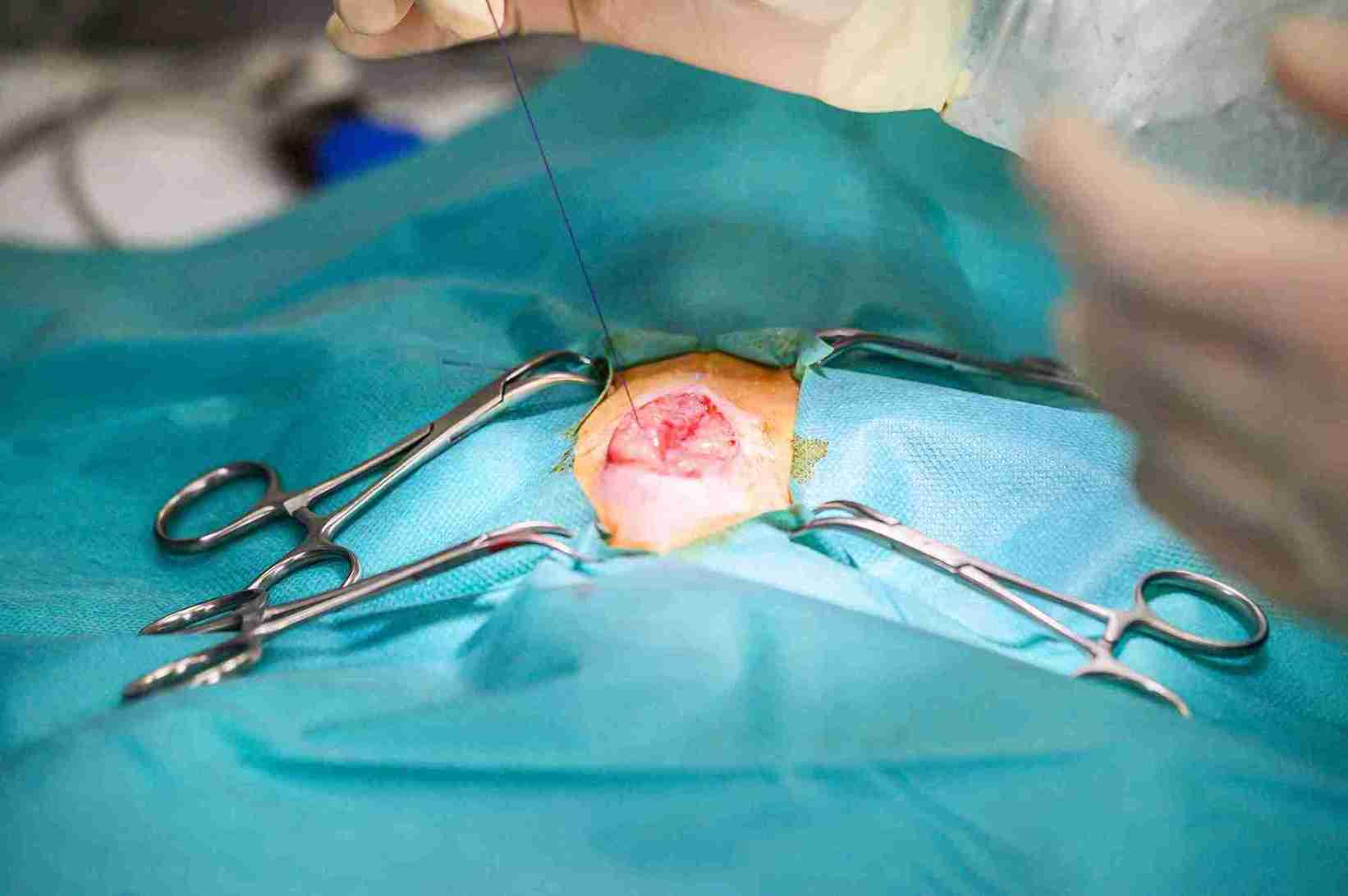
Urinary incontinence can make you self-conscious and affect your mental well-being. Consult a doctor for diagnosis and treatment, as it is treatable.
Menopause is the natural cessation of menstrual periods for 12 consecutive months, marking the end of the reproductive years. It is a natural ageing process that needs care and support, and not silence.

Women themselves often overlook their health, yet it is critical to their own and their families' well-being. Understanding common gynaecological issues and being aware of the symptoms helps in early diagnosis and treatment. If you experience unusual symptoms, consult a gynaecologist and get them treated to lead a pain-free and more comfortable life.

Common gynaecological problems include menstrual disorders, fertility issues, PCOS, and uterine fibroids.
Good gynaecological health can be achieved through regular checkups, a healthy lifestyle, stress management, and awareness of common reproductive issues and symptoms.
Early signs of gynaecological problems include itching of the vagina, abnormal vaginal discharge, irregular periods, and pelvic pain.
Yes, it is normal to have occasional irregular periods. However, when these continue for several months, it is wise to consult a healthcare provider.







 Best Gynecologists in Bellandur Best Gynecologists in Electronic City Best Gynecologists in HRBR LayoutBest Gynecologists in Jayanagar Best Gynecologists in Kanakapura RoadBest Gynecologists in Malleswaram Best Gynecologists in Nagarbhavi Best Gynecologists in Old Airport RoadBest Gynecologists in Sahakarnagar Best Gynecologists in Sarjapur RoadBest Gynecologists in ThanisandraBest Gynecologists in Varthur RoadBest Gynecologists in Whitefield Best Gynecologists in Industrial Area Phase IIBest Gynecologists in OMRBest Gynecologists in T NagarBest Gynecologists in New Industrial TownBest Gynecologists in IndirapuramBest Gynecologists in Golf Course RoadBest Gynecologists in Sector 14Best Gynecologists in Sector 47Best Gynecologists in Banjara HillsBest Gynecologists in GachibowliBest Gynecologists in Hitech CityBest Gynecologists in KompallyBest Gynecologists in Gomti NagarBest Gynecologists in MaladBest Gynecologists in NerulBest Gynecologists in VashiBest Gynecologists in Kailash ColonyBest Gynecologists in PatparganjBest Gynecologists in Punjabi BaghBest Gynecologists in VikaspuriBest Gynecologists in Gaur CityBest Gynecologists in Pari ChowkBest Gynecologists in Sector 51Best Gynecologists in Sector 5 Swastik ViharBest Gynecologists in Kalyani NagarBest Gynecologists in SB RoadBest Gynecologists in Pimple SaudagarBest Pediatricians in BellandurBest Pediatricians in Electronic CityBest Pediatricians in HRBR LayoutBest Pediatricians in JayanagarBest Pediatricians in Kanakapura RoadBest Pediatricians in MalleswaramBest Pediatricians in NagarbhaviBest Pediatricians in Old Airport RoadBest Pediatricians in SahakarnagarBest Pediatricians in Sarjapur RoadBest Pediatricians in ThanisandraBest Pediatricians in Varthur RoadBest Pediatricians in WhitefieldBest Pediatricians in Industrial Area Phase IIBest Pediatricians in OMRBest Pediatricians in T NagarBest Pediatricians in New Industrial TownshipBest Pediatricians in IndirapuramBest Pediatricians in Golf Course RoadBest Pediatricians in Sector 14Best Pediatricians in Sector 47Best Pediatricians in Hitech CityBest Pediatricians in Banjara HillsBest Pediatricians in GachibowliBest Pediatricians in KompallyBest Pediatricians in Gomti NagarBest Pediatricians in MaladBest Pediatricians in NerulBest Pediatricians in VashiBest Pediatricians in Kailash ColonyBest Pediatricians in PatparganjBest Pediatricians in Punjabi BaghBest Pediatricians in VikaspuriBest Pediatricians in Gaur CityBest Pediatricians in Pari ChowkBest Pediatricians in Sector 51Best Pediatricians in Sector 5 Swastik ViharBest Pediatricians in Kalyani NagarBest Pediatricians in SB RoadBest Pediatricians in Pimple Saudagar


