





Children often fall sick. Their immune system is still immature and learning to fight infections after every exposure. There is no need to panic every time your child falls sick, but what are the symptoms a parent should never ignore? What if the high fever was not just a flu symptom but a brain fever?
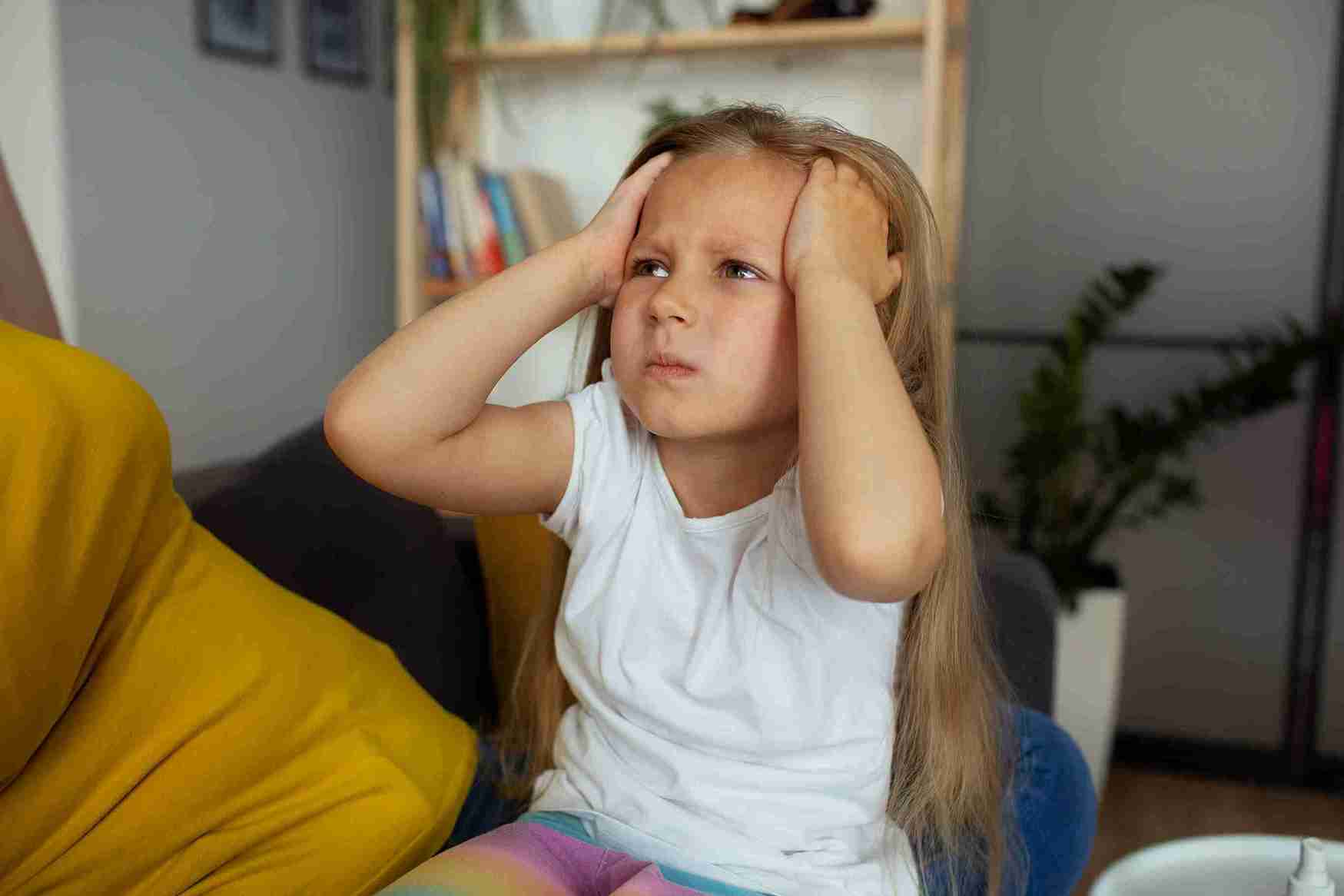
Brain fever is a non-medical term, commonly used for meningitis or encephalitis. Meningitis is an infection that causes inflammation of the membranes around the brain and spinal cord. Encephalitis causes inflammation of the brain tissue.
Brain fever can be caused by viruses or bacteria and requires immediate medical attention. The impact can be worse in children with weak immune systems. Unlike other diseases, brain fever is a reaction to an infection, causing dangerous side effects.
Brain fever symptoms can be easily mistaken for other common issues young children face as they grow. Some common symptoms of brain fever to watch out for in children are –
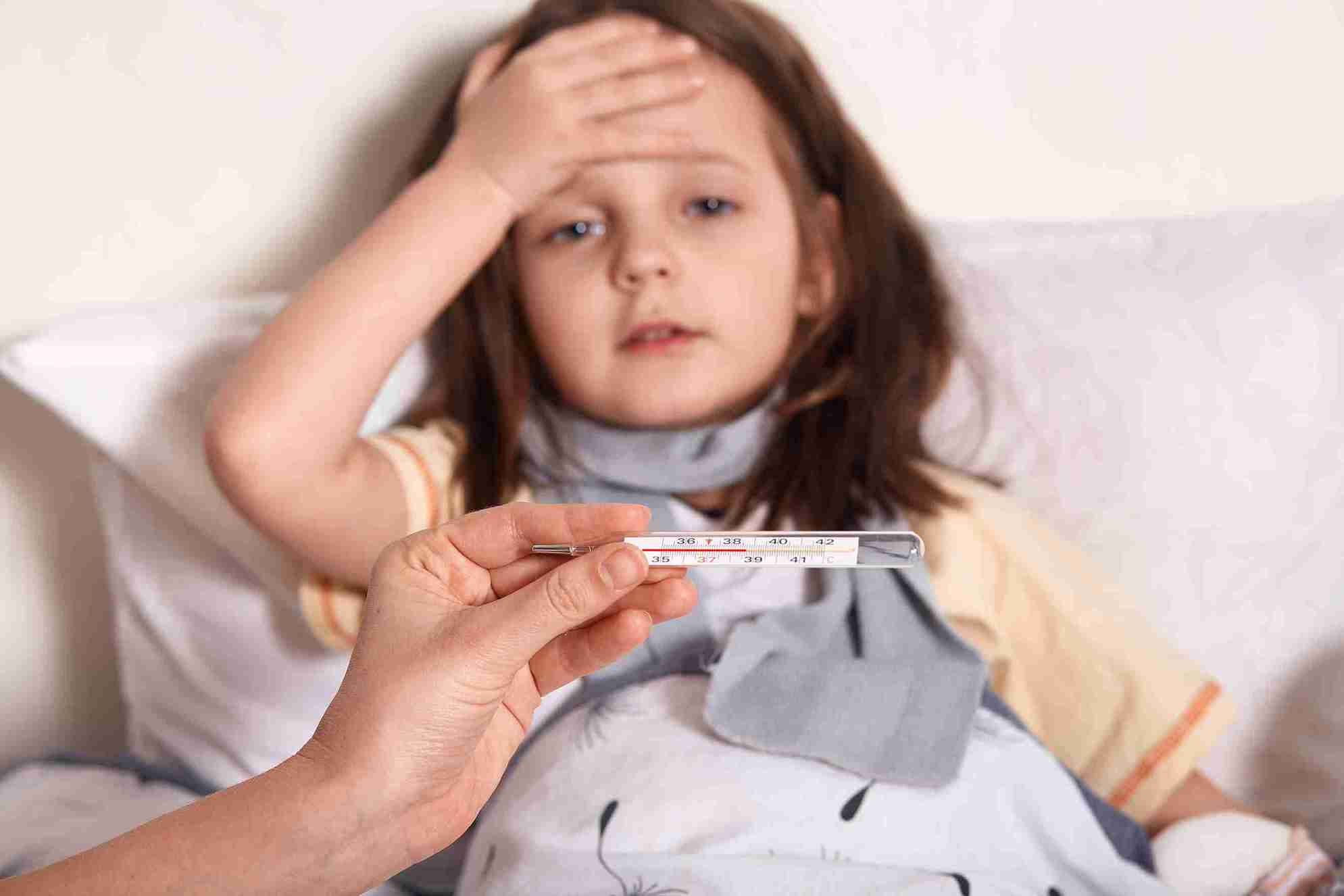
Since all the changes and damage are occurring inside, it is difficult to diagnose brain fever. Parents can mistake fussiness, irritable behaviour, or a loss of appetite for symptoms of the regular flu or just one of those days. Recognising the symptoms and promptly taking tests are key to diagnosing brain fever.
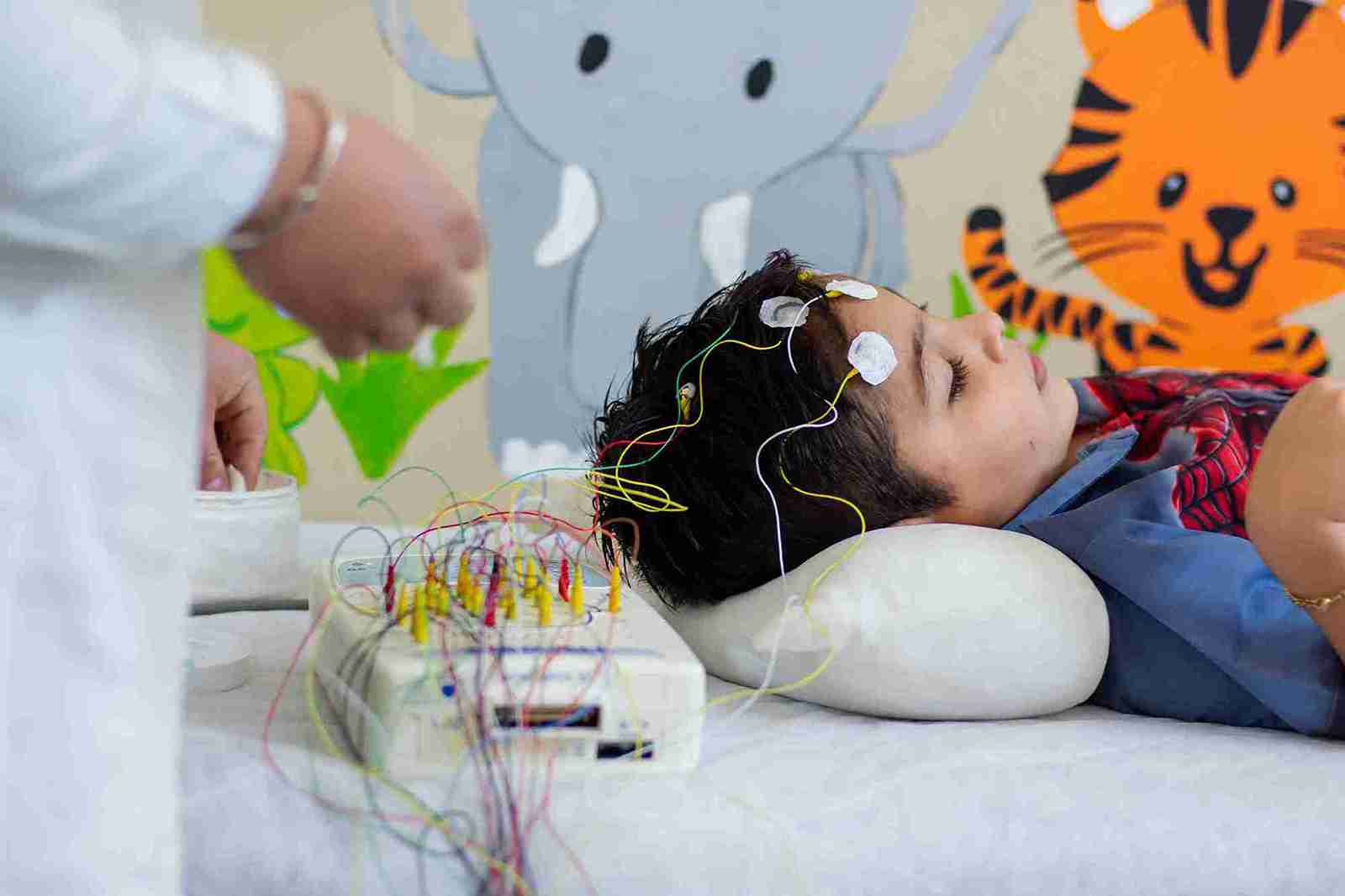
When the doctor suspects brain fever, they will take blood tests, a CT or MRI scan of the brain, and a lumbar puncture test to analyse the spinal fluid. They will also take a nasal or throat swab to identify the virus or bacteria causing the disease.
Effective treatment of brain fever (meningitis/ encephalitis) in children requires immediate hospitalisation. Based on whether the infection is caused by a bacterium or a virus, antibiotics or antivirals will be administered intravenously.
Appropriate dosage of steroids will be given to bring down the swelling of the membranes, IV fluids for rehydration and maintaining organ function, and fever reducers will be given through the IV line. If needed, supportive care, such as a ventilator for breathing, is provided.
In very few cases where the infection is caught early and the impact is very mild, home treatment, like over-the-counter medications to control the fever, plenty of fluid, and rest, along with close monitoring, is enough.
While mild cases may take just a few days for recovery, severe cases can take weeks and may require specialised care and therapy. Children with lasting neurological issues will require prolonged speech or physical therapy and support to regain their memory completely.
Parents need to be patient and supportive as complete recovery can take time. Especially in children with neurological conditions that have affected their cognitive development, speech, or muscle function.
Meningitis and Encephalitis are not always preventable. However, you can significantly protect your children through timely vaccinations, following good hygiene practices, staying away from sick people, and recognising symptoms before they become severe.
Timely vaccines for Hib (Haemophilus influenzae type b), pneumococcal, and meningococcal diseases can prevent bacterial meningitis. The MMR and flu vaccines will reduce the risk of viral meningitis.

If you notice any of the previously mentioned symptoms and the child seems very lethargic or unresponsive compared to usual, consult a doctor immediately. It is always safer to rule out infections and complications with proper clinical tests, rather than wait for symptoms to worsen.
Brain fever in children, both young and old, can be a serious health complication and requires immediate medical attention. Timely vaccinations and prompt treatment can prevent complications.


In older children, sudden fever, severe headache, stiff neck, nausea, vomiting, confusion, irritability, extreme sleepiness, and seizures are some warning signs of brain fever to watch out for. In infants or toddlers, brain fever symptoms include extreme sleepiness, irritability, decreased feeding, stiffness, pale or blotchy skin, and a bulging soft spot on the head.
A viral fever occurs when the body fights off an infection, causing the temperature to rise. Brain fever is an infection that causes inflammation of the protective membranes around the brain. Brain fever attacks the brain itself, making it a neurological emergency, and the impact is not predictable.
If the child has a fever, severe headache, neck stiffness, confusion, altered brain activity, extreme tiredness or sleepiness, or a rash, consult a doctor immediately. The longer you wait, the higher the risk of complications in the child.
Brain fever in children is a serious condition that requires prompt medical evaluation and treatment. Mild viral cases can be treated at home with over-the-counter medications and rest, but the severe bacterial cases require hospitalisation, antibiotics or antivirals, and close monitoring.


 Best Gynecologists in Bellandur Best Gynecologists in Electronic City Best Gynecologists in HRBR LayoutBest Gynecologists in Jayanagar Best Gynecologists in Kanakapura RoadBest Gynecologists in Malleswaram Best Gynecologists in Nagarbhavi Best Gynecologists in Old Airport RoadBest Gynecologists in Sahakarnagar Best Gynecologists in Sarjapur RoadBest Gynecologists in ThanisandraBest Gynecologists in Varthur RoadBest Gynecologists in Whitefield Best Gynecologists in Industrial Area Phase IIBest Gynecologists in OMRBest Gynecologists in T NagarBest Gynecologists in New Industrial TownBest Gynecologists in IndirapuramBest Gynecologists in Golf Course RoadBest Gynecologists in Sector 14Best Gynecologists in Sector 47Best Gynecologists in Banjara HillsBest Gynecologists in GachibowliBest Gynecologists in Hitech CityBest Gynecologists in KompallyBest Gynecologists in Gomti NagarBest Gynecologists in MaladBest Gynecologists in NerulBest Gynecologists in VashiBest Gynecologists in Kailash ColonyBest Gynecologists in PatparganjBest Gynecologists in Punjabi BaghBest Gynecologists in VikaspuriBest Gynecologists in Gaur CityBest Gynecologists in Pari ChowkBest Gynecologists in Sector 51Best Gynecologists in Sector 5 Swastik ViharBest Gynecologists in Kalyani NagarBest Gynecologists in SB RoadBest Gynecologists in Pimple SaudagarBest Pediatricians in BellandurBest Pediatricians in Electronic CityBest Pediatricians in HRBR LayoutBest Pediatricians in JayanagarBest Pediatricians in Kanakapura RoadBest Pediatricians in MalleswaramBest Pediatricians in NagarbhaviBest Pediatricians in Old Airport RoadBest Pediatricians in SahakarnagarBest Pediatricians in Sarjapur RoadBest Pediatricians in ThanisandraBest Pediatricians in Varthur RoadBest Pediatricians in WhitefieldBest Pediatricians in Industrial Area Phase IIBest Pediatricians in OMRBest Pediatricians in T NagarBest Pediatricians in New Industrial TownshipBest Pediatricians in IndirapuramBest Pediatricians in Golf Course RoadBest Pediatricians in Sector 14Best Pediatricians in Sector 47Best Pediatricians in Hitech CityBest Pediatricians in Banjara HillsBest Pediatricians in GachibowliBest Pediatricians in KompallyBest Pediatricians in Gomti NagarBest Pediatricians in MaladBest Pediatricians in NerulBest Pediatricians in VashiBest Pediatricians in Kailash ColonyBest Pediatricians in PatparganjBest Pediatricians in Punjabi BaghBest Pediatricians in VikaspuriBest Pediatricians in Gaur CityBest Pediatricians in Pari ChowkBest Pediatricians in Sector 51Best Pediatricians in Sector 5 Swastik ViharBest Pediatricians in Kalyani NagarBest Pediatricians in SB RoadBest Pediatricians in Pimple Saudagar


