





When a pregnancy test gives a positive result even when a woman isn’t pregnant, it’s known as a false positive pregnancy test. Home pregnancy tests are very reliable when used properly. However, no test is completely foolproof.
Therefore, many couples often wonder: can a pregnancy test be wrong? Although rare, false positives do happen under certain conditions. This article gives you a complete overview of how pregnancy tests work, the likelihood of having a wrong result, and what you need to do in case you are unsure of the test result.

These tests detect the presence of human chorionic gonadotropin (hCG), a hormone produced when the fertilised egg implants in the uterus. Most urine pregnancy tests are designed to identify even small amounts of hCG.
Testing could lead to confusion if done prematurely; timing is important for accuracy.

Human error is one of the most common reasons behind false positives. These include:
It is important to carefully follow the guidelines to avoid misinterpretation.
A chemical pregnancy is a very early pregnancy loss that occurs shortly after implantation.
This is a common but emotionally difficult cause of a false-positive pregnancy test.
After pregnancy and whether that pregnancy is ended by birth, miscarriage, or abortion, the hCG can linger in a woman’s body for weeks.
Certain fertility medications either contain hCG or increase its levels. Most of the standard types of fertility injections interfere with test results, and there is a risk of false positives if one tries testing too soon after treatment. Women considering fertility treatment should always confirm with a doctor before testing.
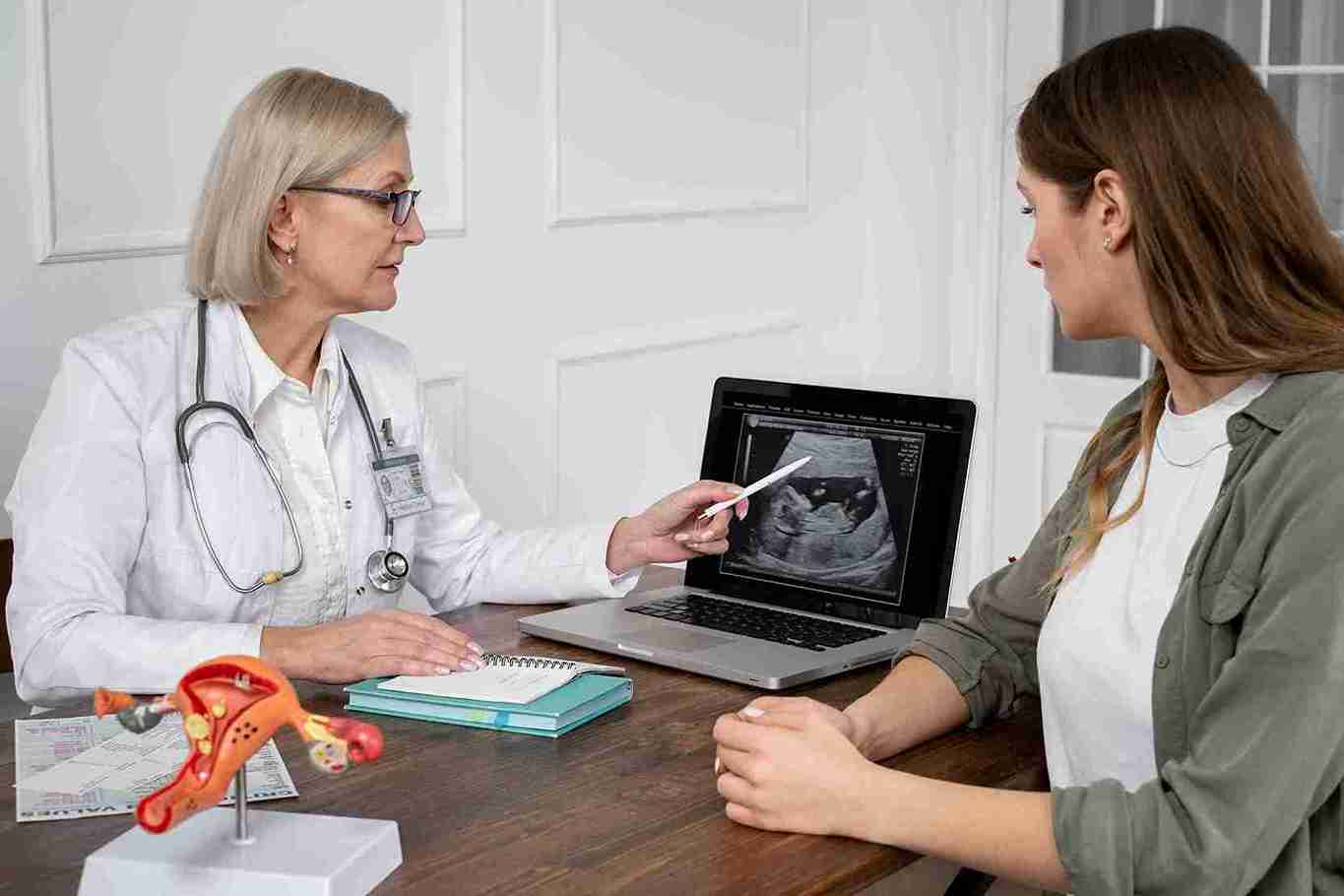
Abnormal pregnancies can also trigger positive results.
Both produce hCG and need urgent medical attention. Warning signs include severe abdominal pain, dizziness, or unusual bleeding.
Some health conditions can also cause increased levels of hCG. These include ovarian cysts or disorders, rare tumours producing the hormone, and hormonal fluctuations that come with the perimenopause stage. Although rare, these are some of the conditions that may yield false positives and should be medically checked.
If the test is unreliable, the results could be incorrect. Pregnancy tests that are out of date, improperly stored (in heat and moisture), or even manufactured incorrectly can be problematic. Always check out the expiration date and storage instructions.
Many couples often wonder about the chances of false pregnancy test. Most modern tests are over 99% accurate when used correctly. Very early testing, recent pregnancy, or fertility treatments increase the risk, as does incorrect test use. Confirmatory blood tests remain the gold standard for an accurate diagnosis.

If a positive test result leaves you uncertain about what to do:
If you experience severe pain, excessive bleeding, or dizziness, seek immediate medical attention
Cloudnine is a trusted leader in women’s healthcare and fertility services, offering expert care across all stages of a woman’s reproductive life. Backed by highly experienced obstetricians and gynaecologists and supported by world-class diagnostic laboratories, Cloudnine delivers accurate, compassionate, and personalised care, making it one of the most reliable choices for women at every phase of their health journey.

So, can a pregnancy test be wrong? Home pregnancy tests are usually accurate, but it is good to understand what might lead to a positive result if you are unsure of the test's accuracy. Early pregnancy, certain medical conditions, certain medications, or errors on the home pregnancy tests might lead to a pregnancy test turning out positive. The most reliable next approach would therefore be to verify the pregnancy through a professional medical approach.

There are very few false positives when used properly—less than 1%.
Yes. It can occur after a chemical pregnancy, a recent miscarriage, or some fertility therapies.
These may include problems involving the user, leftover hCG, certain drugs, illnesses, or a defective test.
Repeat the test after a few days and consult a healthcare provider for blood tests and evaluation.


 Best Gynecologists in Bellandur Best Gynecologists in Electronic City Best Gynecologists in HRBR LayoutBest Gynecologists in Jayanagar Best Gynecologists in Kanakapura RoadBest Gynecologists in Malleswaram Best Gynecologists in Nagarbhavi Best Gynecologists in Old Airport RoadBest Gynecologists in Sahakarnagar Best Gynecologists in Sarjapur RoadBest Gynecologists in ThanisandraBest Gynecologists in Varthur RoadBest Gynecologists in Whitefield Best Gynecologists in Industrial Area Phase IIBest Gynecologists in OMRBest Gynecologists in T NagarBest Gynecologists in New Industrial TownBest Gynecologists in IndirapuramBest Gynecologists in Golf Course RoadBest Gynecologists in Sector 14Best Gynecologists in Sector 47Best Gynecologists in Banjara HillsBest Gynecologists in GachibowliBest Gynecologists in Hitech CityBest Gynecologists in KompallyBest Gynecologists in Gomti NagarBest Gynecologists in MaladBest Gynecologists in NerulBest Gynecologists in VashiBest Gynecologists in Kailash ColonyBest Gynecologists in PatparganjBest Gynecologists in Punjabi BaghBest Gynecologists in VikaspuriBest Gynecologists in Gaur CityBest Gynecologists in Pari ChowkBest Gynecologists in Sector 51Best Gynecologists in Sector 5 Swastik ViharBest Gynecologists in Kalyani NagarBest Gynecologists in SB RoadBest Gynecologists in Pimple SaudagarBest Pediatricians in BellandurBest Pediatricians in Electronic CityBest Pediatricians in HRBR LayoutBest Pediatricians in JayanagarBest Pediatricians in Kanakapura RoadBest Pediatricians in MalleswaramBest Pediatricians in NagarbhaviBest Pediatricians in Old Airport RoadBest Pediatricians in SahakarnagarBest Pediatricians in Sarjapur RoadBest Pediatricians in ThanisandraBest Pediatricians in Varthur RoadBest Pediatricians in WhitefieldBest Pediatricians in Industrial Area Phase IIBest Pediatricians in OMRBest Pediatricians in T NagarBest Pediatricians in New Industrial TownshipBest Pediatricians in IndirapuramBest Pediatricians in Golf Course RoadBest Pediatricians in Sector 14Best Pediatricians in Sector 47Best Pediatricians in Hitech CityBest Pediatricians in Banjara HillsBest Pediatricians in GachibowliBest Pediatricians in KompallyBest Pediatricians in Gomti NagarBest Pediatricians in MaladBest Pediatricians in NerulBest Pediatricians in VashiBest Pediatricians in Kailash ColonyBest Pediatricians in PatparganjBest Pediatricians in Punjabi BaghBest Pediatricians in VikaspuriBest Pediatricians in Gaur CityBest Pediatricians in Pari ChowkBest Pediatricians in Sector 51Best Pediatricians in Sector 5 Swastik ViharBest Pediatricians in Kalyani NagarBest Pediatricians in SB RoadBest Pediatricians in Pimple Saudagar


