
Pregnancy brings a lot of changes, and as the due date approaches, many expectant moms start thinking about what labour will feel like. Labour pain is a common worry, especially for first-time mothers. Pain relief options can help, but they also raise new questions. One question that often lingers is whether having an epidural during labour will affect the baby.
It is normal to feel protective and careful during childbirth. Every decision can seem important when it comes to your baby.
This article explains what an epidural is, how it works, its advantages and possible risks, along with what medical research shows about its effects on newborns. Hopefully, this information will ease worry and help moms feel more confident as they prepare for birth.
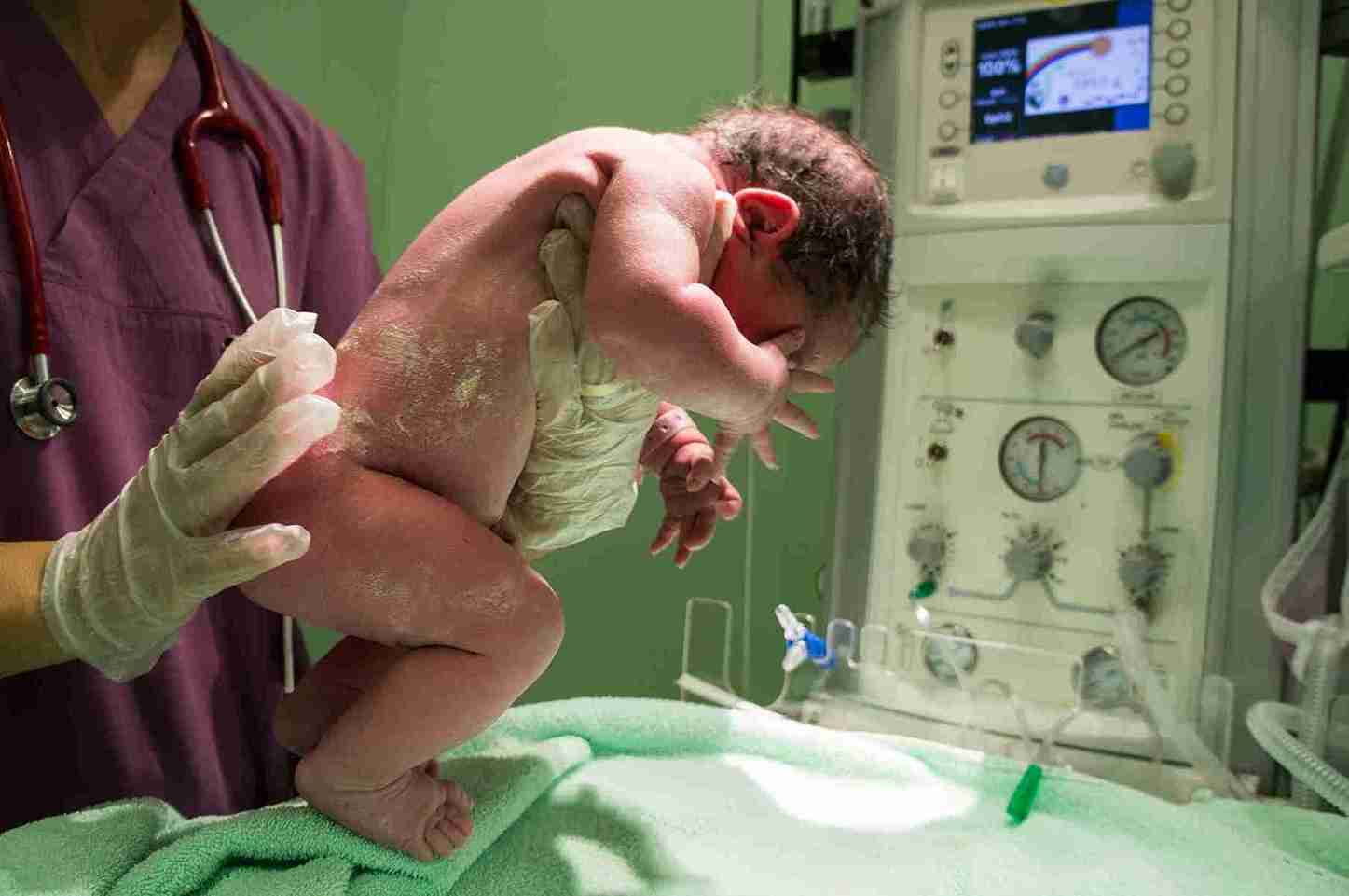
An epidural is one of the most commonly used methods of pain relief during labour. This technique involves administering medication like anaesthetics or corticosteroids into the epidural space adjacent to the spinal nerves in the lower back. The targeted nerves transmit pain signals from the uterus and birth canal to the brain. By blocking these signals, an epidural can make labour pain much less intense.
The medication does not stop contractions or slow labour on its own. Instead, it eases pain while allowing the mother to remain awake, alert, and aware of what is happening during birth. Many women still feel pressure during contractions and actively push when the time comes.
Before we answer the question, ‘does epidural affect the baby?’, it helps to understand what medicines are actually used in an epidural during labour.
Labour epidurals usually contain a combination of two medicines. The first is a local anaesthetic, which numbs the lower part of the body. The second is a low-dose opioid, which helps strengthen pain relief.
These medicines are used in very small amounts. They are designed to work mainly around the spinal nerves, rather than spreading through the whole body. This is an important reason epidurals are considered safe during childbirth.
An epidural is usually given after labour has started and when the mother can stay still for a short time. Before the epidural, a local anaesthetic is injected into the lower back to numb the skin and tissue. This helps reduce any discomfort during the procedure. Some women feel a quick pinching or stinging sensation, but it usually goes away within seconds.
A thin needle is then used to reach the epidural space, and a soft tube called a catheter is passed through it. The needle is then removed, leaving the catheter in place. Medication is delivered through the catheter in small, controlled doses throughout labour.
Pain relief usually takes some time to start working. Most women notice relief within 15 to 30 minutes. The amount of medicine can be adjusted as labour goes on to keep you comfortable and able to move.
A common concern is whether the medicine used in an epidural anaesthesia in pregnancy reaches the baby. A small amount of the medication does enter the mother’s bloodstream. From there, a much smaller amount can cross the placenta into the baby.
The placenta acts as a natural filter between mother and baby. Because most epidural medicine stays in the epidural space near the spine, only minimal amounts circulate in the blood. This greatly limits how much reaches the baby.
Compared to other pain medicines, epidurals expose the baby to much lower levels of medication.
An epidural can change how labour moves forward, and this can have a small indirect effect on the baby. In some cases, labour may take a little longer, especially during the pushing stage. When labour lasts longer, the baby stays in the birth canal for more time, which is why doctors keep a close watch on the baby throughout labour.
If pushing becomes harder, the epidural dose can be adjusted. Using less medicine helps improve control and supports a smoother labour. This can help reduce stress on the baby.
Studies have found that having an epidural does not raise the chance of needing a Caesarean birth. During labour, the baby’s heart rate and health are watched carefully. If anything changes, the medical team acts right away. Most of the time, babies do well and are born healthy.

Many studies have looked at possible epidural risks during labour. Overall, the findings are reassuring.
Research shows that epidurals do not lower Apgar scores. These scores check a newborn’s breathing, heart rate, muscle tone, reflexes, and skin colour shortly after birth.
Studies also show no higher risk of babies needing special care after birth because of an epidural. Most newborns adjust well in the first minutes and hours of life.
After birth, some babies may show mild changes for a short time. These effects do not occur in every baby and usually settle without treatment.
In the first few hours, a baby may appear slightly sleepy or less active than expected. Muscle tone may feel a bit relaxed at first, or interest in feeding may take a little longer to appear. These early changes are usually temporary and improve as the medicine wears off.
A baby’s response can vary from case to case. It depends on how much medicine was used, how long labour lasted, and how sensitive the baby is. For this reason, babies are watched closely after birth to make sure they are breathing well, moving normally, and settling in comfortably.
Sometimes, an epidural can lower the mother's blood pressure. When this happens, the baby might get less blood flow for a short time, which can cause brief changes in the baby's heart rate during labour.
Continuous monitoring can spot these changes early. Most of the time, the baby’s heart rate goes back to normal quickly.
Most babies whose mothers have epidurals breathe normally and do well after birth. Compared to more potent painkillers that disperse throughout the body, epidurals are less likely to induce extreme sleepiness in infants.
If a baby seems slightly drowsy at first, this usually improves within a short time. Medical staff continue to watch breathing, colour, and movement to ensure a smooth transition after delivery.
Some parents find that early feedings can take a bit longer after an epidural. Babies may occasionally take longer to latch or appear less interested on their first attempts.
Early feeding depends on several things, such as how long labour lasts, how the baby is born, and when skin-to-skin contact starts. With support and some time, most babies begin feeding well. In many cases, feeding improves within the first day.
Many parents are concerned about the lasting effects, but studies have not found long-term harm to babies from epidural use during labour. Research does not link epidurals to issues with growth, learning, or development. Any effects that do occur are typically short-lived and resolve soon after birth.

Choosing pain relief during labour is a personal choice, and it's quite normal for expectant moms to worry about how it may affect their baby. For many women, an epidural is a safe option that helps them manage childbirth pain and stay calm during birth.
Medical research shows that epidurals are commonly used and generally safe for babies, with most effects being mild and short-term.

A very small amount of epidural medicine enters the mother’s blood. An even smaller amount crosses the placenta. Most of the medicine stays near the spine, so the baby is exposed to much lower levels than with IV pain medicines.
Some babies may feel a bit sleepy after birth or take more time to latch. This can slow early feeding. These effects do not last long. Feeding also depends on how long labour lasts, how the baby is born, and early skin-to-skin contact. With help, most babies breastfeed well within one day.
An epidural may be avoided during labour in certain situations. These include bleeding or clotting problems, infection near the spine, very low blood pressure, or certain spine conditions. It may also be avoided if labour is progressing rapidly or if an urgent delivery is needed.
An epidural is generally considered safe when there is a risk of premature birth.







 Best Gynecologists in Bellandur Best Gynecologists in Electronic City Best Gynecologists in HRBR LayoutBest Gynecologists in Jayanagar Best Gynecologists in Kanakapura RoadBest Gynecologists in Malleswaram Best Gynecologists in Nagarbhavi Best Gynecologists in Old Airport RoadBest Gynecologists in Sahakarnagar Best Gynecologists in Sarjapur RoadBest Gynecologists in ThanisandraBest Gynecologists in Varthur RoadBest Gynecologists in Whitefield Best Gynecologists in Industrial Area Phase IIBest Gynecologists in OMRBest Gynecologists in T NagarBest Gynecologists in New Industrial TownBest Gynecologists in IndirapuramBest Gynecologists in Golf Course RoadBest Gynecologists in Sector 14Best Gynecologists in Sector 47Best Gynecologists in Banjara HillsBest Gynecologists in GachibowliBest Gynecologists in Hitech CityBest Gynecologists in KompallyBest Gynecologists in Gomti NagarBest Gynecologists in MaladBest Gynecologists in NerulBest Gynecologists in VashiBest Gynecologists in Kailash ColonyBest Gynecologists in PatparganjBest Gynecologists in Punjabi BaghBest Gynecologists in VikaspuriBest Gynecologists in Gaur CityBest Gynecologists in Pari ChowkBest Gynecologists in Sector 51Best Gynecologists in Sector 5 Swastik ViharBest Gynecologists in Kalyani NagarBest Gynecologists in SB RoadBest Gynecologists in Pimple SaudagarBest Pediatricians in BellandurBest Pediatricians in Electronic CityBest Pediatricians in HRBR LayoutBest Pediatricians in JayanagarBest Pediatricians in Kanakapura RoadBest Pediatricians in MalleswaramBest Pediatricians in NagarbhaviBest Pediatricians in Old Airport RoadBest Pediatricians in SahakarnagarBest Pediatricians in Sarjapur RoadBest Pediatricians in ThanisandraBest Pediatricians in Varthur RoadBest Pediatricians in WhitefieldBest Pediatricians in Industrial Area Phase IIBest Pediatricians in OMRBest Pediatricians in T NagarBest Pediatricians in New Industrial TownshipBest Pediatricians in IndirapuramBest Pediatricians in Golf Course RoadBest Pediatricians in Sector 14Best Pediatricians in Sector 47Best Pediatricians in Hitech CityBest Pediatricians in Banjara HillsBest Pediatricians in GachibowliBest Pediatricians in KompallyBest Pediatricians in Gomti NagarBest Pediatricians in MaladBest Pediatricians in NerulBest Pediatricians in VashiBest Pediatricians in Kailash ColonyBest Pediatricians in PatparganjBest Pediatricians in Punjabi BaghBest Pediatricians in VikaspuriBest Pediatricians in Gaur CityBest Pediatricians in Pari ChowkBest Pediatricians in Sector 51Best Pediatricians in Sector 5 Swastik ViharBest Pediatricians in Kalyani NagarBest Pediatricians in SB RoadBest Pediatricians in Pimple Saudagar


