





Ultrasound measurements during pregnancy are essential for monitoring the growth and overall development of the fetus. Among various biometric parameters, BPD is one of the key and commonly used indices that indicate fetal health. This helps gynaecologists estimate gestational age, track growth, and provide for the early detection of abnormalities.
Understanding how BPD works, what the numbers mean, and how to interpret a BPD chart in pregnancy can offer clarity and reassurance through each stage of fetal development.

Biparietal Diameter is the full form of BPD in pregnancy. It refers to an ultrasound measurement that shows the distance between both sides of a baby's skull, starting from one parietal bone to the other. It is particularly helpful from the second trimester onward and is used to estimate gestational age when the exact date of conception is uncertain.
BPD is a critical component of routine fetal biometry along with head circumference, abdominal circumference, and femur length. Since the skull grows in a predictable pattern during early to mid-pregnancy, physicians depend on the use of BPD to determine if the growth of the baby corresponds to the BPD chart in pregnancy and if there are no major deviations.
The Biparietal Diameter assists in the estimation of pregnancy age, particularly in cases where the last menstrual period is not given or is irregular. This is why the BPD full form in pregnancy becomes an important thing to know for expecting parents.
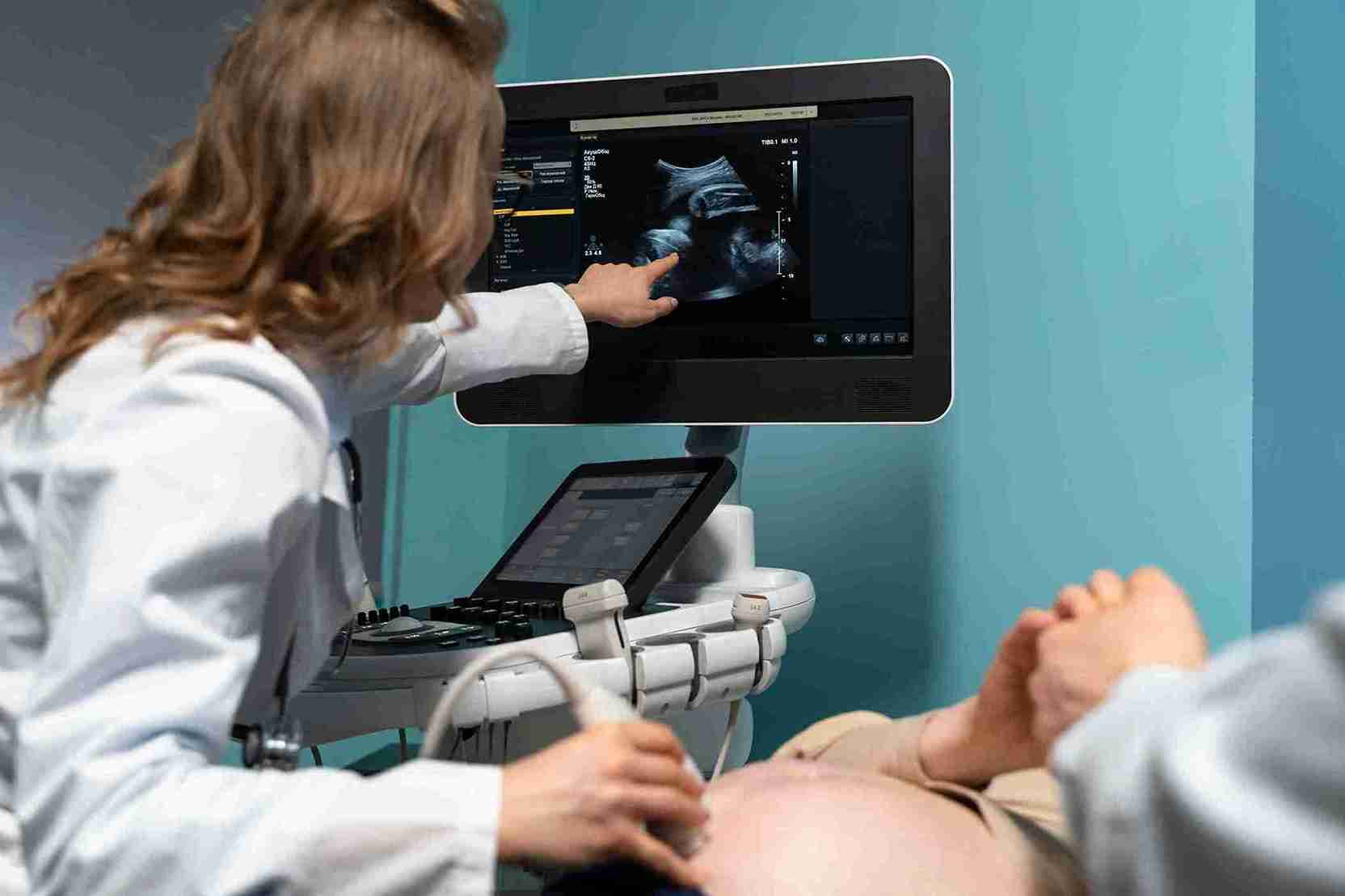
BPD is measured during a routine 2D ultrasound. The sonographer takes a cross-sectional view of the baby's head at the level of the thalami and cavum septi pellucidi-key anatomical landmarks.
Correct Form:

A BPD chart by week in cm helps in comparing your baby's measurement with the typical range for every week of gestation. Below is a general reference chart used in many clinical settings; minor differences between charts are normal.
(Average ranges in centimetres)
BPD chart by week in cm is particularly useful during growth scans, where consistency is more important than one reading.
A lower-than-anticipated BPD may suggest:
Higher values could be because of:
Doctors consider these findings in combination with abdominal circumference and femur length to decide on the need for further testing. Not all deviations on the BPD chart in pregnancy are a cause for concern, as many babies simply grow in their own, individual ways.
You should consult your doctor if:
Additional Scans Possible:
Cloudnine boasts a dedicated fetal imaging facility with highly experienced radiologists, high-resolution ultrasound technology, and sensitive prenatal care. Their specialists explain everything in detail to the parents, from BPD and head circumference to estimated fetal weight. With personalised counselling, timely follow-up, and attention to fetal wellbeing, Cloudnine helps families stay informed and confident at every stage of their pregnancy.

Biparietal Diameter is an important part of fetal growth assessment, enabling the determination of gestational age and providing a record of brain development. Variations in BPD are not infrequent and are usually harmless if other measures stay within the range. Instead of concentrating on the numbers, allow your doctor to interpret the trend over time. Regular checkups, expert guidance, and correct readings from the BPD chart in pregnancy will keep you informed and reassured throughout your pregnancy.

Normal ranges vary by week but generally follow values listed in the BPD chart by week in cm.
BPD increases steadily as the baby grows; it rarely “gets worse”—only deviates if growth is abnormal.
Most variations are normal. Significant deviations may need further evaluation with growth scans or Doppler studies.
You cannot control BPD directly, but maintaining good health, attending scans, and following medical advice ensures the optimum growth of the fetus.


 Best Gynecologists in Bellandur Best Gynecologists in Electronic City Best Gynecologists in HRBR LayoutBest Gynecologists in Jayanagar Best Gynecologists in Kanakapura RoadBest Gynecologists in Malleswaram Best Gynecologists in Nagarbhavi Best Gynecologists in Old Airport RoadBest Gynecologists in Sahakarnagar Best Gynecologists in Sarjapur RoadBest Gynecologists in ThanisandraBest Gynecologists in Varthur RoadBest Gynecologists in Whitefield Best Gynecologists in Industrial Area Phase IIBest Gynecologists in OMRBest Gynecologists in T NagarBest Gynecologists in New Industrial TownBest Gynecologists in IndirapuramBest Gynecologists in Golf Course RoadBest Gynecologists in Sector 14Best Gynecologists in Sector 47Best Gynecologists in Banjara HillsBest Gynecologists in GachibowliBest Gynecologists in Hitech CityBest Gynecologists in KompallyBest Gynecologists in Gomti NagarBest Gynecologists in MaladBest Gynecologists in NerulBest Gynecologists in VashiBest Gynecologists in Kailash ColonyBest Gynecologists in PatparganjBest Gynecologists in Punjabi BaghBest Gynecologists in VikaspuriBest Gynecologists in Gaur CityBest Gynecologists in Pari ChowkBest Gynecologists in Sector 51Best Gynecologists in Sector 5 Swastik ViharBest Gynecologists in Kalyani NagarBest Gynecologists in SB RoadBest Gynecologists in Pimple SaudagarBest Pediatricians in BellandurBest Pediatricians in Electronic CityBest Pediatricians in HRBR LayoutBest Pediatricians in JayanagarBest Pediatricians in Kanakapura RoadBest Pediatricians in MalleswaramBest Pediatricians in NagarbhaviBest Pediatricians in Old Airport RoadBest Pediatricians in SahakarnagarBest Pediatricians in Sarjapur RoadBest Pediatricians in ThanisandraBest Pediatricians in Varthur RoadBest Pediatricians in WhitefieldBest Pediatricians in Industrial Area Phase IIBest Pediatricians in OMRBest Pediatricians in T NagarBest Pediatricians in New Industrial TownshipBest Pediatricians in IndirapuramBest Pediatricians in Golf Course RoadBest Pediatricians in Sector 14Best Pediatricians in Sector 47Best Pediatricians in Hitech CityBest Pediatricians in Banjara HillsBest Pediatricians in GachibowliBest Pediatricians in KompallyBest Pediatricians in Gomti NagarBest Pediatricians in MaladBest Pediatricians in NerulBest Pediatricians in VashiBest Pediatricians in Kailash ColonyBest Pediatricians in PatparganjBest Pediatricians in Punjabi BaghBest Pediatricians in VikaspuriBest Pediatricians in Gaur CityBest Pediatricians in Pari ChowkBest Pediatricians in Sector 51Best Pediatricians in Sector 5 Swastik ViharBest Pediatricians in Kalyani NagarBest Pediatricians in SB RoadBest Pediatricians in Pimple Saudagar


