
There is no ideal menstrual product for everyone. It is a personal choice, based on the individual’s comfort, lifestyle, and health. Having said that, there are a lot of options available on the market today - from traditional pads and tampons to eco-friendly menstrual products. It is important to understand the unique features and differences between these products so you can choose what's best for you.

Sanitary pads have been the menstrual product of choice for generations. These are stuck to the underwear and absorb menstrual flow. The absorbency level varies so that you can choose based on your specific needs. Light panty liners can be used for white discharge or spotting, whereas the heavy pads may be used on days of excessive flow.
Why Choose Sanitary Pads:
Why Avoid Sanitary Pads:
Tampons are cylindrical absorbent products inserted into the vaginal canal to absorb menstrual flow during the cycle. It is easy to move around comfortably and is hence popular among athletes and swimmers.
Why Choose Tampons:
Why Avoid Tampons:
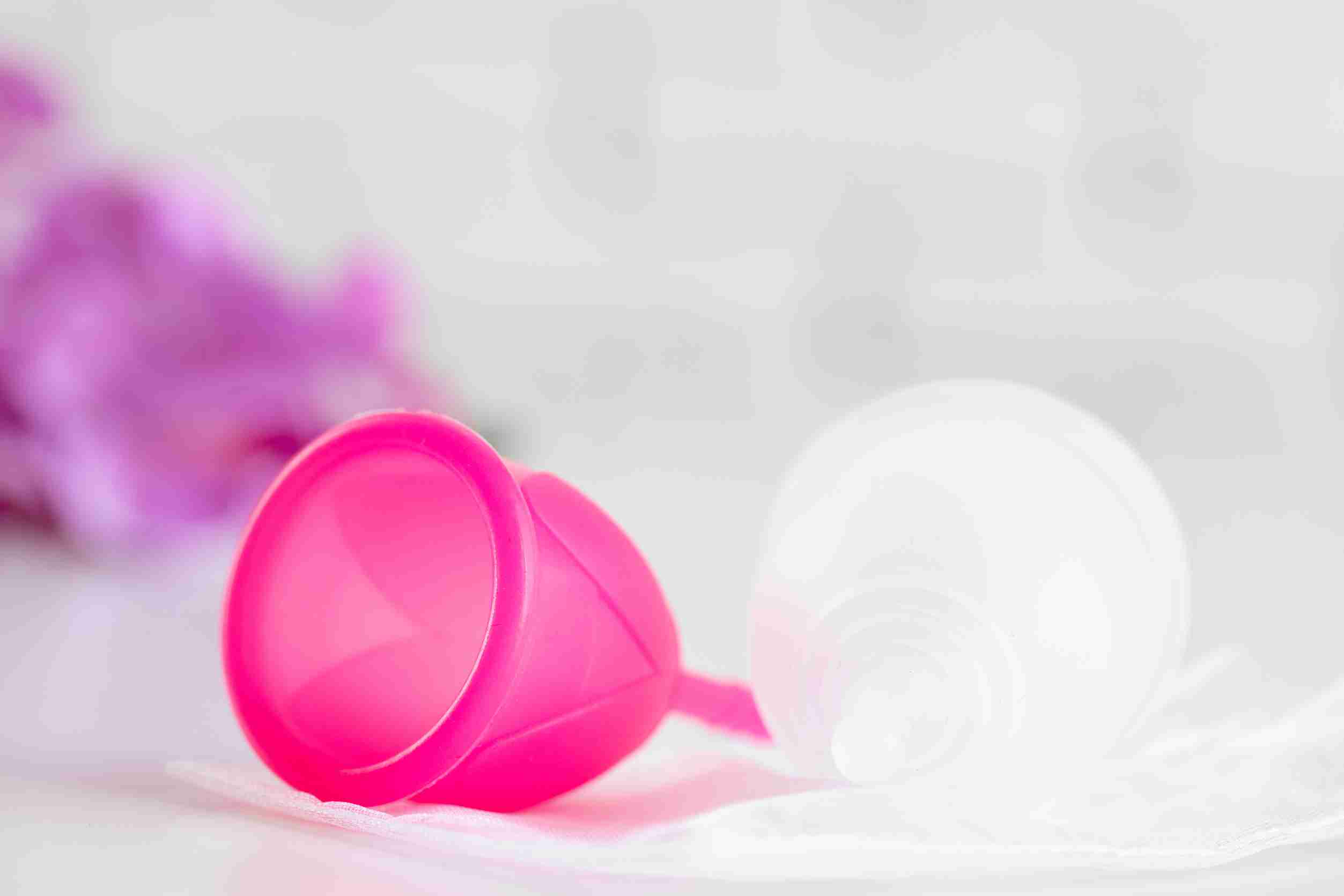
Menstrual cups have been a recent addition to menstrual care. These bell-shaped devices, typically made from medical-grade silicone, collect rather than absorb menstrual flow.
Why Choose Menstrual Cups:
Why Avoid Menstrual Cups:
Menstrual discs are similar to cups but are placed higher in the vaginal canal, literally at the base of the cervix. They are bowl-shaped.
Why Choose Menstrual Discs:
Why Avoid Menstrual Discs:
Period underwear is just regular underwear with some extra absorbent layers that can retain menstrual flow. These come in different thicknesses - the thinner ones are used on days of light flow, and the thicker ones on days of heavy flow. Brands usually mention the thickness and the period days the panties are best suited for.
Why Choose Period Underwear:
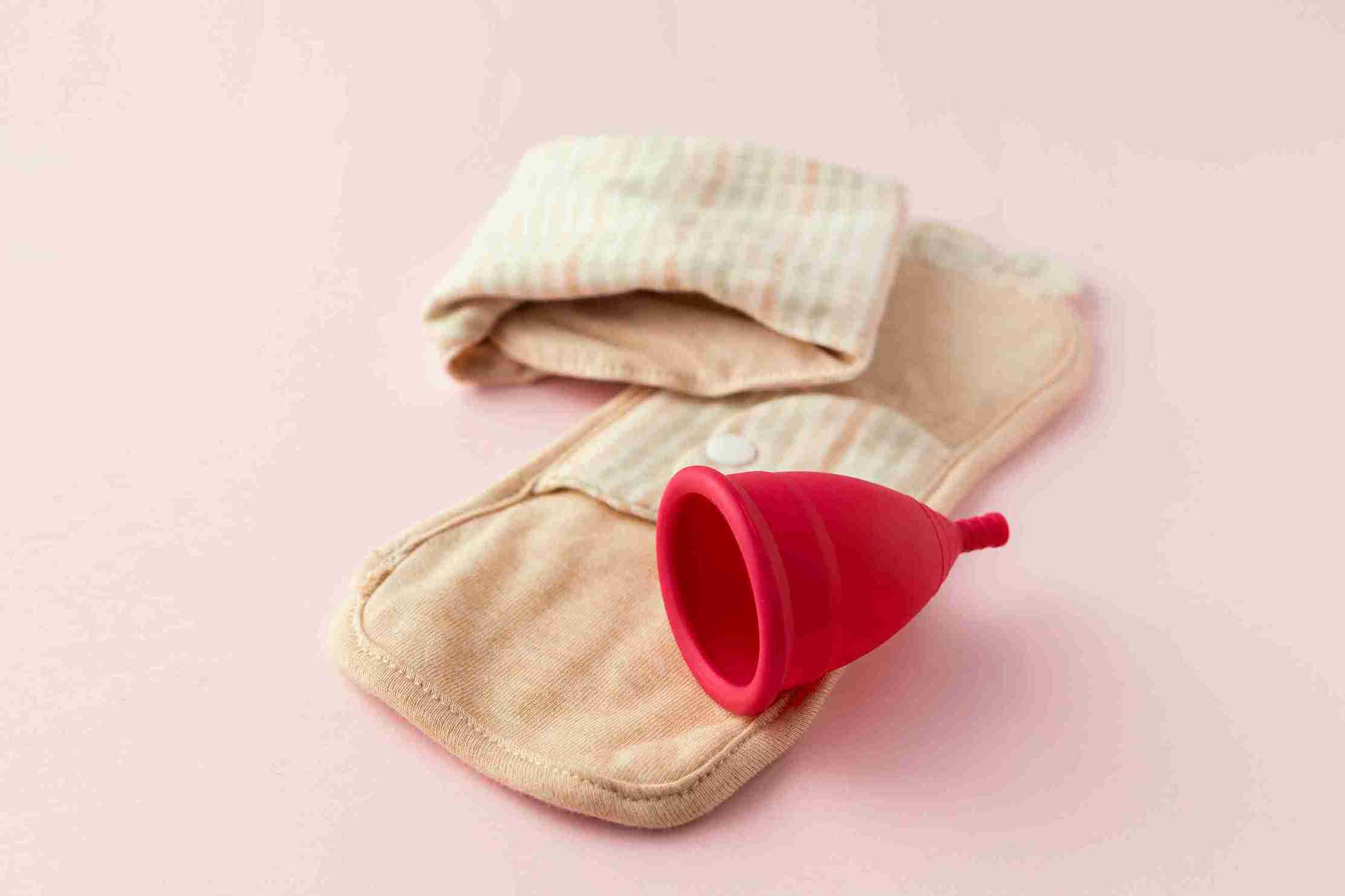
The environmental implications of menstrual products are significant. A person who menstruates disposes of approximately 10,000 pads or tampons over their lifetime, generating substantial landfill waste. Single-use menstrual products and their packaging are among the most commonly found items on beaches and in oceans.
Eco-friendly menstrual products offer a compelling alternative. Menstrual cups have an environmental impact of roughly 1.5% compared to disposable competitors due to reduced manufacturing and waste. Reusable pads and period underwear similarly reduce waste, though they require water for washing. Even choosing organic cotton tampons and pads without plastic components can significantly reduce environmental impact, as natural materials biodegrade much more quickly than synthetic fibres.
When selecting menstrual products, consider these factors:
Many people find success using different products at different times - cups during the day, pads at night or period underwear as backup. There's no one-size-fits-all solution, and what works best may change over time.
The world of menstrual products offers more choices than ever before, from traditional disposables to innovative tampon alternatives like cups and discs. Understanding the benefits and considerations of each empowers you to make informed decisions about your menstrual health. Whether you prioritise convenience, tampon safety, sustainability or cost-effectiveness, there's a product combination to suit your unique needs. Don't hesitate to experiment with different options to discover what works best for your body and lifestyle.


Menstrual discs have many advantages over tampons, like they can hold more blood, about 12 times more than tampons. They can be worn for up to 12 hours, whereas tampons need to be changed every 4-8 hours. Discs collect blood rather than absorb it, so they do not disrupt the vagina’s natural moisture.
You can, but you need to take a few precautions. Tampons can be worn overnight, but the total wear time should not exceed 8 hours. Pads are safer as overnight pads offer extra coverage, and you can wear them throughout the night. Menstrual cups and discs can be worn for 12 hours and hence can be used while sleeping.
Reusable menstrual products can be hygienic when properly maintained. Menstrual cups and discs need to be washed between uses and sterilised by boiling for 1-2 minutes after every cycle. Rinse period underwear and reusable pads in cold water first, then machine-wash them with a mild detergent.
The most eco-friendly menstrual products are menstrual cups, followed by reusable pads or period underwear and organic cotton pads or tampons.







 Best Gynecologists in Bellandur Best Gynecologists in Electronic City Best Gynecologists in HRBR LayoutBest Gynecologists in Jayanagar Best Gynecologists in Kanakapura RoadBest Gynecologists in Malleswaram Best Gynecologists in Nagarbhavi Best Gynecologists in Old Airport RoadBest Gynecologists in Sahakarnagar Best Gynecologists in Sarjapur RoadBest Gynecologists in ThanisandraBest Gynecologists in Varthur RoadBest Gynecologists in Whitefield Best Gynecologists in Industrial Area Phase IIBest Gynecologists in OMRBest Gynecologists in T NagarBest Gynecologists in New Industrial TownBest Gynecologists in IndirapuramBest Gynecologists in Golf Course RoadBest Gynecologists in Sector 14Best Gynecologists in Sector 47Best Gynecologists in Banjara HillsBest Gynecologists in GachibowliBest Gynecologists in Hitech CityBest Gynecologists in KompallyBest Gynecologists in Gomti NagarBest Gynecologists in MaladBest Gynecologists in NerulBest Gynecologists in VashiBest Gynecologists in Kailash ColonyBest Gynecologists in PatparganjBest Gynecologists in Punjabi BaghBest Gynecologists in VikaspuriBest Gynecologists in Gaur CityBest Gynecologists in Pari ChowkBest Gynecologists in Sector 51Best Gynecologists in Sector 5 Swastik ViharBest Gynecologists in Kalyani NagarBest Gynecologists in SB RoadBest Gynecologists in Pimple SaudagarBest Pediatricians in BellandurBest Pediatricians in Electronic CityBest Pediatricians in HRBR LayoutBest Pediatricians in JayanagarBest Pediatricians in Kanakapura RoadBest Pediatricians in MalleswaramBest Pediatricians in NagarbhaviBest Pediatricians in Old Airport RoadBest Pediatricians in SahakarnagarBest Pediatricians in Sarjapur RoadBest Pediatricians in ThanisandraBest Pediatricians in Varthur RoadBest Pediatricians in WhitefieldBest Pediatricians in Industrial Area Phase IIBest Pediatricians in OMRBest Pediatricians in T NagarBest Pediatricians in New Industrial TownshipBest Pediatricians in IndirapuramBest Pediatricians in Golf Course RoadBest Pediatricians in Sector 14Best Pediatricians in Sector 47Best Pediatricians in Hitech CityBest Pediatricians in Banjara HillsBest Pediatricians in GachibowliBest Pediatricians in KompallyBest Pediatricians in Gomti NagarBest Pediatricians in MaladBest Pediatricians in NerulBest Pediatricians in VashiBest Pediatricians in Kailash ColonyBest Pediatricians in PatparganjBest Pediatricians in Punjabi BaghBest Pediatricians in VikaspuriBest Pediatricians in Gaur CityBest Pediatricians in Pari ChowkBest Pediatricians in Sector 51Best Pediatricians in Sector 5 Swastik ViharBest Pediatricians in Kalyani NagarBest Pediatricians in SB RoadBest Pediatricians in Pimple Saudagar


