





Growing pains are a common complaint among children aged 3 to 12 years. While they may be harmless, they can be quite distressing since they usually occur at night and disrupt a child's sleep. Due to this, many parents often search for: How to relieve growing pains in legs at night? A clear understanding of the causes, symptoms, and relief methods will go a long way in managing growing pains in kids.

Growing pains are recurring pains or aching sensations, especially in the legs. Despite the name, these pains are not directly caused by bone growth. Instead, they have often been associated with simple overuse, muscle fatigue, or minor muscle strain during an active day. These generally occur in the evening or at night and are gone by morning without swelling, redness, or limitation of motion.
Although the exact cause of growing pains is not known, several factors may contribute:
● Overuse of Muscles: When children play and involve themselves in many sporting events, they may have tired muscles.
● Poor posture: Poor posture or incorrect positioning of the feet can put stress on the muscles and joints.
● Tight Muscles: Inflexibility in calf, thigh, and hamstring muscles can lead to pain
● Emotional Stress: Sometimes, psychological stress or anxiety can increase the pain episode.
Recognising the symptoms helps in distinguishing growing pains from other serious conditions:
● Pain in the legs, calves, thighs, or behind the knees
● Pain in the feet, although less common, is notable.
● It usually occurs in the evening or at night.
● There is no pain in the morning.
● No swelling, redness, or difficulty walking

Several strategies may help reduce the discomfort and improve sleep:
● Light Leg Massage: Many parents search for: how to relieve growing pains in feet? This can be done by massaging the calves, thighs, and feet to relax tense muscles.
● Stretching Exercises: Light stretching of calf muscles, hamstrings, and quadriceps reduces stiffness.
● Warm Compress or Warm Bath: Applying warmth soothes aching muscles.
● Proper Foot Support or Correct Shoes: Proper footwear minimises strain on feet and legs.
● Mild over-the-counter pain relievers: Paracetamol can help, but always after consulting a paediatrician.
● Hydration & Balanced Diet: Proper fluids and nutrition help in muscle recovery.
● Rest on Active Days: If your child is having a lot of painful episodes, reduce intense activity.
Generally, leg discomfort peaks at night and in bed. To comfort these pains:
● Give a gentle massage of the legs before bed.
● Apply a warm compress or run a warm bath.
● Encourage light stretching of calves and thighs.
● Make sure your child wears supportive socks or shoes if necessary.
Pain in the knees is particularly annoying; knowing how to relieve growing pains in knees can provide effective relief.
● Do quadriceps and hamstring stretches.
● Provide a gentle massage around the knee joint, avoiding the bones directly.
● Warm compress for soothing relief.
● Encourage low-impact activity to strengthen knee-supporting muscles.
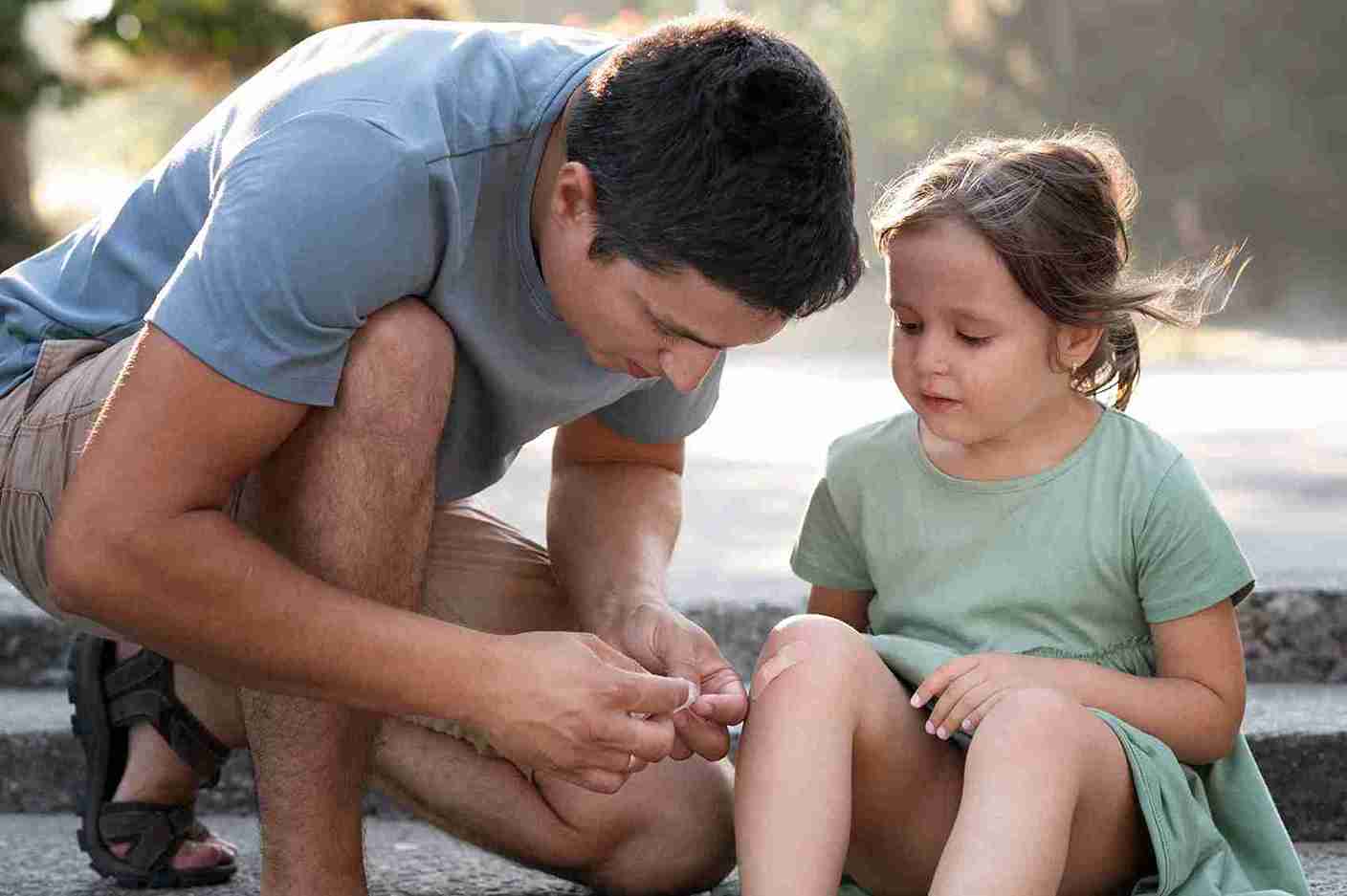
Foot pain is less common but can occur in active children; learning how to relieve growing pains in feet can help ease their discomfort.
● Light stretch to the foot arches and toes.
● Encourage rolling the foot over a soft ball to relax muscles.
● Wear proper footwear with good arch support.
● Take warm foot baths to reduce soreness.
Although growing pains are almost always harmless, consult your doctor if your child experiences:
● Persistent or severe pain
● Morning pain or pain that interferes with daily activities
● Swelling, redness, or limping
● Fever associated with limb pains
● Unilateral pain or previous trauma
Such early consultation rules out other conditions such as joint disorders, infections, or injuries.
To minimise the frequency of growing pains, parents can:
● Encourage wearing shoes that provide support
● Perform stretching every day
● Get enough sleep
● A good, all-rounded diet with plenty of calcium, vitamin D, and protein
Cloudnine is committed to all-around child care, giving the most detailed guidance on common complaints, such as growing pains. The paediatricians at Cloudnine suggest personalised observation and reassurance, and also give practical ways for managing pains in legs, knees, and feet. Parents may be given valuable suggestions on safe pain-relieving alternatives, posture correction, and nutrition. With its child-friendly ambience and preventive childcare, Cloudnine makes sure that children stay in comfort, while parents learn the best practices about healthy growth.

Growing pains are common in children and are usually transient, involving the legs and knees but sometimes the feet at night. Most episodes can be managed at home with soft massage, stretching, warm compresses, proper footwear, and proper nutrition. While reassurance is paramount, parents should also seek advice from a paediatrician if the pain is severe, persistent, or associated with other ominous symptoms. With awareness and practical strategies, growing pains can be ameliorated effectively to enable the child to have undisturbed rest and continue active play during the day.

Gentle massage, stretching, warm compresses, and proper rest relieve most nighttime leg growing pains.
Vitamin D maintains bone and muscle health and might decrease the occurrence or severity of growing pains.
Yes, they tend to peak in the evening or night, possibly due to muscle fatigue and lower levels of distraction.
No deficiency is directly responsible for growing pains, although deficiencies in vitamin D, calcium, or magnesium can worsen muscle cramping.


 Best Gynecologists in Bellandur Best Gynecologists in Electronic City Best Gynecologists in HRBR LayoutBest Gynecologists in Jayanagar Best Gynecologists in Kanakapura RoadBest Gynecologists in Malleswaram Best Gynecologists in Nagarbhavi Best Gynecologists in Old Airport RoadBest Gynecologists in Sahakarnagar Best Gynecologists in Sarjapur RoadBest Gynecologists in ThanisandraBest Gynecologists in Varthur RoadBest Gynecologists in Whitefield Best Gynecologists in Industrial Area Phase IIBest Gynecologists in OMRBest Gynecologists in T NagarBest Gynecologists in New Industrial TownBest Gynecologists in IndirapuramBest Gynecologists in Golf Course RoadBest Gynecologists in Sector 14Best Gynecologists in Sector 47Best Gynecologists in Banjara HillsBest Gynecologists in GachibowliBest Gynecologists in Hitech CityBest Gynecologists in KompallyBest Gynecologists in Gomti NagarBest Gynecologists in MaladBest Gynecologists in NerulBest Gynecologists in VashiBest Gynecologists in Kailash ColonyBest Gynecologists in PatparganjBest Gynecologists in Punjabi BaghBest Gynecologists in VikaspuriBest Gynecologists in Gaur CityBest Gynecologists in Pari ChowkBest Gynecologists in Sector 51Best Gynecologists in Sector 5 Swastik ViharBest Gynecologists in Kalyani NagarBest Gynecologists in SB RoadBest Gynecologists in Pimple SaudagarBest Pediatricians in BellandurBest Pediatricians in Electronic CityBest Pediatricians in HRBR LayoutBest Pediatricians in JayanagarBest Pediatricians in Kanakapura RoadBest Pediatricians in MalleswaramBest Pediatricians in NagarbhaviBest Pediatricians in Old Airport RoadBest Pediatricians in SahakarnagarBest Pediatricians in Sarjapur RoadBest Pediatricians in ThanisandraBest Pediatricians in Varthur RoadBest Pediatricians in WhitefieldBest Pediatricians in Industrial Area Phase IIBest Pediatricians in OMRBest Pediatricians in T NagarBest Pediatricians in New Industrial TownshipBest Pediatricians in IndirapuramBest Pediatricians in Golf Course RoadBest Pediatricians in Sector 14Best Pediatricians in Sector 47Best Pediatricians in Hitech CityBest Pediatricians in Banjara HillsBest Pediatricians in GachibowliBest Pediatricians in KompallyBest Pediatricians in Gomti NagarBest Pediatricians in MaladBest Pediatricians in NerulBest Pediatricians in VashiBest Pediatricians in Kailash ColonyBest Pediatricians in PatparganjBest Pediatricians in Punjabi BaghBest Pediatricians in VikaspuriBest Pediatricians in Gaur CityBest Pediatricians in Pari ChowkBest Pediatricians in Sector 51Best Pediatricians in Sector 5 Swastik ViharBest Pediatricians in Kalyani NagarBest Pediatricians in SB RoadBest Pediatricians in Pimple Saudagar


