





Pregnancy is a time to be especially careful, as the immune system is less effective and many infections can reach the fetus and cause harm. UTIs are very common during pregnancy and can be treated safely before they can impact the baby or the pregnancy. Do you think you may have a UTI during pregnancy? Here is everything you need to know.
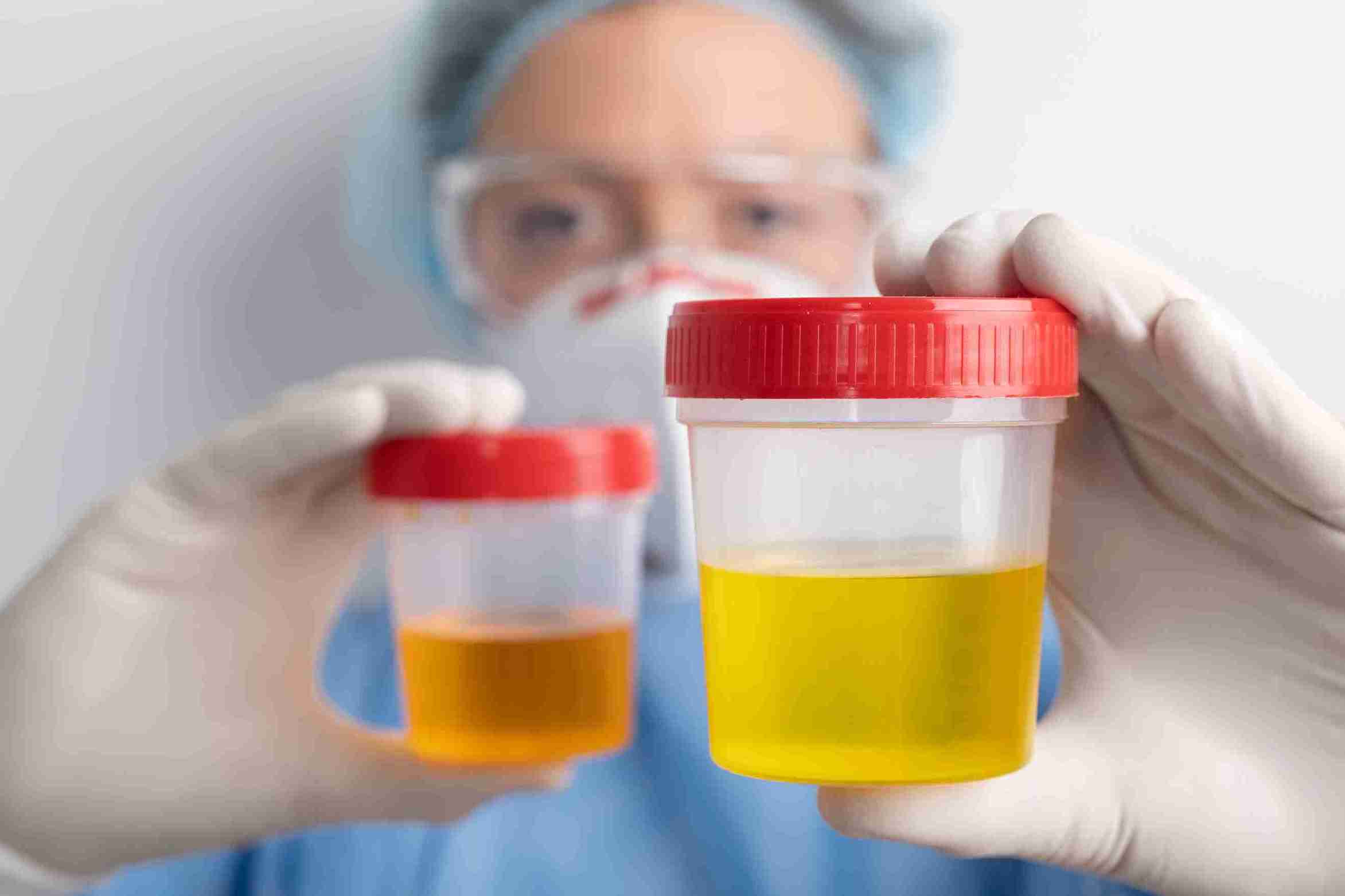
UTI, Urinary Tract Infection, refers to infections in the urinary system that include the urethra, bladder, ureters and kidneys.
The urinary system’s function is to remove waste from the body through urination. The UTI-causing bacteria are not present in the urine itself but outside the body or in the gut. When they enter the urinary system, they cause UTIs.
While some UTIs may not be serious and can settle down on their own with just an increase in hydration and urination frequency, some require medical intervention, or they can lead to serious complications.
Urinary Tract Infections are quite common during pregnancy. This is because the immune system is intentionally weakened to prevent it from attacking the baby, which can be recognised as a foreign intruder. When the immune system is weakened, it is more prone to infections, thus increasing the risk of UTIs during pregnancy.
Hormonal changes and increased pressure on the bladder from the growing uterus alter the composition of urine. Many pregnant women struggle to empty their bladder fully, especially in the later stages of pregnancy. The increase in urinary sugar and protein content, when retained in the body, provides an ideal environment for bacterial growth, thereby increasing the risk of UTIs during pregnancy.
UTIs in pregnancy, though very common, can be dangerous in the following ways –
● Preterm Delivery – UTIs can trigger uterine contractions and lead to preterm delivery. Preterm delivery is when the delivery happens before the baby completes 37 weeks in the womb.
● Low Birth Weight – UTIs can hinder fetal development and result in low birth weight. If the baby is born early – before 37 weeks, the risk of low birth weight is higher. It can also lead to other neonatal issues.
● Preeclampsia – Preeclampsia is very high blood pressure in the mother. When UTIs are not treated, they can increase blood pressure, and regular blood pressure medications may be ineffective as the infection is the underlying cause for the high BP.
● Kidney Infection – UTIs, if not diagnosed and treated in time, can spread through the body. They can lead to kidney infections and affect one or both kidneys. If the infection reaches the kidneys, prompt treatment is necessary; it may affect the pregnancy and the baby.
● Sepsis – When the infection enters the bloodstream, after being left untreated for too long, it can lead to serious complications like organ damage or failure. It can affect both the mother and the baby.

● Pain or a burning sensation when urinating
● Bloody urine
● Cloudy urine
● Strong-smelling urine
● Urine leakage or incontinence
● Frequent urge to urinate
● Unable to empty the bladder fully, requiring you to visit the toilet frequently
● Pain during sex
● Fevers or chills – This happens when the infection has started spreading to the kidneys and is affecting the rest of the body
● Confusion - Changes in mental state indicate the infection is spreading and the body is struggling to fight it. This requires immediate medical attention.
● Vomiting - This happens when the infection has reached one or both kidneys.
● Sides start aching – When the kidneys are infected, it can cause pain in the sides or back.
If you notice any of the above signs during pregnancy, let your physician know immediately. Remember, your immunity is low during pregnancy, making it harder for the body to fight such infections effectively on its own.
The different types of UTIs during pregnancy you need to be aware of –
● Asymptomatic bacteriuria (ASB) – Usually caused by a bacterium existing even before conception. It presents with no symptoms, and most physicians screen for ASB with a routine urine test at the first prenatal appointment.
● Urethritis – Infection in the urethra, the tube that carries urine out of the body.
● Cystitis – Infection in the bladder.
● Pyelonephritis – The infection moves from the bladder to the kidneys and is more serious than lower UTIs.
So, can you prevent UTI during pregnancy? Yes, you can do the following to reduce the risk of a UTI –
● Drink plenty of fluids throughout the day. You need to drink more water during pregnancy.
● Urinate frequently and try to empty your bladder.
● Do not control or hold your urine for too long.
● Keep your genital area clean and follow proper hygiene – wipe from front to back, and avoid using dirty toilets.
● Wear cotton underwear and avoid tight underwear or pantyhose for prolonged periods.
● Do not soak in a hot tub for long, and avoid using harsh soaps or intimate washes with added fragrances.
● Take supplements to prevent UTIs if you are at risk. Take only doctor-prescribed medications.

UTIs during pregnancy are not rare but can be completely avoided with a little care and precaution. Following hygienic practices and avoiding certain things can reduce your risk of UTIs during pregnancy to a great extent. If you develop an infection, ensure you get it checked and treated by your gynaecologist and avoid self-medication. Do not try using any home remedies or harsh chemicals, as they may cause more damage than good.

The symptoms for UTIs are the same whether pregnant or not. Some common symptoms to watch out for are pain or irritation during urination, pain during or after sexual intercourse, cloudy and smelly urine, bloody urine, need to urinate frequently, inability to empty the bladder fully, or pain on the side of the body or the back.
Yes, a UTI, when not treated in time, can cause inflammation and lead to complications like preterm labour or low birth weight. Early screening and prompt treatment can help prevent such complications.
Apart from increasing the risk of preterm labour, UTI during pregnancy can cause high blood pressure in the mother, low birth weight in the baby, kidney infection or sepsis in the mother, or even meningitis or sepsis in the baby.
All doctors perform routine blood and urine tests during the first prenatal check-up. These tests will check for various infections, including UTIs. If you develop any symptoms during pregnancy, your physician will request a urine analysis and blood test to diagnose UTIs.


 Best Gynecologists in Bellandur Best Gynecologists in Electronic City Best Gynecologists in HRBR LayoutBest Gynecologists in Jayanagar Best Gynecologists in Kanakapura RoadBest Gynecologists in Malleswaram Best Gynecologists in Nagarbhavi Best Gynecologists in Old Airport RoadBest Gynecologists in Sahakarnagar Best Gynecologists in Sarjapur RoadBest Gynecologists in ThanisandraBest Gynecologists in Varthur RoadBest Gynecologists in Whitefield Best Gynecologists in Industrial Area Phase IIBest Gynecologists in OMRBest Gynecologists in T NagarBest Gynecologists in New Industrial TownBest Gynecologists in IndirapuramBest Gynecologists in Golf Course RoadBest Gynecologists in Sector 14Best Gynecologists in Sector 47Best Gynecologists in Banjara HillsBest Gynecologists in GachibowliBest Gynecologists in Hitech CityBest Gynecologists in KompallyBest Gynecologists in Gomti NagarBest Gynecologists in MaladBest Gynecologists in NerulBest Gynecologists in VashiBest Gynecologists in Kailash ColonyBest Gynecologists in PatparganjBest Gynecologists in Punjabi BaghBest Gynecologists in VikaspuriBest Gynecologists in Gaur CityBest Gynecologists in Pari ChowkBest Gynecologists in Sector 51Best Gynecologists in Sector 5 Swastik ViharBest Gynecologists in Kalyani NagarBest Gynecologists in SB RoadBest Gynecologists in Pimple SaudagarBest Pediatricians in BellandurBest Pediatricians in Electronic CityBest Pediatricians in HRBR LayoutBest Pediatricians in JayanagarBest Pediatricians in Kanakapura RoadBest Pediatricians in MalleswaramBest Pediatricians in NagarbhaviBest Pediatricians in Old Airport RoadBest Pediatricians in SahakarnagarBest Pediatricians in Sarjapur RoadBest Pediatricians in ThanisandraBest Pediatricians in Varthur RoadBest Pediatricians in WhitefieldBest Pediatricians in Industrial Area Phase IIBest Pediatricians in OMRBest Pediatricians in T NagarBest Pediatricians in New Industrial TownshipBest Pediatricians in IndirapuramBest Pediatricians in Golf Course RoadBest Pediatricians in Sector 14Best Pediatricians in Sector 47Best Pediatricians in Hitech CityBest Pediatricians in Banjara HillsBest Pediatricians in GachibowliBest Pediatricians in KompallyBest Pediatricians in Gomti NagarBest Pediatricians in MaladBest Pediatricians in NerulBest Pediatricians in VashiBest Pediatricians in Kailash ColonyBest Pediatricians in PatparganjBest Pediatricians in Punjabi BaghBest Pediatricians in VikaspuriBest Pediatricians in Gaur CityBest Pediatricians in Pari ChowkBest Pediatricians in Sector 51Best Pediatricians in Sector 5 Swastik ViharBest Pediatricians in Kalyani NagarBest Pediatricians in SB RoadBest Pediatricians in Pimple Saudagar


