
Oral health often changes during pregnancy due to hormonal shifts that affect the gums and teeth. Among the most common things that happen to women at this time is pregnancy gingivitis. Affecting a large number of expectant mothers, this gum inflammation can cause serious concerns for teeth if left untreated at its onset.
Understanding gingivitis during pregnancy, its causes, symptoms, and prevention strategies can help protect both maternal oral health and overall well-being.
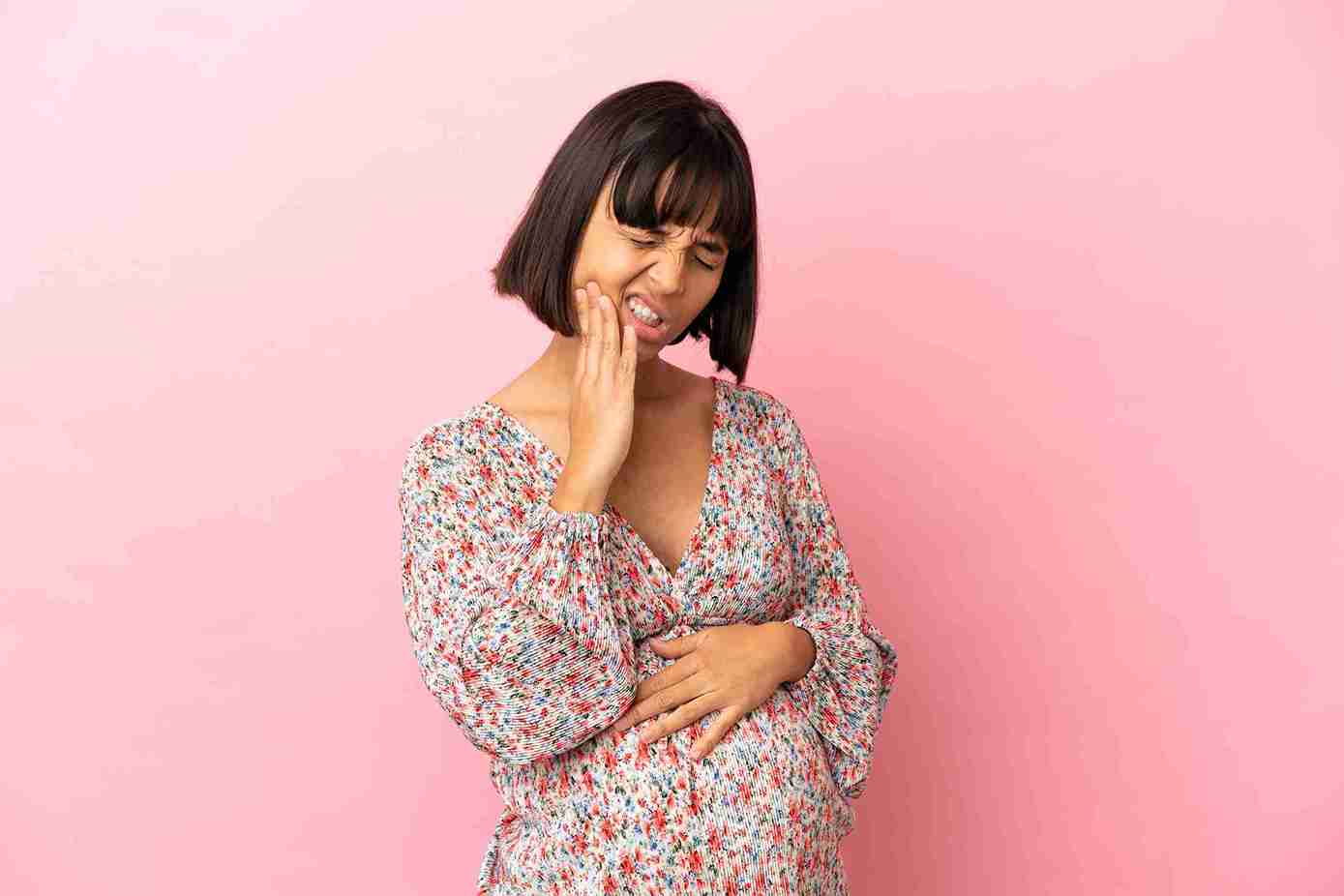
Pregnancy gingivitis is a condition in which the gum tissues become red, swollen, and prone to bleeding as a result of changes in hormone levels, which happen in pregnant women. Pregnancy gingivitis is a type of gingivitis that occurs in pregnant women during the early and middle stages of pregnancy.
In contrast to regular gingivitis, which can be attributed largely to poor oral health practices, gingivitis during pregnancy is greatly influenced by high levels of progesterone and estrogen hormones in the body. This increases their sensitivity to plaque bacteria despite good oral hygiene practices.
If you are looking to find answers for questions like: when does pregnancy gingivitis starts
Normally, the symptoms start to appear, especially in the second trimester, between the fourth and sixth months of the pregnancy.
The hormonal fluctuations also cause an increase in gum tissue vascularity, and this makes them more sensitive and receptive to inflammation. But for others, the changes may occur earlier, mostly when there are existing gum problems.
Understanding when pregnancy gingivitis starts can help in early prevention and management.
Pregnancy Phase & Gum Changes
The gums may feel sensitive, and mild bleeding may occur.
Inflammation, redness, swelling, and bleeding can become more prominent.
The symptoms may persist and/or stabilise depending on oral and dental hygiene.
Awareness of this timeline is important in pregnancy gingivitis prevention and its severity restrictions.
Pregnancy gingivitis symptoms can differ from one individual to another. Some pregnant women may only feel discomfort, while others may notice changes in their gum appearance.
Symptoms include:
● Red, swollen, or puffy gums
● Bleeding during brushing and flossing
● Gum tenderness or soreness
● Shiny or smooth-looking gum tissue
There are a number of reasons for pregnancy gingivitis; the most notable is the hormonal shift during pregnancy.
Key Causes Include:
● Changes in hormones: Estrogens and Progesterone increase gum sensitivity to plaque bacteria
● Increased blood flow: Swelling and soreness due to increased circulation in the gums.
● Plaque buildup: Hormonal influences impact the immune system, leading to inflammation
● Poor oral hygiene: Poor brushing and flossing result in plaque build-up
● Pre-existing gum disease: A pre-existing condition of the gums, such as gingivitis, can lead to flare-ups
Understanding these causes helps guide effective preventive measures.
A diagnosis of pregnancy gingivitis is easily made with a routine dental examination.
Dentists will examine teeth to see if:
● Redness, Swelling, and Bleeding of the Gums
● Plaque and tartar buildup
● Gum inflammation
Dental X-rays are generally avoided during pregnancy unless there is suspicion of deeper gum or bone involvement.

Early oral care can also alleviate symptoms. Home remedies include the following:
● Twice daily brushing with a toothbrush having soft bristles
● Flossing every day to remove plaque between teeth
● Salt Water Rinses to minimise bacteria and relieve swollen gums
● Consuming alcohol-free, pregnancy-safe mouth
● Restricting sugary and acidic foods that promote bacterial overgrowth
These are the first steps for treating pregnancy gingivitis at home.
Dentists can provide treatment during pregnancy.
Professional treatment options:
● Regular dental cleanings in order to remove plaque and tartar
● Scaling and root planing in moderate to severe Inflammation
● Pregnancy-safe medicines, including antibiotics, if there is an infection
Treatment will be prescribed by the dentist depending on how severe the symptoms are.
It is easier to prevent gum inflammation than to confront gingivitis symptoms. Here is a checklist of steps to avoid pregnancy gingivitis:
● Brush at least two times each day using a soft-bristle toothbrush
● Use floss every day with care
● Use a pregnancy-safe mouth rinse
● Regular visits to the dentist
● Eat healthy, nutritious food
● Rinse your mouth after vomiting in cases of morning sickness
Taking care of one’s oral health through daily habits is very important, especially during pregnancy.
If any of the following symptoms appear, you should seek dental care:
● Excessive gum bleeding
● Gum recession or loosening of teeth
● Deep gum pockets
● Fever, pain, or pus near the gums
Early treatment will prevent complications and stabilise gum disease during pregnancy.
Cloudnine offers a holistic, mother-centric approach to managing pregnancy-related health concerns, including oral health conditions such as pregnancy gingivitis. With a great emphasis placed upon preventive care, Cloudnine ensures that expectant mothers receive timely care through coordinated obstetric and dental support.
Additionally, Cloudnine empowers expectant mothers through patient education, and personalised treatment plans help address gum health issues safely during pregnancy.
Cloudnine has always been the choice for women because of the quality, commitment, high safety standards, and the continual learning and support they receive throughout.

Pregnancy gingivitis is a common condition stimulated essentially by hormonal changes that can be managed very effectively with early knowledge and sound treatment. Understanding when pregnancy gingivitis starts, recognising its symptoms, and following consistent oral hygiene and dental guidance can help prevent complications.

Gingivitis is an inflammation. Brushing, flossing, saltwater rinses, or professional dental cleaning are the best ways to treat it.
It mostly occurs during the second trimester, although in some women, the onset of the condition could be earlier.
Treatment involves oral hygiene practices, expectant mothers using mouthwashes, dental care, and dental supervision.
If untreated, it may progress to periodontitis, increasing the risk of gum damage and tooth loss.







 Best Gynecologists in Bellandur Best Gynecologists in Electronic City Best Gynecologists in HRBR LayoutBest Gynecologists in Jayanagar Best Gynecologists in Kanakapura RoadBest Gynecologists in Malleswaram Best Gynecologists in Nagarbhavi Best Gynecologists in Old Airport RoadBest Gynecologists in Sahakarnagar Best Gynecologists in Sarjapur RoadBest Gynecologists in ThanisandraBest Gynecologists in Varthur RoadBest Gynecologists in Whitefield Best Gynecologists in Industrial Area Phase IIBest Gynecologists in OMRBest Gynecologists in T NagarBest Gynecologists in New Industrial TownBest Gynecologists in IndirapuramBest Gynecologists in Golf Course RoadBest Gynecologists in Sector 14Best Gynecologists in Sector 47Best Gynecologists in Banjara HillsBest Gynecologists in GachibowliBest Gynecologists in Hitech CityBest Gynecologists in KompallyBest Gynecologists in Gomti NagarBest Gynecologists in Phase 3, Sector 58Best Gynecologists in MaladBest Gynecologists in NerulBest Gynecologists in VashiBest Gynecologists in Kailash ColonyBest Gynecologists in PatparganjBest Gynecologists in Punjabi BaghBest Gynecologists in VikaspuriBest Gynecologists in Gaur CityBest Gynecologists in Pari ChowkBest Gynecologists in Sector 51Best Gynecologists in Sector 5 Swastik ViharBest Gynecologists in Kalyani NagarBest Gynecologists in SB RoadBest Gynecologists in Pimple SaudagarBest Pediatricians in BellandurBest Pediatricians in Electronic CityBest Pediatricians in HRBR LayoutBest Pediatricians in JayanagarBest Pediatricians in Kanakapura RoadBest Pediatricians in MalleswaramBest Pediatricians in NagarbhaviBest Pediatricians in Old Airport RoadBest Pediatricians in SahakarnagarBest Pediatricians in Sarjapur RoadBest Pediatricians in ThanisandraBest Pediatricians in Varthur RoadBest Pediatricians in WhitefieldBest Pediatricians in Industrial Area Phase IIBest Pediatricians in OMRBest Pediatricians in T NagarBest Pediatricians in New Industrial TownshipBest Pediatricians in IndirapuramBest Pediatricians in Golf Course RoadBest Pediatricians in Sector 14Best Pediatricians in Sector 47Best Pediatricians in Hitech CityBest Pediatricians in Banjara HillsBest Pediatricians in GachibowliBest Pediatricians in KompallyBest Pediatricians in Gomti NagarBest Pediatricians in Phase 3, Sector 58Best Pediatricians in MaladBest Pediatricians in NerulBest Pediatricians in VashiBest Pediatricians in Kailash ColonyBest Pediatricians in PatparganjBest Pediatricians in Punjabi BaghBest Pediatricians in VikaspuriBest Pediatricians in Gaur CityBest Pediatricians in Pari ChowkBest Pediatricians in Sector 51Best Pediatricians in Sector 5 Swastik ViharBest Pediatricians in Kalyani NagarBest Pediatricians in SB RoadBest Pediatricians in Pimple Saudagar


