
For many women, period cramps don’t stop when the day ends. In fact, the pain often feels worse at night, making it difficult to fall asleep or stay asleep. Tossing and turning, waking up to aching lower abdominal or back pain, will leave you exhausted the following morning. Simple adjustments, especially in your sleeping position, along with a few bedtime habits, can make all the difference. Knowing how your body reacts during menstruation, with the best position to ease period cramps can help you find comfort and prevent interrupted sleep.

Period cramps can be perceived as more painful at night for many reasons:
Combined, these might make night-time cramps sharper in contrast to merely discomfort felt during the day.
Your sleeping position is really important when considering how your body deals with menstrual pain. Bad spinal positioning or too much pressure on the pelvis may increase tension in muscles, giving rise to uterine discomfort.
While sleeping, period pain relief positions can relax abdominal muscles, reduce lower back strain, and improve circulation, helping cramps ease naturally.

Sleeping on your side with your knees gently drawn toward your chest is generally considered the best position to ease period cramps.
Why it helps:
Hints:
This posture targets the alignment of the spine and is particularly very useful in cases where cramps are accompanied by pain in the back.
Advantages:
This is often considered the best sleeping position for back pain during a period, especially in instances when one has dull, aching pain with cramps.
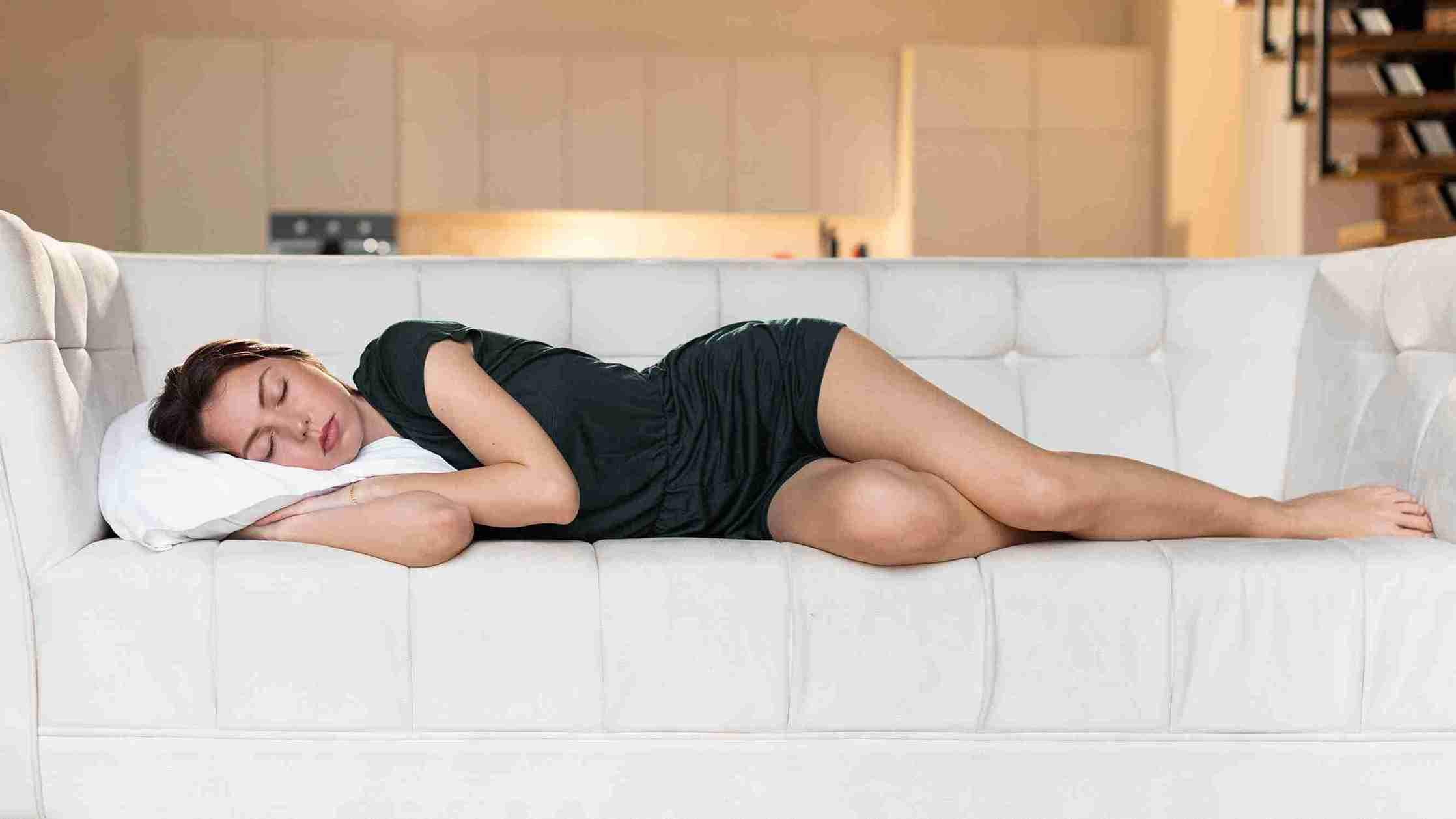
If side sleeping is not an option, then sleeping on your back with a pillow between your knees can be beneficial.
How it works:
Who should avoid it:
Severe cases of bloating or lower back curvature would make this positioning very uncomfortable for the person.
There are some positions that need to be avoided that can worsen back pain. This includes:
This overview of sleep period pain relief positions can help you find what works best for your body.

Sleeping positions can also be made effective when practised along with other relaxing sleep practices:
Prior to sleeping, using a heating pad on the lower abdomen and back assists in relaxing the uterine muscles as well as increasing blood flow.
Stretches such as light hip, lower back, or stomach stretching can loosen up the muscles to prepare the body to rest.
A warm shower before sleeping can relax the muscles and calm the nervous system.
Drink enough water to combat bloating. Add foods high in magnesium, such as nuts, seeds, or spinach. Avoid heavy, salty, or spicy foods close to bedtime.
Caffeine can increase muscle tension and disrupt sleep, making cramps feel worse.
Having a nightly routine can work wonders for you.

Noticing occasional sleep disruptions during menstruation is a common finding. However, if period-related cramping consistently disrupts your sleep and leaves you feeling unrefreshed, you should consider consulting a physician. Pain during nighttime in some cases may be related to conditions such as endometriosis, fibroids, and hormonal imbalances. In severe instances, it is advised to get it checked by a physician.
Cloudnine is recognised for its holistic and patient-friendly approach to women’s healthcare. With skilled gynaecologists, state-of-the-art facilities for diagnosis, and individualised approaches to patient care, the primary focus of Cloudnine is to understand the underlying reason for the symptoms associated with menstruation rather than just treating the symptoms.
Cloudnine educates and empowers women to take control of their reproductive journey.
Period cramps can be eased once you develop an understanding of why you feel pain at night and take simple steps to alleviate the pain by sleeping in a position that can reduce this pain. You can alleviate this pain in your sleep by adopting healthy practices and sleeping positions. If the pain in your periods affects your sleep patterns, consulting a medical expert can help you ensure that your menstrual health is on track.


Use support during sleep positions, utilise heat therapy, and remain hydrated. Stretching exercises should also be conducted prior to sleeping.
Sleeping on one's side in a relaxed position with the body in a fetal position is often the most effective way.
Period pains often feel worse at night because there are fewer distractions, making the body more aware of pain. Hormonal fluctuations and certain sleeping positions can also increase pressure on the abdomen and lower back, intensifying discomfort.
There isn’t a position that will completely eliminate the pain, but sleeping on your side with a supporting pillow will go a long way.







 Best Gynecologists in Bellandur Best Gynecologists in Electronic City Best Gynecologists in HRBR LayoutBest Gynecologists in Jayanagar Best Gynecologists in Kanakapura RoadBest Gynecologists in Malleswaram Best Gynecologists in Nagarbhavi Best Gynecologists in Old Airport RoadBest Gynecologists in Sahakarnagar Best Gynecologists in Sarjapur RoadBest Gynecologists in ThanisandraBest Gynecologists in Varthur RoadBest Gynecologists in Whitefield Best Gynecologists in Industrial Area Phase IIBest Gynecologists in OMRBest Gynecologists in T NagarBest Gynecologists in New Industrial TownBest Gynecologists in IndirapuramBest Gynecologists in Golf Course RoadBest Gynecologists in Sector 14Best Gynecologists in Sector 47Best Gynecologists in Banjara HillsBest Gynecologists in GachibowliBest Gynecologists in Hitech CityBest Gynecologists in KompallyBest Gynecologists in Gomti NagarBest Gynecologists in Phase 3, Sector 58Best Gynecologists in MaladBest Gynecologists in NerulBest Gynecologists in VashiBest Gynecologists in Kailash ColonyBest Gynecologists in PatparganjBest Gynecologists in Punjabi BaghBest Gynecologists in VikaspuriBest Gynecologists in Gaur CityBest Gynecologists in Pari ChowkBest Gynecologists in Sector 51Best Gynecologists in Sector 5 Swastik ViharBest Gynecologists in Kalyani NagarBest Gynecologists in SB RoadBest Gynecologists in Pimple SaudagarBest Pediatricians in BellandurBest Pediatricians in Electronic CityBest Pediatricians in HRBR LayoutBest Pediatricians in JayanagarBest Pediatricians in Kanakapura RoadBest Pediatricians in MalleswaramBest Pediatricians in NagarbhaviBest Pediatricians in Old Airport RoadBest Pediatricians in SahakarnagarBest Pediatricians in Sarjapur RoadBest Pediatricians in ThanisandraBest Pediatricians in Varthur RoadBest Pediatricians in WhitefieldBest Pediatricians in Industrial Area Phase IIBest Pediatricians in OMRBest Pediatricians in T NagarBest Pediatricians in New Industrial TownshipBest Pediatricians in IndirapuramBest Pediatricians in Golf Course RoadBest Pediatricians in Sector 14Best Pediatricians in Sector 47Best Pediatricians in Hitech CityBest Pediatricians in Banjara HillsBest Pediatricians in GachibowliBest Pediatricians in KompallyBest Pediatricians in Gomti NagarBest Pediatricians in Phase 3, Sector 58Best Pediatricians in MaladBest Pediatricians in NerulBest Pediatricians in VashiBest Pediatricians in Kailash ColonyBest Pediatricians in PatparganjBest Pediatricians in Punjabi BaghBest Pediatricians in VikaspuriBest Pediatricians in Gaur CityBest Pediatricians in Pari ChowkBest Pediatricians in Sector 51Best Pediatricians in Sector 5 Swastik ViharBest Pediatricians in Kalyani NagarBest Pediatricians in SB RoadBest Pediatricians in Pimple Saudagar


