
The placenta plays a vital role in pregnancy, acting as the lifeline between the mother and the developing baby. It provides oxygen and removes waste products, supporting growth throughout the pregnancy. Placenta position remains one area where most people remain confused. While placenta position can matter in certain situations, it does not always affect pregnancy outcomes. This article defines posterior placenta in pregnancy, clearing common misconceptions and presenting important facts every expectant woman should know.

For better comprehension of pregnancy scan results, it is essential to understand what posterior placenta means. A posterior placenta is attached to the back wall of the uterus, closer to the mother’s spine. This condition is often diagnosed during ultrasound scans. It is mostly detected during pregnancies in the first or second trimester.
It is also regarded as a normal variation. Many healthy pregnancies progress smoothly with a posterior placenta, and in most cases, it does not interfere with fetal development or delivery.
The posterior high placenta means the placenta is attached high up on the back wall of the uterus. “High” simply refers to its position away from the cervix, toward the top of the uterus.
A posterior high placenta is generally considered reassuring. As the uterus enlarges during pregnancy, it may seem as if the placenta has moved to a higher position. A posterior placenta being in a high position does not usually indicate any concern.
This is different from a low-lying placenta or placenta praevia, where the placenta is close to or covering the cervix and may require closer monitoring. In contrast, a posterior high placenta is usually not problematic.
Fact: Most posterior placentas are completely normal. Most women having babies with a posterior placenta have healthy pregnancies and face no additional risks. Placenta position does not predict problems.
Fact: Back pain is a symptom of pregnancy related to changes in position and the gain in weight of the mother. There is no direct evidence related to the back pain of a posterior placenta.
Fact: In a case where a woman has a posterior placenta, it is a fact that most women experience fetal movements earlier and even stronger than those experienced with an anterior placenta.
Fact: Posterior placentas, in general, do not affect labour or delivery type. Women are able to give vaginal delivery unless other medical issues are involved.
Fact: A posterior placenta alone does not require special treatment or intervention. Routine prenatal care and standard ultrasounds are usually sufficient.
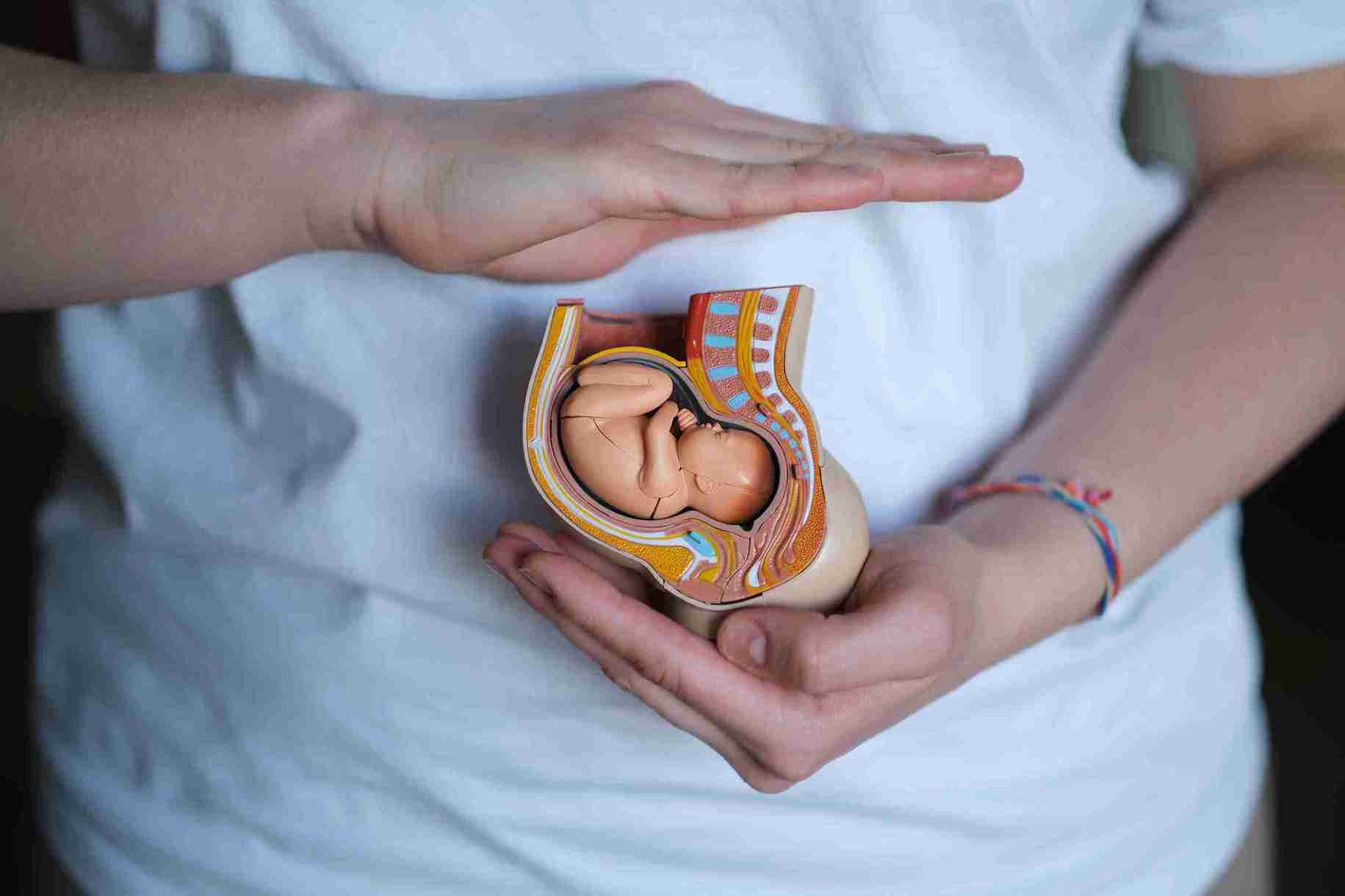
The placenta position is not set in early pregnancy. As the uterus grows, the placenta shifts upward. This is why the placenta appears low in early scans but high in the second or third trimester.
On ultrasound, the placenta is commonly found in one of several positions: anterior (front wall), posterior (back wall), fundal (top of the uterus), or lateral (side wall). These changes begin during early to mid-pregnancy and are part of normal uterine growth.
In most situations, the posterior position of the placenta does not affect the pregnancy or the health of the baby. Nutrients and oxygen are adequately provided to the fetus.
Additional monitoring may be recommended in case of a low-lying posterior placenta, posterior placenta with bleeding, or in conjunction with other pregnancy-related conditions in the mother, like hypertension or potential fetal growth restriction. Otherwise, posterior placenta in pregnancy is generally not a risk factor on its own.

When the placenta is in the posterior position, it’s considered benign in nature. However, you need to call your doctor if you notice:
● A low-lying placenta, also called placenta praevia
● Abnormal ultrasound findings
● Other complications associated with pregnancy
● Other pregnancy complications, such as high blood pressure or reduced fetal movements
This ensures that any issue is detected as early as possible through regular prenatal visits.

It refers to the condition where the placenta is normally located toward the upper part of the uterus, away from the cervix.
Well, most posterior placentas do not result in complications and facilitate normal pregnancies.
A low-lying placenta or placenta praevia, especially when it covers the cervix, is considered high risk and requires closer monitoring.
A posterior placenta is usually not risky and does not affect pregnancy unless it is low-lying or linked with other complications.







 Best Gynecologists in Bellandur Best Gynecologists in Electronic City Best Gynecologists in HRBR LayoutBest Gynecologists in Jayanagar Best Gynecologists in Kanakapura RoadBest Gynecologists in Malleswaram Best Gynecologists in Nagarbhavi Best Gynecologists in Old Airport RoadBest Gynecologists in Sahakarnagar Best Gynecologists in Sarjapur RoadBest Gynecologists in ThanisandraBest Gynecologists in Varthur RoadBest Gynecologists in Whitefield Best Gynecologists in Industrial Area Phase IIBest Gynecologists in OMRBest Gynecologists in T NagarBest Gynecologists in New Industrial TownBest Gynecologists in IndirapuramBest Gynecologists in Golf Course RoadBest Gynecologists in Sector 14Best Gynecologists in Sector 47Best Gynecologists in Banjara HillsBest Gynecologists in GachibowliBest Gynecologists in Hitech CityBest Gynecologists in KompallyBest Gynecologists in Gomti NagarBest Gynecologists in MaladBest Gynecologists in NerulBest Gynecologists in VashiBest Gynecologists in Kailash ColonyBest Gynecologists in PatparganjBest Gynecologists in Punjabi BaghBest Gynecologists in VikaspuriBest Gynecologists in Gaur CityBest Gynecologists in Pari ChowkBest Gynecologists in Sector 51Best Gynecologists in Sector 5 Swastik ViharBest Gynecologists in Kalyani NagarBest Gynecologists in SB RoadBest Gynecologists in Pimple SaudagarBest Pediatricians in BellandurBest Pediatricians in Electronic CityBest Pediatricians in HRBR LayoutBest Pediatricians in JayanagarBest Pediatricians in Kanakapura RoadBest Pediatricians in MalleswaramBest Pediatricians in NagarbhaviBest Pediatricians in Old Airport RoadBest Pediatricians in SahakarnagarBest Pediatricians in Sarjapur RoadBest Pediatricians in ThanisandraBest Pediatricians in Varthur RoadBest Pediatricians in WhitefieldBest Pediatricians in Industrial Area Phase IIBest Pediatricians in OMRBest Pediatricians in T NagarBest Pediatricians in New Industrial TownshipBest Pediatricians in IndirapuramBest Pediatricians in Golf Course RoadBest Pediatricians in Sector 14Best Pediatricians in Sector 47Best Pediatricians in Hitech CityBest Pediatricians in Banjara HillsBest Pediatricians in GachibowliBest Pediatricians in KompallyBest Pediatricians in Gomti NagarBest Pediatricians in MaladBest Pediatricians in NerulBest Pediatricians in VashiBest Pediatricians in Kailash ColonyBest Pediatricians in PatparganjBest Pediatricians in Punjabi BaghBest Pediatricians in VikaspuriBest Pediatricians in Gaur CityBest Pediatricians in Pari ChowkBest Pediatricians in Sector 51Best Pediatricians in Sector 5 Swastik ViharBest Pediatricians in Kalyani NagarBest Pediatricians in SB RoadBest Pediatricians in Pimple Saudagar


