
Toddlers require all the nutrition for their growth and development. Toddlers are also known to be fussy eaters, preferring certain foods, textures, or even colours over others. How can you ensure your toddler gets all the nutrition required for their growth? What do you avoid or wait a little longer to introduce? Here is a comprehensive guide for all toddler parents worried about nutrition.

During the first 12 months of a baby’s life, they get most of their nutrition from breastmilk or formula. Although solid foods are introduced gradually from the 6th month onward, milk remains the most commonly consumed food.
As toddlers grow, their need for nutrition and calories will increase. Toddlers can get their nutrients from various food sources like fruits, vegetables, nuts, seeds, legumes or meat. However, not all toddlers may eat these foods, and some may even refuse to try.
At such times, many parents struggle to strike the right balance between providing interesting foods and sufficient nutrition. This is where the thin line between what to feed or not feed a toddler becomes blurred.
What can you provide your toddler to ensure they receive all the essential nutrients required for their growth and development?
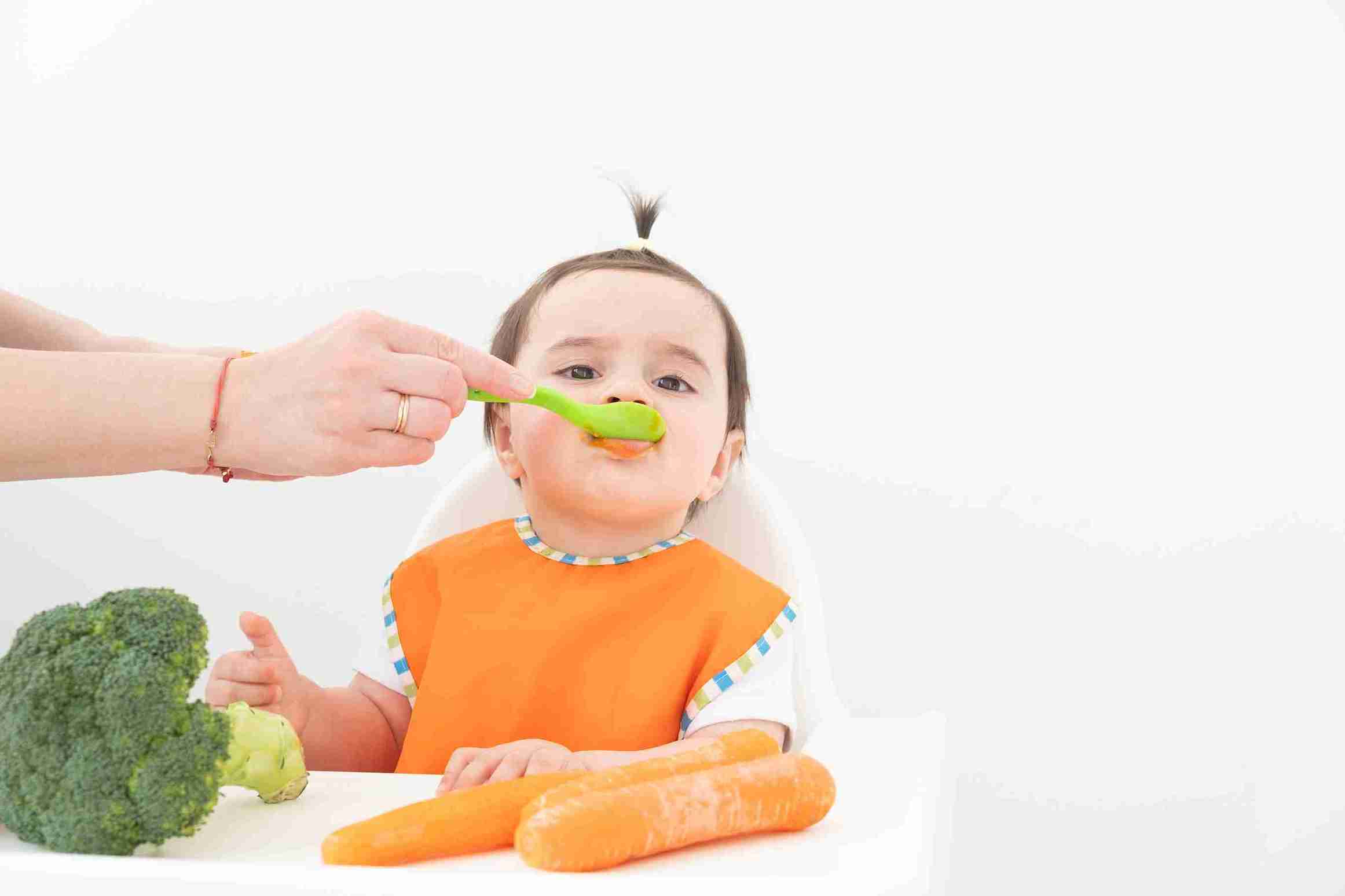
Toddlers can be very difficult if they have decided on something to eat. They also tend to be hungry almost all the time. Many parents, out of desperation or a lack of awareness and resources, resort to snacks or readily available foods to satiate the toddler.
Here is a list of foods you ought to avoid giving your toddler –
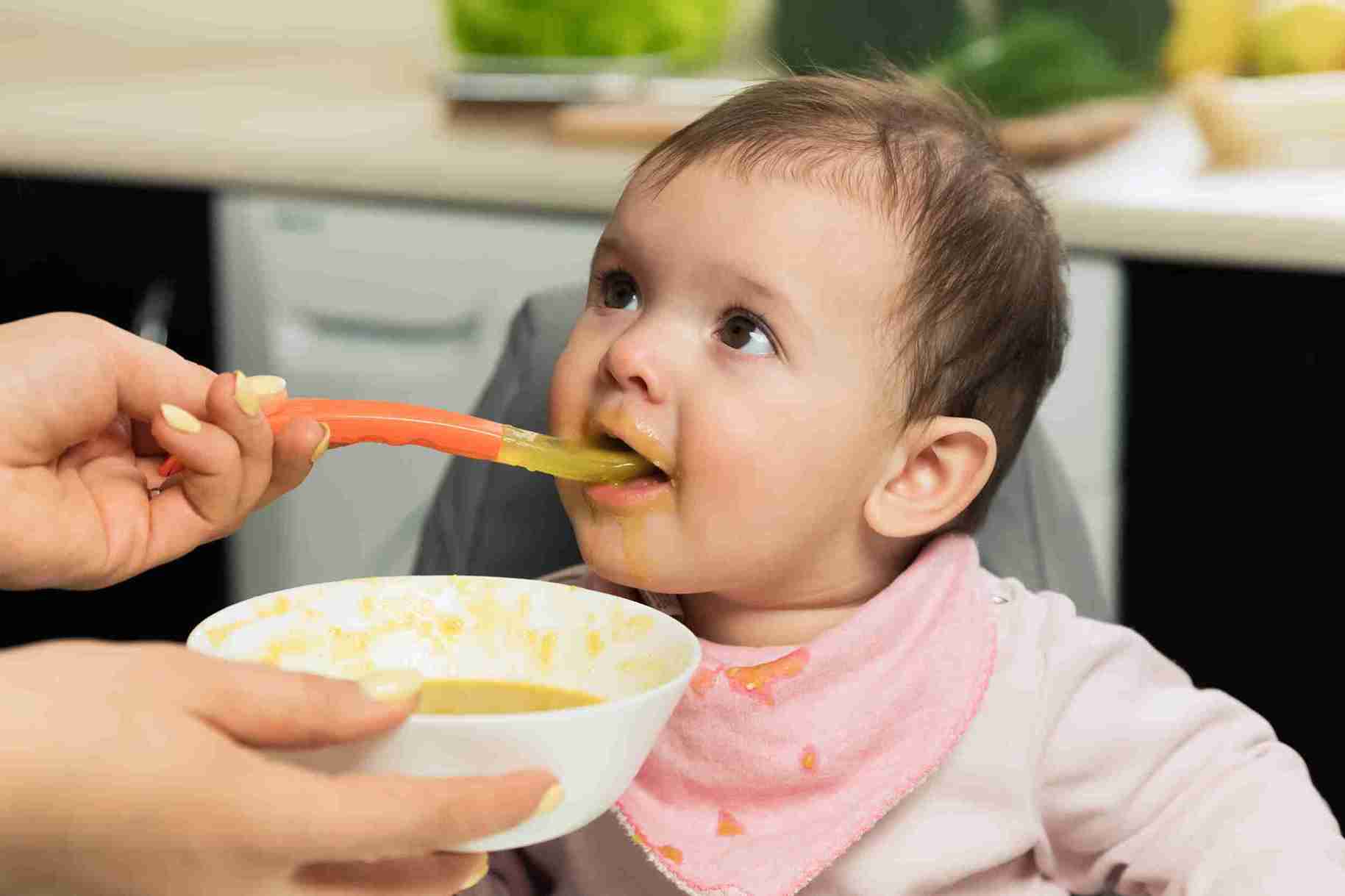
When your toddler refuses to even try a bite of the food you prepared with care and love, what do you do? Do you force-feed them, threaten them, or just yell at them to finish eating? No, you can’t do any of the above if you want your child to develop a positive attitude towards food.
Here are some tips and tricks to follow instead –
No matter what foods you give your toddler, remember to –

Getting your toddler to eat can be a challenge. With a little patience, creativity and encouragement, you can get most toddlers to try and start eating the foods the rest of the household is eating. A diet chart that includes foods from all food groups can be very helpful in planning your weekly meals.

Calcium, iron, vitamins and fibre are very important for a toddler’s overall growth and development. These are essential for both physical and cognitive development.
Three main meals and two or three snacks, including milk, are sufficient for a toddler. Include fresh fruits, vegetables, and liquids to ensure they get all essential nutrients every day.
Fresh fruits, vegetables, nuts, eggs, meat and some variants of fish can be very beneficial if included in a toddler’s everyday diet.
Avoid foods high in sugar, salt and trans-fats like packaged foods, fast foods and sugary drinks. Unpasteurised dairy products, unwashed fruits and vegetables should also be avoided.







 Best Gynecologists in Bellandur Best Gynecologists in Electronic City Best Gynecologists in HRBR LayoutBest Gynecologists in Jayanagar Best Gynecologists in Kanakapura RoadBest Gynecologists in Malleswaram Best Gynecologists in Nagarbhavi Best Gynecologists in Old Airport RoadBest Gynecologists in Sahakarnagar Best Gynecologists in Sarjapur RoadBest Gynecologists in ThanisandraBest Gynecologists in Varthur RoadBest Gynecologists in Whitefield Best Gynecologists in Industrial Area Phase IIBest Gynecologists in OMRBest Gynecologists in T NagarBest Gynecologists in New Industrial TownBest Gynecologists in IndirapuramBest Gynecologists in Golf Course RoadBest Gynecologists in Sector 14Best Gynecologists in Sector 47Best Gynecologists in Banjara HillsBest Gynecologists in GachibowliBest Gynecologists in Hitech CityBest Gynecologists in KompallyBest Gynecologists in Gomti NagarBest Gynecologists in MaladBest Gynecologists in NerulBest Gynecologists in VashiBest Gynecologists in Kailash ColonyBest Gynecologists in PatparganjBest Gynecologists in Punjabi BaghBest Gynecologists in VikaspuriBest Gynecologists in Gaur CityBest Gynecologists in Pari ChowkBest Gynecologists in Sector 51Best Gynecologists in Sector 5 Swastik ViharBest Gynecologists in Kalyani NagarBest Gynecologists in SB RoadBest Gynecologists in Pimple SaudagarBest Pediatricians in BellandurBest Pediatricians in Electronic CityBest Pediatricians in HRBR LayoutBest Pediatricians in JayanagarBest Pediatricians in Kanakapura RoadBest Pediatricians in MalleswaramBest Pediatricians in NagarbhaviBest Pediatricians in Old Airport RoadBest Pediatricians in SahakarnagarBest Pediatricians in Sarjapur RoadBest Pediatricians in ThanisandraBest Pediatricians in Varthur RoadBest Pediatricians in WhitefieldBest Pediatricians in Industrial Area Phase IIBest Pediatricians in OMRBest Pediatricians in T NagarBest Pediatricians in New Industrial TownshipBest Pediatricians in IndirapuramBest Pediatricians in Golf Course RoadBest Pediatricians in Sector 14Best Pediatricians in Sector 47Best Pediatricians in Hitech CityBest Pediatricians in Banjara HillsBest Pediatricians in GachibowliBest Pediatricians in KompallyBest Pediatricians in Gomti NagarBest Pediatricians in MaladBest Pediatricians in NerulBest Pediatricians in VashiBest Pediatricians in Kailash ColonyBest Pediatricians in PatparganjBest Pediatricians in Punjabi BaghBest Pediatricians in VikaspuriBest Pediatricians in Gaur CityBest Pediatricians in Pari ChowkBest Pediatricians in Sector 51Best Pediatricians in Sector 5 Swastik ViharBest Pediatricians in Kalyani NagarBest Pediatricians in SB RoadBest Pediatricians in Pimple Saudagar


