





Ozempic, whose active ingredient is semaglutide, was originally designed to help people with type 2 diabetes manage blood sugar levels. In recent years, though, it gained extraordinary popularity for its potential in supporting weight loss. Increasingly more women are using it, and with this comes an important question: Can Ozempic affect your period? Many began reporting changes in their menstrual cycles, which, of course, sparked interest in understanding the possible connection.
This article breaks down how Ozempic works, the reasons it may influence menstrual patterns, what changes you may notice, and when it's important to seek medical advice.

Ozempic is a GLP-1 receptor agonist, meaning it mimics the GLP-1 hormone that is naturally produced in the intestines. This hormone has several roles:
Since metabolism, insulin levels, and hormones are so closely linked, these effects have the potential to impact the reproductive system, too.
Many of them may wonder: Does Ozempic affect your period? While menstrual irregularities are not listed among the primary side effects, real-world experiences do indeed show some changes. As more women started using it for weight loss, online forums and even clinical observations noticed patterns such as:
This has raised questions like: Can Ozempic affect your menstrual cycle? Emerging evidence supports that metabolic changes can influence reproductive hormones.
Improved insulin sensitivity due to Ozempic can result in a modification in the levels of estrogen and progesterone. As these hormones regulate the menstrual cycle, even minor shifts may cause obvious changes.
Interestingly, some women with PCOS might actually experience improved menstrual regularity since GLP-1 drugs lower insulin, a major contributor to irregular periods in women with PCOS.

Sudden weight loss, as is common in the first weeks with Ozempic, may disrupt hormone production, leading to changes in regular menstrual cycles.
Insulin is strongly associated with ovulation; since Ozempic changes the way insulin responds, your cycle might change for a time.
Even positive changes, such as weight loss, can stress the body and lead to temporary menstrual irregularities.
If appetite decreases severely, you might be inadvertently consuming less. Iron, vitamin D, and essential fatty acid deficiencies can impact your cycle.
In fact, Ozempic can actually normalise periods for women with PCOS by helping balance insulin and androgens.
Many women describe the following changes within the first few weeks or months:
These are usually temporary and non-toxic.

Mild menstrual changes are common and usually settle within 2–3 months of starting the medication. However:
Remember, each body is different, and menstrual health is highly associated with lifestyle, metabolism, stress conditions, and hormonal balance in general.
Seek medical advice if you have:
Timely evaluation rules out other underlying conditions.
You may not be able to control every menstrual fluctuation, but you can support your body through the transition period.
These habits stabilise hormones and support overall well-being.
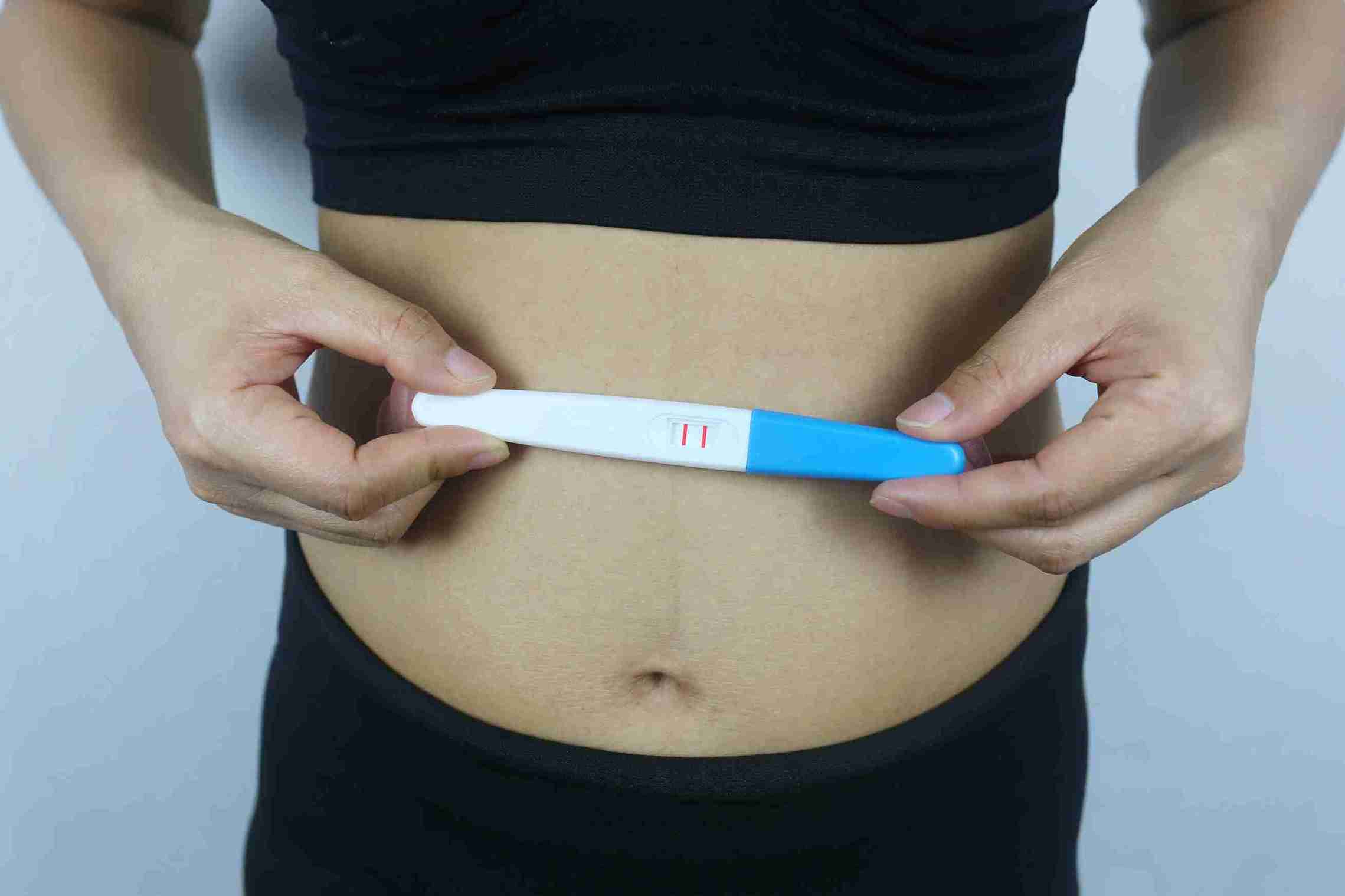
Ozempic is not safe during pregnancy. If you are planning to conceive:
If you become pregnant while using Ozempic, contact your doctor immediately.
At Cloudnine, women receive expert-led, personalised care tailored to their individual health concerns. Whether you are trying to manage your weight, understand PCOS better, or experience changes in your menstrual cycle, if you're on medications like Ozempic, Cloudnine's gynaecologists provide you with precise guidance, evidence-based treatments, and supportive follow-ups.
Advanced diagnostics, compassionate specialists, and patient-centred care combine at Cloudnine to ensure you are truly informed, heard, and confident every step of the way with your health.
So, does Ozempic affect your period? Yes, it may be for many women, especially those who experience sudden changes in weight or metabolic changes. Most menstrual disorders are quite temporary and settle as the body gets used to them.
However, if symptoms persist, cycles become highly irregular, or you're planning a pregnancy, it is necessary to consult with a doctor. Understanding how Ozempic interacts with reproductive health can help you use it safely and confidently.


The most common side effects are nausea, vomiting, and digestive disturbances.
It can temporarily cause menstrual irregularities due to hormonal changes associated with weight loss and insulin sensitivity.
Yes, some women have delayed, lighter, heavier, or irregular periods; however, this is usually temporary.
Ozempic influences insulin and metabolism, thus impacting estrogen and progesterone levels.


 Best Gynecologists in Bellandur Best Gynecologists in Electronic City Best Gynecologists in HRBR LayoutBest Gynecologists in Jayanagar Best Gynecologists in Kanakapura RoadBest Gynecologists in Malleswaram Best Gynecologists in Nagarbhavi Best Gynecologists in Old Airport RoadBest Gynecologists in Sahakarnagar Best Gynecologists in Sarjapur RoadBest Gynecologists in ThanisandraBest Gynecologists in Varthur RoadBest Gynecologists in Whitefield Best Gynecologists in Industrial Area Phase IIBest Gynecologists in OMRBest Gynecologists in T NagarBest Gynecologists in New Industrial TownBest Gynecologists in IndirapuramBest Gynecologists in Golf Course RoadBest Gynecologists in Sector 14Best Gynecologists in Sector 47Best Gynecologists in Banjara HillsBest Gynecologists in GachibowliBest Gynecologists in Hitech CityBest Gynecologists in KompallyBest Gynecologists in Gomti NagarBest Gynecologists in MaladBest Gynecologists in NerulBest Gynecologists in VashiBest Gynecologists in Kailash ColonyBest Gynecologists in PatparganjBest Gynecologists in Punjabi BaghBest Gynecologists in VikaspuriBest Gynecologists in Gaur CityBest Gynecologists in Pari ChowkBest Gynecologists in Sector 51Best Gynecologists in Sector 5 Swastik ViharBest Gynecologists in Kalyani NagarBest Gynecologists in SB RoadBest Gynecologists in Pimple SaudagarBest Pediatricians in BellandurBest Pediatricians in Electronic CityBest Pediatricians in HRBR LayoutBest Pediatricians in JayanagarBest Pediatricians in Kanakapura RoadBest Pediatricians in MalleswaramBest Pediatricians in NagarbhaviBest Pediatricians in Old Airport RoadBest Pediatricians in SahakarnagarBest Pediatricians in Sarjapur RoadBest Pediatricians in ThanisandraBest Pediatricians in Varthur RoadBest Pediatricians in WhitefieldBest Pediatricians in Industrial Area Phase IIBest Pediatricians in OMRBest Pediatricians in T NagarBest Pediatricians in New Industrial TownshipBest Pediatricians in IndirapuramBest Pediatricians in Golf Course RoadBest Pediatricians in Sector 14Best Pediatricians in Sector 47Best Pediatricians in Hitech CityBest Pediatricians in Banjara HillsBest Pediatricians in GachibowliBest Pediatricians in KompallyBest Pediatricians in Gomti NagarBest Pediatricians in MaladBest Pediatricians in NerulBest Pediatricians in VashiBest Pediatricians in Kailash ColonyBest Pediatricians in PatparganjBest Pediatricians in Punjabi BaghBest Pediatricians in VikaspuriBest Pediatricians in Gaur CityBest Pediatricians in Pari ChowkBest Pediatricians in Sector 51Best Pediatricians in Sector 5 Swastik ViharBest Pediatricians in Kalyani NagarBest Pediatricians in SB RoadBest Pediatricians in Pimple Saudagar


