
Anechoic cyst is one of the most common findings on ultrasound examination, which often raises a lot of anxiety due to the unfamiliar terminology. Fortunately, most of these cysts are harmless, especially when they are identified or diagnosed early. Understanding anechoic cyst causes and when treatment is required can help reduce unnecessary concern and ensure timely medical care when needed.
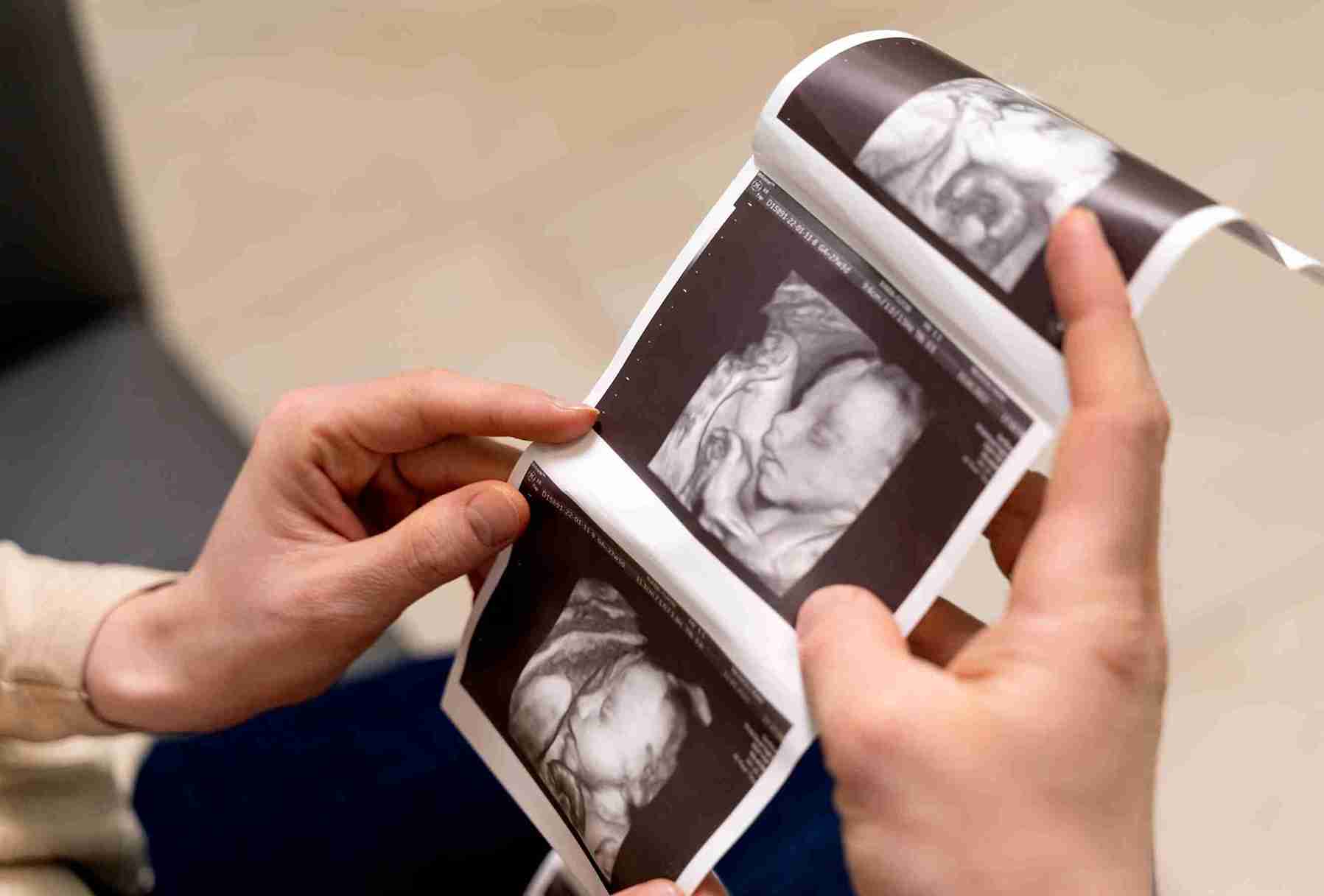
An anechoic cyst is a fluid-containing structure that appears completely black or dark on the ultrasound image. “Anechoic” means “without echoes,” indicating that the structure is filled with clear fluid that does not reflect sound waves back to the ultrasound probe.
So, what exactly is an anechoic cyst? This is a type of cyst that doesn’t have solid components, thick walls, or internal echoes. The reason it appears this way is due to the fact that fluid doesn’t reflect sound. The cyst shows up as a smooth, well-defined black area on imaging. It may be found in different parts of the body, including the ovary, kidneys, liver, breasts, or thyroid. It is often found incidentally in routine scans.
The size of an anechoic cyst is very important in determining whether it should be treated. However, in most situations, an anechoic cyst normal size falls within a range that is unlikely to cause complications.
Small cysts are often benign and may resolve on their own. Follow-up may be necessary as the size increases to ensure the cyst does not growing, twist or obstruct other structures.

Depending on the location of anechoic cysts in the human body, various causes may be involved. The common anechoic cyst causes are associated with physiological processes and are not diseases.
The key causes are:
A possible cause for the anechoic cyst on an organ may include a kidney cyst due to ageing, a liver cyst due to congenital causes, or an ovarian cyst related to a woman’s menstrual cycle.
Generally, most anechoic cysts are asymptomatic and are often found incidentally. However, when symptoms occur, they depend on the cyst's size, location, and growth rate.
General signs of an anechoic cyst:
Often, it is seen that the symptoms of anechoic cysts occur only when such a cyst becomes enlarged or ruptured. Therefore, in such cases, it becomes necessary to monitor asymptomatic cysts.
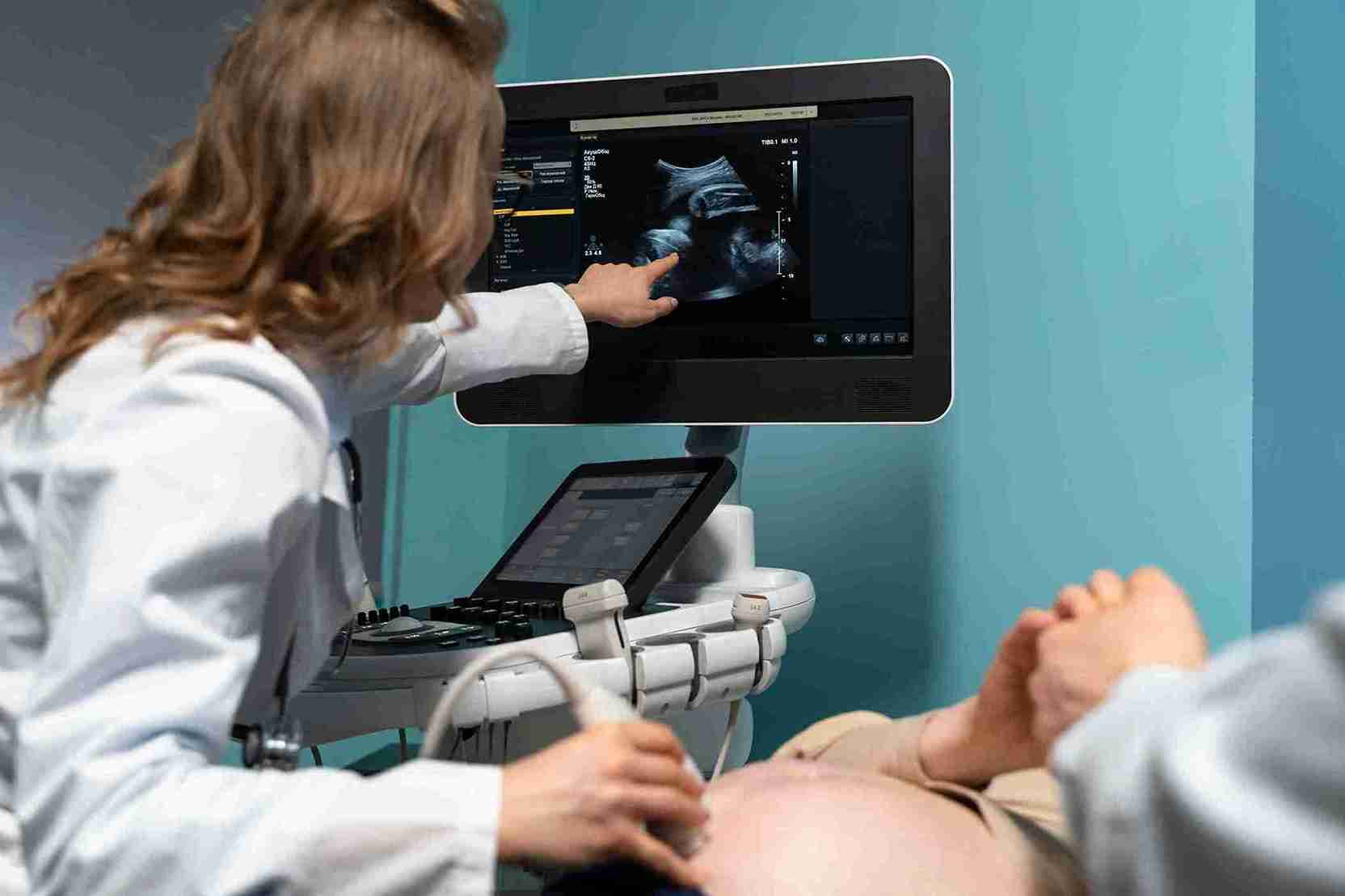
Ultrasound is the primary diagnostic tool used to identify anechoic cysts. Additional imaging studies may be required in the following situations:
Anechoic cysts can commonly be discovered incidentally, whereas in many instances, the condition can be diagnosed based on symptoms.
The management of cysts is dependent on their size, symptoms, and position.
Typical treatments for this condition are:
Medical attention will be necessary if you:
Early consultation is also a determinant for monitoring or intervention.

Cloudnine provides a patient-centric approach to the diagnosis and treatment of cyst-related conditions. With the use of advanced imaging, the expertise of specialists, and evidence-based methods, Cloudnine ensures proper diagnosis and treatment. Starting with simple observation to complex procedures, the focus is on clarity, comfort, and excellence, which enables the individual to make informed decisions on their health.
An anechoic cyst is a common ultrasound finding that is usually benign or a fluid-filled cyst. Usually, it is harmless, especially when it is of normal size and doesn’t cause symptoms. With timely intervention, monitoring and proper treatment, most anechoic cysts can be managed, allowing one to keep feeling confident and in charge of one’s health.

Most anechoic cysts are benign and cause no problem to the patient. They normally do not require treatment unless the patient complains of symptoms.
The anechoic ovarian cyst is a liquid-containing structure, such as a follicle or simple cyst, which is a very common ultrasonographic finding.
Larger cysts (5-7 cm or more) or those with very rapid growth may need to be watched more closely or treated.
Anechoic cysts usually range from 0 to 3 cm, which is considered normal and benign. Cysts measuring 3–5 cm may need monitoring, while those larger than 5–7 cm often require closer medical evaluation.







 Best Gynecologists in Bellandur Best Gynecologists in Electronic City Best Gynecologists in HRBR LayoutBest Gynecologists in Jayanagar Best Gynecologists in Kanakapura RoadBest Gynecologists in Malleswaram Best Gynecologists in Nagarbhavi Best Gynecologists in Old Airport RoadBest Gynecologists in Sahakarnagar Best Gynecologists in Sarjapur RoadBest Gynecologists in ThanisandraBest Gynecologists in Varthur RoadBest Gynecologists in Whitefield Best Gynecologists in Industrial Area Phase IIBest Gynecologists in OMRBest Gynecologists in T NagarBest Gynecologists in New Industrial TownBest Gynecologists in IndirapuramBest Gynecologists in Golf Course RoadBest Gynecologists in Sector 14Best Gynecologists in Sector 47Best Gynecologists in Banjara HillsBest Gynecologists in GachibowliBest Gynecologists in Hitech CityBest Gynecologists in KompallyBest Gynecologists in Gomti NagarBest Gynecologists in MaladBest Gynecologists in NerulBest Gynecologists in VashiBest Gynecologists in Kailash ColonyBest Gynecologists in PatparganjBest Gynecologists in Punjabi BaghBest Gynecologists in VikaspuriBest Gynecologists in Gaur CityBest Gynecologists in Pari ChowkBest Gynecologists in Sector 51Best Gynecologists in Sector 5 Swastik ViharBest Gynecologists in Kalyani NagarBest Gynecologists in SB RoadBest Gynecologists in Pimple SaudagarBest Pediatricians in BellandurBest Pediatricians in Electronic CityBest Pediatricians in HRBR LayoutBest Pediatricians in JayanagarBest Pediatricians in Kanakapura RoadBest Pediatricians in MalleswaramBest Pediatricians in NagarbhaviBest Pediatricians in Old Airport RoadBest Pediatricians in SahakarnagarBest Pediatricians in Sarjapur RoadBest Pediatricians in ThanisandraBest Pediatricians in Varthur RoadBest Pediatricians in WhitefieldBest Pediatricians in Industrial Area Phase IIBest Pediatricians in OMRBest Pediatricians in T NagarBest Pediatricians in New Industrial TownshipBest Pediatricians in IndirapuramBest Pediatricians in Golf Course RoadBest Pediatricians in Sector 14Best Pediatricians in Sector 47Best Pediatricians in Hitech CityBest Pediatricians in Banjara HillsBest Pediatricians in GachibowliBest Pediatricians in KompallyBest Pediatricians in Gomti NagarBest Pediatricians in MaladBest Pediatricians in NerulBest Pediatricians in VashiBest Pediatricians in Kailash ColonyBest Pediatricians in PatparganjBest Pediatricians in Punjabi BaghBest Pediatricians in VikaspuriBest Pediatricians in Gaur CityBest Pediatricians in Pari ChowkBest Pediatricians in Sector 51Best Pediatricians in Sector 5 Swastik ViharBest Pediatricians in Kalyani NagarBest Pediatricians in SB RoadBest Pediatricians in Pimple Saudagar


