
Menstrual periods are a strong indicator of a female’s fertility. If she gets her period like clockwork, every single month, it means she is fertile and healthy enough to reproduce. When her periods are irregular or absent, it indicates issues that can lead to fertility complications. Now, can a woman still ovulate despite not having a period? Come, let’s dig a little deeper to know more about this.
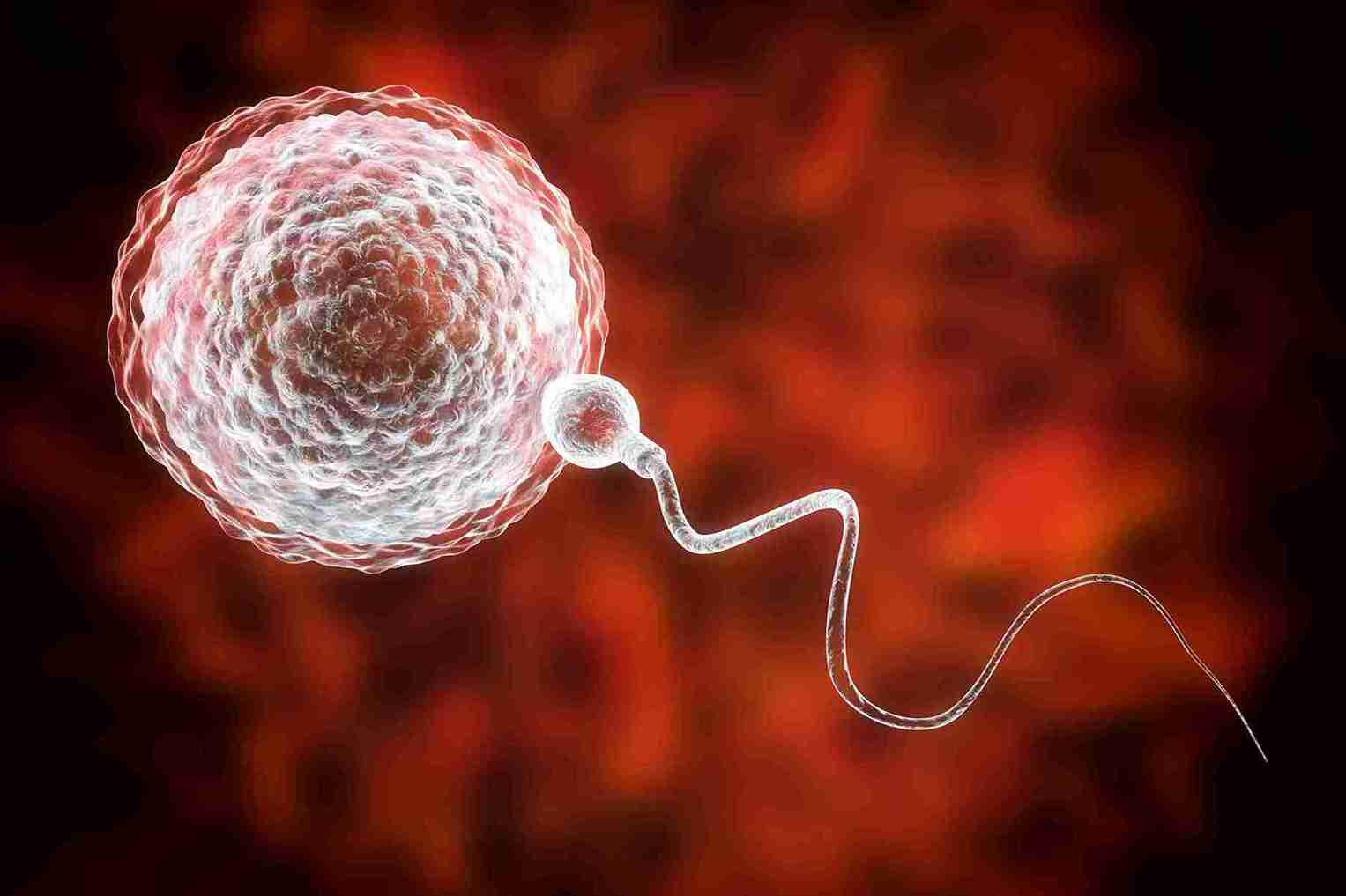
Ovulation is a part of the menstrual cycle when the ovaries release a mature egg for fertilisation. This happens in the middle of a woman’s menstrual cycle – around day 14. From days 5 to 14, the hormones help the ovaries develop an egg. Once the egg is mature enough, the ovarian follicle will rupture and release the egg. This egg then travels down the fallopian tube. After the release, before the descent, if a sperm meets and penetrates the egg successfully, fertilisation is possible. If fertilisation occurs, it will result in an embryo, which will implant in the uterus, resulting in a pregnancy.
The menstrual period is a routine shedding of the uterine lining every month. It is a part of a woman’s menstrual cycle that occurs every 25-30 days. If a menstrual cycle is 28 days long, the first five days are when she will menstruate, meaning bleed. This is her period, the time when the uterine lining is shed.
Towards the end of a woman’s menstrual cycle, in the last 2-7 days, her hormone levels change in preparation for a pregnancy. When the uterus does not receive a fertilised egg for implantation, there is no need for the uterine lining anymore. So, the uterus will shed it. When these tissues come out, they cause bleeding, cramps, and discomfort. The extent of bleeding, pain, and discomfort will vary from woman to woman.
So, now we know what exactly goes on inside the body during ovulation and menstruation. So, how are these two connected?
When a woman ovulates, the ovarian follicle releases an egg. When this egg is not fertilised, the body sheds the uterine lining it had prepared to receive the egg for pregnancy. Now, if there is no period, it means the uterus is not shedding and getting rid of the lining it developed for the fertilised egg. Unless this existing lining is shed, the body cannot start developing the next lining, and wait for the next pregnancy chance.
_11zon.jpg)
Some women have a silent ovulation, meaning their uterus will shed the lining when an embryo is not received, but will not visibly bleed. Issues like PCOS, stress, uterine scarring, or thyroid imbalances can cause you to ovulate without a visible period. Some women may have mild spotting, and some may not bleed at all. Hormonal changes will occur for ovulation to take place, but the uterine lining will be shed without any blood. So, despite not having a period, pregnancy is still a possibility.
Some possible reasons for such silent ovulations are –

If you are sexually active or are actively trying to conceive, your menstrual period is a serious indicator of your fertile period. Skipping your period may lead you to believe in a positive pregnancy, or cause you to miscalculate your fertile and safe days during one menstrual cycle.
So, here are some key indicators to pay attention to if you are not having a regular period –
Women who continue to ovulate without regular periods can still get pregnant. The lack of periods makes it very difficult to track the ovulation dates or know about a successful pregnancy, but it is still possible. Calculating the expected delivery date can also be tricky. How healthy or successful the pregnancy will be depends on various other factors.
Missing your period is the most common symptom of a confirmed pregnancy. When a woman does not have regular periods, she may not notice she is pregnant until very late. This can lead to complications like premature birth, low birth weight, miscarriages if she does not follow the safety precautions generally followed during pregnancy, and can also cause emotional trauma.

Ovulation is an important process of the reproductive system, followed by a period, indicating a successful ovulation. The absence of a period does not always indicate infertility, fertility issues, or a serious medical condition. Consult a gynaecologist for a detailed analysis and professional guidance.

No, not always. Some women may continue to ovulate regularly without a period. The ovarian follicles will develop an egg every menstrual cycle and release it for fertilisation, but there may be no period, bleeding, or any pain. This is known as silent ovulation and can be caused by various factors.
Yes, it is possible to ovulate regularly without a period. You may not bleed at all or might just have some mild spotting, which can be missed, but your ovaries will release an egg during ovulation. This is not common, but it is possible, and only a clinical test or pregnancy can confirm such an ovulation.
Yes, though not common, it is possible to get pregnant without having a period. Some women may have silent ovulation, in which the ovaries release an egg every cycle for fertilisation, but there may be no shedding of the uterine lining for various reasons. So, she will be fertile and can get pregnant if a sperm fertilises the egg successfully, even when she has no visible menstrual period.
No, ovulation without a period or silent ovulation is not common. Many women may skip their ovulation from time to time due to stress, weight changes, and other medical reasons. To ovulate on time without a period or shedding of the uterine wall is not common. Also, this may not be known until the woman takes a fertility test or gets pregnant, so there is not enough data either.







 Best Gynecologists in Bellandur Best Gynecologists in Electronic City Best Gynecologists in HRBR LayoutBest Gynecologists in Jayanagar Best Gynecologists in Kanakapura RoadBest Gynecologists in Malleswaram Best Gynecologists in Nagarbhavi Best Gynecologists in Old Airport RoadBest Gynecologists in Sahakarnagar Best Gynecologists in Sarjapur RoadBest Gynecologists in ThanisandraBest Gynecologists in Varthur RoadBest Gynecologists in Whitefield Best Gynecologists in Industrial Area Phase IIBest Gynecologists in OMRBest Gynecologists in T NagarBest Gynecologists in New Industrial TownBest Gynecologists in IndirapuramBest Gynecologists in Golf Course RoadBest Gynecologists in Sector 14Best Gynecologists in Sector 47Best Gynecologists in Banjara HillsBest Gynecologists in GachibowliBest Gynecologists in Hitech CityBest Gynecologists in KompallyBest Gynecologists in Gomti NagarBest Gynecologists in MaladBest Gynecologists in NerulBest Gynecologists in VashiBest Gynecologists in Kailash ColonyBest Gynecologists in PatparganjBest Gynecologists in Punjabi BaghBest Gynecologists in VikaspuriBest Gynecologists in Gaur CityBest Gynecologists in Pari ChowkBest Gynecologists in Sector 51Best Gynecologists in Sector 5 Swastik ViharBest Gynecologists in Kalyani NagarBest Gynecologists in SB RoadBest Gynecologists in Pimple SaudagarBest Pediatricians in BellandurBest Pediatricians in Electronic CityBest Pediatricians in HRBR LayoutBest Pediatricians in JayanagarBest Pediatricians in Kanakapura RoadBest Pediatricians in MalleswaramBest Pediatricians in NagarbhaviBest Pediatricians in Old Airport RoadBest Pediatricians in SahakarnagarBest Pediatricians in Sarjapur RoadBest Pediatricians in ThanisandraBest Pediatricians in Varthur RoadBest Pediatricians in WhitefieldBest Pediatricians in Industrial Area Phase IIBest Pediatricians in OMRBest Pediatricians in T NagarBest Pediatricians in New Industrial TownshipBest Pediatricians in IndirapuramBest Pediatricians in Golf Course RoadBest Pediatricians in Sector 14Best Pediatricians in Sector 47Best Pediatricians in Hitech CityBest Pediatricians in Banjara HillsBest Pediatricians in GachibowliBest Pediatricians in KompallyBest Pediatricians in Gomti NagarBest Pediatricians in MaladBest Pediatricians in NerulBest Pediatricians in VashiBest Pediatricians in Kailash ColonyBest Pediatricians in PatparganjBest Pediatricians in Punjabi BaghBest Pediatricians in VikaspuriBest Pediatricians in Gaur CityBest Pediatricians in Pari ChowkBest Pediatricians in Sector 51Best Pediatricians in Sector 5 Swastik ViharBest Pediatricians in Kalyani NagarBest Pediatricians in SB RoadBest Pediatricians in Pimple Saudagar


