





Leg pain during period is more common than most people may realise, yet it is still one of the least discussed menstrual symptoms. In some cases, the discomfort remains soft and bearable, while others may feel sharp and continuing pain, which inhibits their daily activities. The reason this happens is related to your menstrual hormones, which affect not just your uterus but also all the nerves, blood vessels, and muscles surrounding it. Understanding why it happens can be part of controlling the pain and knowing when to seek help.

Leg pain during menstruation is connected with several factors involving hormones, nerves, and muscular activity. The following are some of the most frequent causes:
During your period, your body releases prostaglandins, chemicals that cause your uterus to contract and your uterine lining to shed. When the levels of prostaglandins are high:
This is one of the most common reasons for leg pain during period, especially in the first 1–2 days.
The sciatic nerve runs from the lower back down each leg. The uterus can swell or become inflamed during menstruation, compressing this nerve and causing:
This explains why some women experience left leg pain or right leg pain during period instead of bilateral discomfort.
Tension in the lower back muscles at the time of menstruation may spread downward to:
This radiating discomfort mimics sciatica but is usually muscular.
The efficiency of blood flow in the pelvis may be reduced by hormonal changes, thus leading to:
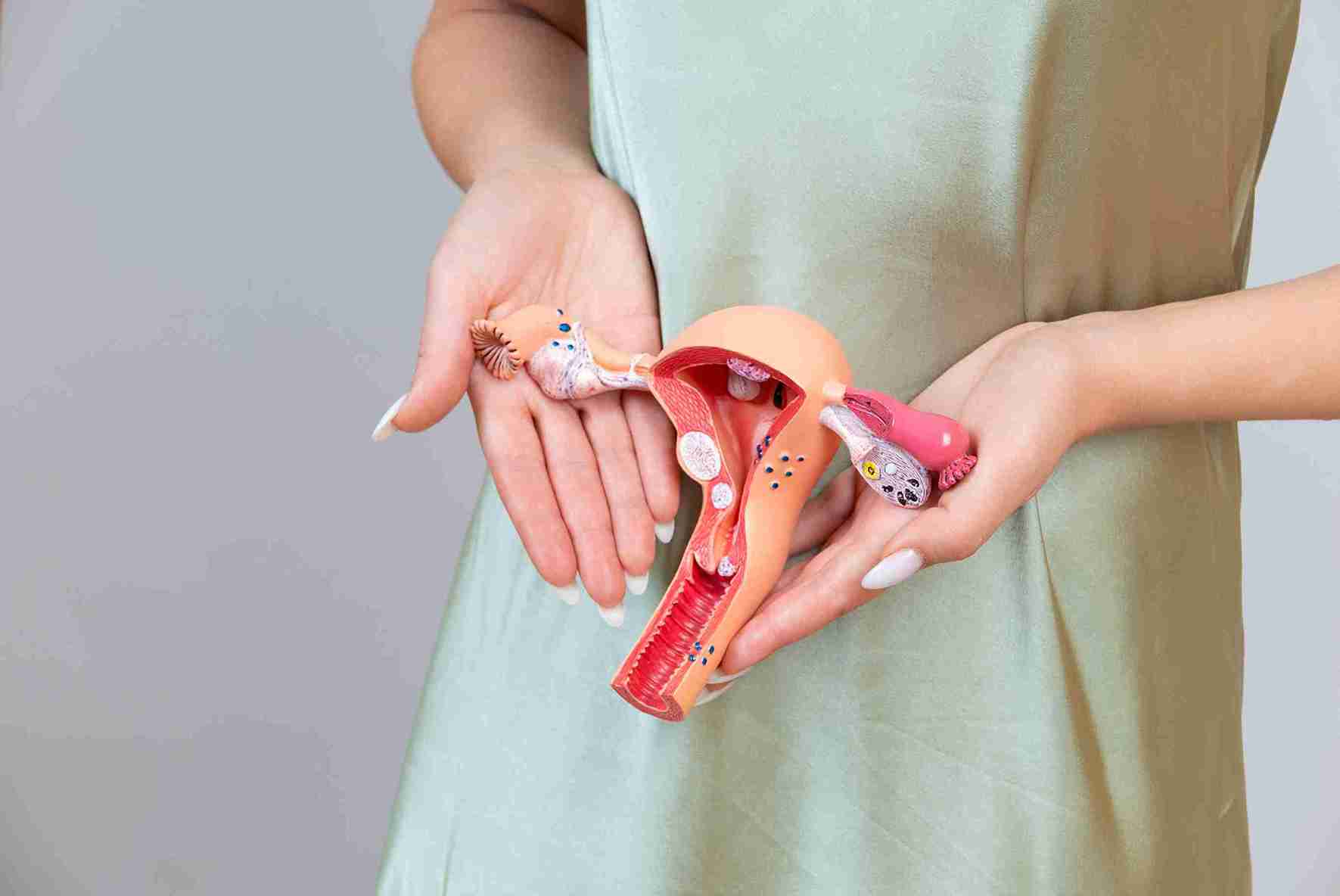
Endometriosis could cause severe pain in the legs:
Both further exacerbate the conditions of cramps and radiation of pain down the legs, due to hormonal imbalances and pelvic pressure.
One-sided leg pain, especially left leg pain during period is often associated with:
Similarly, there might be right leg pain during period when:
A one-sided pain is a symptom to take seriously; watch carefully if it gets worse over time.

Common symptoms include:
These symptoms often correlate with hormonal fluctuations and involvement of the nerves.
You likely don’t need to worry if:

If you are searching for some home remedies for leg pain during periods, then the following methods will help in easing the discomfort:
Apply heat to the lower abdomen, back, or legs to help relax the uterine muscles and decrease cramping.
Stretch the hamstrings, quads, calves, and lower back.
Movement improves blood circulation and reduces stiffness.
A warm bath is taken to help soothe the tight muscles and lessen irritation of the nerves.
Magnesium helps in reducing muscle cramps.
Massage warm oil over your thighs and calves to loosen muscles.
Ibuprofen or naproxen can reduce prostaglandin production. Consult your doctor first.

If home care is not sufficient, treatments may include the following:
To reduce the risk of severe leg pain:

At Cloudnine, menstrual health is approached holistically, recognising that symptoms such as leg aches, cramps, and fatigue can take a toll on daily functioning and overall well-being. The experts offer personalised consultations, accurate diagnoses, and evidence-based treatments. Equipped with state-of-the-art diagnosis facilities, delivered with compassion, and a specialist who has earned expertise in treating cases related to endometriosis, PCOS, and hormonal imbalance, Cloudnine ensures the right guidance with compassion. Be it mild or concerning symptoms, the team is committed to making you feel healthier and in better command of your health.
Period leg pain is mostly a common symptom brought about by hormonal shifts, nerve involvement, and muscle tension. While most of them are manageable through home remedies and lifestyle adjustments, there are those which may necessitate professional intervention. Listening to your body and seeking timely medical help can ensure long-term comfort and peace of mind.

Many times, it occurs due to prostaglandins, irritation of the sciatic nerve, pelvic congestion, or the underlying disease such as endometriosis.
Use heat, gentle stretching, massage, hydration, light exercise, and doctor-approved pain relievers.
Resulting from nerve compression, it may feel like heavy pressure, shooting pain, or radiating discomfort down one leg
You should see a doctor if the pain is one-sided, severe, keeps getting worse, lasts beyond your period, or comes with numbness, tingling, swelling, or difficulty walking, as these may indicate an underlying condition that needs medical evaluation.


 Best Gynecologists in Bellandur Best Gynecologists in Electronic City Best Gynecologists in HRBR LayoutBest Gynecologists in Jayanagar Best Gynecologists in Kanakapura RoadBest Gynecologists in Malleswaram Best Gynecologists in Nagarbhavi Best Gynecologists in Old Airport RoadBest Gynecologists in Sahakarnagar Best Gynecologists in Sarjapur RoadBest Gynecologists in ThanisandraBest Gynecologists in Varthur RoadBest Gynecologists in Whitefield Best Gynecologists in Industrial Area Phase IIBest Gynecologists in OMRBest Gynecologists in T NagarBest Gynecologists in New Industrial TownBest Gynecologists in IndirapuramBest Gynecologists in Golf Course RoadBest Gynecologists in Sector 14Best Gynecologists in Sector 47Best Gynecologists in Banjara HillsBest Gynecologists in GachibowliBest Gynecologists in Hitech CityBest Gynecologists in KompallyBest Gynecologists in Gomti NagarBest Gynecologists in MaladBest Gynecologists in NerulBest Gynecologists in VashiBest Gynecologists in Kailash ColonyBest Gynecologists in PatparganjBest Gynecologists in Punjabi BaghBest Gynecologists in VikaspuriBest Gynecologists in Gaur CityBest Gynecologists in Pari ChowkBest Gynecologists in Sector 51Best Gynecologists in Sector 5 Swastik ViharBest Gynecologists in Kalyani NagarBest Gynecologists in SB RoadBest Gynecologists in Pimple SaudagarBest Pediatricians in BellandurBest Pediatricians in Electronic CityBest Pediatricians in HRBR LayoutBest Pediatricians in JayanagarBest Pediatricians in Kanakapura RoadBest Pediatricians in MalleswaramBest Pediatricians in NagarbhaviBest Pediatricians in Old Airport RoadBest Pediatricians in SahakarnagarBest Pediatricians in Sarjapur RoadBest Pediatricians in ThanisandraBest Pediatricians in Varthur RoadBest Pediatricians in WhitefieldBest Pediatricians in Industrial Area Phase IIBest Pediatricians in OMRBest Pediatricians in T NagarBest Pediatricians in New Industrial TownshipBest Pediatricians in IndirapuramBest Pediatricians in Golf Course RoadBest Pediatricians in Sector 14Best Pediatricians in Sector 47Best Pediatricians in Hitech CityBest Pediatricians in Banjara HillsBest Pediatricians in GachibowliBest Pediatricians in KompallyBest Pediatricians in Gomti NagarBest Pediatricians in MaladBest Pediatricians in NerulBest Pediatricians in VashiBest Pediatricians in Kailash ColonyBest Pediatricians in PatparganjBest Pediatricians in Punjabi BaghBest Pediatricians in VikaspuriBest Pediatricians in Gaur CityBest Pediatricians in Pari ChowkBest Pediatricians in Sector 51Best Pediatricians in Sector 5 Swastik ViharBest Pediatricians in Kalyani NagarBest Pediatricians in SB RoadBest Pediatricians in Pimple Saudagar


