
Many women silently bear painful conditions because they are just too embarrassed to openly discuss them. Often, such pain originates from intimate areas of the body, and women may feel shy or a sense of shame that prevents them from seeking help.
Vulvodynia is one such issue that, despite being a common condition, rarely gets discussed or treated. In this article, we shall take a look at all relevant aspects of this condition, including vulvodynia causes, diagnosis and treatment options.
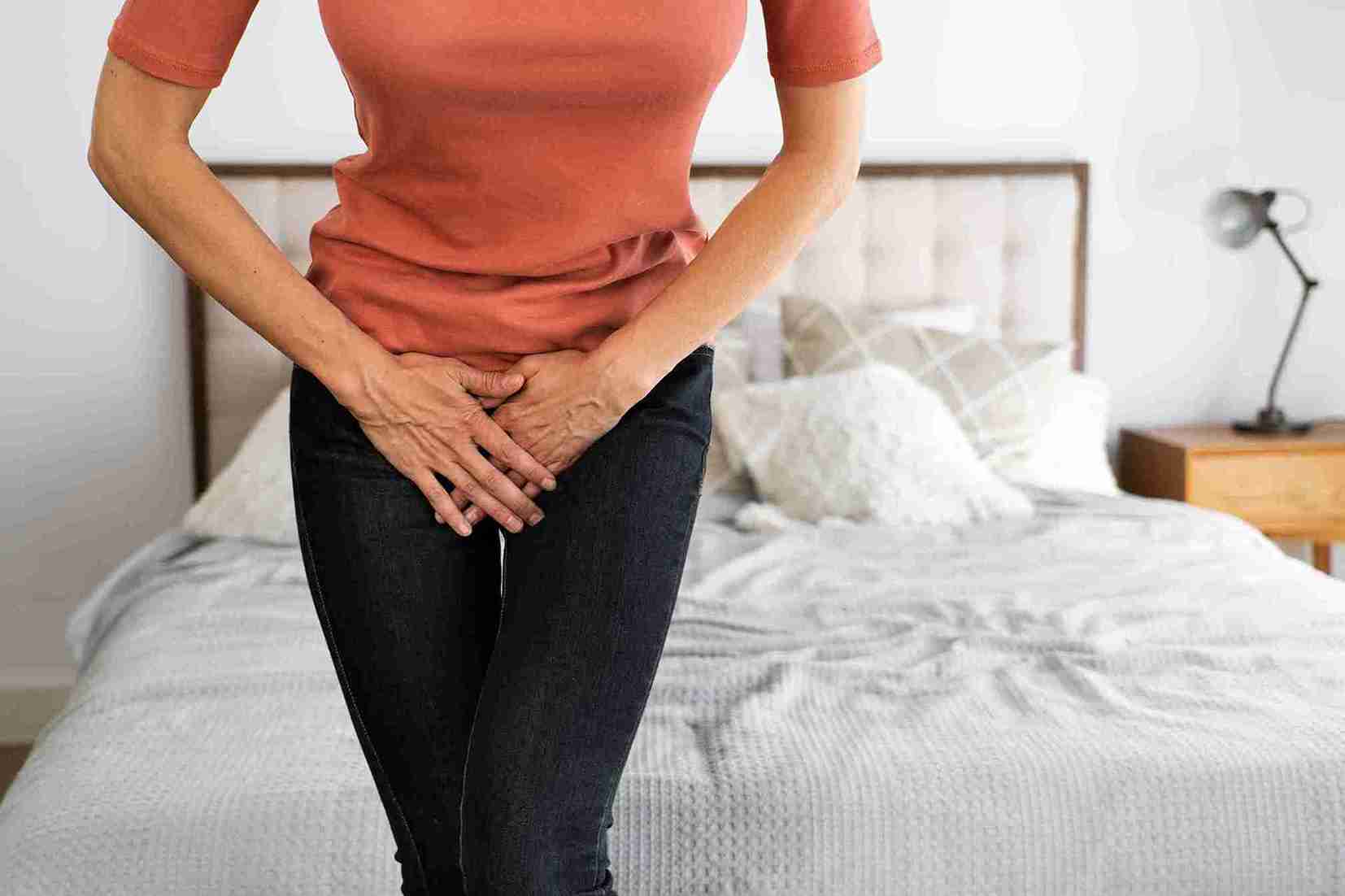
Vulvodynia is long-lasting pain or discomfort around the outer part of the female genitals, known as the vulva. The vulva consists of the pubic mound, labia majora, labia minora, clitoris, urethral opening and vaginal opening.
There is no known explanation for this type of vulvar pain, which usually lasts for three months or longer. The severity of the pain may differ among women. For some women, it may feel like a burning sensation, while for others it may manifest as soreness or irritation. For many women, it becomes hard to sit for long or have sex without pain. The constant discomfort from a painful vulva can also affect daily activities and emotional well-being. It is most often seen in women aged 20 to 60, but it can occur at any age.
Based on the location of the pain, vulvodynia may be classified into two main types:
When the pain is confined to a single spot in the vulva, it is called localised vulvodynia or localised vulvar pain syndrome. The pain might be felt in the clitoris or the vulvar vestibule.
When the chronic vulvar pain isn’t just isolated to one spot, then it is deemed to be generalised vulvodynia. The pain may be felt in different parts of the vulva or throughout the vulva.
Pain occurs only when the vulva is touched or during activities like sex, tampon use, or sitting.
Pain or burning happens without any contact or activity and may persist throughout the day.

As stated earlier, vulvodynia refers to chronic pain felt in the organs that comprise the vulva that has lasted more than three months. Each woman may experience this condition differently. Some of the most common symptoms of vulvodynia are listed below:
If these issues have persisted for 3 or more months, vulvodynia has likely occurred.
The exact cause of vulvodynia is unknown. However, experts believe the following conditions could be linked to its onset:

Vulvodynia can affect many aspects of a woman’s life.
The constant pain and tension from vulvodynia might end up causing anxiety and depression. Women may start refraining from going outdoors or to events, since they fear the pain might worsen or draw unwanted attention and lead to embarrassing situations. This isolation can affect their relationships, their confidence and ultimately their overall quality of life.
Women suffering from vulvodynia may start refraining from sexual intercourse. The fear of pain may lead to low libido or sex drive. This could even damage the relationship with the spouse.
Chronic pain often interferes with one’s sleep cycle. Therefore, women with vulvodynia may end up having a harder time falling and staying asleep.
Since vulvodynia involves pain in a woman’s most intimate areas, there is a chance that this could ultimately lead to a feeling of shame, low self-esteem and negative body image.
Vulvodynia can lead to workplace issues. Chronic vulvar pain will make sitting at one’s desk very difficult. This could lead to significant challenges at work.

To accurately diagnose vulvodynia, several steps will be required. The first step is the initial consultation with a healthcare practitioner, preferably a gynaecologist. During this consultation, several questions regarding medical history, ongoing medical conditions and treatments, past injuries, etc., will be asked. The doctor will also try to confirm if the vulvar pain has been there for more than 3 months. Once this is done, they may prescribe the following tests to further confirm their diagnosis and find the underlying causes behind the onset of vulvodynia:
The doctor will conduct a physical exam of the outer genitals and vagina to check for any infections or abnormalities. During this exam, the pelvic floor muscles will also be assessed to determine whether the pain originates there.
A moistened cotton swab is gently brushed over different parts of the vulva to find where and when pain occurs. This helps the doctor check for pain in specific areas, especially around the vulvar vestibule. Swabs may also be taken for STI testing.
A small sample of tissue may be removed from the vulva if the area looks abnormal. This tissue is then sent to a lab where further tests will be performed.
The doctor may order blood tests to check for hormone imbalances or underlying conditions.
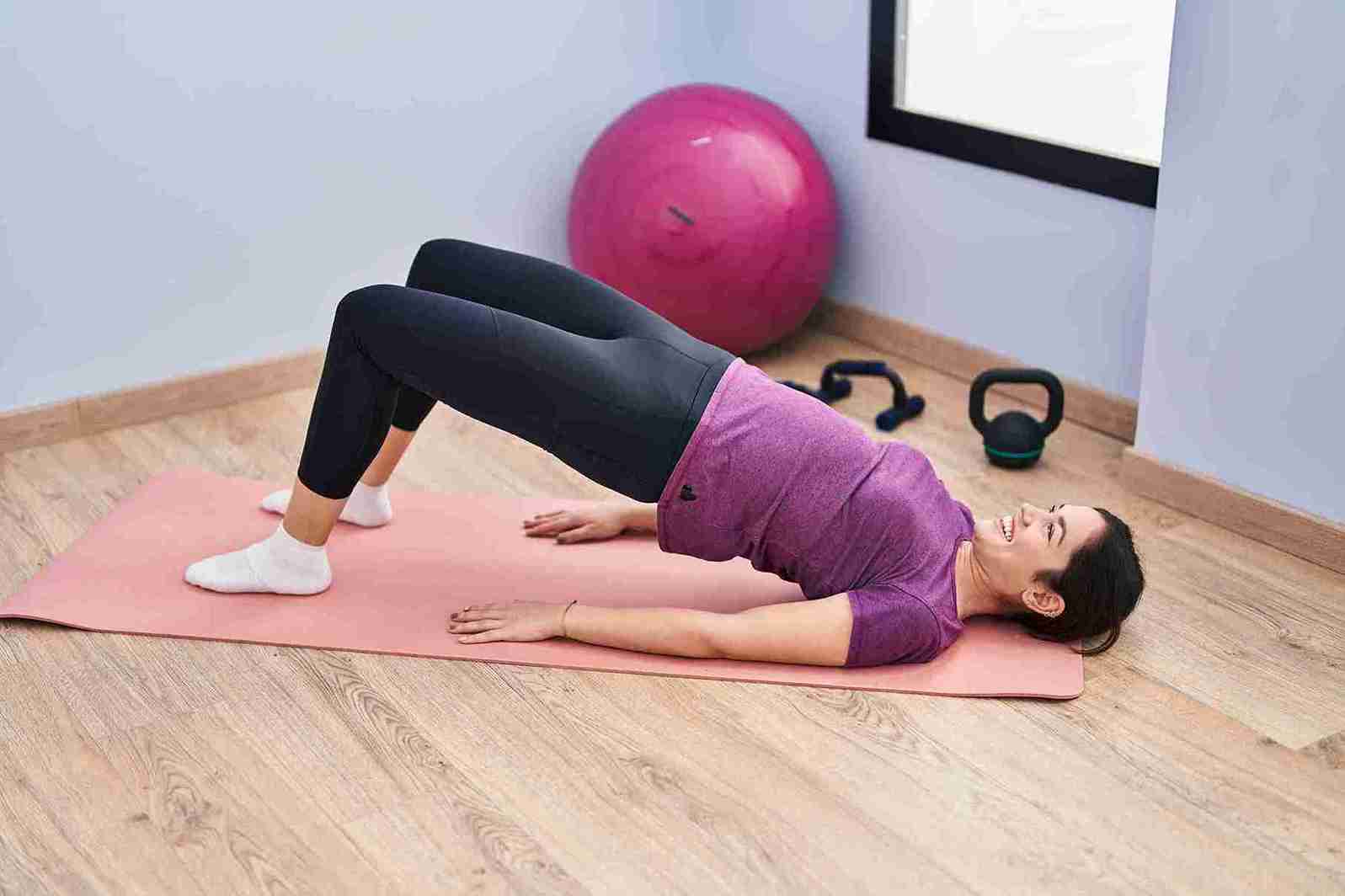
Since it is quite tough to gauge the exact cause of vulvodynia, most healthcare practitioners recommend a multidisciplinary approach to treating this condition.
Pain-relief medication may be prescribed. Additionally, creams and ointments that numb the vulvar area may be recommended. A few pain relief creams can even be applied around 30 minutes before sexual intercourse.
If the pain has existed for a very long period of time, the doctor may recommend getting a nerve block injection in the vulvar region. This injection is taken near a nerve or a group of nerves that show signs of being sensitive to pain.
If a hormone imbalance has been confirmed, then creams that contain estrogen and/or testosterone may have to be applied in the vaginal area to reduce the effects of vulvodynia.
If chronic vulvar pain is found to be due to weak pelvic floor muscles, it might be best to start pelvic floor strengthening exercises. In the long run, it will lead to a decrease in the pain.
If vulvodynia has caused mental issues, then antidepressants may have to be taken. Antihistamines may be prescribed if any allergies may have contributed to the onset of vulvodynia.
For women who suffer from extremely painful localised vulvodynia that has lasted for a very long period of time and for which other noninvasive treatments have proved to be ineffective, procedures like vestibulectomy are recommended. This is a surgery that involves removing painful vulva tissue.
Biofeedback therapy trains women to relax their muscles when they feel pain. This could help with pain relief.
To improve sexual health and strained relationships, women may need the help of psychologists and sex therapists.

There are a few home remedies that can help vulvodynia relief. These include:
To manage the issues that stem from vulvodynia, avoid the following:
Living with chronic pain such as vulvodynia can be a distressing and isolating experience. Awareness is required to ensure more women come forward for diagnosis and treatment. With the right treatment, symptoms can often be managed effectively, improving quality of life.


Vulvodynia is a common medical condition that affects women aged between 20 and 60. However, the exact number of women affected by this disorder is difficult to determine since most women are too embarrassed to come forward and consult doctors.
Physical exams of the pelvic region, cotton swab tests, biopsies and blood tests are usually prescribed for diagnosing vulvodynia.
Vulvodynia may be treated with medications, physical therapy, and, in cases of localised vulvodynia, surgery. Home remedies, such as using a doughnut cushion while sitting or taking warm Epsom salt baths, can also provide relief. Some people opt for alternative treatments, such as acupuncture, to get relief from the pain.
Vulvodynia can be caused by injuries that could have affected the nerves of the vulva.







 Best Gynecologists in Bellandur Best Gynecologists in Electronic City Best Gynecologists in HRBR LayoutBest Gynecologists in Jayanagar Best Gynecologists in Kanakapura RoadBest Gynecologists in Malleswaram Best Gynecologists in Nagarbhavi Best Gynecologists in Old Airport RoadBest Gynecologists in Sahakarnagar Best Gynecologists in Sarjapur RoadBest Gynecologists in ThanisandraBest Gynecologists in Varthur RoadBest Gynecologists in Whitefield Best Gynecologists in Industrial Area Phase IIBest Gynecologists in OMRBest Gynecologists in T NagarBest Gynecologists in New Industrial TownBest Gynecologists in IndirapuramBest Gynecologists in Golf Course RoadBest Gynecologists in Sector 14Best Gynecologists in Sector 47Best Gynecologists in Banjara HillsBest Gynecologists in GachibowliBest Gynecologists in Hitech CityBest Gynecologists in KompallyBest Gynecologists in Gomti NagarBest Gynecologists in MaladBest Gynecologists in NerulBest Gynecologists in VashiBest Gynecologists in Kailash ColonyBest Gynecologists in PatparganjBest Gynecologists in Punjabi BaghBest Gynecologists in VikaspuriBest Gynecologists in Gaur CityBest Gynecologists in Pari ChowkBest Gynecologists in Sector 51Best Gynecologists in Sector 5 Swastik ViharBest Gynecologists in Kalyani NagarBest Gynecologists in SB RoadBest Gynecologists in Pimple SaudagarBest Pediatricians in BellandurBest Pediatricians in Electronic CityBest Pediatricians in HRBR LayoutBest Pediatricians in JayanagarBest Pediatricians in Kanakapura RoadBest Pediatricians in MalleswaramBest Pediatricians in NagarbhaviBest Pediatricians in Old Airport RoadBest Pediatricians in SahakarnagarBest Pediatricians in Sarjapur RoadBest Pediatricians in ThanisandraBest Pediatricians in Varthur RoadBest Pediatricians in WhitefieldBest Pediatricians in Industrial Area Phase IIBest Pediatricians in OMRBest Pediatricians in T NagarBest Pediatricians in New Industrial TownshipBest Pediatricians in IndirapuramBest Pediatricians in Golf Course RoadBest Pediatricians in Sector 14Best Pediatricians in Sector 47Best Pediatricians in Hitech CityBest Pediatricians in Banjara HillsBest Pediatricians in GachibowliBest Pediatricians in KompallyBest Pediatricians in Gomti NagarBest Pediatricians in MaladBest Pediatricians in NerulBest Pediatricians in VashiBest Pediatricians in Kailash ColonyBest Pediatricians in PatparganjBest Pediatricians in Punjabi BaghBest Pediatricians in VikaspuriBest Pediatricians in Gaur CityBest Pediatricians in Pari ChowkBest Pediatricians in Sector 51Best Pediatricians in Sector 5 Swastik ViharBest Pediatricians in Kalyani NagarBest Pediatricians in SB RoadBest Pediatricians in Pimple Saudagar


