





A full-term pregnancy usually lasts for 40 weeks, but if you deliver your baby before 38 weeks of pregnancy, it is called a preterm birth. Gynaecologists recommend a full-term pregnancy for your baby, as the baby’s organs are immature before 38 weeks. Weeks 38 - 40 of pregnancy are crucial as rapid brain development, lung maturation and other essential growth take place during this period.
Early detection of health issues during pregnancy can help avoid complications, reducing the chance of preterm birth. Regular monitoring and timely medical intervention during pregnancy can help identify high-risk pregnancies and avoid preterm birth. Preterm birth prevention medical strategy involves risk-based care focusing on maintaining maternal health, along with consistently monitoring pregnancy to prevent preterm birth.
.jpg)
Delivering your baby before 38 weeks is called a preterm birth, which is classified into three types based on the gestational age.
● If your baby is delivered before 28 weeks, it is called extreme preterm.
● Babies born between 28 and 31 weeks of pregnancy fall under the category of very preterm.
● Delivering your baby between 32 and 33 weeks is called moderately preterm.
● Babies born after 34-36 weeks are classified as later preterm.
Premature deliveries may occur for no reason; however, the most common causes of preterm birth are:
● Chronic health conditions before or during pregnancy
● Placental previa or placental abruption
● Multiple pregnancy
● Vaginal bleeding during pregnancy
● Urinary and vaginal tract infections
● High blood pressure
● Anaemia
● Smoking, drinking alcohol and using drugs during pregnancy.
● Insufficient or irregular prenatal care
The above may cause pregnancy-related complications leading to preterm birth.
The following factors may increase the risk of preterm pregnancy.
● Carrying twins, triplets or more
● Previous history of preterm birth
● Obesity
● Underweight
● Unhealthy lifestyle choices, including alcohol, smoking and substance use during pregnancy
● Maternal age less than 17 or above 35 years.
Early monitoring of your pregnancy is a significant factor in pregnancy care to avoid preterm delivery. Your gynaecologists assess pregnancy risk from the very first prenatal visit to reduce pregnancy-related complications and avoid preterm birth.
A gynaecologist usually asks about your previous pregnancies, prior preterm birth or other health conditions, as these factors increase the chance of preterm birth.
This is a combination of blood tests performed during the early prenatal visit to screen for multiple infections, including parasitic infections, hepatitis B, varicella (chickenpox), German measles and others.
Your doctor recommends a blood test to screen for vaginal and urinary infections, as it can trigger preterm birth. Blood tests also help screen for anaemia, which may affect fetal development.
Early ultrasound scanning of the fetus can help ascertain the gestational age and determine multiple pregnancies. Ultrasounds are a valuable monitoring tool for early detection of fetal structural abnormalities and preventing birth before 38 weeks.
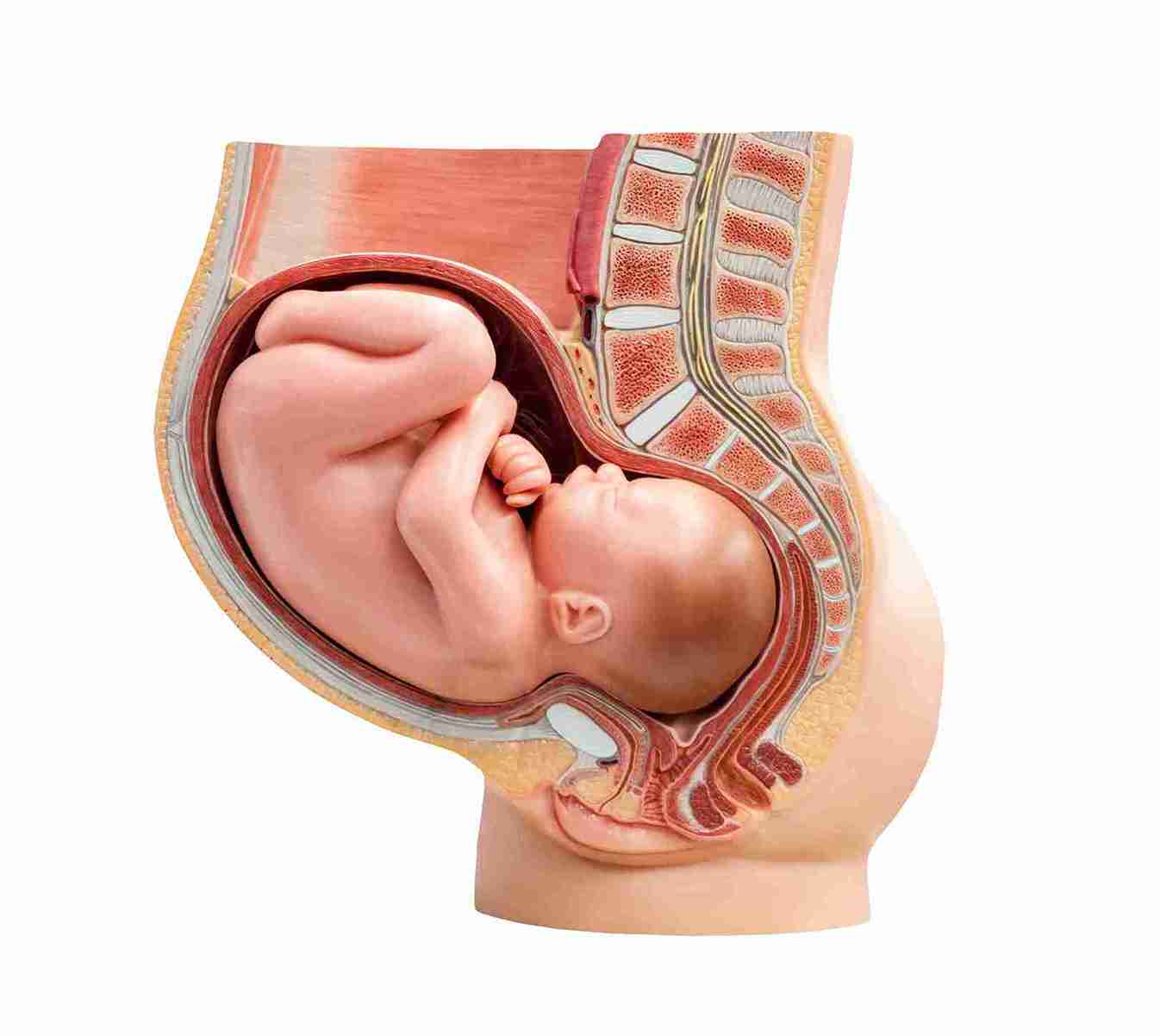
During 16-24 weeks, your gynaecologists rely on the following clinical methods to monitor pregnancy and assess the risk of preterm birth.
A transvaginal ultrasound can help measure the length of the cervix, as a short cervix, i.e, less than 25 mm, is a primary risk factor of preterm birth.
This test is usually recommended during 22-34 weeks, when pregnant women suffer from cramping, increased pressure on the pelvis and severe backache. This noninvasive procedure detects the protein fibronectin, indicating a high risk of preterm birth.
An ultrasound scan helps determine the placenta's size. A too-thin or too-thick placenta is a potential sign of a pregnancy complication that may lead to preterm birth. Follow-up scans are performed during the third trimester to check the position of the placenta, as a low-lying placenta, also called placenta previa or placenta insufficiency, can trigger early labour.
A regular blood test during the second trimester can help screen for infections, including bacterial vaginosis, urinary tract infections and STIs.
In case of preterm delivery symptoms, including unusual vaginal discharge, abdominal cramps and pelvic pressure, your gynaecologist makes use of a tocodynamometer to measure and monitor the pattern and frequency of uterine contractions to differentiate between false contractions and preterm labour.
During the third trimester of your pregnancy, i.e., 28-36 weeks, your doctor performs the following monitoring techniques in case of a high-risk pregnancy.
● A nonstress test, or NST, checks for fetal movement and distress by measuring the baby’s heart rate.
● Amniotic fluid levels are monitored, as low amniotic fluid can be due to placental or fetal developmental issues, which may trigger early labour.
● Medically indicated preterm birth can be avoided with constant monitoring of blood pressure.
_11zon.jpg)
Your gynaecologist comes up with specific medical approaches to prevent preterm birth based on the nature of the pregnancy complication.
● Progesterone therapy is highly effective for treating women with a short cervix and a previous history of preterm birth.
● Cervical cerclage procedure is recommended in case of painless dilation and a short cervix, i.e., less than 25 mm.
● Tocolytic medications are usually prescribed to suppress premature labour.
Preterm birth prevention is a continuous process that starts from the preconception stage and continues throughout pregnancy. It is a multistep process, including managing existing medications, lifestyle modifications, regular prenatal visits, regular monitoring with specialised screening techniques, and management of preterm labour. Early and consistent prenatal care can help identify risks associated with pregnancies and prevent preterm birth. Thanks to advanced pregnancy monitoring and screening techniques, mothers can successfully reach a full-term pregnancy.


Gynaecologists usually recommend pelvic examinations and laboratory tests to avoid preterm birth. Regular monitoring of cervical length, uterine and fetal monitoring using transvaginal ultrasound can help assess the risk of preterm birth and avoid preterm birth.
If you notice or experience frequent contractions, constant backache, increased pressure on the pelvis, bloody or watery vaginal discharge, and strong cramps in the lower abdomen, it can be a warning sign of preterm labour requiring immediate medical care.
Healthy lifestyle choices can improve women's overall health during pregnancy and help manage medical conditions, thereby reducing the risk of preterm birth. It also creates a favourable environment for fetal growth.
If you’re at risk of early labour, your doctor may insist on frequent prenatal checks. Consult your gynaecologist every 2 weeks in the second trimester for regular monitoring of key risk factors that may trigger early labour. In the third semester, prenatal check-ups are usually scheduled weekly to identify potential issues related to early labour.


 Best Gynecologists in Bellandur Best Gynecologists in Electronic City Best Gynecologists in HRBR LayoutBest Gynecologists in Jayanagar Best Gynecologists in Kanakapura RoadBest Gynecologists in Malleswaram Best Gynecologists in Nagarbhavi Best Gynecologists in Old Airport RoadBest Gynecologists in Sahakarnagar Best Gynecologists in Sarjapur RoadBest Gynecologists in ThanisandraBest Gynecologists in Varthur RoadBest Gynecologists in Whitefield Best Gynecologists in Industrial Area Phase IIBest Gynecologists in OMRBest Gynecologists in T NagarBest Gynecologists in New Industrial TownBest Gynecologists in IndirapuramBest Gynecologists in Golf Course RoadBest Gynecologists in Sector 14Best Gynecologists in Sector 47Best Gynecologists in Banjara HillsBest Gynecologists in GachibowliBest Gynecologists in Hitech CityBest Gynecologists in KompallyBest Gynecologists in Gomti NagarBest Gynecologists in Phase 3, Sector 58Best Gynecologists in MaladBest Gynecologists in NerulBest Gynecologists in VashiBest Gynecologists in Kailash ColonyBest Gynecologists in PatparganjBest Gynecologists in Punjabi BaghBest Gynecologists in VikaspuriBest Gynecologists in Gaur CityBest Gynecologists in Pari ChowkBest Gynecologists in Sector 51Best Gynecologists in Sector 5 Swastik ViharBest Gynecologists in Kalyani NagarBest Gynecologists in SB RoadBest Gynecologists in Pimple SaudagarBest Pediatricians in BellandurBest Pediatricians in Electronic CityBest Pediatricians in HRBR LayoutBest Pediatricians in JayanagarBest Pediatricians in Kanakapura RoadBest Pediatricians in MalleswaramBest Pediatricians in NagarbhaviBest Pediatricians in Old Airport RoadBest Pediatricians in SahakarnagarBest Pediatricians in Sarjapur RoadBest Pediatricians in ThanisandraBest Pediatricians in Varthur RoadBest Pediatricians in WhitefieldBest Pediatricians in Industrial Area Phase IIBest Pediatricians in OMRBest Pediatricians in T NagarBest Pediatricians in New Industrial TownshipBest Pediatricians in IndirapuramBest Pediatricians in Golf Course RoadBest Pediatricians in Sector 14Best Pediatricians in Sector 47Best Pediatricians in Hitech CityBest Pediatricians in Banjara HillsBest Pediatricians in GachibowliBest Pediatricians in KompallyBest Pediatricians in Gomti NagarBest Pediatricians in Phase 3, Sector 58Best Pediatricians in MaladBest Pediatricians in NerulBest Pediatricians in VashiBest Pediatricians in Kailash ColonyBest Pediatricians in PatparganjBest Pediatricians in Punjabi BaghBest Pediatricians in VikaspuriBest Pediatricians in Gaur CityBest Pediatricians in Pari ChowkBest Pediatricians in Sector 51Best Pediatricians in Sector 5 Swastik ViharBest Pediatricians in Kalyani NagarBest Pediatricians in SB RoadBest Pediatricians in Pimple Saudagar


