
The first trimester is marked as one of the most sensitive periods of pregnancy. In these initial weeks, the baby's organs start to develop, cell multiplication is going at a fast pace, and the immune system of a pregnant woman becomes slightly weaker, making her more susceptible to infections. This is why nutrition and food safety matter so much during early pregnancy. Understanding which foods to avoid when pregnant in first trimester will help prevent complications, foodborne illnesses, and unnecessary stress.
Before delving deeper into the detailed list, it is critical to point out that not all foods in the list of unsafe foods actually cause harm immediately. Some of them only cause harm if eaten raw, contaminated, unpasteurised, or taken in immoderate quantities. Awareness and informed choices go a long way in supporting a healthy first trimester.

The first trimester is very crucial because
Foods that are raw or contaminated contain bacteria such as Listeria, Salmonella, or E. coli. The immunity is lowered in pregnant women, so they are more susceptible.
Certain fish contain high levels of mercury, which might damage the baby's developing brain and nervous system.
Large doses of vitamin A, particularly from supplements or animal sources, can result in fetal complications.
Digestive changes may increase sensitivity to contamination, acidity, and irritant foods.
Understanding these risks helps in being aware of the things to avoid during pregnancy 1st trimester, which forms an essential aspect of self-care.
Examples include sushi, raw shellfish, or partially cooked fish.
Why to avoid: Risk of parasites and bacterial infections.
Safer alternative: Fish that is thoroughly cooked, steamed prawns, and salmon baked in an oven.
Avoid king mackerel, swordfish, shark, and tilefish.
Why to avoid: Mercury could affect the nervous system of the unborn baby.
Safer alternative: Rohu, tilapia, salmon, trout.

Medium-rare, bloody, or pink-coloured meats may contain harmful microbes.
Safer alternative: Tikkas, kebabs, and curries that are fully cooked.
Homemade mayonnaise, mousse, and sunny-side-up eggs are potentially hazardous.
Safer alternative: hard-boiled or well-cooked eggs.
Cheeses such as feta, brie, or unpasteurised paneer may contain Listeria.
Safer alternative: Boiled milk, packaged pasteurised dairy
Alfalfa, moong sprouts, and soybean sprouts can actually carry bacteria inside.
Safer alternative: Lightly cooked sprouts.
They can carry pesticide residue or injurious microbes.
Tip: Rinse thoroughly under running water; peel if possible.
Nitrates or bacteria might be found in sausages, deli meats, salami, and preserved meats.
Safer alternative: Newly cooked chicken, turkey, or fish.
More than 200 mg/day increases the risk of miscarriage in some studies.
Safer alternative: Herbal teas, warm milk, infused water.
No safe level is established in pregnancy. Alcohol should be avoided altogether.
Chips, fried snacks, instant noodles, and sweetened pastries offer low nutrition.
Safer alternative: nuts, fruits, home-made snacks.
Raw papaya, especially when unripe, contains latex, which could cause contractions. This should be completely avoided.
Since pineapple contains bromelain, large quantities may provoke acidity.

Golgappas, bhels, roadside snacks, and cut fruits may be contaminated.
Why: Water hygiene is usually doubtful.
Risk of listeria, TB bacteria, or contamination.
Safer alternative: Boiled or packaged milk.
Partly grilled meats may carry harmful bacteria.
This is because some varieties of river or deep-sea fish may be unsafe in excess.
These little steps go a long way in understanding which foods to avoid in first trimester of pregnancy.
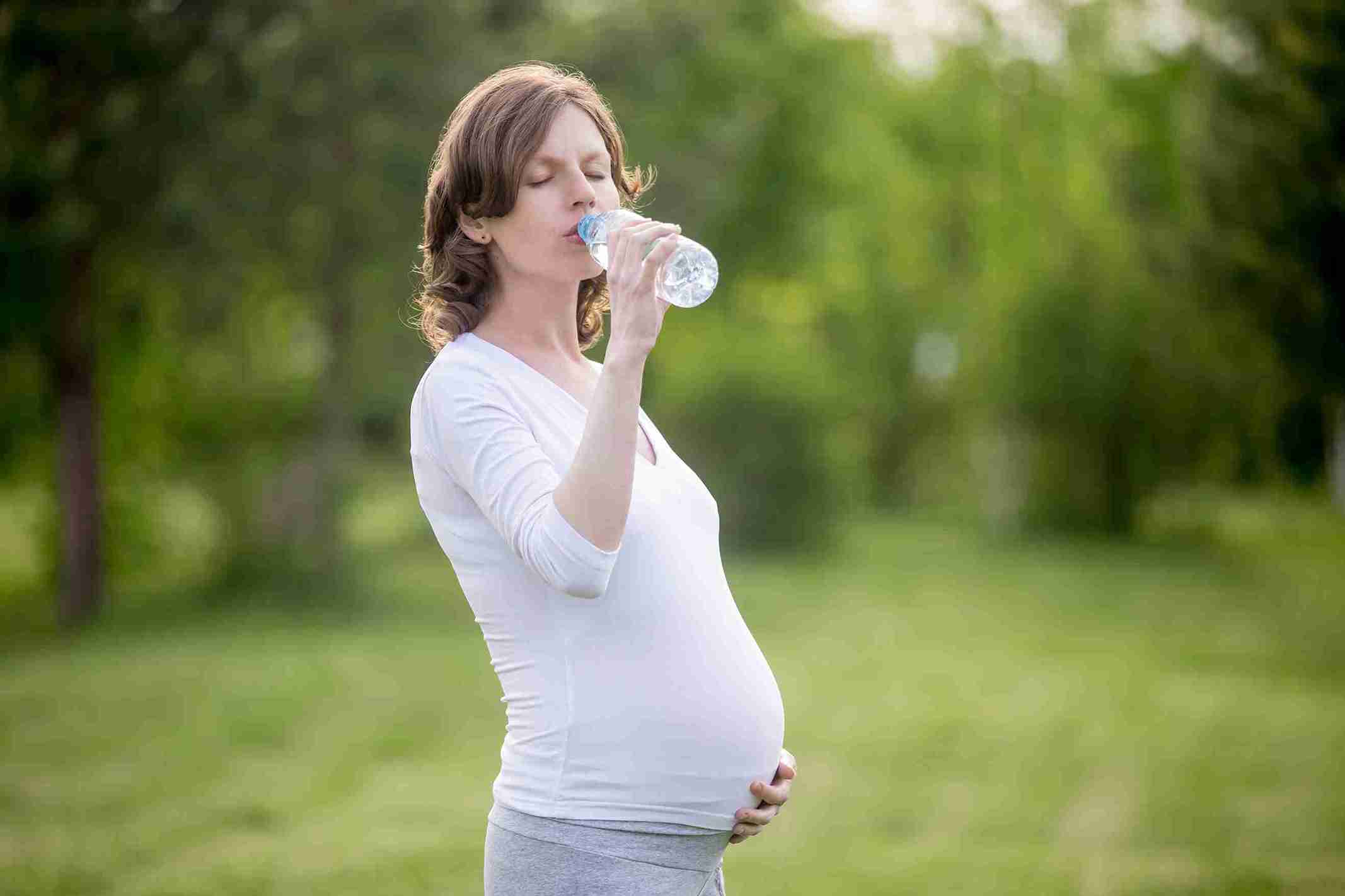
Do’s
Don'ts
Consult a doctor if you have
Prompt advice can prevent complications.
Many expecting families seek safe, personalised, medically guided care during the earliest stages of pregnancy. Cloudnine Hospitals integrates clinical excellence, advanced diagnostics, and empathetic care in a patient-centred environment. Their specialists ensure that every dietary recommendation is individualised to help women navigate foods to avoid in first trimester based on their lifestyle, existing condition, or nutritional requirements. With reassuring round-the-clock guidance, safe prenatal monitoring, and high-quality consultations, Cloudnine brings clarity where it is most needed.

First-trimester eating requires thoughtfulness regarding nutrition and which foods should be avoided to ensure a smooth, healthy pregnancy. You can build such a diet with the help of safer alternatives, mindful eating habits, and professional guidance. When not sure, choose fresh and well-cooked food, and rely on the advice given by experts at reputable facilities such as Cloudnine for making confident decisions.

Raw seafood, including high-mercury fish, should also be avoided, along with unpasteurised dairy products and raw eggs. As much as possible, processed meats should be avoided.
Anything raw, contaminated, unpasteurised, or alcoholic is off-limits; try to avoid caffeine as well.
The developing organism is most sensitive during weeks 4 to 12 because of the rapid development of organs.
Higher-risk foods include raw meats, vegetables that aren't washed, soft cheeses, and fish containing high levels of mercury.







 Best Gynecologists in Bellandur Best Gynecologists in Electronic City Best Gynecologists in HRBR LayoutBest Gynecologists in Jayanagar Best Gynecologists in Kanakapura RoadBest Gynecologists in Malleswaram Best Gynecologists in Nagarbhavi Best Gynecologists in Old Airport RoadBest Gynecologists in Sahakarnagar Best Gynecologists in Sarjapur RoadBest Gynecologists in ThanisandraBest Gynecologists in Varthur RoadBest Gynecologists in Whitefield Best Gynecologists in Industrial Area Phase IIBest Gynecologists in OMRBest Gynecologists in T NagarBest Gynecologists in New Industrial TownBest Gynecologists in IndirapuramBest Gynecologists in Golf Course RoadBest Gynecologists in Sector 14Best Gynecologists in Sector 47Best Gynecologists in Banjara HillsBest Gynecologists in GachibowliBest Gynecologists in Hitech CityBest Gynecologists in KompallyBest Gynecologists in Jawahar NagarBest Gynecologists in Gomti NagarBest Gynecologists in Phase 3, Sector 58Best Gynecologists in MaladBest Gynecologists in NerulBest Gynecologists in VashiBest Gynecologists in Kailash ColonyBest Gynecologists in PatparganjBest Gynecologists in Punjabi BaghBest Gynecologists in RohiniBest Gynecologists in VikaspuriBest Gynecologists in Gaur CityBest Gynecologists in Pari ChowkBest Gynecologists in Sector 51Best Gynecologists in Sector 5 Swastik ViharBest Gynecologists in Kalyani NagarBest Gynecologists in SB RoadBest Gynecologists in Pimple SaudagarBest Pediatricians in BellandurBest Pediatricians in Electronic CityBest Pediatricians in HRBR LayoutBest Pediatricians in JayanagarBest Pediatricians in Kanakapura RoadBest Pediatricians in MalleswaramBest Pediatricians in NagarbhaviBest Pediatricians in Old Airport RoadBest Pediatricians in SahakarnagarBest Pediatricians in Sarjapur RoadBest Pediatricians in ThanisandraBest Pediatricians in Varthur RoadBest Pediatricians in WhitefieldBest Pediatricians in Industrial Area Phase IIBest Pediatricians in OMRBest Pediatricians in T NagarBest Pediatricians in New Industrial TownshipBest Pediatricians in IndirapuramBest Pediatricians in Golf Course RoadBest Pediatricians in Sector 14Best Pediatricians in Sector 47Best Pediatricians in Hitech CityBest Pediatricians in Banjara HillsBest Pediatricians in GachibowliBest Pediatricians in KompallyBest Pediatricians in Jawahar NagarBest Pediatricians in Gomti NagarBest Pediatricians in Phase 3, Sector 58Best Pediatricians in MaladBest Pediatricians in NerulBest Pediatricians in VashiBest Pediatricians in Kailash ColonyBest Pediatricians in PatparganjBest Pediatricians in Punjabi BaghBest Pediatricians in RohiniBest Pediatricians in VikaspuriBest Pediatricians in Gaur CityBest Pediatricians in Pari ChowkBest Pediatricians in Sector 51Best Pediatricians in Sector 5 Swastik ViharBest Pediatricians in Kalyani NagarBest Pediatricians in SB RoadBest Pediatricians in Pimple Saudagar


