





Parenting in today's world is fast-evolving, influenced by rapidly changing family structures, shifting cultural norms, and increasingly busy lifestyles. As families try to offer the best emotional and financial support to children, certain modern behavioural issues are fast becoming commonplace. One such concern that is gaining attention is the six-pocket syndrome, a pattern seen in numerous nuclear and joint families where a child gets overwhelming indulgence from multiple adult caretakers.
This rising trend often goes unnoticed until behavioural changes become difficult to manage. Understanding it early helps families create healthier boundaries and a more balanced environment for children.

To understand the six-pocket syndrome meaning, envision a child being supported financially, emotionally, and materially by six adults: both parents, along with two sets of grandparents. Each one of these adults has a “pocket,” and together they provide the child with constant attention, affection, and resources.
While this structure initially comes out of love and cultural tradition, it can lead to some overindulgence, lack of boundaries, and other subtle behavioural challenges. Children growing up with six adults eager to fulfil every need may become dependent, demanding, or resistant to discipline if not guided mindfully.
Children in such families often get abundant gifts, immediate attention, and praise from adults who wish to show affection. While warmth is necessary, this overprotecting may blur healthy limits and reduce a child's capacity to tolerate inconvenience or delay.
Each caregiver may have their own beliefs regarding rules. A parent may set boundaries around screen time; a grandparent may relax those rules due to affection. These differences can confuse a child, who may be unclear about what behaviour is acceptable.
Often, misbehaviour gets overruled to save the child from feeling bad. If appropriate action is not taken, children will not learn responsibility due to entitlement or poor decision-making skills.
Working parents may find themselves compensating for limited time by giving gifts or showing leniency. Similarly, grandparents often attempt to show love through indulgence because they feel this strengthens their bond.
Often, the screen becomes an easy tool to occupy children. When multiple adults rely on this digital entertainment to keep the child engaged, it can deepen dependence and limit creative or social growth.
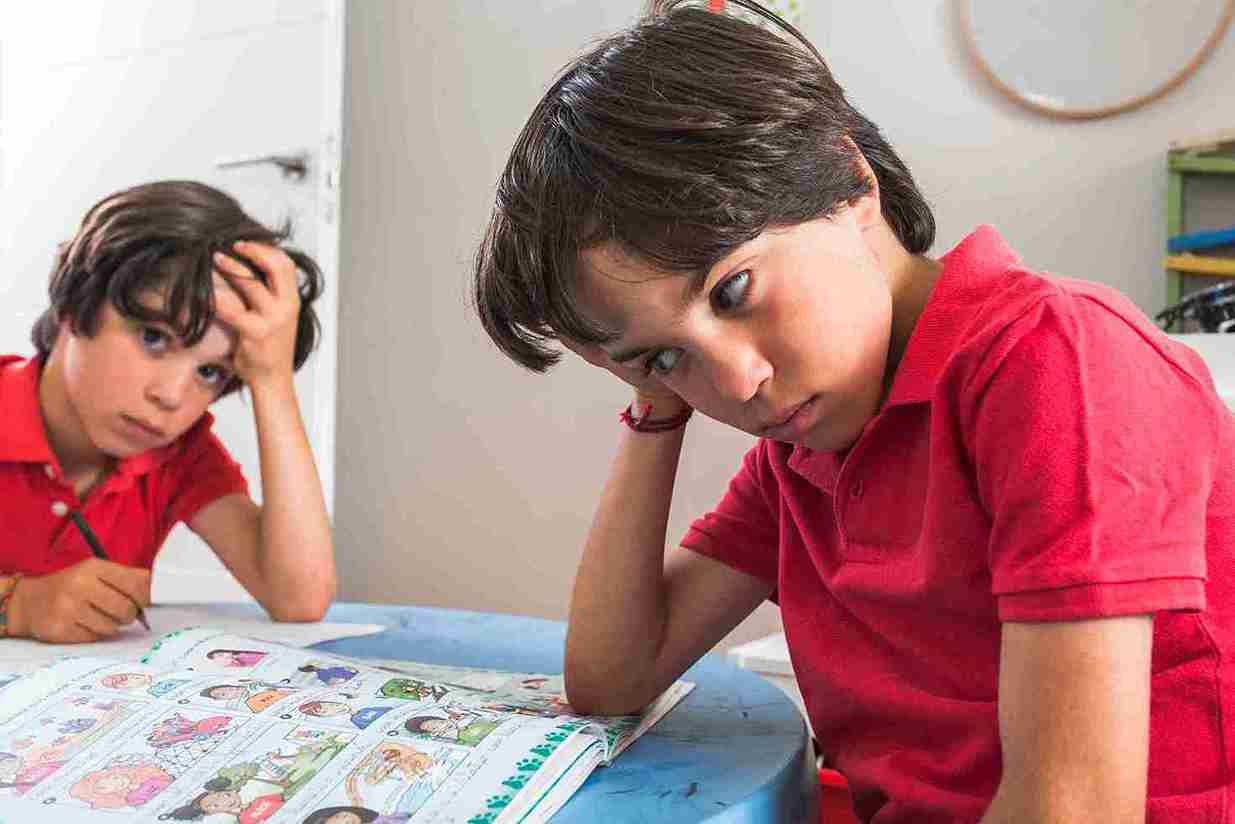
They may expect to get their wishes immediately and should never have to hear the word “no.” This behaviour is indicative of problems with delayed gratification.
Children may also get frustrated with failure or setbacks in any form because adults have constantly resolved problems for them.
This makes it difficult for children who were raised with excessive assistance from their parents to share with one another, cooperate, show patience, etc. As a result, they may be very dominant when it comes to playing a game with their peers or very upset when their peers do not do exactly what they expect.
Adult intervention also takes away the ability for a child to develop independence or critical thinking skills.
More frequent tantrums or attempts to gain attention may occur because adults reinforce this behaviour by giving in to the demands of the child.
Academically, children who are used to receiving things immediately will have trouble with consistent routine, discipline, and focused studies/learning in a structured way (i.e., homework) due to their lack of patience. They will most likely consider homework and various forms of structured learning as boring.
Low tolerance to stress may lead to problems with confidence. Children can then become anxious, hypersensitive, or dependent on others for emotional regulation.

Friendships can be affected when a child has difficulties with cooperation or shows entitlement. Group activities may well become overwhelming.
Easy access to gifts, toys, or treats stands in the way of a child developing an appreciation for value or healthy financial habits.
Overconfidence, disregard for rules, or even rebellion against authority might surface later if these habits formed in childhood are not dealt with.
Shift from frequent gifting to rewarding effort: praise, encouragement, and meaningful time together.
Assign simple chores such as putting away toys or cleaning their room. Responsibilities build independence.
Instead of solving each problem, guide children in thinking, choosing, and naturally learning from safe mistakes.

Encourage outdoor play, reading, hobbies, and family bonding time without gadgets.
Use firm yet loving communication. Clear consequences, consistent rules, and structured routines help children feel secure.
A child psychologist or counsellor may be helpful if:
Early intervention helps rebalance and supports healthier development.
Cloudnine offers expert paediatric behavioural counselling backed by experienced child specialists and family therapists. Their approach focuses on understanding each child holistically—emotionally, socially, and developmentally.
Families receive personalised guidance, structured behaviour plans, and ongoing support to ensure long-term wellbeing. The hospital emphasises empathetic, evidence-based care, making it a trusted choice for parents seeking clarity and professional reassurance.

Six-pocket syndrome reflects a modern parenting challenge rooted in love, but without guidance, it may unintentionally affect a child’s behaviour, resilience, and independence. With consistent boundaries, supportive communication, and balanced discipline, parents and caregivers can create a nurturing environment that helps children grow into confident, emotionally strong individuals. Thoughtful involvement from all family members ensures children receive affection and structure in equal measure—setting the foundation for a healthier future.

A family structure in which one child is supported by six adults, parents and both sets of grandparents, leading often to overindulgence.
A behavioural pattern where a child receives too much financial and emotional attention from six caregivers, which results in entitlement or dependency.
The frequent result of the one-child policy is that a single child becomes the only focus of all financial and emotional investment by both parents and grandparents.
A dynamic wherein a child is excessively praised and idealised, leading to pressure to perform and an inability to handle criticism.


 Best Gynecologists in Bellandur Best Gynecologists in Electronic City Best Gynecologists in HRBR LayoutBest Gynecologists in Jayanagar Best Gynecologists in Kanakapura RoadBest Gynecologists in Malleswaram Best Gynecologists in Nagarbhavi Best Gynecologists in Old Airport RoadBest Gynecologists in Sahakarnagar Best Gynecologists in Sarjapur RoadBest Gynecologists in ThanisandraBest Gynecologists in Varthur RoadBest Gynecologists in Whitefield Best Gynecologists in Industrial Area Phase IIBest Gynecologists in OMRBest Gynecologists in T NagarBest Gynecologists in New Industrial TownBest Gynecologists in IndirapuramBest Gynecologists in Golf Course RoadBest Gynecologists in Sector 14Best Gynecologists in Sector 47Best Gynecologists in Banjara HillsBest Gynecologists in GachibowliBest Gynecologists in Hitech CityBest Gynecologists in KompallyBest Gynecologists in Gomti NagarBest Gynecologists in MaladBest Gynecologists in NerulBest Gynecologists in VashiBest Gynecologists in Kailash ColonyBest Gynecologists in PatparganjBest Gynecologists in Punjabi BaghBest Gynecologists in VikaspuriBest Gynecologists in Gaur CityBest Gynecologists in Pari ChowkBest Gynecologists in Sector 51Best Gynecologists in Sector 5 Swastik ViharBest Gynecologists in Kalyani NagarBest Gynecologists in SB RoadBest Gynecologists in Pimple SaudagarBest Pediatricians in BellandurBest Pediatricians in Electronic CityBest Pediatricians in HRBR LayoutBest Pediatricians in JayanagarBest Pediatricians in Kanakapura RoadBest Pediatricians in MalleswaramBest Pediatricians in NagarbhaviBest Pediatricians in Old Airport RoadBest Pediatricians in SahakarnagarBest Pediatricians in Sarjapur RoadBest Pediatricians in ThanisandraBest Pediatricians in Varthur RoadBest Pediatricians in WhitefieldBest Pediatricians in Industrial Area Phase IIBest Pediatricians in OMRBest Pediatricians in T NagarBest Pediatricians in New Industrial TownshipBest Pediatricians in IndirapuramBest Pediatricians in Golf Course RoadBest Pediatricians in Sector 14Best Pediatricians in Sector 47Best Pediatricians in Hitech CityBest Pediatricians in Banjara HillsBest Pediatricians in GachibowliBest Pediatricians in KompallyBest Pediatricians in Gomti NagarBest Pediatricians in MaladBest Pediatricians in NerulBest Pediatricians in VashiBest Pediatricians in Kailash ColonyBest Pediatricians in PatparganjBest Pediatricians in Punjabi BaghBest Pediatricians in VikaspuriBest Pediatricians in Gaur CityBest Pediatricians in Pari ChowkBest Pediatricians in Sector 51Best Pediatricians in Sector 5 Swastik ViharBest Pediatricians in Kalyani NagarBest Pediatricians in SB RoadBest Pediatricians in Pimple Saudagar


