
Pregnancy introduces a storm of cravings, nutritional needs, and confusion about what is safe to eat. One popular question among pregnant women is: Is lemon safe for pregnant women? Lemon is frequently used as a remedy against morning sickness, to improve hydration, or just to give food and beverages a boost of flavour. Although taking lemon during pregnancy has various advantages, its safety lies in the manner in which it is taken, the amount, and in which trimester.
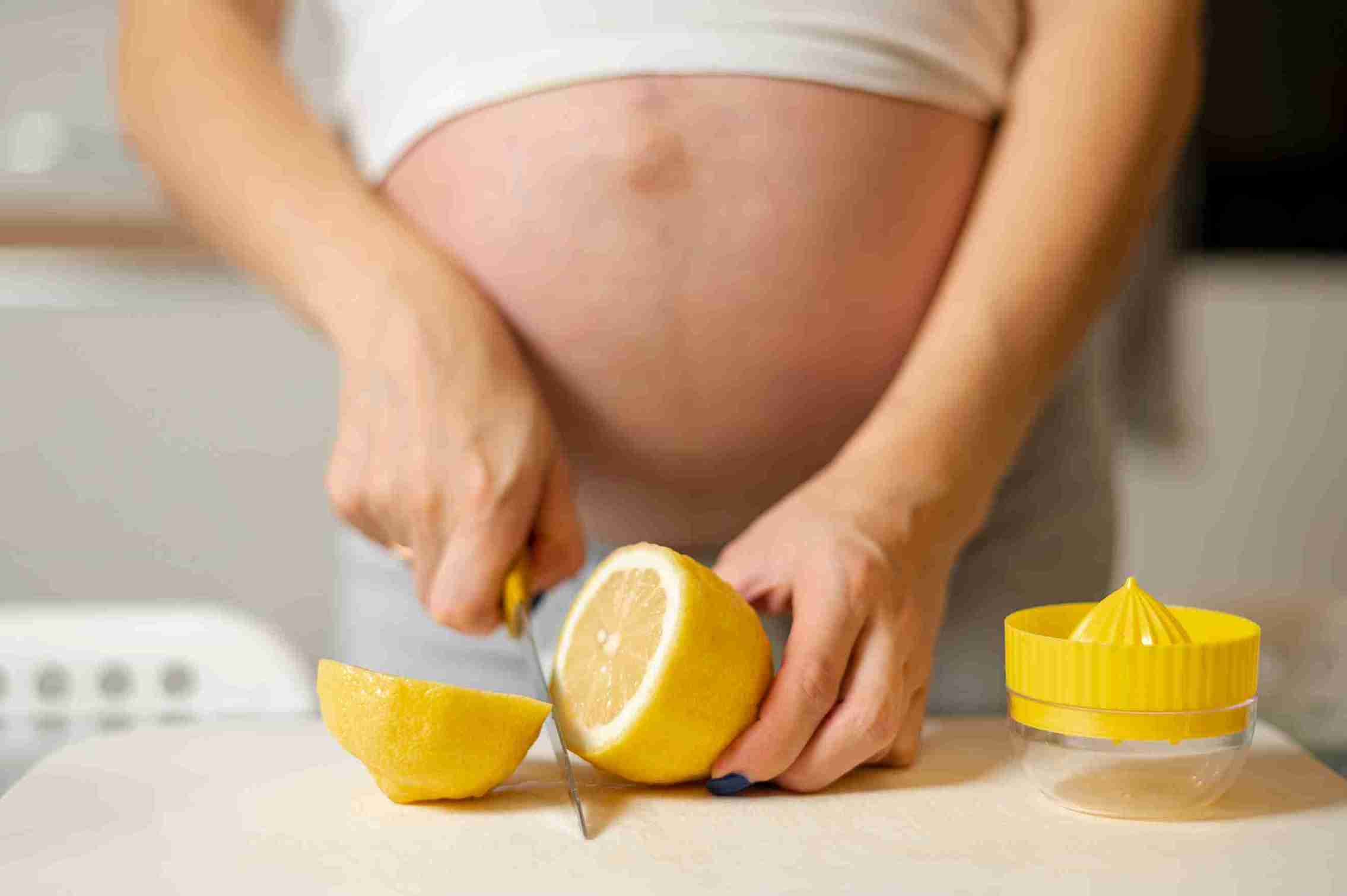
Lemon is a small, nutrient-rich fruit. It has a range of benefits that includes:
Lemon contains plenty of vitamin C that enhances immunity, aids tissue repair, and fights infections. Antioxidants in lemon also protect cells from oxidative stress.
Lemon water can facilitate easy fulfilment of daily fluid intake, keeping the body well-hydrated.
Vitamin C improves the uptake of non-heme iron from plant foods, ensuring healthy haemoglobin levels and avoiding anaemia.
Even if available in minute quantities, lemon's folate is added to the total nutritional value needed for a healthy pregnancy.
Lemon's sour taste has the ability to provide nausea relief, especially in the first trimester. Consuming lemon water during pregnancy makes women feel less nauseous and more at ease.
Lemon water promotes fluid consumption, which is vital for blood volume, amniotic fluid, and general well-being.
Vitamin C makes the body more resilient, while natural acids in lemon help with digestion and prevent constipation.
If lemon juice is consumed after meals or before iron-containing foods, the body will be able to absorb higher levels of iron, essential for preventing anaemia during pregnancy.

Lemon is safe to use for most people, but excessive use may lead to the following problems:
Consuming lemon water during pregnancy 1st trimester may relieve nausea and morning sickness. It is best taken diluted in water. However, it is best to avoid lemon water if it triggers reflux.
During this period, consuming lemon water is generally safe. It aids hydration, digestion, and iron absorption.
Lemon water during pregnancy 3rd trimester has to be taken with caution, as heartburn is more likely. It is recommended to take diluted lemon water during the day and not in the evening. If any stomach discomfort arises, immediately discontinue use.

Cloudnine offers complete care to pregnant women with attention to nutrition, wellness, and individualised advice. Cloudnine's experienced obstetricians and nutritionists advise expectant mothers on healthy eating habits, such as the consumption of lemon and other fruits.
Through up-to-date monitoring and trimester-specific advice, Cloudnine guarantees that nutrition benefits the mother's well-being as well as the development of the fetus. Patients are provided with customised advice in order to balance cravings, alleviate discomfort, and maximise overall health during pregnancy.
So, if you're wondering, “Is lemon good for pregnant women?” Here is the answer.
In a mild amount, it is safe and healthy in pregnancy. It might reduce nausea, hydrate, boost immunity, and aid iron absorption. Trimester-specific considerations are important, particularly in women with heartburn. Diluted fresh lemon water taken with caution is a health bonus to a well-balanced pregnancy meal plan. Always seek advice from a physician if in doubt.


Yes, when diluted and taken in moderation, lemon water is harmless and can provide hydration and relief from nausea.
A daily intake of one to two lemons is usually okay; do not take too much to avoid irritating your stomach or eroding enamel.
Lemon cravings can be caused by a refreshing flavour, nausea relief, or heightened vitamin C and hydration needs.
Fresh lemon or diluted lemon water in moderate amounts is safe. Do not consume processed lemon drinks that have added sugar or preservatives.







 Best Gynecologists in Bellandur Best Gynecologists in Electronic City Best Gynecologists in HRBR LayoutBest Gynecologists in Jayanagar Best Gynecologists in Kanakapura RoadBest Gynecologists in Malleswaram Best Gynecologists in Nagarbhavi Best Gynecologists in Old Airport RoadBest Gynecologists in Sahakarnagar Best Gynecologists in Sarjapur RoadBest Gynecologists in ThanisandraBest Gynecologists in Varthur RoadBest Gynecologists in Whitefield Best Gynecologists in Industrial Area Phase IIBest Gynecologists in OMRBest Gynecologists in T NagarBest Gynecologists in New Industrial TownBest Gynecologists in IndirapuramBest Gynecologists in Golf Course RoadBest Gynecologists in Sector 14Best Gynecologists in Sector 47Best Gynecologists in Banjara HillsBest Gynecologists in GachibowliBest Gynecologists in Hitech CityBest Gynecologists in KompallyBest Gynecologists in Gomti NagarBest Gynecologists in MaladBest Gynecologists in NerulBest Gynecologists in VashiBest Gynecologists in Kailash ColonyBest Gynecologists in PatparganjBest Gynecologists in Punjabi BaghBest Gynecologists in VikaspuriBest Gynecologists in Gaur CityBest Gynecologists in Pari ChowkBest Gynecologists in Sector 51Best Gynecologists in Sector 5 Swastik ViharBest Gynecologists in Kalyani NagarBest Gynecologists in SB RoadBest Gynecologists in Pimple SaudagarBest Pediatricians in BellandurBest Pediatricians in Electronic CityBest Pediatricians in HRBR LayoutBest Pediatricians in JayanagarBest Pediatricians in Kanakapura RoadBest Pediatricians in MalleswaramBest Pediatricians in NagarbhaviBest Pediatricians in Old Airport RoadBest Pediatricians in SahakarnagarBest Pediatricians in Sarjapur RoadBest Pediatricians in ThanisandraBest Pediatricians in Varthur RoadBest Pediatricians in WhitefieldBest Pediatricians in Industrial Area Phase IIBest Pediatricians in OMRBest Pediatricians in T NagarBest Pediatricians in New Industrial TownshipBest Pediatricians in IndirapuramBest Pediatricians in Golf Course RoadBest Pediatricians in Sector 14Best Pediatricians in Sector 47Best Pediatricians in Hitech CityBest Pediatricians in Banjara HillsBest Pediatricians in GachibowliBest Pediatricians in KompallyBest Pediatricians in Gomti NagarBest Pediatricians in MaladBest Pediatricians in NerulBest Pediatricians in VashiBest Pediatricians in Kailash ColonyBest Pediatricians in PatparganjBest Pediatricians in Punjabi BaghBest Pediatricians in VikaspuriBest Pediatricians in Gaur CityBest Pediatricians in Pari ChowkBest Pediatricians in Sector 51Best Pediatricians in Sector 5 Swastik ViharBest Pediatricians in Kalyani NagarBest Pediatricians in SB RoadBest Pediatricians in Pimple Saudagar


