





Getting tested for gestational diabetes is a routine part of prenatal care. If your doctor has scheduled a GTT test during pregnancy, you might have questions. What should you eat beforehand? Do you need to fast? How long does it take? Knowing what to expect helps you prepare and feel less anxious about the test.
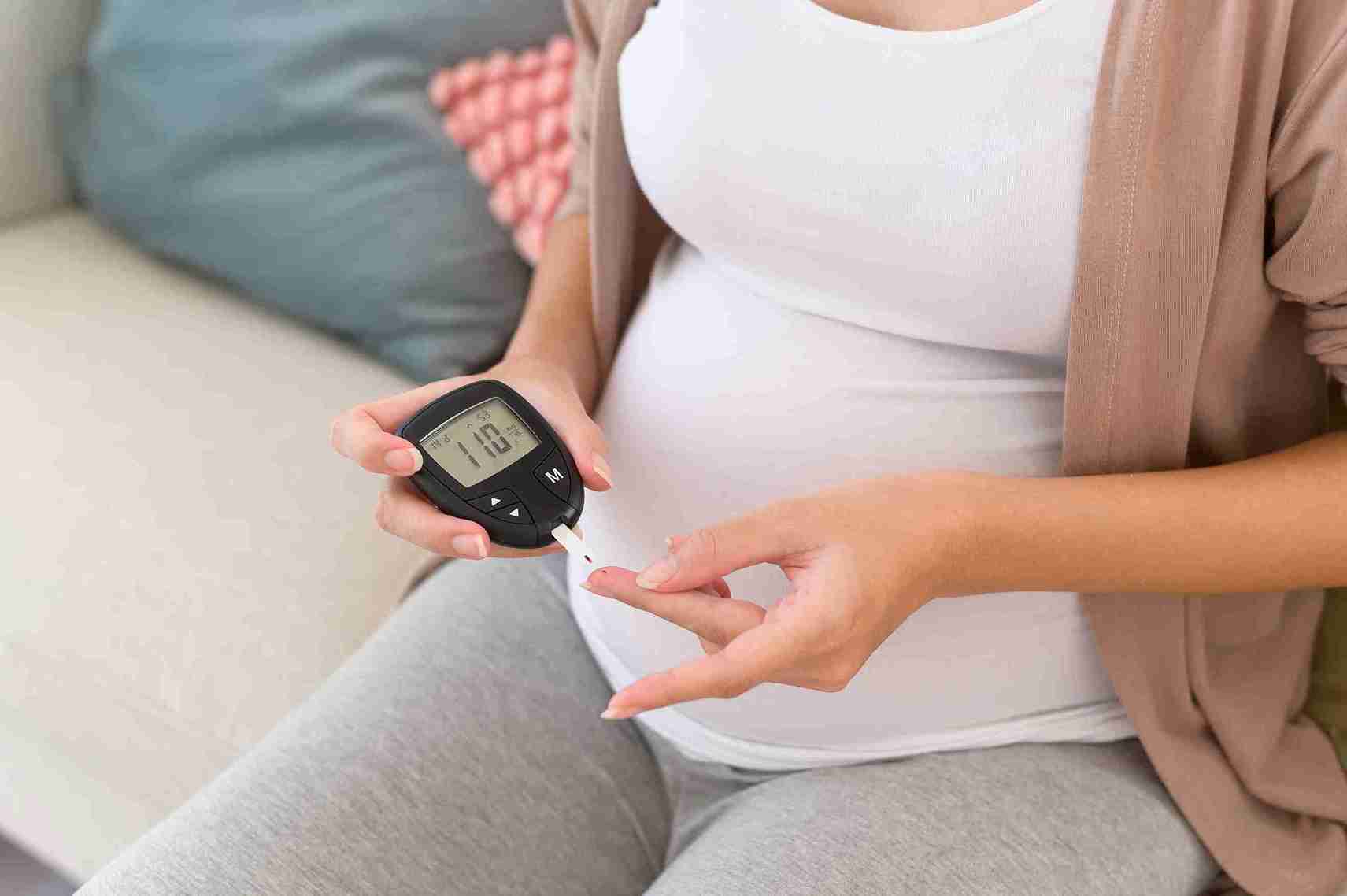
A glucose tolerance test checks how your body processes sugar. During pregnancy, hormones can make it harder for your body to use insulin. This can lead to gestational diabetes. Gestational diabetes means you have too much glucose in your blood during pregnancy. About 8 - 10% of pregnant women develop gestational diabetes. If left untreated, it can cause problems for you and your baby. That's why doctors screen all pregnant women for this condition.
One-Hour Glucose Challenge Test (Screening): This is the first test most women take. It screens for gestational diabetes. You drink a sweet liquid with 50 grams of glucose. One hour later, a nurse draws your blood. This test takes about an hour.
Three-Hour Oral Glucose Tolerance Test Pregnancy (Diagnostic): If your screening test shows high blood sugar, you will need this follow-up test. It diagnoses gestational diabetes. You drink a liquid with more glucose (usually 75 or 100 grams). Blood is drawn before you drink it, then again at one, two, and three hours after. This test takes about three hours.
The one-hour test serves as an initial screening tool. An abnormal result doesn't mean you have gestational diabetes. It just means you need the three-hour test. Many women who fail the screening pass the diagnostic test.
1. Two step 75g OGTT- Blood is drawn after 8 hours of fasting and 2 hours after drinking 75gm glucose solution
2. One Step 75g OGTT- No fasting is required. Blood will be drawn 2 hours after drinking 75 gm of glucose solution
Most women get tested between 24 and 28 weeks of pregnancy. This is usually in the second trimester. Your doctor might test you earlier if you have risk factors.
● Gestational diabetes in a previous pregnancy
● Family history of diabetes
● Age over 35 years
● Obesity
● PCOS or another condition linked to diabetes
● Glucose is detected in your urine during routine prenatal testing
If you had gestational diabetes before, your doctor might test you at 16 weeks. If that test is normal, they will test you again at 24 to 28 weeks.

For the One-Hour Screening Test: You don't usually need to fast. You can eat normally before this test. However, avoid foods high in sugar right before the test. Avoid sugary foods like donuts, pancakes, sugary cereals, juices and soda for breakfast.
For the Three-Hour Diagnostic Test: Yes, fasting before the glucose test during pregnancy is required. You cannot eat or drink anything except water for 8 to 10 hours before the test. Most people fast for 8 to 12 hours. Schedule your test first thing in the morning to make fasting easier. You can have an early dinner the night before, then fast overnight.
Preparing for your glucose test correctly helps you get accurate results. Follow these glucose test pregnancy instructions carefully.
For the One-Hour Screening Test
● Eat your regular meals as usual.
● Stay active. Stick to your usual routine.
● Eat a balanced breakfast if testing later.
● Choose protein, complex carbs and healthy fats.
● Healthy choices: eggs, whole grain toast, yoghurt, cheese, nuts, and vegetables.
● Avoid: donuts, pastries, white bread, sugary cereals, juice, soda, candy.
● Wear outfits with short or loose-fitting sleeves to make blood drawing easier.
● Carry a light snack for after the test in case you feel lightheaded.
● Bring something to keep you busy while you wait (e.g. A book or a phone)

● Eat at least 150 grams of carbohydrates each day. This helps maintain normal insulin sensitivity.
● Good carb sources: bread, rice, pasta, cereal, crackers, fruits, potatoes, beans, corn.
● Have a normal dinner with moderate carbs. Example: chicken, rice, and vegetables.
● Don’t eat or drink anything except water for 8 to 10 hours before your test.
● Schedule your test for the early morning.
● Don't eat anything.
● Don't drink anything except small sips of water.
● Take your prenatal vitamin only if your doctor says it's okay.
● Wear comfortable clothes.
● Carry something to keep you busy for three hours.
● Carry a snack to eat after the test.
● Have someone drive you if possible, as you might feel tired or lightheaded.
If you're diagnosed with gestational diabetes, stay calm—it's manageable. With proper care, you can have a trouble-free pregnancy and a healthy child. Your treatment plan might include one or more of the following:
● Check your blood sugar at home one or more times daily as instructed by your doctor.
● Follow the diet plan your nutritionist specified.
● Stay active with regular exercise as prescribed by your care provider, but don’t overdo it.
● Take prescribed medication if blood sugars are not controlled with diet and exercise.
● Visit your gynaecologist regularly.
Gestational diabetes usually resolves after you give birth. However, it does increase your risk of developing type 2 diabetes later in life. Healthy eating, staying active, and regular checks of your blood sugar after pregnancy help lower this risk.
You might wonder if the test is worth the trouble. It is! Untreated gestational diabetes can cause high blood pressure, preeclampsia, increase the need for a C-section and also indicate a risk of type 2 diabetes later.
Gestational diabetes may also impact the baby. The baby may grow too large (macrosomia), making delivery difficult. The baby may also have low blood sugar at birth, breathing problems or jaundice at the time of birth. Your child may also face a higher risk of obesity and diabetes later in life.
Finding and treating gestational diabetes reduces these risks. The test takes a few hours but protects your health and your baby's health for life.

Preparing for a GTT test during pregnancy is simple when you know what to do. For the screening test, eat a healthy breakfast and avoid sugary foods. For the diagnostic test, eat enough carbs for three days before, then fast for 8 to 10 hours. Following these glucose test pregnancy instructions helps get accurate results. Remember that being tested doesn't mean you have diabetes. It's a simple way to protect you and your baby. If you are diagnosed with gestational diabetes, proper treatment helps ensure a healthy pregnancy.

A GTT test during pregnancy checks how your body processes sugar. It screens for gestational diabetes, a condition where blood sugar gets abnormally high during pregnancy. The test involves drinking a sweet glucose liquid and having blood drawn at specific times. Doctors screen all pregnant women because gestational diabetes affects 8-10% of pregnancies. Finding and treating it early prevents complications for mother and baby.
The oral glucose tolerance test during pregnancy is usually performed between 24 and 28 weeks, during the second trimester. This is when gestational diabetes most often develops. However, doctors may test earlier (around 16 weeks) if you have a history of gestational diabetes, a family history of diabetes, are over 35, have obesity, have PCOS, or have sugar in your urine during prenatal visits.
Fasting before a glucose test during pregnancy depends on which test you are taking. For the one-hour screening test, fasting is not required. You can eat normally, but should avoid sugary foods that morning. For the three-hour diagnostic test, you need to fast. Don't eat or drink anything except water for 8-10 hours before the test. Schedule the test early in the morning so you can fast overnight.
For the one-hour screening, eat a balanced breakfast with protein, complex carbs, and healthy fats. Good choices include eggs, whole-grain toast, yoghurt, or oatmeal. Avoid donuts, pastries, sugary cereals, juice, and soda. For the three-hour test, eat at least 150 grams of carbs daily for three days before testing, then fast 8-10 hours before. Only drink water during the fasting period. Follow any specific instructions your doctor gives you.


 Best Gynecologists in Bellandur Best Gynecologists in Electronic City Best Gynecologists in HRBR LayoutBest Gynecologists in Jayanagar Best Gynecologists in Kanakapura RoadBest Gynecologists in Malleswaram Best Gynecologists in Nagarbhavi Best Gynecologists in Old Airport RoadBest Gynecologists in Sahakarnagar Best Gynecologists in Sarjapur RoadBest Gynecologists in ThanisandraBest Gynecologists in Varthur RoadBest Gynecologists in Whitefield Best Gynecologists in Industrial Area Phase IIBest Gynecologists in OMRBest Gynecologists in T NagarBest Gynecologists in New Industrial TownBest Gynecologists in IndirapuramBest Gynecologists in Golf Course RoadBest Gynecologists in Sector 14Best Gynecologists in Sector 47Best Gynecologists in Banjara HillsBest Gynecologists in GachibowliBest Gynecologists in Hitech CityBest Gynecologists in KompallyBest Gynecologists in Gomti NagarBest Gynecologists in MaladBest Gynecologists in NerulBest Gynecologists in VashiBest Gynecologists in Kailash ColonyBest Gynecologists in PatparganjBest Gynecologists in Punjabi BaghBest Gynecologists in VikaspuriBest Gynecologists in Gaur CityBest Gynecologists in Pari ChowkBest Gynecologists in Sector 51Best Gynecologists in Sector 5 Swastik ViharBest Gynecologists in Kalyani NagarBest Gynecologists in SB RoadBest Gynecologists in Pimple SaudagarBest Pediatricians in BellandurBest Pediatricians in Electronic CityBest Pediatricians in HRBR LayoutBest Pediatricians in JayanagarBest Pediatricians in Kanakapura RoadBest Pediatricians in MalleswaramBest Pediatricians in NagarbhaviBest Pediatricians in Old Airport RoadBest Pediatricians in SahakarnagarBest Pediatricians in Sarjapur RoadBest Pediatricians in ThanisandraBest Pediatricians in Varthur RoadBest Pediatricians in WhitefieldBest Pediatricians in Industrial Area Phase IIBest Pediatricians in OMRBest Pediatricians in T NagarBest Pediatricians in New Industrial TownshipBest Pediatricians in IndirapuramBest Pediatricians in Golf Course RoadBest Pediatricians in Sector 14Best Pediatricians in Sector 47Best Pediatricians in Hitech CityBest Pediatricians in Banjara HillsBest Pediatricians in GachibowliBest Pediatricians in KompallyBest Pediatricians in Gomti NagarBest Pediatricians in MaladBest Pediatricians in NerulBest Pediatricians in VashiBest Pediatricians in Kailash ColonyBest Pediatricians in PatparganjBest Pediatricians in Punjabi BaghBest Pediatricians in VikaspuriBest Pediatricians in Gaur CityBest Pediatricians in Pari ChowkBest Pediatricians in Sector 51Best Pediatricians in Sector 5 Swastik ViharBest Pediatricians in Kalyani NagarBest Pediatricians in SB RoadBest Pediatricians in Pimple Saudagar


