
Pregnancy brings a flood of advice, especially when it comes to food. Many expectant mothers wonder if something they are eating might impact their baby’s health or contribute to issues such as Down syndrome. Such concerns are valid, but it is essential to distinguish fact from myth. While proper nutrition is a crucial component of a healthy pregnancy, Down syndrome is a genetic disorder and cannot be caused or prevented by what a woman eats during pregnancy. The purpose of this article is to clarify common queries, explain the real role of nutrition, and highlight important precautions in early pregnancy.

This is one of the myths about pregnancy nutrition.
Down syndrome is caused by the presence of an extra chromosome, namely Trisomy 21. This chromosomal abnormality occurs at conception and is not affected by diet, fruits, vitamins, or lifestyle factors during pregnancy.
There is no scientific evidence that any food can:
This implies that looking for foods to avoid Down syndrome during pregnancy may not be helpful. This is because healthy practices are always important, but there is no food that can help change the chromosomes of a baby.
What helps is:
This is because these steps are helpful in making informed decisions and acting early, rather than looking for ways to prevent through healthy eating.

While food cannot affect genetic disorders, healthy eating is very important in the general growth of the baby. This is because healthy eating habits help in the development of:
Healthy eating also helps prevent complications such as neural tube defects, anaemia, gestational diabetes, and infections. The importance of healthy eating during pregnancy is not to affect the genetic makeup of the baby, but to create the best possible environment for healthy growth.
When discussing foods to avoid Down syndrome during pregnancy, it’s more accurate to focus on foods that can cause infections, toxicity, or developmental problems.
These can have bacteria like Salmonella or parasites like Toxoplasma, which can be dangerous during pregnancy.
Soft cheeses and raw milk can have Listeria, an infection that can cause miscarriage or preterm delivery.
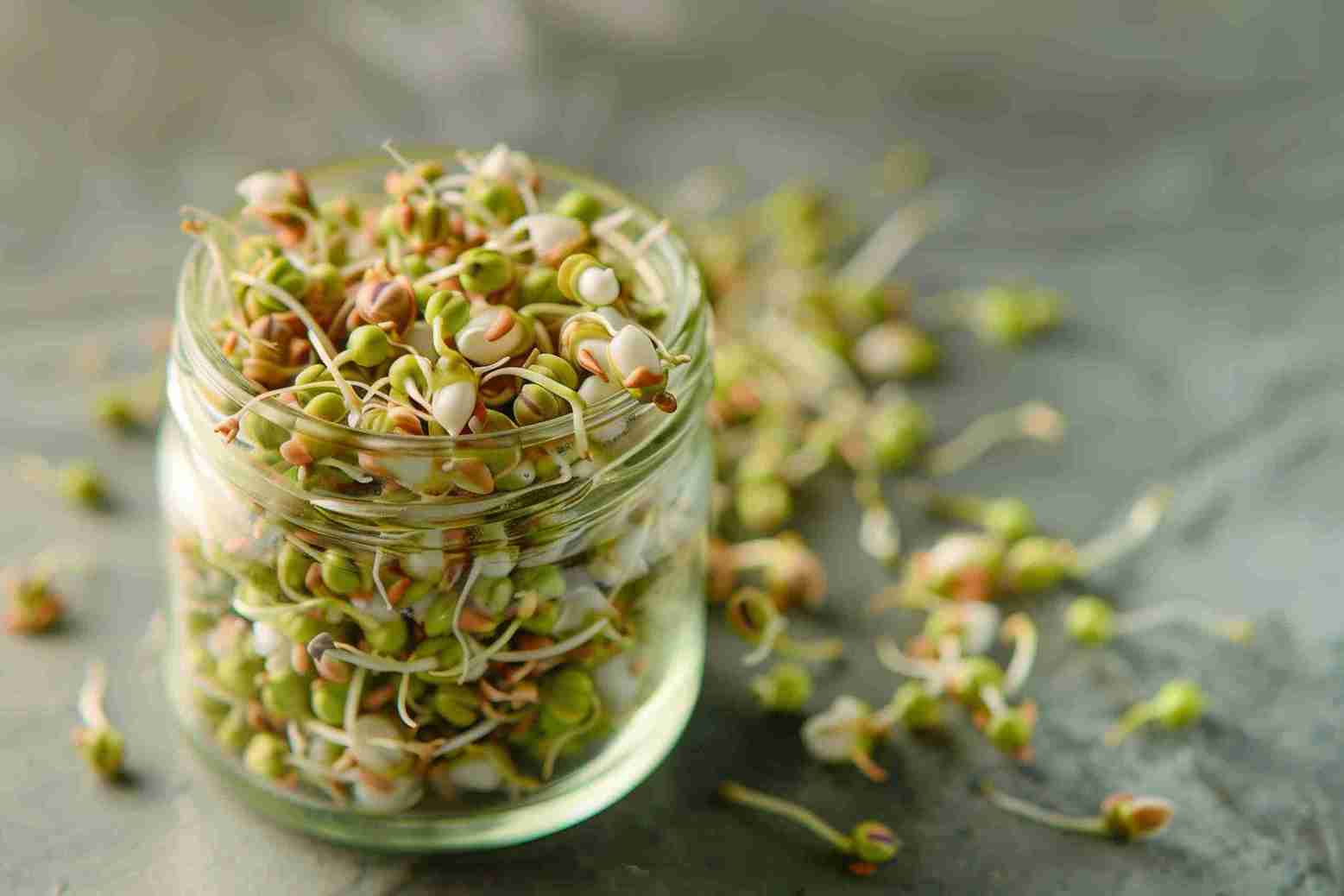
Alfalfa, mung bean, and radish sprouts are easily contaminated with bacteria even after washing.
High salt, sugar, and trans-fat content can lead to high blood pressure, excessive weight gain, and gestational diabetes.
Fish like shark, swordfish, and king mackerel have high mercury content, which can affect the baby’s brain development.
Excessive caffeine consumption has been associated with low birth weight. Limiting intake to recommended levels is recommended.
Alcohol is to be completely avoided during pregnancy, as it can lead to severe developmental abnormalities and long-term neurological problems.
This is another topic that is full of misconceptions. In fact, most fruits and vegetables are not only safe but also recommended during pregnancy.
The problem is not with the fruits and vegetables themselves—it’s the contamination or poor handling. So, if you are looking for what fruits and vegetables to avoid during pregnancy

Be careful about:
Unwashed fruits and veggies may contain pesticide residues, bacteria, or parasites such as Toxoplasma. Give them a good wash before you eat.
Spinach, lettuce, cabbage, and similar vegetables may contain bacteria if not cleaned well, especially when eaten raw in salads.
Once fruit is cut and exposed to air or left out of the fridge, the risk of bacterial growth increases.
These are common causes of food poisoning during pregnancy.
While ripe papaya and pineapple are safe in moderation, consuming them in large quantities may cause digestive discomfort or uterine irritation in some individuals.
There is no fruit or vegetable that is harmful to a pregnancy if it is fresh, washed well, cooked hygienically, and consumed in moderation.
The important thing to remember is cleanliness, moderation, and balance, and not avoidance out of fear.

The early stages are a critical period where the body establishes a foundation for the coming months. By being meticulous in the early stages, you can ensure a healthy development process.
The most important precautions in early pregnancy include:
By taking good care in the early stages of pregnancy, you can establish a solid foundation for the coming months, and hence, it is important to stay informed and take immediate action.
By understanding the risk factors, you can separate what is important from what is not.
The primary risk factors include:
Most importantly, lifestyle factors, diet, stress, and physical activity are not responsible for Down syndrome. By understanding this, you can overcome guilt and anxiety during pregnancy.

Instead of being obsessed with strict food guidelines, you should focus on positive and evidence-based practices:
Cloudnine offers comprehensive pregnancy care that combines medical knowledge with personalised attention. From advanced prenatal screening and diagnostic services to nutrition and specialised obstetric care, the goal is to empower expectant mothers with an informed, confident pregnancy experience. With experienced specialists, state-of-the-art facilities, and evidence-based practices, Cloudnine ensures that expectant parents feel supported every step of the way.
Down syndrome is a genetic disorder that cannot be prevented by food choices during pregnancy. Parents should be aware of what fruits and vegetables to avoid during pregnancy to prevent infections and other complications. Following proper food hygiene, early pregnancy precautions are the most effective ways to ensure healthy fetal development.


There is no food that can prevent Down syndrome. A healthy diet is good for the overall health of the baby, but has no effect on the chromosomes.
Prenatal screening tests and procedures recommended by the doctor can help determine the chances of having Down syndrome during pregnancy.
Down syndrome cannot be prevented by lifestyle or food choices. Prenatal care is the right thing to do.
Down syndrome is due to the presence of an extra copy of chromosome 21, which occurs due to a genetic phenomenon during cell division.







 Best Gynecologists in Bellandur Best Gynecologists in Electronic City Best Gynecologists in HRBR LayoutBest Gynecologists in Jayanagar Best Gynecologists in Kanakapura RoadBest Gynecologists in Malleswaram Best Gynecologists in Nagarbhavi Best Gynecologists in Old Airport RoadBest Gynecologists in Sahakarnagar Best Gynecologists in Sarjapur RoadBest Gynecologists in ThanisandraBest Gynecologists in Varthur RoadBest Gynecologists in Whitefield Best Gynecologists in Industrial Area Phase IIBest Gynecologists in OMRBest Gynecologists in T NagarBest Gynecologists in New Industrial TownBest Gynecologists in IndirapuramBest Gynecologists in Golf Course RoadBest Gynecologists in Sector 14Best Gynecologists in Sector 47Best Gynecologists in Banjara HillsBest Gynecologists in GachibowliBest Gynecologists in Hitech CityBest Gynecologists in KompallyBest Gynecologists in Gomti NagarBest Gynecologists in MaladBest Gynecologists in NerulBest Gynecologists in VashiBest Gynecologists in Kailash ColonyBest Gynecologists in PatparganjBest Gynecologists in Punjabi BaghBest Gynecologists in VikaspuriBest Gynecologists in Gaur CityBest Gynecologists in Pari ChowkBest Gynecologists in Sector 51Best Gynecologists in Sector 5 Swastik ViharBest Gynecologists in Kalyani NagarBest Gynecologists in SB RoadBest Gynecologists in Pimple SaudagarBest Pediatricians in BellandurBest Pediatricians in Electronic CityBest Pediatricians in HRBR LayoutBest Pediatricians in JayanagarBest Pediatricians in Kanakapura RoadBest Pediatricians in MalleswaramBest Pediatricians in NagarbhaviBest Pediatricians in Old Airport RoadBest Pediatricians in SahakarnagarBest Pediatricians in Sarjapur RoadBest Pediatricians in ThanisandraBest Pediatricians in Varthur RoadBest Pediatricians in WhitefieldBest Pediatricians in Industrial Area Phase IIBest Pediatricians in OMRBest Pediatricians in T NagarBest Pediatricians in New Industrial TownshipBest Pediatricians in IndirapuramBest Pediatricians in Golf Course RoadBest Pediatricians in Sector 14Best Pediatricians in Sector 47Best Pediatricians in Hitech CityBest Pediatricians in Banjara HillsBest Pediatricians in GachibowliBest Pediatricians in KompallyBest Pediatricians in Gomti NagarBest Pediatricians in MaladBest Pediatricians in NerulBest Pediatricians in VashiBest Pediatricians in Kailash ColonyBest Pediatricians in PatparganjBest Pediatricians in Punjabi BaghBest Pediatricians in VikaspuriBest Pediatricians in Gaur CityBest Pediatricians in Pari ChowkBest Pediatricians in Sector 51Best Pediatricians in Sector 5 Swastik ViharBest Pediatricians in Kalyani NagarBest Pediatricians in SB RoadBest Pediatricians in Pimple Saudagar


