





Pregnancy brings with it special cravings, and among everything, citrus fruits top the list. Most pregnant women tend to crave oranges, tangerines, limes, or mandarins to treat their palates. The tart, zesty taste isn't the only explanation for why citrus fruits are so enjoyed during pregnancy; these fruits also deliver a punch of nutrients that the body needs.
Including a citrus fruit in pregnancy can boost immunity, aid digestion, and provide vital vitamins for both mother and baby. But like with all foods, moderation and the right choices are key. In this article, we’ll explore the nutrition, benefits, risks, and the best citrus fruits to include in your diet while pregnant.

Oranges, tangerines, limes, lemons, and mandarins are all citrus fruits that are packed with nutrients, particularly beneficial during pregnancy.
These nutrients not only maintain maternal health but also contribute to the development of the baby, including immune system development and tissue growth.
Vitamin C further assists the body in absorbing iron more efficiently, which is essential for avoiding anaemia during pregnancy.
Incorporating citrus fruits in your regular diet can yield various health benefits:
Vitamin C helps to make the immune system stronger, lowering the risk of colds, flu, and other infections.
Lime and lemon are especially helpful to relieve nausea and morning sickness. Many women also find that the smell or taste of citrus fruits helps them feel refreshed immediately.
Due to their fibre content, citrus fruits help promote healthy digestion and ease bloating or constipation.
Rich in water, citrus fruits support fluid balance to avoid dehydration.
Citrus vitamin C helps in collagen production, which maintains skin elasticity and quickens the healing of small wounds.
While citrus fruits are safe overall, the following precautions should be kept in mind:
The internet is full of questions like: Is tangerine good for pregnant women? The answer is a big yes, provided it's consumed as part of a balanced diet. Tangerines are safe and healthy during pregnancy if consumed in moderation. They contain vitamin C, fibre, folate, and antioxidants. Tangerines give a boost to energy levels, maintain proper hydration, and aid in the growth of the fetus.
Most women use lime to treat morning sickness. But is lime good for pregnant women?
Yes—lime is a great source of vitamin C, helps with digestion, and gives a cleansing, refreshing effect.
Sipping on fresh lime water can be calming, but it's wise to stay away from packaged lime water that contains preservatives or artificial sweeteners.
Warning: Too much lime can cause an increase in acidity and provoke reflux, so be careful.
Mandarins are rich in nutrients, water content, and are easy to digest. They are rich in vitamin A, vitamin C, and folate, which are perfect for a pregnancy diet. To those who wonder, can I eat mandarins while pregnant? The answer is yes, absolutely! Mandarins are safe, nutritious, and a refreshing snack. Consuming them fresh rather than processed will give you the best nutritional gain.
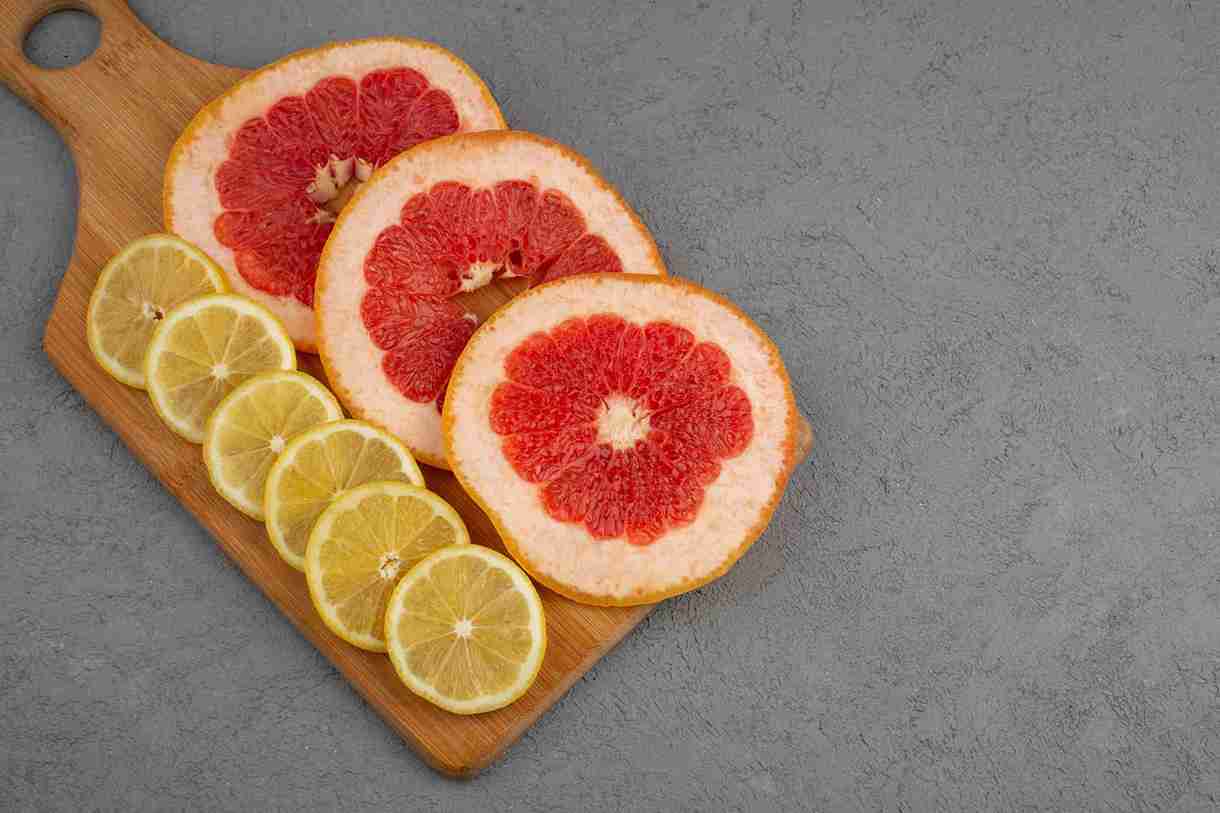
Besides tangerines, limes, and mandarins, the following are other great citrus options:
Having a variety of citrus fruits provides a balanced supply of nutrients.
At Cloudnine, pregnancy care is founded on experience, empathy, and individualised care. With the availability of experienced obstetricians, nutritionists, and prenatal care professionals, Cloudnine guarantees that pregnant women have access to comprehensive advice for all stages of their journey. From managing nutrition through citrus fruits during pregnancy, morning sickness relief, or advanced care, Cloudnine blends medical knowledge with compassionate care that enables women to feel empowered and well taken care of during pregnancy.

Citrus fruits are a tasty and nutritious supplement to a pregnancy diet. Citrus fruits contain vital vitamins, minerals, fibre, and water, which are good for both fetal growth and maternal well-being. Tangerines, limes, mandarins, oranges, and other citrus fruits can be consumed safely in moderation, with special care for acidity and individual sensitivity. By choosing fresh, whole fruits and complementing them with an overall balanced diet, pregnant women can enjoy all the benefits of citrus while minimising any possible risks.

There is no scientific evidence to prove that there is any fruit that determines the baby’s complexion. Citrus fruits, however, are rich in vitamin C, which helps develop healthy skin.
Consumption in the morning or midday is ideal, as the body can absorb vitamin C better, and it can help reduce fatigue. Avoid late-night consumption if you suffer from acid reflux.
Yes, mosambi (sweet lime) is safe and hydrating. It provides vitamin C, folate, and natural sugars that help energise and refresh the body.
Yes, oranges help contribute to your baby's development by aiding collagen development, iron absorption, and immune function.


 Best Gynecologists in Bellandur Best Gynecologists in Electronic City Best Gynecologists in HRBR LayoutBest Gynecologists in Jayanagar Best Gynecologists in Kanakapura RoadBest Gynecologists in Malleswaram Best Gynecologists in Nagarbhavi Best Gynecologists in Old Airport RoadBest Gynecologists in Sahakarnagar Best Gynecologists in Sarjapur RoadBest Gynecologists in ThanisandraBest Gynecologists in Varthur RoadBest Gynecologists in Whitefield Best Gynecologists in Industrial Area Phase IIBest Gynecologists in OMRBest Gynecologists in T NagarBest Gynecologists in New Industrial TownBest Gynecologists in IndirapuramBest Gynecologists in Golf Course RoadBest Gynecologists in Sector 14Best Gynecologists in Sector 47Best Gynecologists in Banjara HillsBest Gynecologists in GachibowliBest Gynecologists in Hitech CityBest Gynecologists in KompallyBest Gynecologists in Gomti NagarBest Gynecologists in MaladBest Gynecologists in NerulBest Gynecologists in VashiBest Gynecologists in Kailash ColonyBest Gynecologists in PatparganjBest Gynecologists in Punjabi BaghBest Gynecologists in VikaspuriBest Gynecologists in Gaur CityBest Gynecologists in Pari ChowkBest Gynecologists in Sector 51Best Gynecologists in Sector 5 Swastik ViharBest Gynecologists in Kalyani NagarBest Gynecologists in SB RoadBest Gynecologists in Pimple SaudagarBest Pediatricians in BellandurBest Pediatricians in Electronic CityBest Pediatricians in HRBR LayoutBest Pediatricians in JayanagarBest Pediatricians in Kanakapura RoadBest Pediatricians in MalleswaramBest Pediatricians in NagarbhaviBest Pediatricians in Old Airport RoadBest Pediatricians in SahakarnagarBest Pediatricians in Sarjapur RoadBest Pediatricians in ThanisandraBest Pediatricians in Varthur RoadBest Pediatricians in WhitefieldBest Pediatricians in Industrial Area Phase IIBest Pediatricians in OMRBest Pediatricians in T NagarBest Pediatricians in New Industrial TownshipBest Pediatricians in IndirapuramBest Pediatricians in Golf Course RoadBest Pediatricians in Sector 14Best Pediatricians in Sector 47Best Pediatricians in Hitech CityBest Pediatricians in Banjara HillsBest Pediatricians in GachibowliBest Pediatricians in KompallyBest Pediatricians in Gomti NagarBest Pediatricians in MaladBest Pediatricians in NerulBest Pediatricians in VashiBest Pediatricians in Kailash ColonyBest Pediatricians in PatparganjBest Pediatricians in Punjabi BaghBest Pediatricians in VikaspuriBest Pediatricians in Gaur CityBest Pediatricians in Pari ChowkBest Pediatricians in Sector 51Best Pediatricians in Sector 5 Swastik ViharBest Pediatricians in Kalyani NagarBest Pediatricians in SB RoadBest Pediatricians in Pimple Saudagar


