
After giving birth, your body goes through many changes as it returns to its pre-pregnancy state. One of the most significant changes is the uterus shrinking. Understanding this process helps you know what to expect during recovery. Knowing the normal timeline for uterine recovery helps you recognise when things are going well.
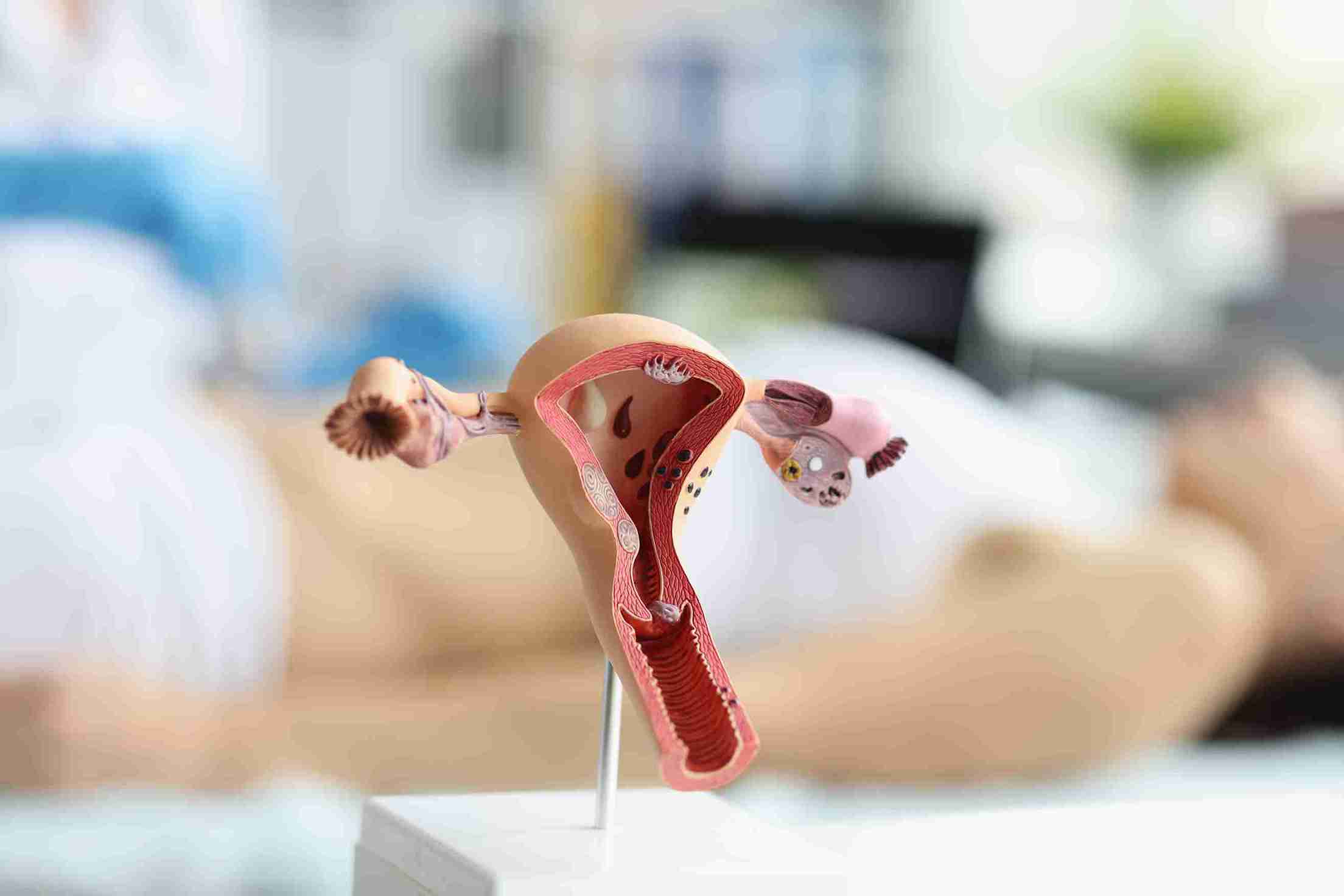
During pregnancy, your uterus grows to hold your baby. At full term, it weighs around 1 kg and stretches to fill your entire abdomen. After delivery, you may feel that it returns to its normal uterus size. This process is called uterine involution. Your uterus contracts and sheds excess tissue. The blood vessels that supplied the placenta close off. The organ that held your baby slowly becomes smaller.
Right after delivery, the top of your uterus (called the fundus) sits near your belly button. Over the next few weeks, it descends back into your pelvis. The uterus also loses weight dramatically. It goes from 1 kg right after birth to about 50-60 grams when fully recovered.
The postpartum uterus size changes rapidly in the first days and weeks. Here's what to expect:
Right after you deliver the placenta, your uterus contracts to about the size of a grapefruit. It should feel firm when your doctor or nurse presses on your belly. This firmness is good. It means the uterus is contracting and the blood vessels are closing. During the first hour, healthcare providers check your uterus frequently. They massage your belly to help it stay contracted. This prevents too much bleeding.
In the first few days, your uterus continues to shrink quickly. By day 3 or 4, it is about the size of a large orange. The top of the uterus drops lower in your belly each day. You can measure this yourself by feeling where the firm top of your uterus sits.

By two weeks, the uterus shrinks to approximately the size of a pear. For many women, the fundus has dropped below the pubic bone. You might not be able to feel it through your belly anymore.
Most women's uteruses return to their normal size by 6 weeks after delivery. The uterus should weigh about 50-60 grams and fit completely in your pelvis. Your 6-week postpartum checkup confirms that involution is complete.
Breastfeeding mothers often see faster uterus shrinking. The typical timeline is 6 weeks. Women who don't breastfeed may take up to 10 weeks for complete involution.

Several factors influence how quickly your uterus returns to normal:
When your baby nurses or you pump milk, your body releases oxytocin. This hormone causes uterine contractions. These contractions help the uterus shrink faster. Breastfeeding can speed up the process by 20 to 30%.
First-time mothers sometimes have slightly faster involution. The uterine muscles haven't been stretched before. However, women who have given birth multiple times still go through normal postpartum uterine recovery. The difference is minimal within the first 24 hours.
Both vaginal birth and caesarean section lead to the same uterus shrinking timeline. C-sections take about 6 weeks, the same as vaginal deliveries. Your body heals the uterus regardless of how your baby was born.
If you delivered twins or triplets, your uterus was stretched more. It may take slightly longer to return to the normal uterus size. But the process is the same.
Good nutrition, staying hydrated, and getting enough rest support healing. Women who are very anaemic or have health complications might have a slower recovery.
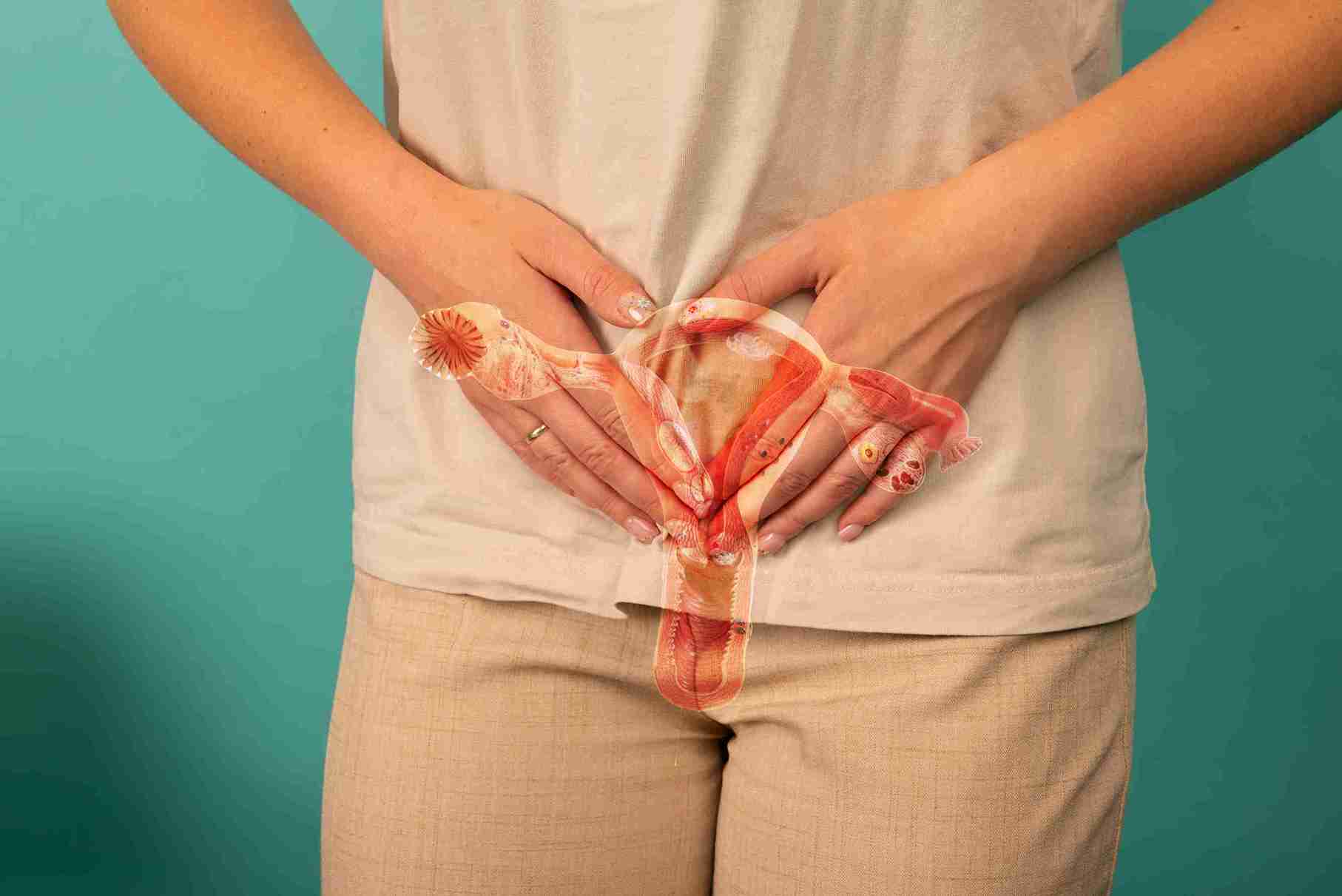
You will notice several signs that your uterus is returning to its pre-pregnancy state:
You may feel cramps as your uterus contracts. These are called afte rpains. They feel like menstrual cramps and can be quite strong. Afterpains are most intense during the first 2 to 3 days after birth. The cramping often gets stronger when you breastfeed. This is because nursing releases oxytocin, which makes the uterus contract. First-time mothers usually have milder afterpains. Women who have had babies before often feel stronger cramps because the uterine muscles have to work harder to contract.
As your uterus sheds its lining, you may have vaginal bleeding called lochia. This is normal even if you had a C-section. Lochia starts out bright red and heavy. Over days and weeks, it changes to pinkish-brown, then yellowish-white. The bleeding lasts 4 to 6 weeks for most women. Some continue to have light discharge for up to 12 weeks. As long as the bleeding lessens over time and doesn't smell bad, it's normal.
Even though your uterus is shrinking, your belly might still look pregnant for weeks. This is normal. The uterine muscle takes time to tighten. Your abdominal muscles were also stretched during pregnancy. They need time to strengthen again.

Most of the time, the uterus shrinking happens without problems. But sometimes complications occur. Contact your doctor right away if you notice:
Soaking through a pad every hour or passing large clots (bigger than a golf ball) after the first day is not normal. This could signal postpartum haemorrhage. This is an emergency.
Lochia should not smell bad. A foul odour means infection. You might also have a fever and abdominal pain.
Afterpains should lessen over the first week. If your pain worsens or becomes severe, tell your doctor. You could have an infection or retained placental tissue.
When your doctor or nurse presses on your belly, your uterus should feel firm. A soft, squishy uterus means it is not contracting properly. This is called uterine atony and can cause dangerous bleeding.
A fever above 100.4°F (38°C) may indicate an infection. Don't ignore fever in the postpartum period.

The uterus shrinking after birth is a natural process that takes about 6 weeks. Your uterus goes from 1 kg to 50-60 grams during this time. Breastfeeding can speed things up slightly. Rest, good nutrition, and staying hydrated support healing. While your belly might still look pregnant for weeks after delivery, your uterus is working hard to return to its normal size. If you have warning signs like heavy bleeding, fever, or severe pain, see your doctor right away.
Want to consult the best gynecologists in India? Please find the links below.

Cramping after delivery happens because your uterus contracts to shrink back to its normal size. These cramps are called afterpains. They are strongest in the first 2-3 days and get more intense during breastfeeding because nursing releases oxytocin, which triggers contractions. Women who have had previous pregnancies usually feel stronger afterpains. The cramping is a good sign that your uterus is healing properly and helps prevent excessive bleeding.
Yes, breastfeeding speeds up the uterus's shrinkage. When your baby nurses or you pump milk, your body releases oxytocin. This hormone causes the uterus to contract more frequently and strongly. Breastfeeding mothers usually see complete uterine recovery in about 6 weeks, while women who do not breastfeed may take up to 10 weeks. You might notice stronger afterpains during nursing sessions. This is normal and shows the process is working.
The uterus shrinks on its own through natural contractions, so specific exercises don't speed this up. However, gentle walking and pelvic floor exercises (Kegels) support overall postpartum recovery. Wait until your 6-week checkup before starting any exercise programme. Kegel exercises strengthen the pelvic muscles stretched during pregnancy. Avoid intense core exercises until your doctor clears you.
Some bleeding is normal during postpartum uterine recovery. You may have vaginal discharge called lochia that starts bright red and heavy but lessens over 4-6 weeks. However, soaking through a pad every hour after the first day is not normal. Passing clots larger than a golf ball is also concerning. These could signal postpartum haemorrhage and need immediate medical attention. The bleeding should gradually decrease. If it increases or smells bad, contact your doctor right away.







 Best Gynecologists in Bellandur Best Gynecologists in Electronic City Best Gynecologists in HRBR LayoutBest Gynecologists in Jayanagar Best Gynecologists in Kanakapura RoadBest Gynecologists in Malleswaram Best Gynecologists in Nagarbhavi Best Gynecologists in Old Airport RoadBest Gynecologists in Sahakarnagar Best Gynecologists in Sarjapur RoadBest Gynecologists in ThanisandraBest Gynecologists in Varthur RoadBest Gynecologists in Whitefield Best Gynecologists in Industrial Area Phase IIBest Gynecologists in OMRBest Gynecologists in T NagarBest Gynecologists in New Industrial TownBest Gynecologists in IndirapuramBest Gynecologists in Golf Course RoadBest Gynecologists in Sector 14Best Gynecologists in Sector 47Best Gynecologists in Banjara HillsBest Gynecologists in GachibowliBest Gynecologists in Hitech CityBest Gynecologists in KompallyBest Gynecologists in Gomti NagarBest Gynecologists in Phase 3, Sector 58Best Gynecologists in MaladBest Gynecologists in NerulBest Gynecologists in VashiBest Gynecologists in Kailash ColonyBest Gynecologists in PatparganjBest Gynecologists in Punjabi BaghBest Gynecologists in VikaspuriBest Gynecologists in Gaur CityBest Gynecologists in Pari ChowkBest Gynecologists in Sector 51Best Gynecologists in Sector 5 Swastik ViharBest Gynecologists in Kalyani NagarBest Gynecologists in SB RoadBest Gynecologists in Pimple SaudagarBest Pediatricians in BellandurBest Pediatricians in Electronic CityBest Pediatricians in HRBR LayoutBest Pediatricians in JayanagarBest Pediatricians in Kanakapura RoadBest Pediatricians in MalleswaramBest Pediatricians in NagarbhaviBest Pediatricians in Old Airport RoadBest Pediatricians in SahakarnagarBest Pediatricians in Sarjapur RoadBest Pediatricians in ThanisandraBest Pediatricians in Varthur RoadBest Pediatricians in WhitefieldBest Pediatricians in Industrial Area Phase IIBest Pediatricians in OMRBest Pediatricians in T NagarBest Pediatricians in New Industrial TownshipBest Pediatricians in IndirapuramBest Pediatricians in Golf Course RoadBest Pediatricians in Sector 14Best Pediatricians in Sector 47Best Pediatricians in Hitech CityBest Pediatricians in Banjara HillsBest Pediatricians in GachibowliBest Pediatricians in KompallyBest Pediatricians in Gomti NagarBest Pediatricians in Phase 3, Sector 58Best Pediatricians in MaladBest Pediatricians in NerulBest Pediatricians in VashiBest Pediatricians in Kailash ColonyBest Pediatricians in PatparganjBest Pediatricians in Punjabi BaghBest Pediatricians in VikaspuriBest Pediatricians in Gaur CityBest Pediatricians in Pari ChowkBest Pediatricians in Sector 51Best Pediatricians in Sector 5 Swastik ViharBest Pediatricians in Kalyani NagarBest Pediatricians in SB RoadBest Pediatricians in Pimple Saudagar


