
In vitro fertilisation (IVF) is a complex medical procedure that involves hormone management, egg retrieval, fertilisation, and embryo transfer. During this period, many individuals focus on optimising lifestyle factors that may improve IVF success. One of these factors is nutrition. Although it is impossible to guarantee the success of IVF through diet alone, a healthy, well-informed diet can support the regulation of hormones, support egg and sperm health, and support overall reproductive health.
Awareness of which ivf foods to avoid can be very helpful in avoiding the risks associated with IVF. In this article, we will discuss foods that should be avoided or restricted during IVF and healthy alternatives that should be included in your diet.
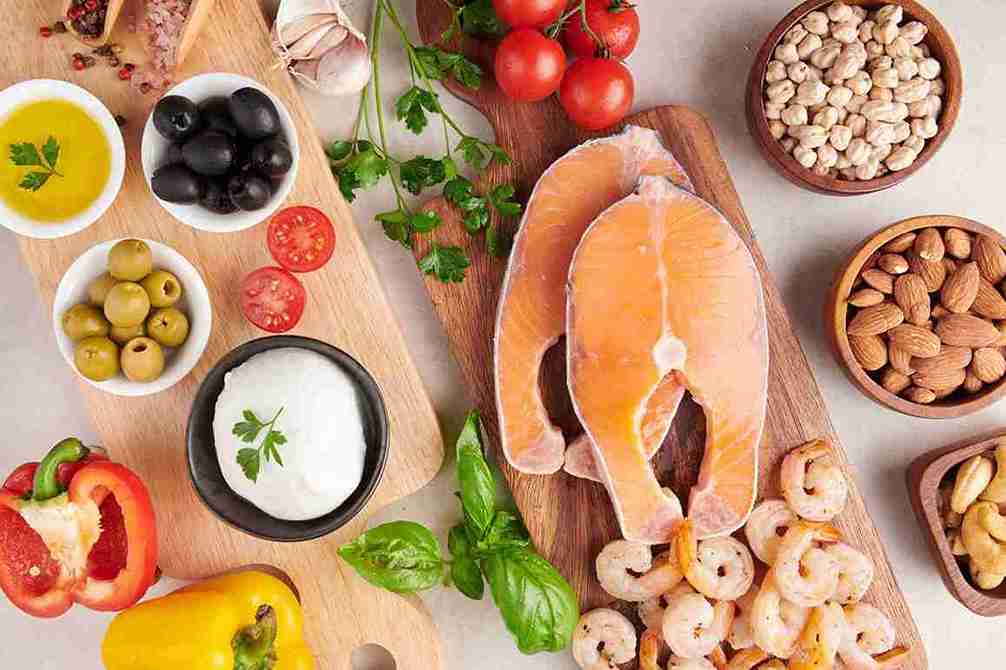
Food influences many biological functions that are critical for fertility:
Nutrient-rich foods support the healthy functioning of the endocrine system. In contrast, diets high in refined sugars and trans fats may contribute to insulin resistance and hormonal imbalances.
Antioxidants, healthy fatty acids, and essential nutrients are essential for egg and sperm quality, which is essential for fertilisation.
Inflammation can be very harmful to implantation and reproductive health.
Blood flow, immune response, and uterine health are all essential for embryo implantation.
Eating healthy foods is also important for overall health, which is necessary during the physically and emotionally challenging IVF procedure.
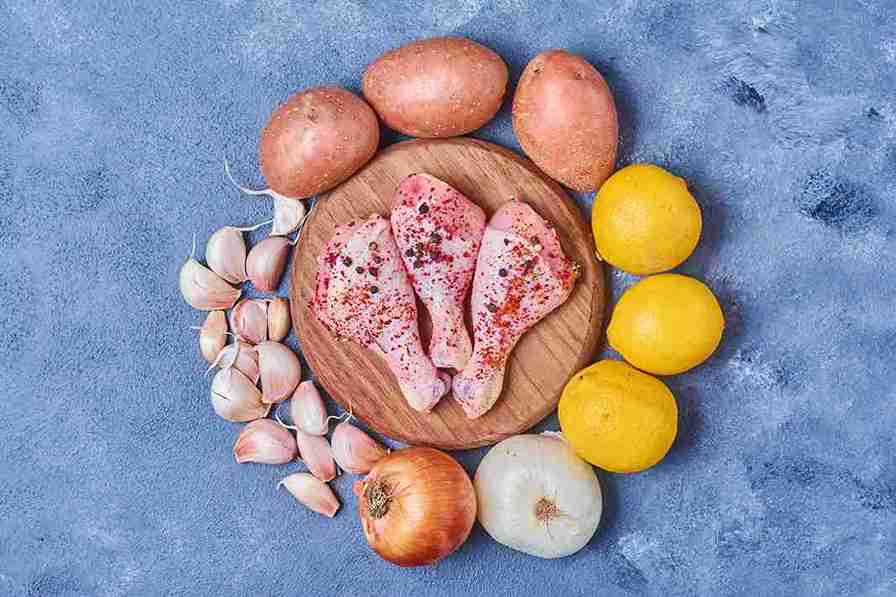
Patients usually ask what to avoid during ivf injections, and the usual advice from doctors is to be extra careful about food safety and quality during this period, especially during the time when the body is reacting to fertility drugs. Here is a list of foods to avoid:
Includes: Swordfish, king mackerel, tilefish
Mercury is a toxic heavy metal that can accumulate in the body and affect embryo development and the nervous system. During IVF, most fertility specialists recommend low-mercury fish.
Includes: Sushi with raw fish, rare meat, raw eggs
These foods can cause infection from Listeria or Salmonella. IVF causes hormonal changes that can temporarily affect the immune system, making it even more crucial to avoid foods that can cause infection.
Moderate caffeine intake is safe, but high caffeine intake has been linked to implantation failure in some studies. Many fertility specialists recommend avoiding caffeine or limiting it to 1 small cup of coffee per day or avoiding it altogether during the critical stages of IVF.
Examples: Raw milk, soft cheeses made from
These foods pose risks of foodborne infections. In IVF cycles, minimising infection risks is usually the main goal.

Examples: Fast food, packaged sweets, sugary drinks
These foods may contribute to inflammation and blood sugar spikes, which may influence metabolic and hormonal homeostasis.
Examples: Packaged snacks, deep-fried foods
Trans fats are linked to inflammation and metabolic disorders, which may adversely affect fertility health.
Most fertility specialists advise avoiding alcohol entirely during IVF cycles. Alcohol may affect hormone regulation, egg quality, and implantation ability.
Some herbs may interact with hormones, blood clotting, or drug metabolism. Always consult your fertility specialist before taking herbal supplements.

Foodborne infections can impair early embryo development.
Processed foods may trigger oxidative stress, which may affect reproductive cells.
Sugar highs and alcohol can affect endocrine regulation.
Poor diets can impair egg and sperm quality with time.
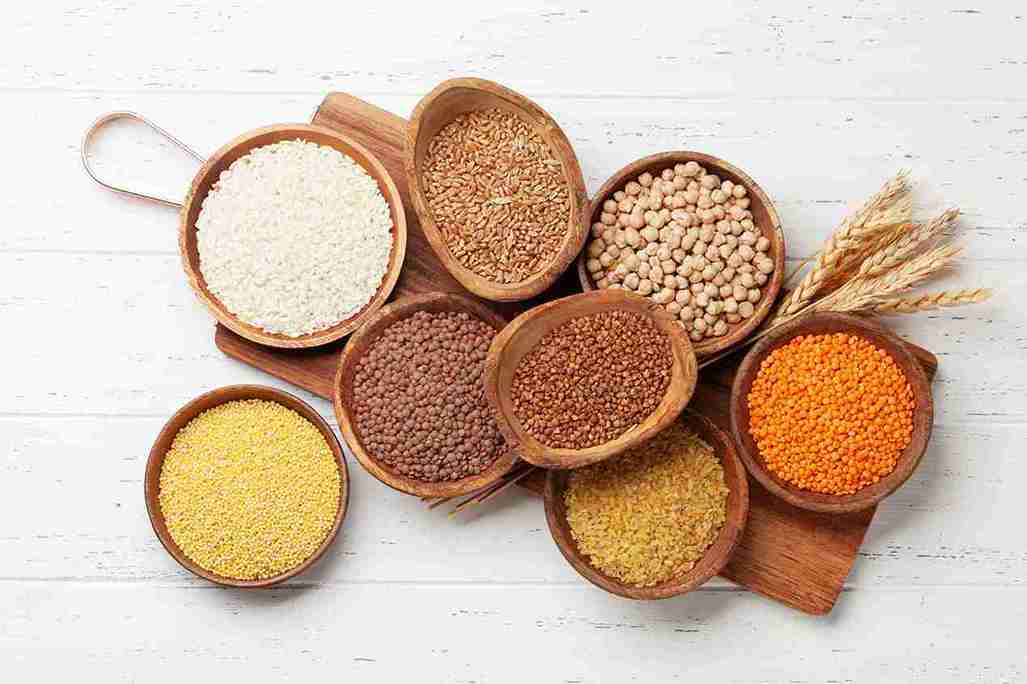
Rather than concentrating on what you can’t eat, create a fertility-friendly plate:
Many people search for: after ivf what food to avoid? After the embryo transfer, most physicians recommended that the same dietary cautions be continued as during treatment. The aim of IVF is to minimise the risk of infection, support hormonal regulation, and ensure the body remains in a stable state with a normal internal environment during the early stages of implantation.
See a fertility dietitian if you have PCOS, thyroid issues, or metabolic issues

Common supplements (prescribed only under medical supervision):
Never take supplements on your own during IVF cycles.
No single food can ensure pregnancy success.
Yes, moderation is usually acceptable unless medically restricted.
No. Diet supports treatment but does not replace medical care.
Cloudnine is renowned for its holistic fertility and women’s health system that integrates cutting-edge reproductive technology with personalised clinical care. The hospital is dedicated to providing evidence-based IVF care, state-of-the-art embryology labs, and comprehensive support care from fertility experts and nutrition counsellors. With robust clinical care, clear treatment pathways, and patient-centred fertility planning, Cloudnine strives to provide continuity of care from pre-IVF evaluation and treatment cycles through post-IVF care, helping patients navigate fertility treatment with clarity and confidence.

IVF is a medically supervised process, but other lifestyle factors, such as nutrition, can also help with reproductive health. Understanding which ivf foods to avoid can help minimise risks and help your body during the treatment process. Always consult your fertility specialist for personalised dietary advice, as every IVF treatment is different.
Want to consult the best gynecologists in India? Please find the links below.

Whole foods rich in antioxidants, lean protein, healthy fats, and fibre are generally recommended.
Water is the best beverage. Coconut water and milk can be added if compatible with your diet.
Follow medical advice, stay at a healthy weight, control stress, avoid smoking and alcohol, and eat a balanced diet.
Berries, citrus fruits, bananas, and pomegranates are commonly included in fertility diets.







 Best Gynecologists in Bellandur Best Gynecologists in Electronic City Best Gynecologists in HRBR LayoutBest Gynecologists in Jayanagar Best Gynecologists in Kanakapura RoadBest Gynecologists in Malleswaram Best Gynecologists in Nagarbhavi Best Gynecologists in Old Airport RoadBest Gynecologists in Sahakarnagar Best Gynecologists in Sarjapur RoadBest Gynecologists in ThanisandraBest Gynecologists in Varthur RoadBest Gynecologists in Whitefield Best Gynecologists in Industrial Area Phase IIBest Gynecologists in OMRBest Gynecologists in T NagarBest Gynecologists in New Industrial TownBest Gynecologists in IndirapuramBest Gynecologists in Golf Course RoadBest Gynecologists in Sector 14Best Gynecologists in Sector 47Best Gynecologists in Banjara HillsBest Gynecologists in GachibowliBest Gynecologists in Hitech CityBest Gynecologists in KompallyBest Gynecologists in Gomti NagarBest Gynecologists in MaladBest Gynecologists in NerulBest Gynecologists in VashiBest Gynecologists in Kailash ColonyBest Gynecologists in PatparganjBest Gynecologists in Punjabi BaghBest Gynecologists in VikaspuriBest Gynecologists in Gaur CityBest Gynecologists in Pari ChowkBest Gynecologists in Sector 51Best Gynecologists in Sector 5 Swastik ViharBest Gynecologists in Kalyani NagarBest Gynecologists in SB RoadBest Gynecologists in Pimple SaudagarBest Pediatricians in BellandurBest Pediatricians in Electronic CityBest Pediatricians in HRBR LayoutBest Pediatricians in JayanagarBest Pediatricians in Kanakapura RoadBest Pediatricians in MalleswaramBest Pediatricians in NagarbhaviBest Pediatricians in Old Airport RoadBest Pediatricians in SahakarnagarBest Pediatricians in Sarjapur RoadBest Pediatricians in ThanisandraBest Pediatricians in Varthur RoadBest Pediatricians in WhitefieldBest Pediatricians in Industrial Area Phase IIBest Pediatricians in OMRBest Pediatricians in T NagarBest Pediatricians in New Industrial TownshipBest Pediatricians in IndirapuramBest Pediatricians in Golf Course RoadBest Pediatricians in Sector 14Best Pediatricians in Sector 47Best Pediatricians in Hitech CityBest Pediatricians in Banjara HillsBest Pediatricians in GachibowliBest Pediatricians in KompallyBest Pediatricians in Gomti NagarBest Pediatricians in MaladBest Pediatricians in NerulBest Pediatricians in VashiBest Pediatricians in Kailash ColonyBest Pediatricians in PatparganjBest Pediatricians in Punjabi BaghBest Pediatricians in VikaspuriBest Pediatricians in Gaur CityBest Pediatricians in Pari ChowkBest Pediatricians in Sector 51Best Pediatricians in Sector 5 Swastik ViharBest Pediatricians in Kalyani NagarBest Pediatricians in SB RoadBest Pediatricians in Pimple Saudagar


