





High blood pressure during pregnancy needs close watching. If your doctor suspects pregnancy-induced hypertension, they will order a few tests. Understanding these tests helps you know what to expect and why they matter. Early detection and proper monitoring protect both you and your baby.
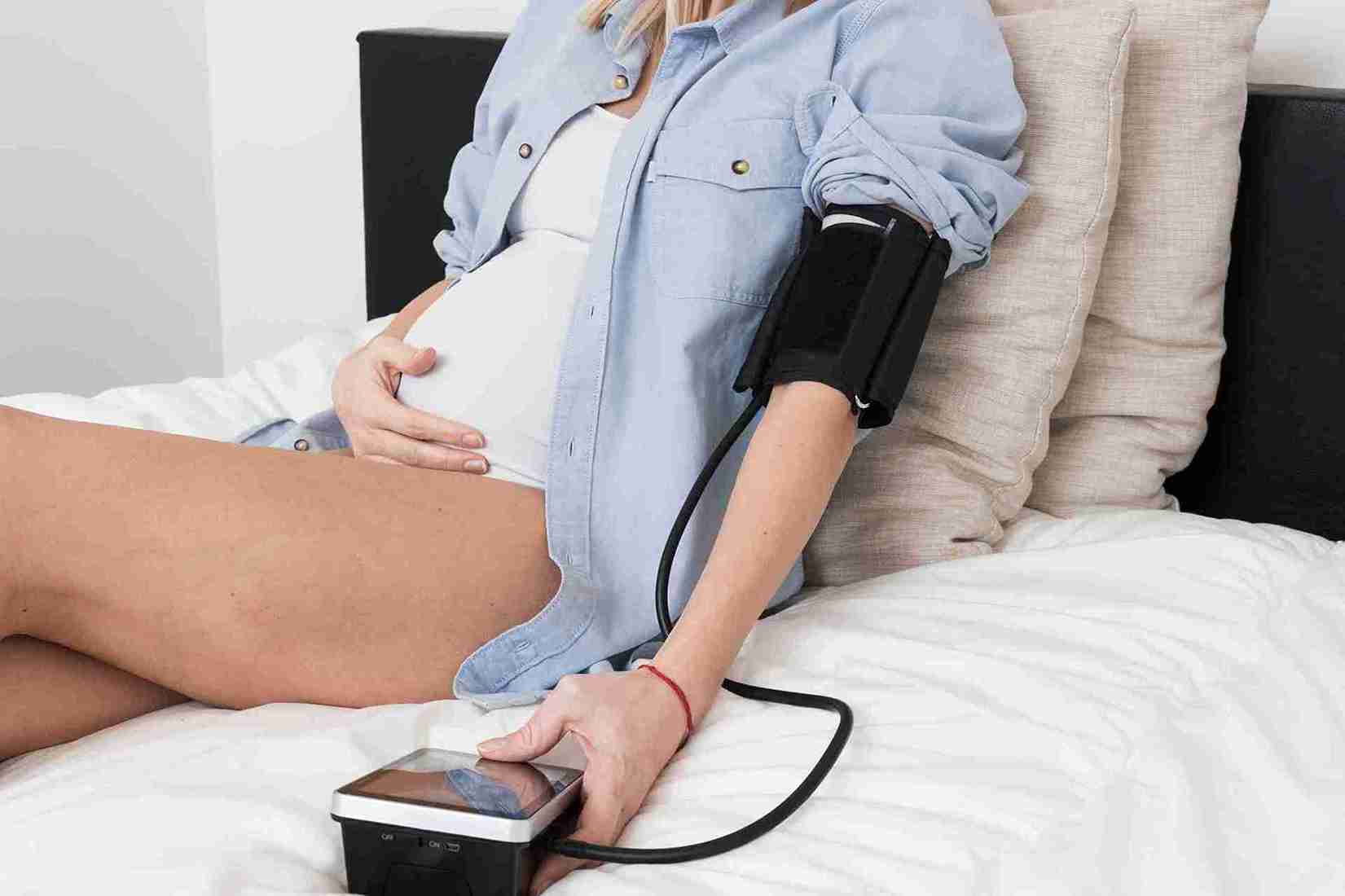
Pregnancy-induced hypertension (PIH) is high blood pressure that develops after 20 weeks of pregnancy. It is also called gestational hypertension. PIH is different from chronic hypertension. Chronic hypertension means you had high blood pressure before pregnancy. PIH starts later in pregnancy and usually goes away within 6 to 12 weeks after delivery.
Most cases of PIH are found between 24 and 28 weeks of pregnancy. However, doctors monitor for PIH from 20 weeks of pregnancy through delivery. Your doctor might watch you more closely if you are at high risk. Risk factors include first pregnancy, twins or multiples, age over 35, history of previous PIH, family history of PIH, obesity, or diabetes.
Normal blood pressure during pregnancy is below 140/90 mm Hg. High blood pressure during pregnancy means readings higher than this level. Doctors need two high readings taken at least 4 hours apart to diagnose PIH. Severe high blood pressure is 160/110 mm Hg or higher. This needs treatment right away.
Some doctors ask women to check their blood pressure at home. If you monitor at home:
Pregnancy-induced hypertension screening happens throughout the term. Early detection prevents complications from becoming severe.

Your prenatal visit schedule depends on your risk level. For low-risk pregnancies:
If you develop PIH, you will need more frequent visits. Sometimes this means twice-weekly appointments. Your doctor will check your blood pressure, weight, and symptoms at each visit.
During PIH screening, your doctor watches for warning signs:
These symptoms can mean that hypertension is getting worse or turning into preeclampsia. Tell your doctor right away if you notice any of these signs.
Detecting high blood pressure is just the first step. Doctors run other tests to check how hypertension is affecting you and your baby. These hypertension tests in pregnancy help doctors make treatment decisions.
Blood work checks how your organs are working. Your doctor might order tests to assess liver and kidney function, blood cell counts, and blood clotting.
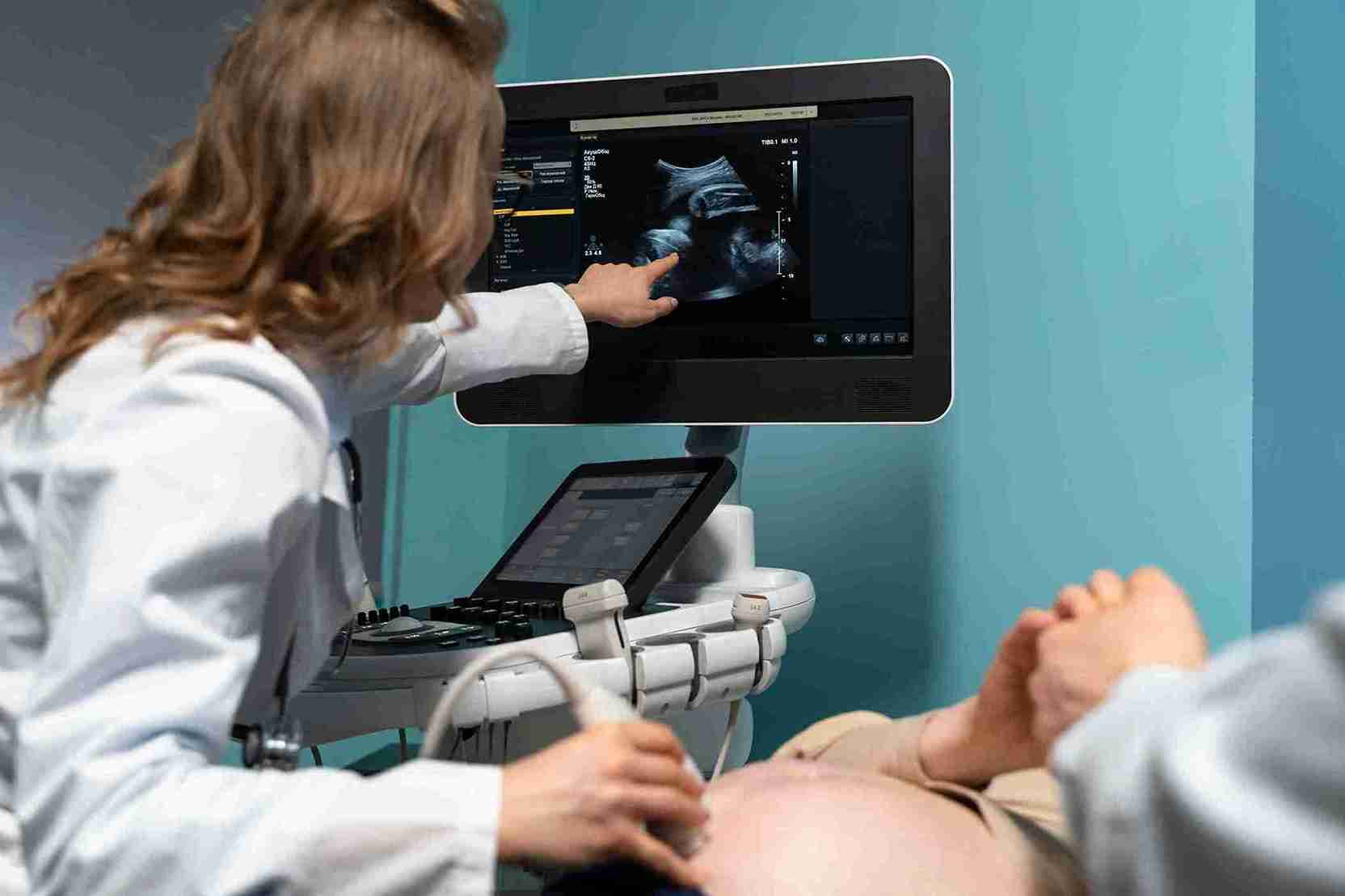
Ultrasound uses sound waves to create pictures of your baby. With PIH, doctors use ultrasound to check your baby's growth and size, measure the amount of amniotic fluid, assess blood flow through the umbilical cord, and check the placenta. High blood pressure may limit blood flow to the placenta, slowing your baby’s growth. Regular ultrasounds help doctors spot growth problems early.
The urine protein test in pregnancy for hypertension is done to check for preeclampsia. Your kidneys normally don't let much protein leak into urine. When blood pressure damages the blood vessels in the kidney, protein spills into the urine.
At each prenatal visit, you provide a urine sample for dipstick testing. A healthcare provider dips a specialised strip into the sample, which changes colour to indicate the presence of protein.
Dipstick results show:
A reading of 1+ or higher needs follow-up testing. Dipstick tests aren't perfect. They can show false positives and false negatives.
If your dipstick shows protein, your doctor orders more tests:
Spot urine protein-to-creatinine ratio (UPCR): A single urine sample is assessed for both protein and creatinine levels, and the lab calculates their ratio. A ratio of 0.3 or higher indicates excessive protein.
24-hour urine collection: This is the most accurate test. All urine is collected over a 24-hour period in a special container, and the lab then measures the total protein content. More than 300 mg in 24 hours is abnormal. The 24-hour test takes time. You have to collect urine at home and bring it to the lab. The spot UPCR test is faster and easier. Both tests work well for diagnosing proteinuria.
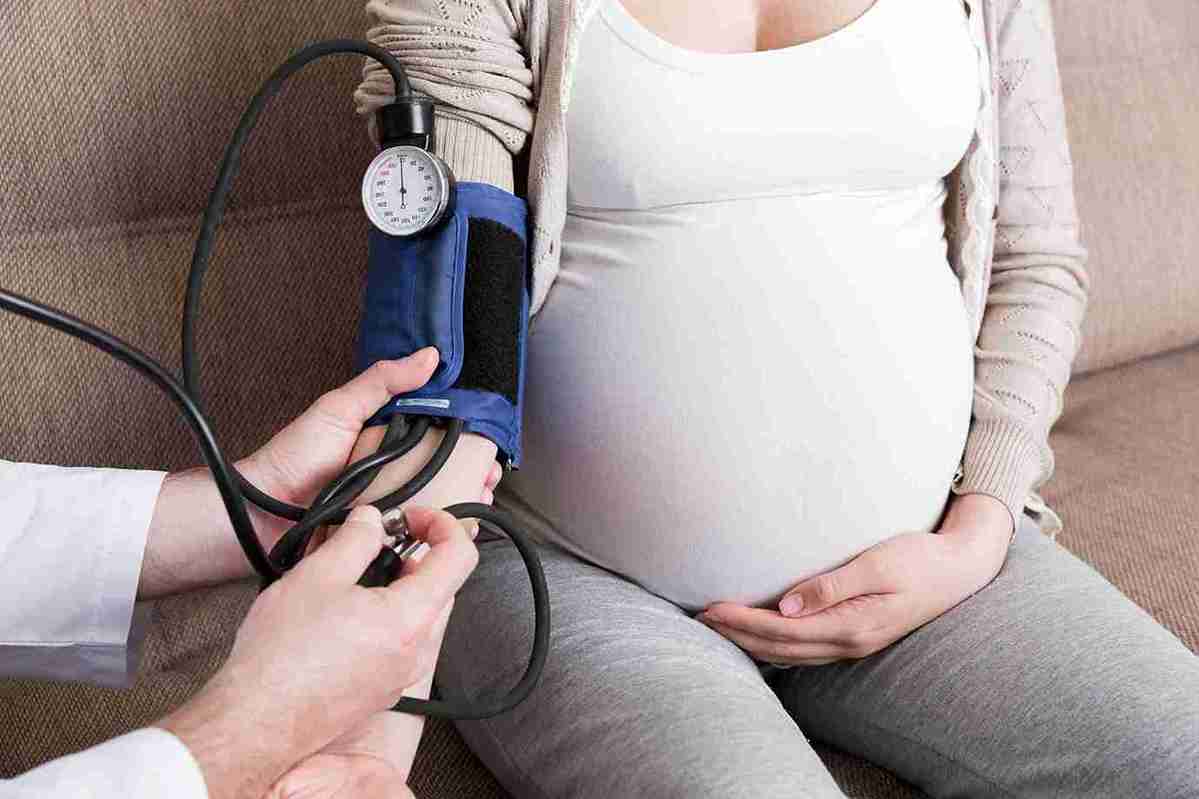
Once PIH is diagnosed, monitoring continues until delivery. The frequency depends on the severity of your condition.
For Mild PIH: If your blood pressure is between 140/90 and 160/110 mm Hg without other problems, weekly or twice-weekly blood pressure checks are required. Weekly urine protein tests, blood tests every 1-2 weeks, fetal monitoring weekly or twice weekly and ultrasounds every 3-4 weeks are essential.
For Severe PIH or Preeclampsia: If your blood pressure is 160/110 mm Hg or higher, or you have preeclampsia, you may need hospitalisation. The blood pressure needs to be checked several times daily with continuous fetal heart monitoring. Blood tests need to be performed every few days along with daily urine protein monitoring and frequent ultrasounds.
Your doctor watches for signs that delivery is needed. This includes worsening blood pressure, decreasing platelet counts, rising liver enzymes, or signs that your baby isn't doing well.
Diagnosing PIH is possible with continuous blood pressure monitoring during pregnancy, a urine protein test, blood work, and fetal testing. These tests help doctors catch problems early. PIH screening continues throughout your pregnancy to protect you and your baby. If you have risk factors or develop symptoms, talk to your doctor. Regular prenatal care and proper monitoring make a big difference.

Want to consult the best gynecologists in India? Please find the links below.

Pregnancy-induced hypertension is high blood pressure that develops after 20 weeks of pregnancy in women who had normal blood pressure before. It is also called gestational hypertension. The condition is different from chronic hypertension, which exists before pregnancy. PIH is diagnosed when blood pressure readings reach 140/90 mm Hg or higher on two separate measurements. It usually resolves within 6-12 weeks after delivery but needs monitoring.
PIH is diagnosed after 20 weeks of pregnancy, most often between 24 and 28 weeks during the second half of pregnancy. By definition, high blood pressure that appears before 20 weeks is considered chronic hypertension, not pregnancy-induced. Some women develop it earlier in the third trimester, while others don't show symptoms until late pregnancy or even right before delivery. Women with risk factors like obesity, family history, or first pregnancy get more frequent screenings.
Blood pressure is measured at every prenatal visit using a cuff on your upper arm. You sit comfortably with your arm at heart level, feet flat, and back supported. The cuff inflates and deflates to measure systolic and diastolic pressure. Doctors use the same arm each time for consistency. Two elevated readings (140/90 mm Hg or higher) taken at least 4 hours apart are needed to diagnose PIH.
Blood pressure of 140/90 mm Hg or higher is considered high during pregnancy. Normal pregnancy blood pressure is below 140/90 mm Hg. Severe hypertension is defined as 160/110 mm Hg or higher and needs immediate treatment. The top value (systolic) measures pressure when your heart beats. The bottom value (diastolic) measures pressure between beats. Both these values matter. Readings can vary throughout the day, which is why doctors need multiple elevated readings for diagnosis


 Best Gynecologists in Bellandur Best Gynecologists in Electronic City Best Gynecologists in HRBR LayoutBest Gynecologists in Jayanagar Best Gynecologists in Kanakapura RoadBest Gynecologists in Malleswaram Best Gynecologists in Nagarbhavi Best Gynecologists in Old Airport RoadBest Gynecologists in Sahakarnagar Best Gynecologists in Sarjapur RoadBest Gynecologists in ThanisandraBest Gynecologists in Varthur RoadBest Gynecologists in Whitefield Best Gynecologists in Industrial Area Phase IIBest Gynecologists in OMRBest Gynecologists in T NagarBest Gynecologists in New Industrial TownBest Gynecologists in IndirapuramBest Gynecologists in Golf Course RoadBest Gynecologists in Sector 14Best Gynecologists in Sector 47Best Gynecologists in Banjara HillsBest Gynecologists in GachibowliBest Gynecologists in Hitech CityBest Gynecologists in KompallyBest Gynecologists in Gomti NagarBest Gynecologists in MaladBest Gynecologists in NerulBest Gynecologists in VashiBest Gynecologists in Kailash ColonyBest Gynecologists in PatparganjBest Gynecologists in Punjabi BaghBest Gynecologists in VikaspuriBest Gynecologists in Gaur CityBest Gynecologists in Pari ChowkBest Gynecologists in Sector 51Best Gynecologists in Sector 5 Swastik ViharBest Gynecologists in Kalyani NagarBest Gynecologists in SB RoadBest Gynecologists in Pimple SaudagarBest Pediatricians in BellandurBest Pediatricians in Electronic CityBest Pediatricians in HRBR LayoutBest Pediatricians in JayanagarBest Pediatricians in Kanakapura RoadBest Pediatricians in MalleswaramBest Pediatricians in NagarbhaviBest Pediatricians in Old Airport RoadBest Pediatricians in SahakarnagarBest Pediatricians in Sarjapur RoadBest Pediatricians in ThanisandraBest Pediatricians in Varthur RoadBest Pediatricians in WhitefieldBest Pediatricians in Industrial Area Phase IIBest Pediatricians in OMRBest Pediatricians in T NagarBest Pediatricians in New Industrial TownshipBest Pediatricians in IndirapuramBest Pediatricians in Golf Course RoadBest Pediatricians in Sector 14Best Pediatricians in Sector 47Best Pediatricians in Hitech CityBest Pediatricians in Banjara HillsBest Pediatricians in GachibowliBest Pediatricians in KompallyBest Pediatricians in Gomti NagarBest Pediatricians in MaladBest Pediatricians in NerulBest Pediatricians in VashiBest Pediatricians in Kailash ColonyBest Pediatricians in PatparganjBest Pediatricians in Punjabi BaghBest Pediatricians in VikaspuriBest Pediatricians in Gaur CityBest Pediatricians in Pari ChowkBest Pediatricians in Sector 51Best Pediatricians in Sector 5 Swastik ViharBest Pediatricians in Kalyani NagarBest Pediatricians in SB RoadBest Pediatricians in Pimple Saudagar


