
Endometriosis is a very painful condition that many young girls and women suffer from. Many women suffer for years before they are properly diagnosed. While hysterectomy is an effective way to end endometriosis, not everyone wants it. In such cases, can hormonal contraceptives like Mirena help?
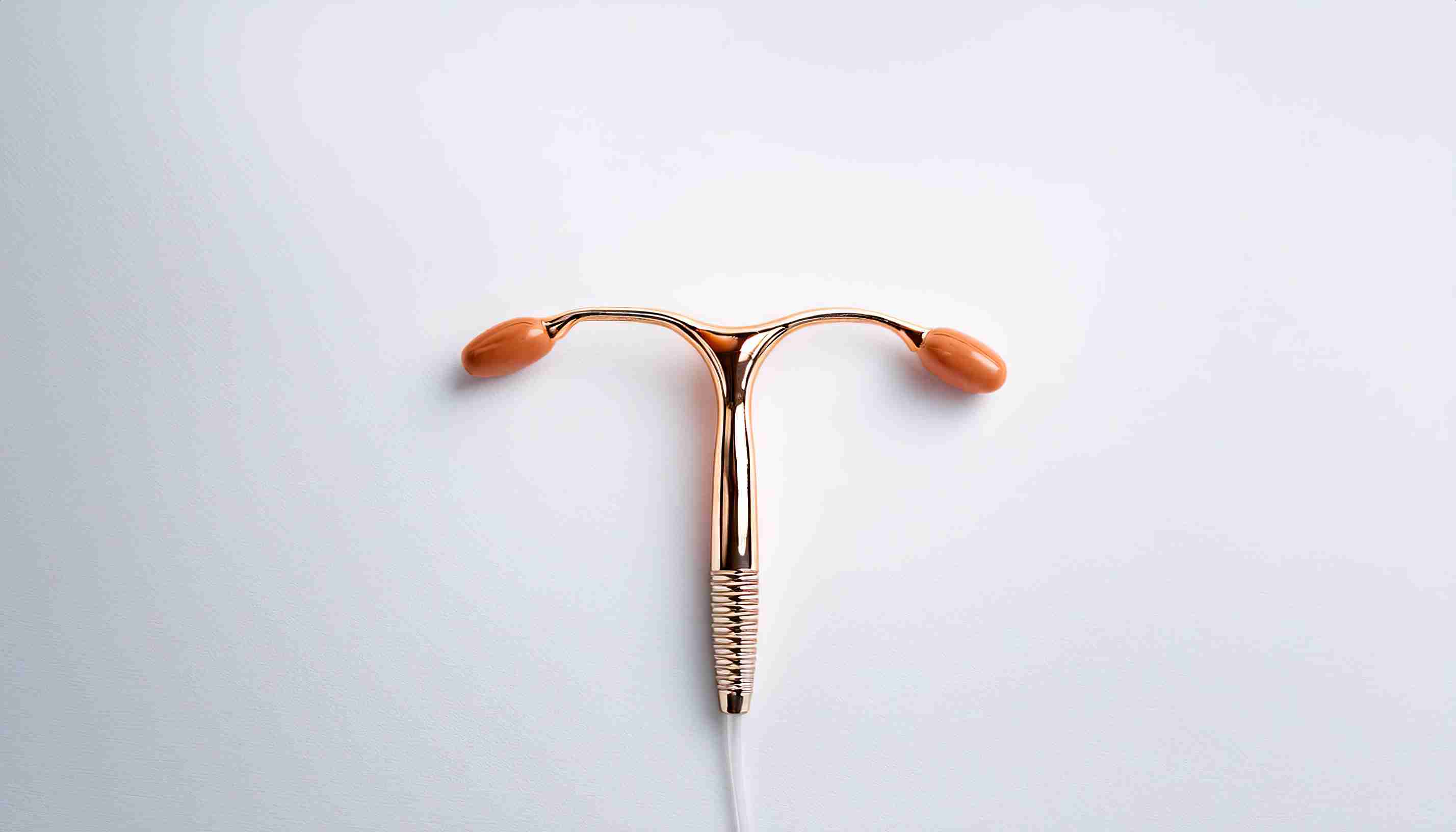
Mirena is a hormonal intrauterine device. It is a T-shaped contraceptive that is inserted into a woman’s uterus to prevent pregnancy. It can be effective for up to 8 years and is reversible at any time.
Mirena works by releasing the progestin hormone, which thickens the cervical mucus, making it difficult for sperm to travel in. It also reduces the uterine lining, thus reducing bleeding during menstruation.
Minera, though a hormonal contraceptive developed to avoid unwanted pregnancies, is quite popular among women and gynaecologists as an effective first line of treatment against endometriosis.
Endometriosis is a gynaecological condition in which tissue similar to the uterine lining grows outside the uterus. So, when this tissue thickens and breaks down during menstruation, it can lead to heavy bleeding or painful cramps.
Estrogen and progesterone are sex hormones produced by the ovaries, which can help reduce the growth of endometrial tissue. Mirena on insertion, releases the progestin hormone, which can reduce the uterine lining, thus decreasing pain and bleeding linked to menstruation and endometriosis. The device can remain in place for about 5 years, after which it is recommended to replace it.
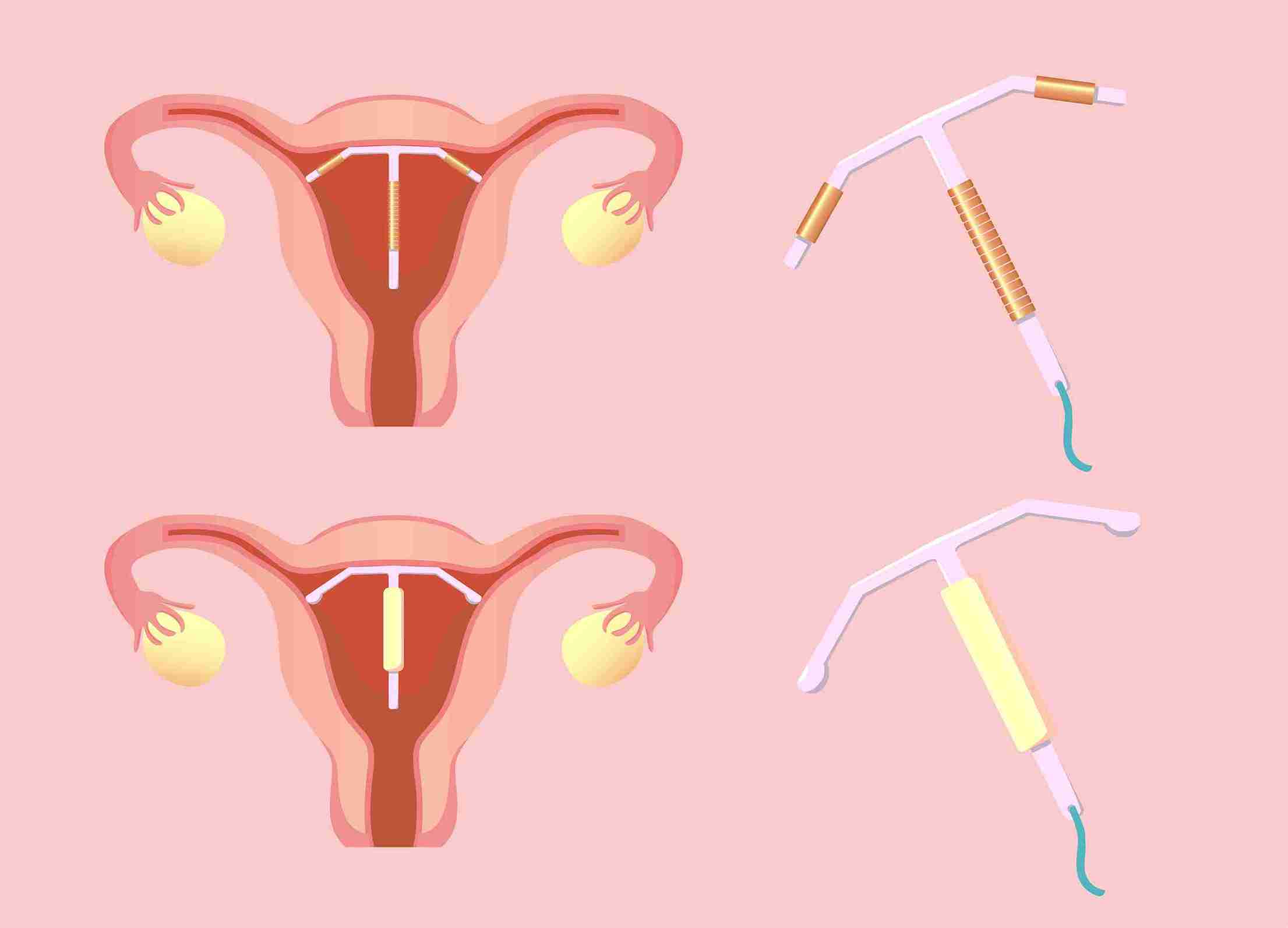
Mirena releases a low dose of the hormone levonorgestrel (a type of progestin) directly into the uterus. This reduces the growth of endometrial tissue, thins the uterine lining, and also reduces pelvic inflammation. It may not work the same way for all, but most women report a significant reduction in pain after starting the IUD.
Mirena can be very useful for women suffering from severe pain or heavy bleeding during menstruation. There are no pills to swallow or injections to take, making Mirena a simple yet effective way to treat endometriosis.
Mirena is completely safe and has no reports of any severe side effects. Common side effects include irregular spotting between periods. Hormonal imbalance can lead to acne, breast tenderness, and headaches. Changes in hormone levels can lead to mood swings, unexplained weight gain or loss, pelvic pain, and low back pain.
Many women are worried about inserting the T-shaped contraceptive into their uterus. It is a simple outpatient procedure that can be performed in the doctor’s office. The gynaecologist will perform a quick pelvic exam, clean the cervix, measure the uterus, and securely place the device inside the uterus. The entire procedure will take about 5-10 minutes, and no hospitalisation or medication is required. Sharp cramping during insertion is common and nothing to worry about.
If you experience severe pain or discomfort even a few hours after insertion or if your heavy bleeding does not reduce significantly, you should inform your gynaecologist.
.jpg)
Mirena is an IUD contraceptive. What happens when you remove this IUD and start planning for pregnancy?
Many women experience a “Mirena Crash”, which is symptoms of hormonal imbalance experienced after removal of the IUD. When the IUD is removed, the body stops getting the synthetic form of the progestin hormone, leading to a temporary hormonal imbalance. The endometriosis symptoms may return after Mirena removal. If heavy bleeding or pain returns, painkillers and other hormonal methods can help.
Women can begin trying to conceive soon after removing their Mirena. However, it may take about 6 months to get pregnant, as her body needs time to restore its natural hormonal balance. If she is unable to conceive or if her endometriosis symptoms return and start affecting her pregnancy plans, she should consult her gynaecologist.
No, Mirena can be used as a first-line treatment for endometriosis only if the doctor recommends it. Women suffering from breast cancer, severe liver diseases, unexplained vaginal bleeding, PID, or uterine abnormalities should avoid using Mirena. Women with congenital uterine abnormalities or severe fibroids should also avoid inserting a Mirena.
Mirena is a hormonal contraceptive that is widely used as the first line of treatment to address endometriosis and adenomyosis symptoms. When used under a doctor’s guidance and as per prescription, it can offer long-term relief and help avoid hysterectomy in many cases, too.

Want to consult the best gynecologists in India? Please find the links below.
Want to consult the best Maternity Packages in India? Please find the links below.

Mirena is an intrauterine device used for contraception and to treat heavy bleeding during periods. It is a T-shaped device and provides effective contraception for up to 8 years. It releases the progestin hormone, which thickens the cervical mucus, making it difficult for sperm to enter, and thickens the uterine lining to prevent ovulation.
Mirena is a progestin-releasing IUD that can help with menorrhagia, dysmenorrhea, pain caused by endometriosis, and adenomyosis. It can also help prevent endometrial hyperplasia by preventing the uterine lining from thickening.
Yes, it is. It can significantly reduce heavy menstrual bleeding by thinning the uterine lining. The hormones in Mirena either reduce the bleeding or completely stop it. It is used as a first-line treatment before a hysterectomy. Studies show Mirena can effectively reduce blood loss within 12 months.
Yes, Mirena is a very effective non-surgical treatment option to reduce adenomyosis symptoms like heavy menstrual bleeding and painful periods. The IUD releases progestin and thins the uterine lining, which in turn reduces heavy bleeding, provides relief from pain, and helps women avoid hysterectomy in most cases.







 Best Gynecologists in Bellandur Best Gynecologists in Electronic City Best Gynecologists in HRBR LayoutBest Gynecologists in Jayanagar Best Gynecologists in Kanakapura RoadBest Gynecologists in Malleswaram Best Gynecologists in Nagarbhavi Best Gynecologists in Old Airport RoadBest Gynecologists in Sahakarnagar Best Gynecologists in Sarjapur RoadBest Gynecologists in ThanisandraBest Gynecologists in Varthur RoadBest Gynecologists in Whitefield Best Gynecologists in Industrial Area Phase IIBest Gynecologists in OMRBest Gynecologists in T NagarBest Gynecologists in New Industrial TownBest Gynecologists in IndirapuramBest Gynecologists in Golf Course RoadBest Gynecologists in Sector 14Best Gynecologists in Sector 47Best Gynecologists in Banjara HillsBest Gynecologists in GachibowliBest Gynecologists in Hitech CityBest Gynecologists in KompallyBest Gynecologists in Gomti NagarBest Gynecologists in MaladBest Gynecologists in NerulBest Gynecologists in VashiBest Gynecologists in Kailash ColonyBest Gynecologists in PatparganjBest Gynecologists in Punjabi BaghBest Gynecologists in VikaspuriBest Gynecologists in Gaur CityBest Gynecologists in Pari ChowkBest Gynecologists in Sector 51Best Gynecologists in Sector 5 Swastik ViharBest Gynecologists in Kalyani NagarBest Gynecologists in SB RoadBest Gynecologists in Pimple SaudagarBest Pediatricians in BellandurBest Pediatricians in Electronic CityBest Pediatricians in HRBR LayoutBest Pediatricians in JayanagarBest Pediatricians in Kanakapura RoadBest Pediatricians in MalleswaramBest Pediatricians in NagarbhaviBest Pediatricians in Old Airport RoadBest Pediatricians in SahakarnagarBest Pediatricians in Sarjapur RoadBest Pediatricians in ThanisandraBest Pediatricians in Varthur RoadBest Pediatricians in WhitefieldBest Pediatricians in Industrial Area Phase IIBest Pediatricians in OMRBest Pediatricians in T NagarBest Pediatricians in New Industrial TownshipBest Pediatricians in IndirapuramBest Pediatricians in Golf Course RoadBest Pediatricians in Sector 14Best Pediatricians in Sector 47Best Pediatricians in Hitech CityBest Pediatricians in Banjara HillsBest Pediatricians in GachibowliBest Pediatricians in KompallyBest Pediatricians in Gomti NagarBest Pediatricians in MaladBest Pediatricians in NerulBest Pediatricians in VashiBest Pediatricians in Kailash ColonyBest Pediatricians in PatparganjBest Pediatricians in Punjabi BaghBest Pediatricians in VikaspuriBest Pediatricians in Gaur CityBest Pediatricians in Pari ChowkBest Pediatricians in Sector 51Best Pediatricians in Sector 5 Swastik ViharBest Pediatricians in Kalyani NagarBest Pediatricians in SB RoadBest Pediatricians in Pimple Saudagar


