
Your period is still a week away, but your breasts have already started hurting, your bra feels tighter, and even light pressure while sleeping is uncomfortable. Sound familiar?
PMS breast pain affects about 7 in 10 women during their reproductive years. Knowing it is common does not make it less annoying when you are dealing with tender, swollen breasts week after week. This guide explains what is happening in your body and what you can do about it.

Cyclical breast pain, also called cyclical mastalgia, is breast discomfort that follows your menstrual cycle. The pain typically starts one to two weeks before your period and goes away once menstruation begins. This differs from non-cyclical breast pain, which does not follow your cycle and might be caused by infection, injury, or poorly fitting bras. With cyclical pain, both breasts usually hurt, though one might be worse.
The answer is hormonal breast pain. Throughout your menstrual cycle, hormone levels rise and fall. These fluctuations directly affect your breast tissue. After your period ends, estrogen levels start rising, making your breast ducts enlarge. Estrogen peaks mid-cycle when you ovulate. After ovulation, progesterone levels rise significantly, stimulating milk gland growth in your breasts.
Both estrogen and progesterone are preparing your body for pregnancy. Your breast tissue is highly sensitive to these hormones. As levels rise, your breasts may swell, retain fluid, and become tender. When your period starts, hormone levels drop sharply, and the breast pain usually disappears.
Women describe the sensation differently: heaviness, tenderness, swelling, dull aching, sharp twinges, and lumpiness. The intensity, too, varies. For some women, it is minor, while for others, the pain is severe enough to interfere with exercise, sleep, or intimacy.
Most women have soreness or pain 3-5 days before the start of their period, and this may increase right before menstruation. Some women may experience pain much earlier, about 10-14 days before the start of their period, which is also the time when progesterone rises. Others feel discomfort throughout the second half of their cycle.
The cyclical breast pain may last anywhere between 3 and 14 days, depending on when it starts. The pain usually stops once your period starts.
Cyclical breast pain by itself rarely signals breast cancer. However, consult your gynaecologist if pain is severe enough to disrupt daily life, pain continues after your period or does not follow a pattern, you notice a lump that does not go away, you notice nipple discharge especially bloody discharge, breast skin changes, one breast is significantly more painful, pain that begins suddenly and differs from your usual pattern, or you are over 40 without a recent mammogram.

Yes, many women notice lumpiness before their period. This is called fibrocystic breast changes and is normal. Hormonal fluctuations cause small fluid-filled cysts and thickened tissue. Your breasts might feel rope-like or grainy. These lumps typically disappear after your period starts. However, get a hard lump checked if it does not change with your cycle, feels different from the rest of your breast, is in one specific spot, or does not go away after your period. Most lumps are benign, but any new or persistent lump should be evaluated.
Wear supportive bras: Choose ones that are properly fitted and offer good support. Sports bras may feel more comfortable for you. Wearing soft bras at night can also help.
Apply warm compresses: A warm water bottle or heating pad on your breasts can soothe pain.
Reduce caffeine: Cut back on tea, coffee, and cola before your period.
Lower salt intake: Avoid salty snacks, pickles, and processed foods for a week before your period.
Stay hydrated: Drink plenty of water. Proper hydration helps your body release excess water.
Exercise regularly: Gentle activities like walking or yoga help. Avoid high-impact activities if they hurt.
Gentle massage: A very gentle breast massage may reduce fluid buildup.
Pain relievers: Paracetamol or ibuprofen can help when pain is severe.
Supplements: Magnesium (400 mg daily) and vitamin E (400 IU daily) may help. Consult your doctor first.
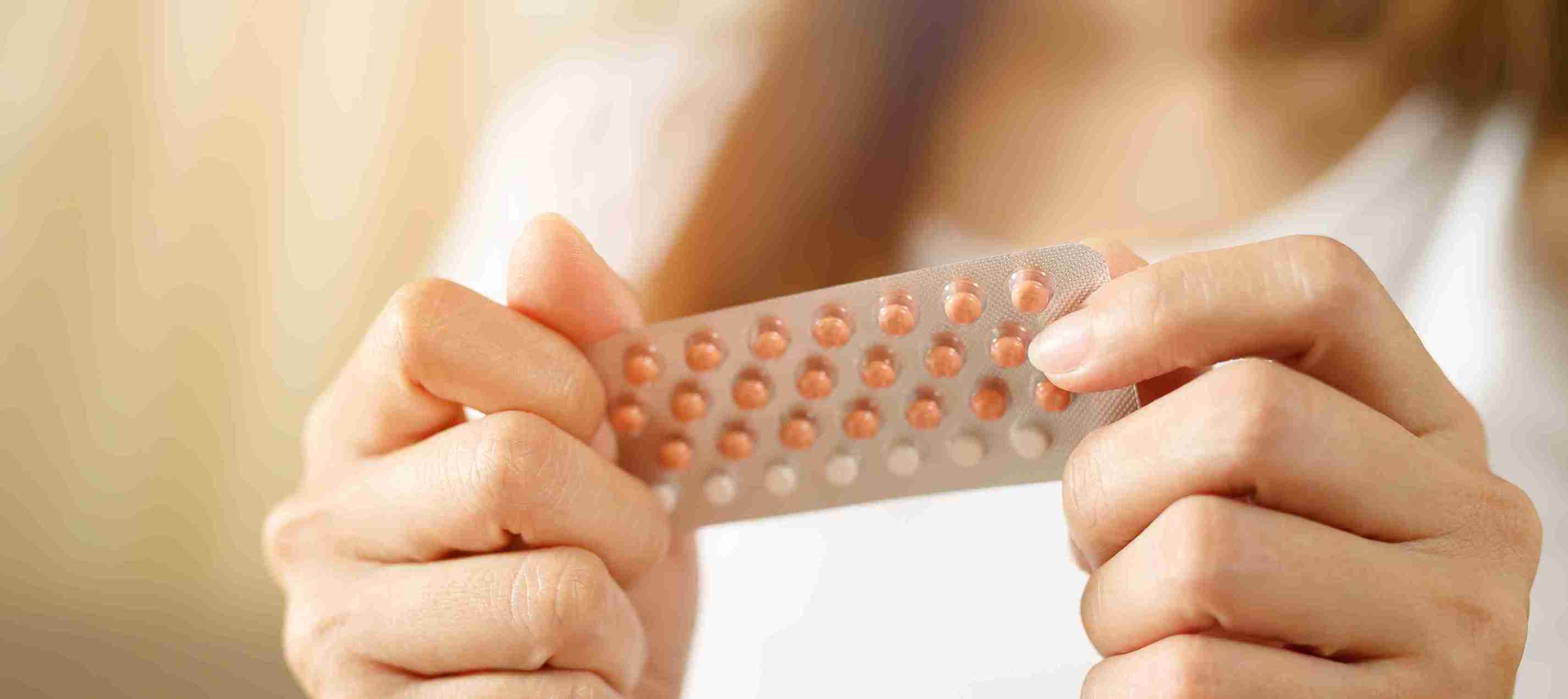
Birth control pills can affect breast pain differently. They might help by regulating hormone levels or might worsen pain, especially during the first few months. If you are considering hormonal birth control to manage breast pain, discuss this with your gynaecologist.
Cyclical breast pain improves as you move towards menopause. Understanding what it is can help you feel less anxious if and when it happens. It is not a disease, and you do not have to worry. It is just your body responding to the hormonal changes. Most women are able to manage this breast pain before their periods with some lifestyle changes and home remedies. If these are not helping, consult your gynaecologist to understand why it is happening to you.

Want to consult the best gynecologists in India? Please find the links below.
Want to consult the best Maternity Packages in India? Please find the links below.

Yes, breast pain before your period is completely normal and very common. About 70% of women experience cyclical breast pain during their reproductive years. This pain happens because of hormonal fluctuations, rising estrogen and progesterone levels cause your breast tissue to swell and become tender. The pain typically starts one to two weeks before your period and goes away once menstruation begins.
Yes, diet can significantly affect breast pain before your period. Avoid caffeine as it can increase breast tenderness in some women who are very sensitive, and high salt intake can cause fluid retention, which can swell breasts. Reduce processed foods, fried items and refined carbohydrates. Take foods rich in magnesium and vitamin E, as they can help reduce pain, along with lots of fruits, vegetables, and whole grains. Drink lots of water.
Yes, lumps in breasts before your period are usually normal. Hormonal changes cause fibrocystic breast changes like small fluid-filled cysts and thickened tissue that make breasts feel lumpy, especially in the upper outer areas. This lumpiness typically goes away after your period starts. However, see a doctor if you notice a hard lump that doesn't change with your cycle, feels different from surrounding tissue, stays in one specific spot, or doesn't disappear after your period.
Your breasts hurt before your period because of hormonal changes. During your menstrual cycle, estrogen and progesterone levels rise and fall. After ovulation, progesterone levels increase significantly, stimulating milk glands in your breasts to swell. Estrogen causes breast ducts to enlarge. These hormones are preparing your body for a potential pregnancy







 Best Gynecologists in Bellandur Best Gynecologists in Electronic City Best Gynecologists in HRBR LayoutBest Gynecologists in Jayanagar Best Gynecologists in Kanakapura RoadBest Gynecologists in Malleswaram Best Gynecologists in Nagarbhavi Best Gynecologists in Old Airport RoadBest Gynecologists in Sahakarnagar Best Gynecologists in Sarjapur RoadBest Gynecologists in ThanisandraBest Gynecologists in Varthur RoadBest Gynecologists in Whitefield Best Gynecologists in Industrial Area Phase IIBest Gynecologists in OMRBest Gynecologists in T NagarBest Gynecologists in New Industrial TownBest Gynecologists in IndirapuramBest Gynecologists in Golf Course RoadBest Gynecologists in Sector 14Best Gynecologists in Sector 47Best Gynecologists in Banjara HillsBest Gynecologists in GachibowliBest Gynecologists in Hitech CityBest Gynecologists in KompallyBest Gynecologists in Gomti NagarBest Gynecologists in MaladBest Gynecologists in NerulBest Gynecologists in VashiBest Gynecologists in Kailash ColonyBest Gynecologists in PatparganjBest Gynecologists in Punjabi BaghBest Gynecologists in VikaspuriBest Gynecologists in Gaur CityBest Gynecologists in Pari ChowkBest Gynecologists in Sector 51Best Gynecologists in Sector 5 Swastik ViharBest Gynecologists in Kalyani NagarBest Gynecologists in SB RoadBest Gynecologists in Pimple SaudagarBest Pediatricians in BellandurBest Pediatricians in Electronic CityBest Pediatricians in HRBR LayoutBest Pediatricians in JayanagarBest Pediatricians in Kanakapura RoadBest Pediatricians in MalleswaramBest Pediatricians in NagarbhaviBest Pediatricians in Old Airport RoadBest Pediatricians in SahakarnagarBest Pediatricians in Sarjapur RoadBest Pediatricians in ThanisandraBest Pediatricians in Varthur RoadBest Pediatricians in WhitefieldBest Pediatricians in Industrial Area Phase IIBest Pediatricians in OMRBest Pediatricians in T NagarBest Pediatricians in New Industrial TownshipBest Pediatricians in IndirapuramBest Pediatricians in Golf Course RoadBest Pediatricians in Sector 14Best Pediatricians in Sector 47Best Pediatricians in Hitech CityBest Pediatricians in Banjara HillsBest Pediatricians in GachibowliBest Pediatricians in KompallyBest Pediatricians in Gomti NagarBest Pediatricians in MaladBest Pediatricians in NerulBest Pediatricians in VashiBest Pediatricians in Kailash ColonyBest Pediatricians in PatparganjBest Pediatricians in Punjabi BaghBest Pediatricians in VikaspuriBest Pediatricians in Gaur CityBest Pediatricians in Pari ChowkBest Pediatricians in Sector 51Best Pediatricians in Sector 5 Swastik ViharBest Pediatricians in Kalyani NagarBest Pediatricians in SB RoadBest Pediatricians in Pimple Saudagar


