
Imagine you wake up in the middle of the night to check on your sleeping child. The sheets are damp. Your child's hair is soaked. Pyjamas are wet through. Your first thought is panic. Is your child sick? Do they have a fever? Should you rush to the hospital?
Excessive sweating during sleep in children is more common than many parents realise. About 12% of children experience night sweats regularly. While this can be alarming, especially for first-time parents, most cases have simple explanations. This guide helps you understand when night sweats are normal and when they signal something that needs medical attention.
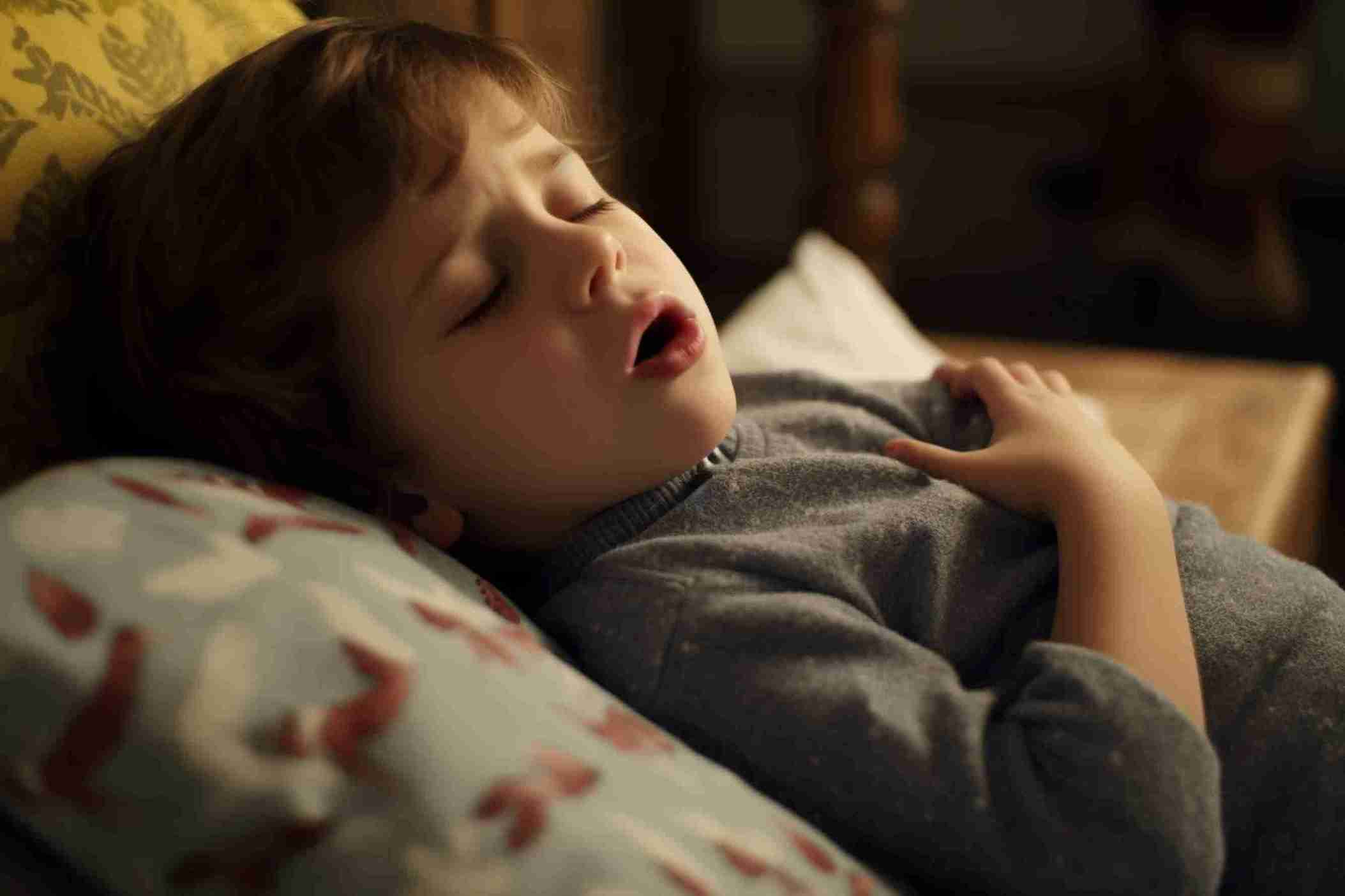
Night sweats refer to heavy sweating during sleep that is not caused by a hot room or too many blankets. Children with night sweats often wake up with damp hair, wet pyjamas, or soaked bedsheets. It is different from the mild perspiration that happens when a room is warm. True night sweats drench your child and their bedding to the point where you need to change their clothes or sheets.
Children's bodies are still learning to regulate temperature. Their heads, in particular, tend to sweat more because they lose more body heat through their heads compared to adults. This is why you might notice your child's head is wet while the rest of their body stays relatively dry.
Toddler night sweats can happen for many reasons, ranging from harmless to medical conditions requiring attention.
The most common cause is simply being too warm. Keeping the rooms cool at night is difficult. If you do not have air conditioning or power cuts make rooms uncomfortably warm, night sweats are likely to occur. Heavy pyjamas, multiple blankets, or synthetic materials used in the bedding can trap heat and cause your child’s body to overheat. Even in cooler months, over-bundling toddlers can lead to sweating.
Common childhood illnesses cause night sweats. When your child has a cold, flu, throat infection, or tonsillitis, their body temperature rises, leading to sweating. Any infection in the lungs, like pneumonia or tuberculosis, can also trigger sweating at night. Significant weight loss and prolonged cough are other symptoms seen in such children.
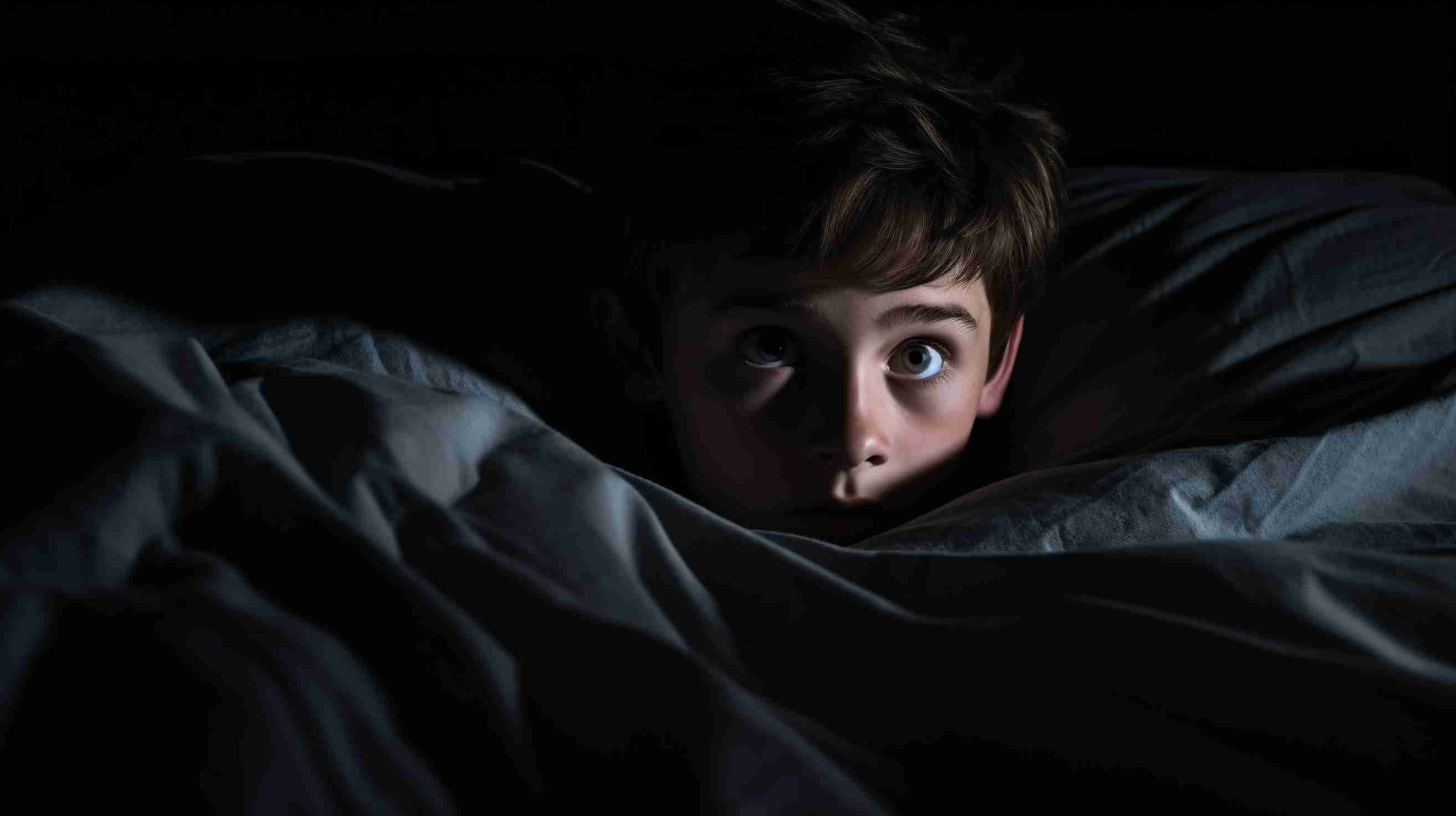
Children in deep sleep stages often sweat more. Their bodies are working hard to process the day's activities and growth. Night terrors, intense nightmares during deep sleep, can cause sudden night sweats. Children experiencing night terrors may thrash around, cry out, sit up, or breathe heavily while sweating profusely. They usually do not remember these episodes in the morning.
Children with sleep apnea struggle to breathe properly during sleep. The airways may be partially blocked, making it difficult for the child to breathe. This physical exertion can cause heavy sweating, just like when exercising, while trying to sleep. Other signs of sleep apnea include snoring, mouth breathing, restless sleep and daytime tiredness.
Sudden night sweats may start out of nowhere and need attention when there are other symptoms along with them.
Hormonal changes in children during puberty can trigger increased sweating. When children enter adolescence, around 10-14 years for girls and 12-16 years for boys, their bodies undergo a lot of hormonal changes. Boys may typically notice more sweating when they are going through growth spurts or times when there is high testosterone produced in their bodies. Girls also undergo hormonal changes, which can disrupt the body’s ability to regulate temperature, but this is temporary. These puberty-related night sweats are normal, though they can be uncomfortable. They usually settle as the body adjusts to new hormone levels.
Some children have hyperhidrosis, a condition where sweat glands are overactive. These children sweat excessively from their hands, feet, face, and throughout the night without any clear reason. Though hyperhidrosis does not harm a child's health, it can cause social anxiety as they get older, particularly in school settings.
Certain medications can cause night sweats as a side effect. Medicines for fever (antipyretics), blood pressure, allergies, or asthma might trigger excessive sweating in some children. If you notice sweating started after your child began a new medication, consult their doctor about possible alternatives.
Emotional stress affects children's bodies in many ways, including sweating. Academic pressure can trigger anxiety in even young children. Social challenges, friendship problems, or family changes can also cause anxiety that manifests as night sweats. Children experiencing anxiety may also show signs like restlessness, stomach aches, difficulty sleeping, or changes in behaviour.
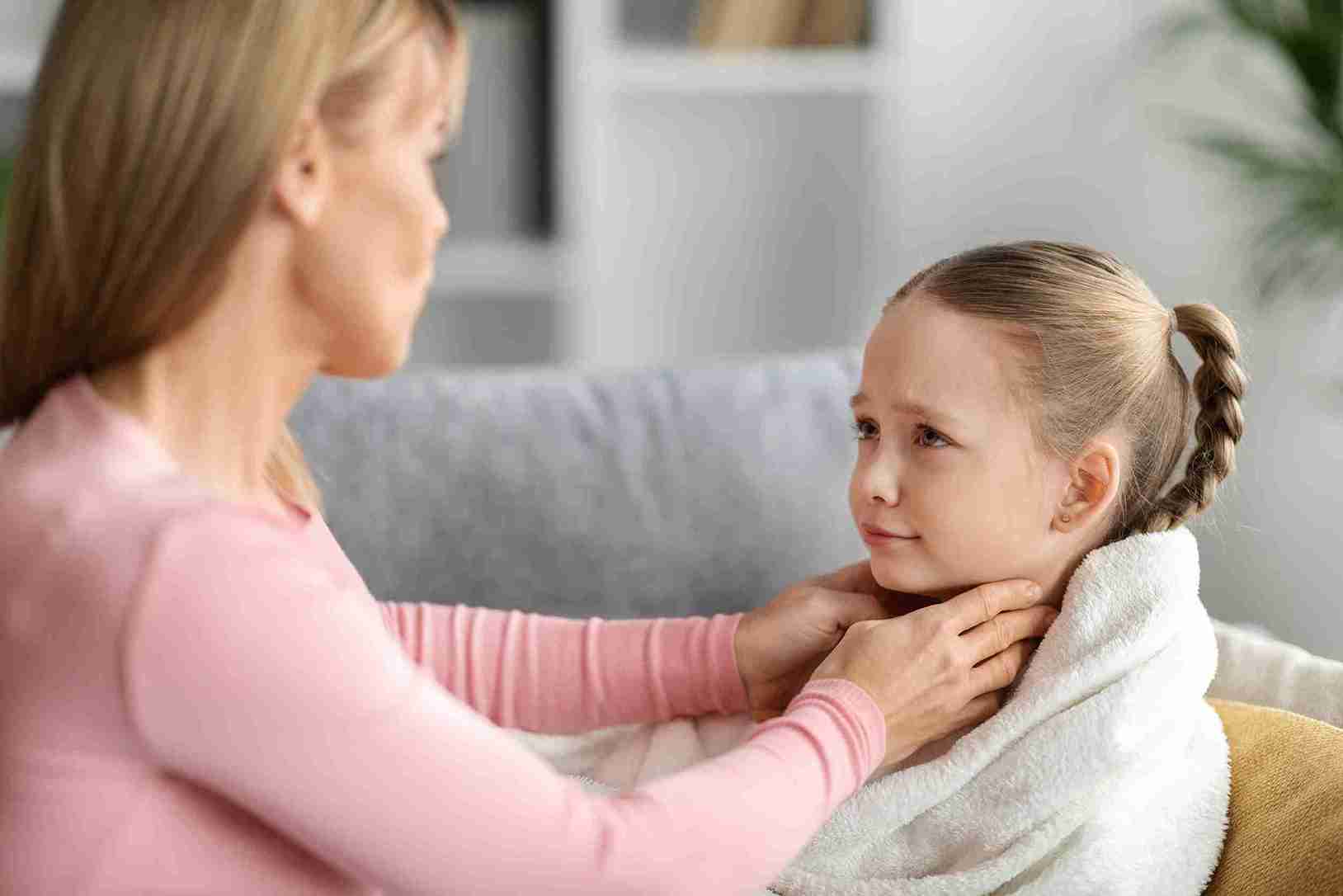
Though uncommon, parents should be aware of serious conditions that can cause night sweats:
Low blood sugar during the night can trigger sweating. Children with diabetes or those at risk need monitoring for this.
An overactive thyroid, also called hyperthyroidism, speeds up the body's metabolism, increases body temperature and may cause excessive sweating.
Rarely, night sweats can be a symptom of childhood cancers like leukaemia or lymphoma. However, these conditions almost always present with other prominent symptoms:
It is important to note that cancer-related night sweats are very different. Children wake up completely drenched, as if they've been in a pool. Their pyjamas and sheets are soaked through, making it impossible to continue sleeping without changing everything.

You should seek medical attention if your child experiences:
You should also consult your paediatrician if you simply feel something is not right. Parental instinct often picks up on subtle changes doctors appreciate hearing about.
Most of the time, there is nothing to worry about night sweats in children. It could be harmless or resolve on its own when you make simple changes to the sleeping arrangements. A child’s body is constantly growing and developing, and temperature regulation typically improves as they get older. Keep a log. Note when night sweats happen, how severe they are, what your child ate or did that day, room temperature, and any other symptoms. This helps doctors identify why this happens to your child. With patience and close attention to details, you can find answers that help your child sleep better.

Want to consult the best pediatrician in India? Please find the links below
best pediatrician in Bangalore
Best pediatrician in Chandigarh
best pediatrician in faridabad
best pediatrician in hyderabad
Best pediatrician in New Delhi
Best pediatrician in Panchkula
Best pediatrician in Ghaziabad

Yes, night sweats are quite common in children and usually harmless. About 12% of children experience them regularly. Common causes include warm rooms, too many blankets, deep sleep stages, or minor illnesses. Children's bodies are still learning temperature regulation, and their heads naturally sweat more than adults. However, if night sweats happen frequently, drench bedding completely, or occur with other symptoms like weight loss or fever, you should consult a paediatrician.
Yes, infections commonly cause night sweats in children. Common colds, flu, throat infections, tonsillitis, and respiratory infections like pneumonia can trigger sweating as the body fights the infection and temperature rises. Tuberculosis, though less common, can cause persistent night sweats, a prolonged cough, and weight loss. If night sweats accompany fever, cough, sore throat, or other infection symptoms, you should consult your doctor for a proper diagnosis and treatment.
Yes, anxiety and emotional stress can cause night sweats in children. Academic pressure, social challenges, family changes, or general worry can activate the body's stress response, causing increased sweating even during sleep. Children with anxiety might also show restlessness, stomach aches, sleep difficulties, or behaviour changes. You can manage stress using relaxation techniques, maintaining routines, and addressing sources of anxiety, which can help reduce night sweats. If anxiety seems severe, consulting a paediatrician or child psychologist is advisable.
Yes, sweating can indicate a fever is breaking. When a child's body temperature drops from fever back to normal, they often sweat as the body cools down. This is a positive sign that the illness is resolving. However, this sweating typically happens once as the fever breaks, not repeatedly over multiple nights. If night sweats continue after the fever resolves, or if they occur without fever, other causes should be considered.







 Best Gynecologists in Bellandur Best Gynecologists in Electronic City Best Gynecologists in HRBR LayoutBest Gynecologists in Jayanagar Best Gynecologists in Kanakapura RoadBest Gynecologists in Malleswaram Best Gynecologists in Nagarbhavi Best Gynecologists in Old Airport RoadBest Gynecologists in Sahakarnagar Best Gynecologists in Sarjapur RoadBest Gynecologists in ThanisandraBest Gynecologists in Varthur RoadBest Gynecologists in Whitefield Best Gynecologists in Industrial Area Phase IIBest Gynecologists in OMRBest Gynecologists in T NagarBest Gynecologists in New Industrial TownBest Gynecologists in IndirapuramBest Gynecologists in Golf Course RoadBest Gynecologists in Sector 14Best Gynecologists in Sector 47Best Gynecologists in Banjara HillsBest Gynecologists in GachibowliBest Gynecologists in Hitech CityBest Gynecologists in KompallyBest Gynecologists in Gomti NagarBest Gynecologists in MaladBest Gynecologists in NerulBest Gynecologists in VashiBest Gynecologists in Kailash ColonyBest Gynecologists in PatparganjBest Gynecologists in Punjabi BaghBest Gynecologists in VikaspuriBest Gynecologists in Gaur CityBest Gynecologists in Pari ChowkBest Gynecologists in Sector 51Best Gynecologists in Sector 5 Swastik ViharBest Gynecologists in Kalyani NagarBest Gynecologists in SB RoadBest Gynecologists in Pimple SaudagarBest Pediatricians in BellandurBest Pediatricians in Electronic CityBest Pediatricians in HRBR LayoutBest Pediatricians in JayanagarBest Pediatricians in Kanakapura RoadBest Pediatricians in MalleswaramBest Pediatricians in NagarbhaviBest Pediatricians in Old Airport RoadBest Pediatricians in SahakarnagarBest Pediatricians in Sarjapur RoadBest Pediatricians in ThanisandraBest Pediatricians in Varthur RoadBest Pediatricians in WhitefieldBest Pediatricians in Industrial Area Phase IIBest Pediatricians in OMRBest Pediatricians in T NagarBest Pediatricians in New Industrial TownshipBest Pediatricians in IndirapuramBest Pediatricians in Golf Course RoadBest Pediatricians in Sector 14Best Pediatricians in Sector 47Best Pediatricians in Hitech CityBest Pediatricians in Banjara HillsBest Pediatricians in GachibowliBest Pediatricians in KompallyBest Pediatricians in Gomti NagarBest Pediatricians in MaladBest Pediatricians in NerulBest Pediatricians in VashiBest Pediatricians in Kailash ColonyBest Pediatricians in PatparganjBest Pediatricians in Punjabi BaghBest Pediatricians in VikaspuriBest Pediatricians in Gaur CityBest Pediatricians in Pari ChowkBest Pediatricians in Sector 51Best Pediatricians in Sector 5 Swastik ViharBest Pediatricians in Kalyani NagarBest Pediatricians in SB RoadBest Pediatricians in Pimple Saudagar


