
Every parent watches their child grow with a mix of excitement and quiet worry. You count the milestones, celebrate the first smile, wait for the first word, and notice when something feels different. That instinct matters more than most people realise. When it comes to autism spectrum disorder, catching the signs early can make a significant difference in how well a child responds to support and therapy. The earlier a child is identified, the sooner the right help can begin.
This does not mean every delay is a cause for alarm. Children develop at their own pace, and no two are alike. But there are specific patterns and behaviours that are worth paying attention to, especially in the first two to three years of life.
Autism spectrum disorder is a condition that shapes how a child's brain develops, particularly around communication, social connection, and the way they take in the world around them. The word "spectrum" exists for a reason. One child with autism might be talkative and sharp in the classroom but find it genuinely hard to navigate friendships. Another might need significant support with speech and the basics of daily life. There is no single version of what autism looks like, which is part of what makes it easy to miss.
In India, conversations around autism have picked up meaningfully over the last ten years. More parents are asking questions, and more doctors are listening. But a late diagnosis is still far too common, often simply because nobody knew what to look for early on. That is the gap this awareness tries to fill. The earlier you know what to watch for, the sooner your child can get the support that actually helps.
Many parents assume autism cannot be spotted until a child is a toddler, but certain early signs of autism can appear in the first year of life. These include:
These are not definitive indicators on their own, but they are worth discussing with a paediatrician if you notice them consistently.
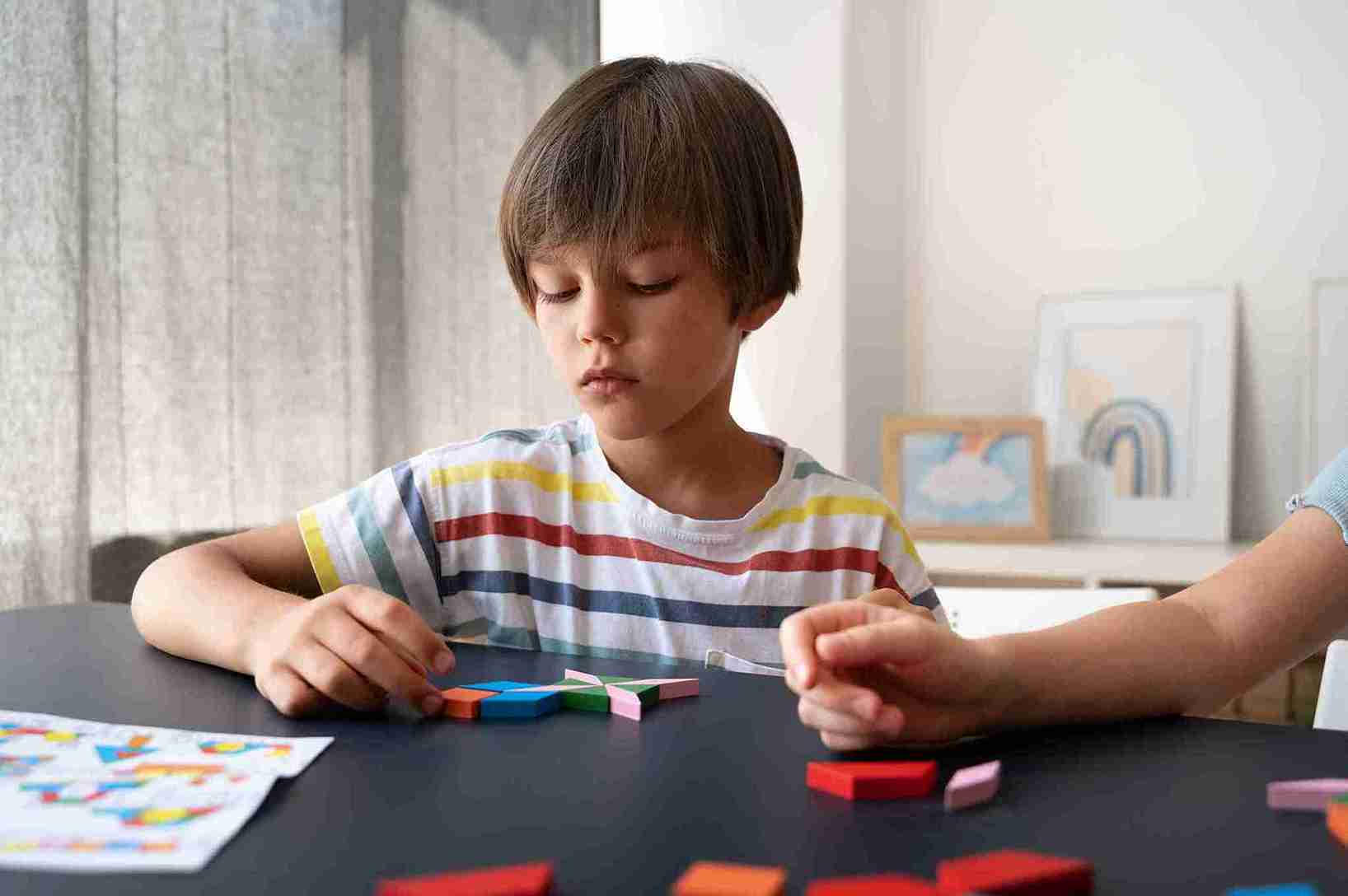
This is often when early signs of autism become more visible. Language development, social play, and daily routines are all in full swing at this stage, and differences tend to stand out more clearly.
Common autism red flags in toddlers include:
A child who loses skills they once had should be evaluated promptly. Regression is one of the more significant autism red flags and should not be attributed to a passing phase.
Autism spectrum disorder affects social communication in particular ways that are worth understanding beyond just a checklist. Children with autism may find it difficult to understand facial expressions, take turns in conversation, or use language in a social way. They may speak in a very literal manner or repeat phrases from television shows or books rather than using language functionally, a pattern known as echolalia.
Eye contact is often reduced, but this can vary significantly. Some children with autism do make eye contact, so its presence alone does not rule anything out. What matters more is the overall pattern of social engagement. Is the child interested in other people? Do they share enjoyment by pointing to something exciting and then looking back at you? This kind of joint attention is a key milestone, and one that children on the spectrum often develop differently.

Two features that are closely associated with autism spectrum disorder are sensory sensitivities and repetitive behaviours. A child might frequently cover their ears, become overwhelmed in crowded or noisy environments, or react strongly to certain fabrics or food textures. On the other end, some children seek out intense sensory input, such as spinning, rocking, or touching everything around them.
Repetitive behaviours, sometimes called stimming, include things like hand-flapping, rocking back and forth, spinning objects, or following the same routine in play every single time. These behaviours are not necessarily harmful, but when they occur alongside communication differences and social withdrawal, they form a pattern worth investigating.
If something feels off, trust that feeling. Parents often notice things before anyone else does, and your observations about your own child carry real weight. Paediatricians in India generally follow developmental screening guidelines, but autism-specific screening is not yet consistent across all clinics. If your concerns are brushed aside without any follow-up, it is completely reasonable to ask for a referral to a developmental paediatrician or child psychologist. Be assured that you are not overreacting by asking.
As a rough guide, these are situations where you should not wait:
None of these requires a diagnosis before you act. A single conversation with a specialist is enough to get the ball rolling.
Starting support early genuinely changes outcomes. Therapies like speech, occupational, and behavioural therapy tend to work best during the toddler and preschool years, when the brain is still forming connections rapidly. Getting an evaluation is not about putting a label on your child. It is about making sure they get the right kind of help before the window narrows.

If something feels off about the way your child is developing, that feeling deserves to be taken seriously. You do not need to have all the answers before you pick up the phone and speak to a doctor. The early signs of autism are not always dramatic or obvious, and many families only recognise them in hindsight. That is exactly why awareness matters. Acting early, even if it turns out to be nothing, is always the right call. Your child does not need a perfect parent; they need an observant one.
Want to consult the best pediatrician in India? Please find the links below
best pediatrician in Bangalore
Best pediatrician in Chandigarh
best pediatrician in faridabad
best pediatrician in hyderabad
Best pediatrician in New Delhi
Best pediatrician in Panchkula
Best pediatrician in Ghaziabad

Autism can often be reliably diagnosed by age 2, though some children receive a diagnosis as early as 18 months. Certain signs may be visible even in the first year of life. Early evaluation by a developmental paediatrician is recommended if parents notice delays in communication, social engagement, or if there is any regression in skills the child previously had.
Toddlers with autism may stop using words they previously knew, avoid eye contact, show little interest in other children, or become very upset over minor changes in routine. Repetitive behaviours such as lining up objects, hand-flapping, or insisting on the same sequence of activities are also commonly observed. These behaviours, together rather than individually, are what prompt further evaluation.
Parents can watch for delays in babbling, limited eye contact, failure to respond to their name, and the absence of gestures like pointing or waving. Reduced interest in people, preference for solitary play, and unusual reactions to sounds or textures are also worth noting. Tracking developmental milestones and promptly sharing concerns with a paediatrician are the most effective approaches.
Yes, in some cases. Babies who do not smile socially by 6 months, show very little facial expression, do not babble by 12 months, or fail to respond to their name may show early indicators of autism. These signs do not confirm a diagnosis on their own, but they are important enough to discuss with a doctor without delay.







 Best Gynecologists in Bellandur Best Gynecologists in Electronic City Best Gynecologists in HRBR LayoutBest Gynecologists in Jayanagar Best Gynecologists in Kanakapura RoadBest Gynecologists in Malleswaram Best Gynecologists in Nagarbhavi Best Gynecologists in Old Airport RoadBest Gynecologists in Sahakarnagar Best Gynecologists in Sarjapur RoadBest Gynecologists in ThanisandraBest Gynecologists in Varthur RoadBest Gynecologists in Whitefield Best Gynecologists in Industrial Area Phase IIBest Gynecologists in OMRBest Gynecologists in T NagarBest Gynecologists in New Industrial TownBest Gynecologists in IndirapuramBest Gynecologists in Golf Course RoadBest Gynecologists in Sector 14Best Gynecologists in Sector 47Best Gynecologists in Banjara HillsBest Gynecologists in GachibowliBest Gynecologists in Hitech CityBest Gynecologists in KompallyBest Gynecologists in Gomti NagarBest Gynecologists in MaladBest Gynecologists in NerulBest Gynecologists in VashiBest Gynecologists in Kailash ColonyBest Gynecologists in PatparganjBest Gynecologists in Punjabi BaghBest Gynecologists in VikaspuriBest Gynecologists in Gaur CityBest Gynecologists in Pari ChowkBest Gynecologists in Sector 51Best Gynecologists in Sector 5 Swastik ViharBest Gynecologists in Kalyani NagarBest Gynecologists in SB RoadBest Gynecologists in Pimple SaudagarBest Pediatricians in BellandurBest Pediatricians in Electronic CityBest Pediatricians in HRBR LayoutBest Pediatricians in JayanagarBest Pediatricians in Kanakapura RoadBest Pediatricians in MalleswaramBest Pediatricians in NagarbhaviBest Pediatricians in Old Airport RoadBest Pediatricians in SahakarnagarBest Pediatricians in Sarjapur RoadBest Pediatricians in ThanisandraBest Pediatricians in Varthur RoadBest Pediatricians in WhitefieldBest Pediatricians in Industrial Area Phase IIBest Pediatricians in OMRBest Pediatricians in T NagarBest Pediatricians in New Industrial TownshipBest Pediatricians in IndirapuramBest Pediatricians in Golf Course RoadBest Pediatricians in Sector 14Best Pediatricians in Sector 47Best Pediatricians in Hitech CityBest Pediatricians in Banjara HillsBest Pediatricians in GachibowliBest Pediatricians in KompallyBest Pediatricians in Gomti NagarBest Pediatricians in MaladBest Pediatricians in NerulBest Pediatricians in VashiBest Pediatricians in Kailash ColonyBest Pediatricians in PatparganjBest Pediatricians in Punjabi BaghBest Pediatricians in VikaspuriBest Pediatricians in Gaur CityBest Pediatricians in Pari ChowkBest Pediatricians in Sector 51Best Pediatricians in Sector 5 Swastik ViharBest Pediatricians in Kalyani NagarBest Pediatricians in SB RoadBest Pediatricians in Pimple Saudagar


