
When trying to conceive, focus often falls on egg quality, sperm health, and hormones, while the uterine lining is sometimes overlooked. For many women in India, a thin endometrium can quietly cause repeated failures to conceive or carry a pregnancy.
Before looking at what the uterine lining actually does, it's important to understand why its role in conception can be overlooked and why clarifying its function matters.
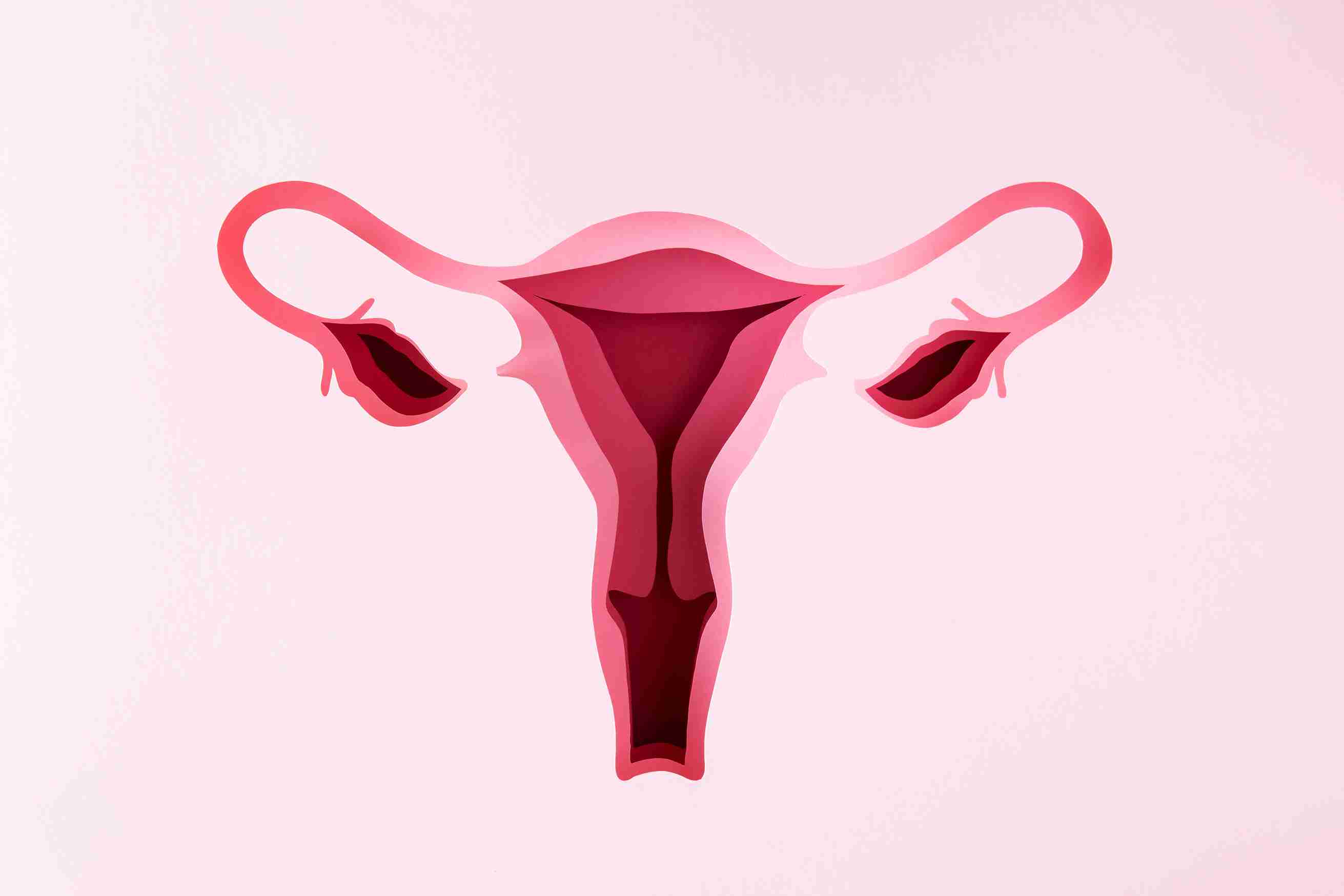
The endometrium is the inner lining of the uterus. Every month, rising estrogen levels prompt it to thicken and prepare for a fertilised egg. If no embryo arrives, it sheds during menstruation, and the cycle starts over. When an embryo does arrive, the lining needs to be thick enough, well-supplied with blood, and hormonally ready to support it.
Endometrial thickness is measured in millimetres using a transvaginal ultrasound, either around ovulation or just before an embryo transfer. Most specialists look for:
Thickness is an important marker, but the lining's pattern on the scan and blood flow to the uterus matter just as much.
A healthy embryo is only one part of successful implantation. The uterus also needs to be physically and biochemically ready, which is what endometrial receptivity means. A thin lining almost always means that readiness has not been reached.
It typically points to one or more of these:
Any of these factors can make the uterine environment unwelcoming to even a healthy embryo and result in implantation failure or an unprogressive pregnancy.
The endometrium can fall short for several reasons, and more often than not, it is not just one factor at play.
Identifying the root cause is key to effective treatment, rather than repeating the same approach.
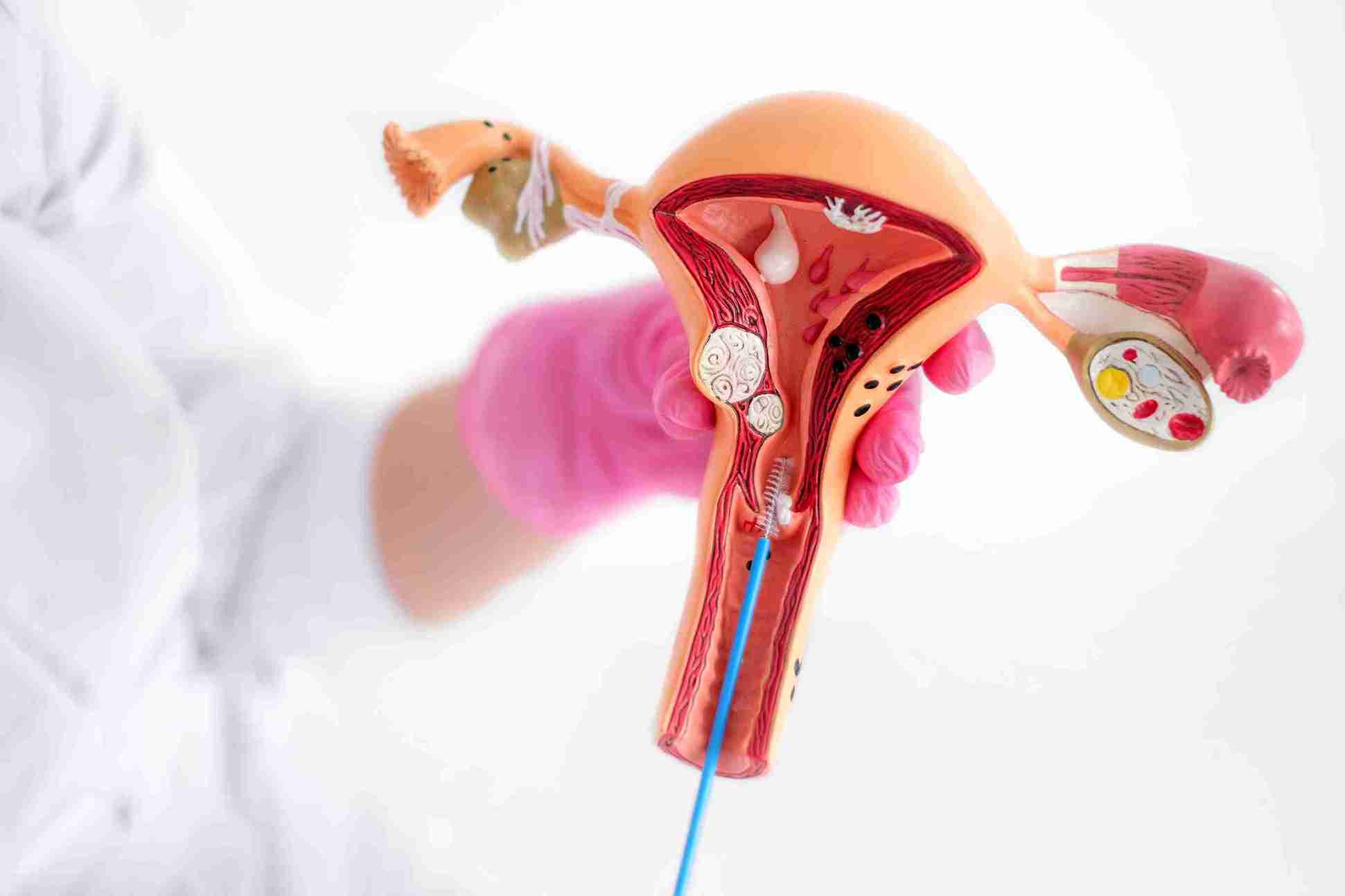
Anyone who has been through an IVF cycle knows how carefully every detail is tracked in the days leading up to a transfer. The uterine lining is no exception. Women going into a transfer with a lining below 7 mm face notably lower pregnancy rates and a greater risk of early loss, making IVF and thin endometrium one of the more challenging situations fertility specialists navigate.
When the lining does not respond to standard preparation, the approach is stepped up gradually:
If the lining still does not reach the required thickness after all of this, most specialists will call off the transfer for that cycle. Proceeding with a lining that is unlikely to support implantation rarely ends well, and waiting is usually the more sensible call.
Implantation failure is when an embryo is unable to successfully attach to the uterine wall, and it becomes particularly puzzling when it keeps happening despite the use of good-quality embryos. In these situations, the uterine lining is often the next step in the investigation.
A thin lining creates more than one problem for an embryo trying to implant:
For women who have been through repeated cycles without success and no clear embryo-related explanation, the next step is often an endometrial receptivity analysis (ERA). This test evaluates the molecular markers of the lining at a specific point in the cycle to identify the precise window when it is most receptive, helping the specialist time the transfer more accurately.

Fortunately, a thin endometrium is usually a temporary condition. Once the cause is identified, treatment can be directed specifically at what is going wrong, rather than a one-size-fits-all approach.
Depending on what is found, treatment options may include:
These lifestyle changes are not a substitute for medical treatment, but they complement it, particularly for women preparing for an IVF cycle.
Working with a gynaecologist or fertility specialist who takes the time to investigate the cause, rather than simply proceeding with another cycle, makes a meaningful difference to outcomes.
A thin uterine lining can have a very real impact on a woman's ability to conceive, whether naturally or through assisted reproduction. It affects the environment the embryo needs to implant and grow, and it contributes to implantation failure more often than many people realise. The good news is that, in most cases, it can be investigated and treated. If you have been experiencing difficulty conceiving or repeated IVF failures, asking your doctor to take a careful look at your endometrial lining is a reasonable and worthwhile step.

Want to consult the best gynecologists in India? Please find the links below.
Want to consult the best Maternity Packages in India? Please find the links below.

A thin endometrium does not always cause permanent infertility, but it can significantly reduce the chances of conception. When the lining is too thin to support implantation, even a healthy embryo may fail to attach. Identifying the cause, whether it is hormonal, structural, or infection-related, is the first step, as many women see improvement once the underlying issue is properly addressed.
Yes, it can. A lining that is too thin may not provide enough support for an embryo after it implants, increasing the risk of early pregnancy loss. Some studies suggest that pregnancies achieved with a very thin endometrium carry a higher chance of miscarriage. Evaluating and treating the lining before or during a fertility cycle is important for both successful implantation and a continuing pregnancy.
Chronic stress disrupts hormonal balance, which, in turn, can affect how well the endometrium develops each cycle. Lifestyle habits such as smoking, poor nutrition, and sedentary behaviour can reduce blood flow to the uterus and limit lining growth. While lifestyle changes alone are unlikely to fully resolve a thin endometrium, they support overall reproductive health and work alongside any medical treatment.
Yes, significantly. Estrogen is the main hormone responsible for stimulating the endometrium to thicken during the first half of the cycle. Insufficient estrogen, or a poor response to it, is one of the most common reasons for a thin lining. Progesterone also plays a role in preparing the lining for implantation after ovulation. Any hormonal imbalance, whether from natural causes or an underlying condition, can directly affect endometrial development.







 Best Gynecologists in Bellandur Best Gynecologists in Electronic City Best Gynecologists in HRBR LayoutBest Gynecologists in Jayanagar Best Gynecologists in Kanakapura RoadBest Gynecologists in Malleswaram Best Gynecologists in Nagarbhavi Best Gynecologists in Old Airport RoadBest Gynecologists in Sahakarnagar Best Gynecologists in Sarjapur RoadBest Gynecologists in ThanisandraBest Gynecologists in Varthur RoadBest Gynecologists in Whitefield Best Gynecologists in Industrial Area Phase IIBest Gynecologists in OMRBest Gynecologists in T NagarBest Gynecologists in New Industrial TownBest Gynecologists in IndirapuramBest Gynecologists in Golf Course RoadBest Gynecologists in Sector 14Best Gynecologists in Sector 47Best Gynecologists in Banjara HillsBest Gynecologists in GachibowliBest Gynecologists in Hitech CityBest Gynecologists in KompallyBest Gynecologists in Gomti NagarBest Gynecologists in MaladBest Gynecologists in NerulBest Gynecologists in VashiBest Gynecologists in Kailash ColonyBest Gynecologists in PatparganjBest Gynecologists in Punjabi BaghBest Gynecologists in VikaspuriBest Gynecologists in Gaur CityBest Gynecologists in Pari ChowkBest Gynecologists in Sector 51Best Gynecologists in Sector 5 Swastik ViharBest Gynecologists in Kalyani NagarBest Gynecologists in SB RoadBest Gynecologists in Pimple SaudagarBest Pediatricians in BellandurBest Pediatricians in Electronic CityBest Pediatricians in HRBR LayoutBest Pediatricians in JayanagarBest Pediatricians in Kanakapura RoadBest Pediatricians in MalleswaramBest Pediatricians in NagarbhaviBest Pediatricians in Old Airport RoadBest Pediatricians in SahakarnagarBest Pediatricians in Sarjapur RoadBest Pediatricians in ThanisandraBest Pediatricians in Varthur RoadBest Pediatricians in WhitefieldBest Pediatricians in Industrial Area Phase IIBest Pediatricians in OMRBest Pediatricians in T NagarBest Pediatricians in New Industrial TownshipBest Pediatricians in IndirapuramBest Pediatricians in Golf Course RoadBest Pediatricians in Sector 14Best Pediatricians in Sector 47Best Pediatricians in Hitech CityBest Pediatricians in Banjara HillsBest Pediatricians in GachibowliBest Pediatricians in KompallyBest Pediatricians in Gomti NagarBest Pediatricians in MaladBest Pediatricians in NerulBest Pediatricians in VashiBest Pediatricians in Kailash ColonyBest Pediatricians in PatparganjBest Pediatricians in Punjabi BaghBest Pediatricians in VikaspuriBest Pediatricians in Gaur CityBest Pediatricians in Pari ChowkBest Pediatricians in Sector 51Best Pediatricians in Sector 5 Swastik ViharBest Pediatricians in Kalyani NagarBest Pediatricians in SB RoadBest Pediatricians in Pimple Saudagar


