





Pregnancy acne is very common and can even appear in women who have never had skin problems in their lives. For many, pregnancy pimples start during the first trimester and may linger into the second due to the changing hormones. The rise of these hormones activates the oil glands, which block pores and cause inflammation and eruptions. While annoying, pimples during pregnancy are temporary, and gentle care can make a big difference.
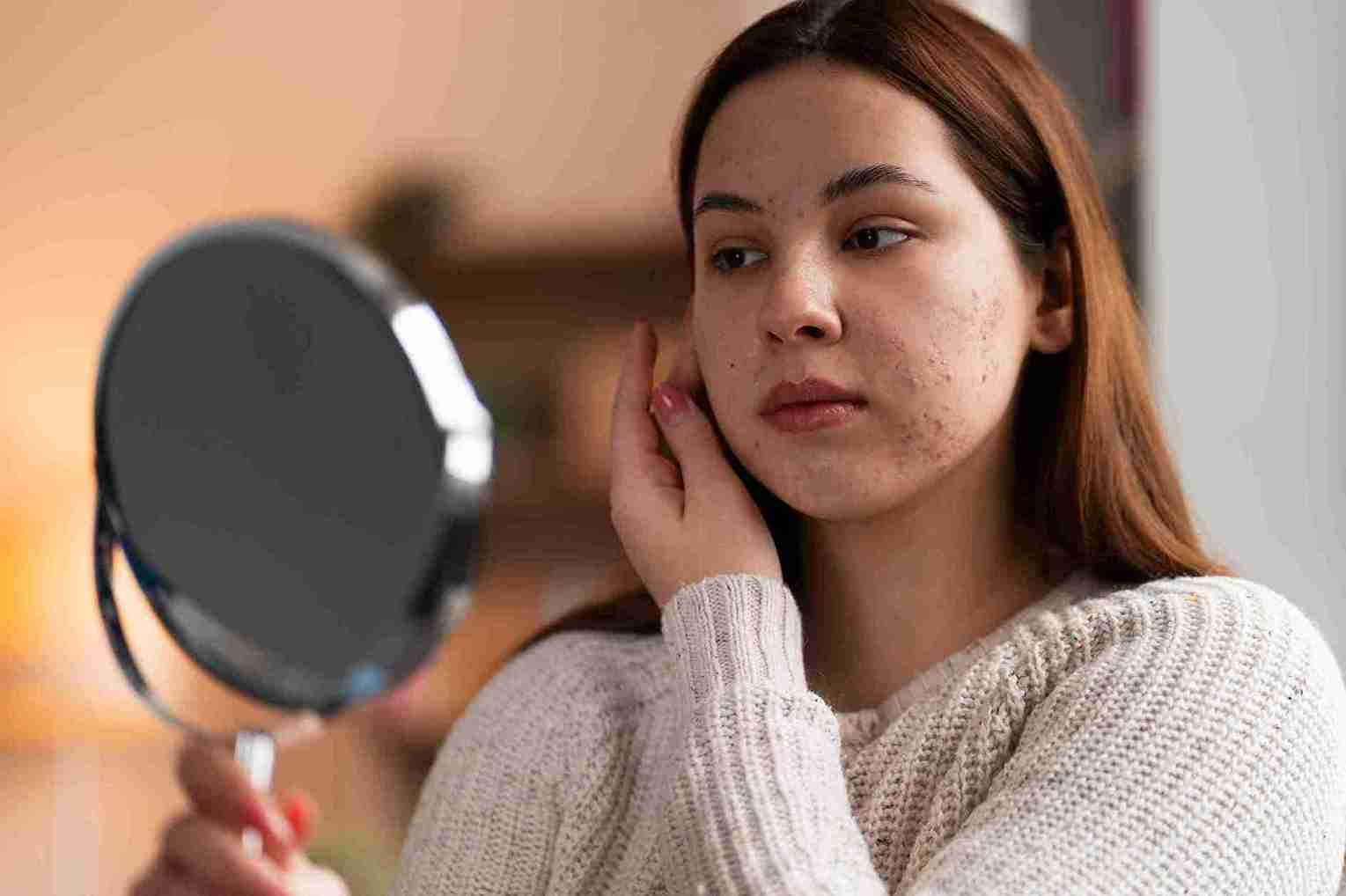
The biggest factor behind pregnancy-related breakouts is the increase in progesterone. This hormone enhances the production of oil, or sebum, which may clog pores and cause pimples on the face, chest, and back during pregnancy. The more oil present, the higher the chance of bacterial growth and inflammation.
Fatigue and emotional stress could exacerbate the condition of acne by increasing the level of cortisol. This can heighten inflammation, which may make any existing pimples more noticeable and painful.
Oily, heavy, and comedogenic products can badly clog the pores. Using lightweight, non-comedogenic skin care during pregnancy often helps to minimise flare-ups.
Pregnant women often feel warmer than usual, leading to increased sweating.
When sweat mixes with oil and friction from clothing, it can trigger body pimples during pregnancy, especially on the shoulders, chest, and back.
Pregnancy acne may look like:
The severity varies from woman to woman and may fluctuate across trimesters.

Characterised by a few whiteheads, blackheads, or small bumps.
Includes red, inflamed pimples spread across larger areas.
Deep, painful nodules that may require medical treatment and close monitoring by a dermatologist.
Not every acne treatment is safe during pregnancy, so it’s important to choose carefully. Here are some pregnancy-safe pimple treatments:
If you're exploring options, ensure that each product is a pregnancy-safe pimple treatment approved by dermatologists.
Some acne medications can harm the developing baby and must be strictly avoided:
Always check with your doctor before trying any new product.
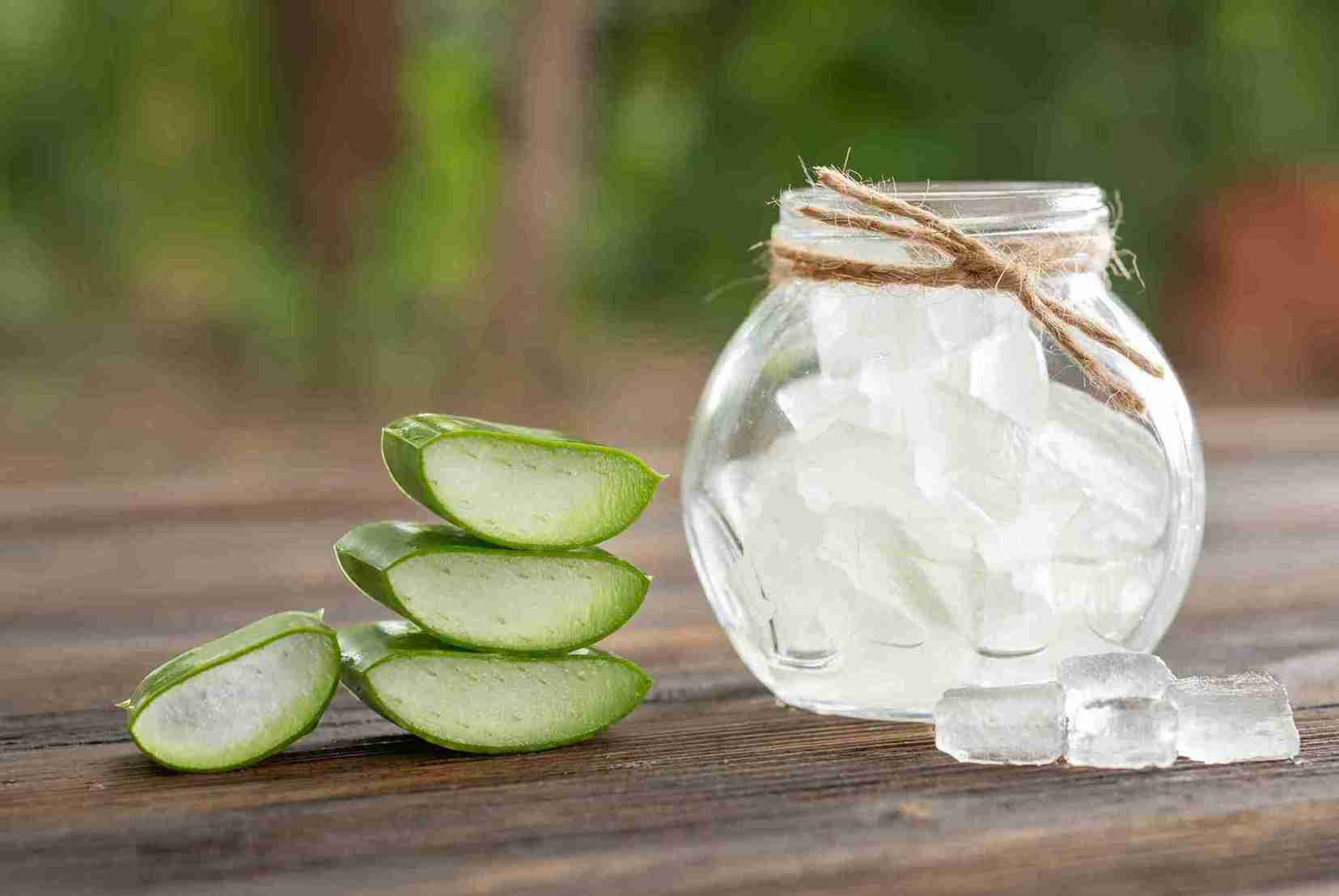
If you prefer natural methods, several gentle remedies may help soothe irritated skin:
These remedies work best when paired with consistent skincare and healthy habits.
Aloe vera gel
Many women face body pimples during pregnancy, mainly when the weather is hot.
Following these steps consistently can greatly reduce body pimples during pregnancy.

Food won’t cause or cure acne entirely, but some dietary choices can help control inflammation:
Pregnancy acne can feel overwhelming, especially when you’re unsure about safe treatment options. Cloudnine provides specialised dermatology and pregnancy-safe skincare guidance under one roof. Their experts understand how hormone shifts affect the skin during different trimesters and help you build a personalised routine based on your skin type and medical history.
With advanced diagnostic support, gentle procedures, and a clear focus on safety for both mother and baby, Cloudnine ensures that you receive the right care at the right time. Many women appreciate the compassionate approach, expert counselling, and easy access to multidisciplinary specialists, all of which make the journey smoother and stress-free.
Acne in pregnancy is transient and resolves after delivery.


Yes, early pregnancy often triggers acne due to sudden hormonal surges, increased oil production, and skin sensitivity.
It may last through the first and second trimesters and usually improves after delivery as hormones settle.
Omega-3-rich foods, antioxidants, leafy greens, nuts, and adequate hydration can help reduce inflammation.
They appear as red bumps, whiteheads, blackheads, or sometimes deeper cystic pimples, commonly on the face, chest, or back.


 Best Gynecologists in Bellandur Best Gynecologists in Electronic City Best Gynecologists in HRBR LayoutBest Gynecologists in Jayanagar Best Gynecologists in Kanakapura RoadBest Gynecologists in Malleswaram Best Gynecologists in Nagarbhavi Best Gynecologists in Old Airport RoadBest Gynecologists in Sahakarnagar Best Gynecologists in Sarjapur RoadBest Gynecologists in ThanisandraBest Gynecologists in Varthur RoadBest Gynecologists in Whitefield Best Gynecologists in Industrial Area Phase IIBest Gynecologists in OMRBest Gynecologists in T NagarBest Gynecologists in New Industrial TownBest Gynecologists in IndirapuramBest Gynecologists in Golf Course RoadBest Gynecologists in Sector 14Best Gynecologists in Sector 47Best Gynecologists in Banjara HillsBest Gynecologists in GachibowliBest Gynecologists in Hitech CityBest Gynecologists in KompallyBest Gynecologists in Gomti NagarBest Gynecologists in MaladBest Gynecologists in NerulBest Gynecologists in VashiBest Gynecologists in Kailash ColonyBest Gynecologists in PatparganjBest Gynecologists in Punjabi BaghBest Gynecologists in VikaspuriBest Gynecologists in Gaur CityBest Gynecologists in Pari ChowkBest Gynecologists in Sector 51Best Gynecologists in Sector 5 Swastik ViharBest Gynecologists in Kalyani NagarBest Gynecologists in SB RoadBest Gynecologists in Pimple SaudagarBest Pediatricians in BellandurBest Pediatricians in Electronic CityBest Pediatricians in HRBR LayoutBest Pediatricians in JayanagarBest Pediatricians in Kanakapura RoadBest Pediatricians in MalleswaramBest Pediatricians in NagarbhaviBest Pediatricians in Old Airport RoadBest Pediatricians in SahakarnagarBest Pediatricians in Sarjapur RoadBest Pediatricians in ThanisandraBest Pediatricians in Varthur RoadBest Pediatricians in WhitefieldBest Pediatricians in Industrial Area Phase IIBest Pediatricians in OMRBest Pediatricians in T NagarBest Pediatricians in New Industrial TownshipBest Pediatricians in IndirapuramBest Pediatricians in Golf Course RoadBest Pediatricians in Sector 14Best Pediatricians in Sector 47Best Pediatricians in Hitech CityBest Pediatricians in Banjara HillsBest Pediatricians in GachibowliBest Pediatricians in KompallyBest Pediatricians in Gomti NagarBest Pediatricians in MaladBest Pediatricians in NerulBest Pediatricians in VashiBest Pediatricians in Kailash ColonyBest Pediatricians in PatparganjBest Pediatricians in Punjabi BaghBest Pediatricians in VikaspuriBest Pediatricians in Gaur CityBest Pediatricians in Pari ChowkBest Pediatricians in Sector 51Best Pediatricians in Sector 5 Swastik ViharBest Pediatricians in Kalyani NagarBest Pediatricians in SB RoadBest Pediatricians in Pimple Saudagar


