
In vitro fertilisation has revolutionised fertility care throughout the world, giving couples new hope when conception becomes difficult. It is one of the most effective assisted reproductive techniques to help people conceive with conditions like low sperm count, blocked fallopian tubes, or unexplained infertility. However, the IVF success rate depends on a variety of factors, most notably, a woman's age.
Due to modern lab facilities, experienced specialists, and advanced technology available for embryo freezing and genetic testing, IVF success rates have been improving steadily in India.
This article discusses how age impacts your chances of success with IVF, what influences IVF outcomes, and what you can do to improve your IVF chances of success with appropriate care and approach.
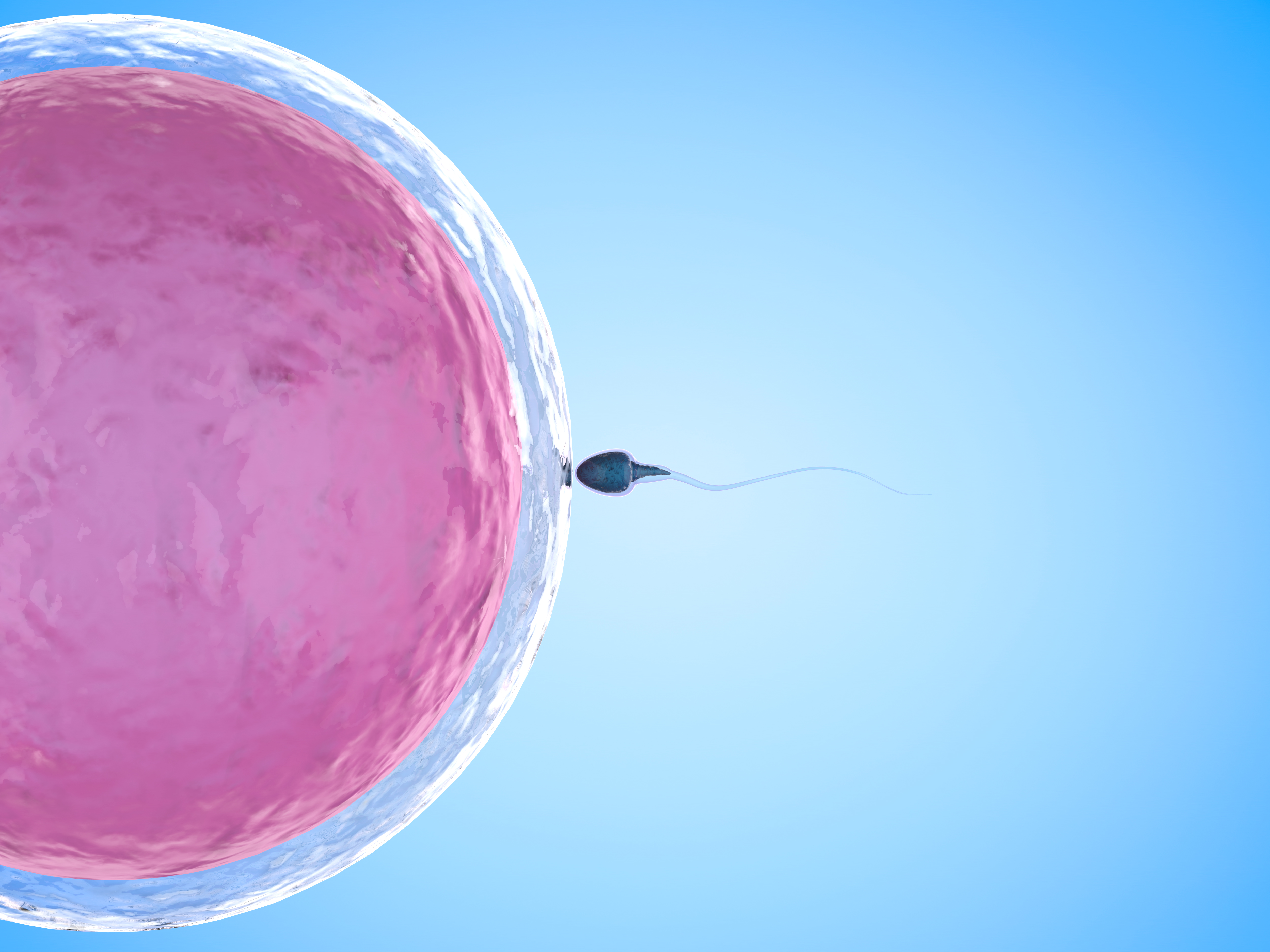
IVF is a complex series of medical procedures that help conception to take place outside the body. It starts with the stimulation of the ovaries, a process wherein medicines are used to develop multiple mature eggs. The eggs are retrieved from the ovaries and fertilised by sperm in a lab to form embryos. When the embryos develop, one or more of them are transferred into the uterus for implantation.
The IVF success rate refers to the percentage of cycles that result in a positive pregnancy or live birth. Some clinics report success per individual cycle, while others measure cumulative success across multiple attempts.
The chances of success with IVF do vary from clinic to clinic and person to person, based on many factors that include the age of the woman, the quality of eggs and sperm, uterine health, and technology at the lab.
In India, with world-class embryology techniques used in clinics, the success outcomes have been improving significantly over the last decade.
Age is the most critical determinant for IVF outcomes. Women who are under 30 years generally have healthier eggs and good ovarian reserves, thus translating into higher pregnancy rates. With the increase in age, both the quantity and quality of eggs decline, which reduces ivf chances of success.
After 35, chromosomal abnormalities in eggs become more common, lowering implantation rates and increasing miscarriage risk. However, it's encouraging to know that the IVF percentage of success in India continues to rise due to cutting-edge practices such as:
Lifestyle factors such as maintaining an appropriate weight, coping well with stress, and avoiding smoking or alcohol can further improve IVF outcome regardless of maternal age.

1. Age and Egg Quality
Younger, healthier eggs have a higher potential for successful fertilisation and embryo development. As women age, egg quality gradually declines, affecting embryo health and implantation success.
2. Sperm Health
Sperm motility, morphology, and DNA fragmentation all affect fertilisation rates. Men's lifestyle choices and medical conditions can influence the outcomes of IVF just as much as those of women.
3. Uterine Health
For implantation to occur, the uterine lining must be healthy. The presence of certain conditions, such as fibroids, endometriosis, or uterine polyps that require treatment, can lower that success rate.
4. Embryo Quality
Advanced lab conditions, accurate timing, and qualified embryologists improve embryo survival and quality, which directly relates to success rates.
5. Number of Embryos Transferred
Transferring more embryos might seem to improve results, but it also raises the risk of multiple pregnancies. Clinics usually recommend transferring one or two top-quality embryos for safety.
6. Clinic Expertise & Technology
Overall, the success percentage with IVF depends on the lab infrastructure, the use of modern technology, and the experience of the fertility specialists.
7. Lifestyle Factors
Smoking, alcohol, high stress, obesity, and poor nutrition may lower fertility and IVF outcomes. A balance in lifestyle could create a visible difference.
In most cases, the success rate of IVF for couples on the first try ranges between 35–45%. Although that number may sound modest, it is important to appreciate that even in unsuccessful cycles, fertility specialists gain valuable information from each cycle that allows them to refine treatment in subsequent attempts.
Success rate improves over several cycles when taken cumulatively. For instance, the general success rates after a total of three completed series of IVF cycles may reach 70–80%. Patience, persistence, and emotional support are indispensable companions on this journey. After all, each single cycle takes you closer to success.

You can improve your chances of success with IVF with a few evidence-based lifestyle and medical strategies:
Fact: It depends on one's age, egg quality, and other factors; thus, it is quite possible that more than one cycle may be required.
Fact: Many women have conceived well into their late 30s and even up to the age of 45, with the help of advanced treatments such as donor eggs or PGT.
Fact: This definitely increases twin or triplet pregnancies. It may or may not improve live birth rates.
Fact: IVF babies are just as healthy as naturally conceived babies.
One's choice of a fertility centre makes all the difference in one's IVF journey. Consider Cloudnine Hospital for advanced fertility care underlined by advanced technology, treatment, and compassion. Each IVF cycle is based on a thorough diagnostic study, precision laboratory techniques, and the most updated globally accredited embryology practices.
Fertility specialists and embryologists at Cloudnine strive to enhance outcomes through evidence-based treatment, emotional support, and transparent communication. Equipped with state-of-the-art infrastructure, advanced IVF laboratories, and considerate counselling, Cloudnine aspires to ensure couples not only achieve higher success rates but have a less stressful and more confident fertility journey.

IVF has given countless couples across India a reason to have a family. Though the success rate of IVF decreases with age, continuous medical progress has made pregnancy possible in even the most difficult situations. Factors like good lifestyle habits, expertise at clinics, and timely intervention can boost one's chances of success with IVF.
Remember, every fertility journey is unique, and it's always best to consult a trusted fertility specialist for the most relevant advice. Age can make a difference in the numbers, but with the right care, technology, and frame of mind, it's still possible to have a successful pregnancy with IVF.

No, success with IVF varies according to age, egg and sperm quality, and the expertise of the clinic.
On average, 35 to 45% of women conceive within the first IVF cycle.
There are about 55–65% average success rates with IVF below the age of 30.
Most couples conceive within 3 cycles, with cumulative success rates of up to 70–80%.







 Best Gynecologists in Bellandur Best Gynecologists in Electronic City Best Gynecologists in HRBR LayoutBest Gynecologists in Jayanagar Best Gynecologists in Kanakapura RoadBest Gynecologists in Malleswaram Best Gynecologists in Nagarbhavi Best Gynecologists in Old Airport RoadBest Gynecologists in Sahakarnagar Best Gynecologists in Sarjapur RoadBest Gynecologists in ThanisandraBest Gynecologists in Varthur RoadBest Gynecologists in Whitefield Best Gynecologists in Industrial Area Phase IIBest Gynecologists in OMRBest Gynecologists in T NagarBest Gynecologists in New Industrial TownBest Gynecologists in IndirapuramBest Gynecologists in Golf Course RoadBest Gynecologists in Sector 14Best Gynecologists in Sector 47Best Gynecologists in Banjara HillsBest Gynecologists in GachibowliBest Gynecologists in Hitech CityBest Gynecologists in KompallyBest Gynecologists in Gomti NagarBest Gynecologists in MaladBest Gynecologists in NerulBest Gynecologists in VashiBest Gynecologists in Kailash ColonyBest Gynecologists in PatparganjBest Gynecologists in Punjabi BaghBest Gynecologists in VikaspuriBest Gynecologists in Gaur CityBest Gynecologists in Pari ChowkBest Gynecologists in Sector 51Best Gynecologists in Sector 5 Swastik ViharBest Gynecologists in Kalyani NagarBest Gynecologists in SB RoadBest Gynecologists in Pimple SaudagarBest Pediatricians in BellandurBest Pediatricians in Electronic CityBest Pediatricians in HRBR LayoutBest Pediatricians in JayanagarBest Pediatricians in Kanakapura RoadBest Pediatricians in MalleswaramBest Pediatricians in NagarbhaviBest Pediatricians in Old Airport RoadBest Pediatricians in SahakarnagarBest Pediatricians in Sarjapur RoadBest Pediatricians in ThanisandraBest Pediatricians in Varthur RoadBest Pediatricians in WhitefieldBest Pediatricians in Industrial Area Phase IIBest Pediatricians in OMRBest Pediatricians in T NagarBest Pediatricians in New Industrial TownshipBest Pediatricians in IndirapuramBest Pediatricians in Golf Course RoadBest Pediatricians in Sector 14Best Pediatricians in Sector 47Best Pediatricians in Hitech CityBest Pediatricians in Banjara HillsBest Pediatricians in GachibowliBest Pediatricians in KompallyBest Pediatricians in Gomti NagarBest Pediatricians in MaladBest Pediatricians in NerulBest Pediatricians in VashiBest Pediatricians in Kailash ColonyBest Pediatricians in PatparganjBest Pediatricians in Punjabi BaghBest Pediatricians in VikaspuriBest Pediatricians in Gaur CityBest Pediatricians in Pari ChowkBest Pediatricians in Sector 51Best Pediatricians in Sector 5 Swastik ViharBest Pediatricians in Kalyani NagarBest Pediatricians in SB RoadBest Pediatricians in Pimple Saudagar


