





The immune system produces antibodies to fight foreign intruders and protect the body from various infections and diseases. When these antibodies start attacking the healthy cells instead of the foreign pathogens, it is an autoimmune condition. Are you aware of Antiphospholipid Syndrome and how it can cause life-threatening blood clots? Read on to know all about APS.
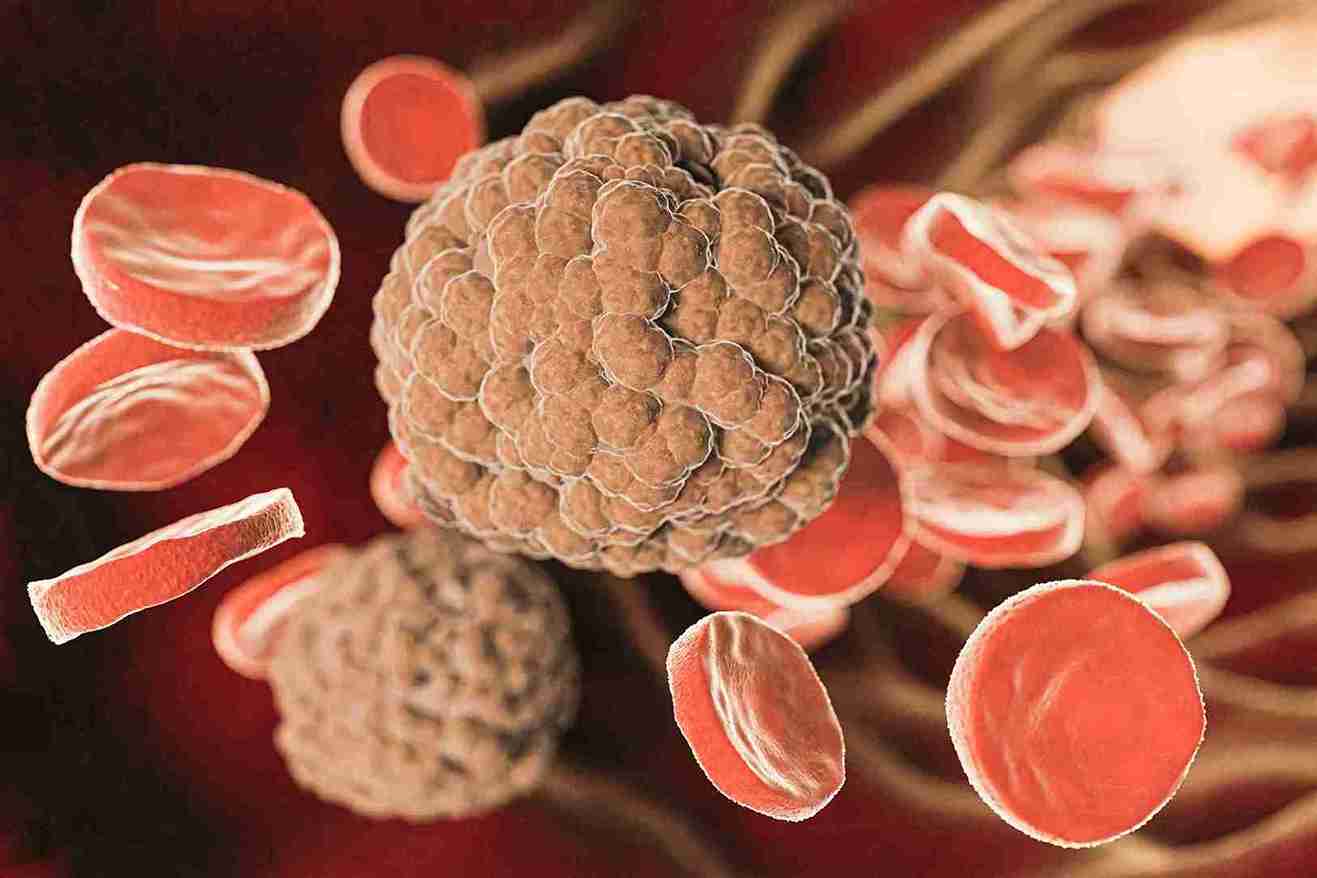
Antiphospholipid Syndrome (APS) is anautoimmune disease that causes blood clots. In APS, the immune system producesantibodies known as antiphospholipids that attack the body’s healthy cells,mistaking them for intruders.
These antibodies damage the protein(phospholipids) in the blood and cause the platelets to clump together. As aresult, abnormal clots start forming in the arteries and veins. This, in turn,can block the blood flow to the vital organs and even increase the risk ofheart attacks and strokes.
APS is a lifelong condition with no cure sofar. Anticoagulant medications can help manage the condition of patients tolead normal lives.
APS is more common among women than among men. APS during pregnancy can be very risky, requiring very close monitoring. APS in pregnancy can happen when –
● Women with APS conceive
● Women develop APS during pregnancy.
In both cases, APS increases the risks in pregnancy, requiring very close monitoring throughout the pregnancy. APS in pregnancy increases the risk of thrombosis, miscarriage, stillbirth, preeclampsia, and fetal growth restriction.
The blood clots can obstruct the blood flow to the placenta, which can not only impact the blood flow to the baby but also affect the flow of nutrients, too. As a result, the baby may not grow properly, be born prematurely, or struggle to survive.
Antiphospholipid syndrome is an autoimmune disease that occurs when the antibodies produced by the immune system start attacking it instead of protecting it.
When the body produces antibodies known as antiphospholipids that target phospholipids (a type of fat cell that is the primary building block of cell membranes), it is known as Antiphospholipid Syndrome (APS).
The antibodies attack the protein attached to these cells, causing them to clump together and form blood clots. The following three antibodies can cause APS –
● Lupus anticoagulant.
● Anticardiolipin.
● Anti-B2 glycoprotein 1.
● Women
● Women between the ages of 30 and 40
● Those with lupus or rheumatoid arthritis
● Those who have close family members with APS.

APS usually has no symptoms unless many or large clots block blood flow, which can cause complications.
Some common symptoms one may experience when diagnosed with APS are –
● Deep Vein Thrombosis – Blood clots form in the legs and can travel up to the lungs, causing pulmonary embolism. Signs of such blood clots include pain, swelling, and redness.
● Stroke – People with no known risk factors of cardiovascular diseases can develop a stroke.
● Transient Ischemic Attack – It is very similar to a stroke and lasts a few minutes. It does not cause any permanent damage.
● Rash – The blood clot can trigger a rash with a net-like lacy pattern forming on the skin.
● Repeated Pregnancy Loss - Women suffering from APS may face repeated pregnancy loss without any apparent reason. This can be fetal death after 10 weeks or even stillbirth.
● Neurological – Migraines and chronic headaches. If the blood clot obstructs the blood flow to the brain, it may lead to dementia or seizures.
● Cardiovascular – Obstruction of blood flow can cause damage to the heart valves.
● Thrombocytopenia – A reduction in the blood cells that help with clotting can cause bleeding from the nose or gums, or small red spots that appear under the skin.
Diagnosing APS can be tricky, as it often does not present any noticeable symptoms. Doctors have no reason to take any APS-related tests unless there are blood clots or repeated miscarriages with no apparent cause.
Testing for Antiphospholipid Syndrome involves three different blood tests. Diagnosis requires testing for anticardiolipin antibodies (aCL), anti-beta-2-glycoprotein I antibodies (aβ2GPI), and lupus anticoagulant (LA), along with a clinical history of blood clots or pregnancy loss.
Since antiphospholipid antibodies can occur in the blood for a short duration, these tests must be done at least twice, 3 months apart. For an APS positive diagnosis, at least one of these three blood tests should come back positive on two separate occasions.

APS is a lifelong condition, meaning it is chronic and has no cure. You can manage the symptoms and prevent blood clots from forming or causing severe damage.
General APS treatment involves the use of oral anticoagulants to prevent blood clots. The doctor closely monitors the medication dosages and adjusts them as necessary to prevent excessive bleeding. In the case of pregnancy, the doctors will prescribe anticoagulant injections instead of oral medications. If needed, aspirin can also be used in addition to prevent complications.
For individuals at a high risk of APS but who don’t have any history of blood clotting, aspirin can help. Treatment plans for APS can vary from person to person depending on the severity of the condition and their general health. Since APS is a chronic illness, one may have to rely on anticoagulant or antiplatelet medications for the rest of their lives. Regular monitoring can help detect and treat complications at the earliest.
During pregnancy, a smooth and unobstructed blood flow to the uterus and the placenta is very critical for the healthy development of the baby. APS during pregnancy can cause some serious complications, like –
● Recurrent Loss of Pregnancy – Unexplained miscarriages or even death of the fetus after completing 10 weeks of gestation, sometimes repeatedly.
● Affects Placenta – The obstruction of blood flow to the placenta can affect its functioning. Placental insufficiency can lead to poor fetal growth, resulting in intrauterine growth restrictions, an underweight baby, developmental delays, etc.
● Preeclampsia – Most women have normal blood pressure in pregnancy, but some may develop high blood pressure problems like preeclampsia. In pregnancy, APS can raise the risk of severe preeclampsia, which can be dangerous for both mother and baby.
● Preterm Birth – The risk of the baby being born before completing 37 weeks or reaching full development is higher.
● Fetal Death – The blood clots can obstruct the flow of blood and oxygen to the baby, resulting in fetal death during pregnancy or stillbirth.
In the case of APS during pregnancy, doctors will require ultrasounds in addition to the blood tests to confirm a steady flow of blood and nutrients to the placenta. These scans also help check on the baby’s growth and development. The baby’s heart rate is also regularly monitored to detect any signs of distress at the earliest.
Early detection of APS in pregnancy enables doctors to start the required care before complications arise. Though treatments and management do not entirely prevent complications, they increase positive pregnancy outcomes and reduce fatal outcomes considerably.
Blood clots can become dangerous very quickly. If you suspect a blood clot or experience the following, you should go to the emergency ward without any delay –
● Anaemia
● Blood platelets are low
● Abnormalities in the heart valve.

Antiphospholipids is an autoimmune condition that happens when the immune system doesn’t work properly, or due to other underlying health problems. Since there is no cure, it’s important to monitor the condition closely and manage it actively after diagnosis. With proper management and close monitoring, one can go on to lead a normal life and even enjoy successful pregnancies.

APS is an autoimmune disease wherein the antibodies produced by the immune system attack the body instead of protecting it. These antibodies attack the protein bound to the cells, forming blood clots. These blood clots can resolve on their own or obstruct the blood vessels in the body if they are large.
APS can be hereditary or triggered by other underlying health conditions like lupus or rheumatoid arthritis. Sometimes the clots are small and harmless, but if they grow larger, they can block blood flow to vital organs and cause serious complications.
Yes, APS in pregnancy can cause serious complications like obstruction of blood flow to the placenta or to the vital organs in the mother’s body. The obstruction of blood flow to the placenta can reduce the nutrient and oxygen supply to the baby, affecting fetal growth, development, and sometimes leading to preterm delivery or stillbirth.
APS often shows no symptoms. However, it can flare up after surgeries, infections, certain medicines, or even during pregnancy. In such times, the immune system produces antibodies that not only fight harmful invaders but may also attack healthy cells, leading to APS.


 Best Gynecologists in Bellandur Best Gynecologists in Electronic City Best Gynecologists in HRBR LayoutBest Gynecologists in Jayanagar Best Gynecologists in Kanakapura RoadBest Gynecologists in Malleswaram Best Gynecologists in Nagarbhavi Best Gynecologists in Old Airport RoadBest Gynecologists in Sahakarnagar Best Gynecologists in Sarjapur RoadBest Gynecologists in ThanisandraBest Gynecologists in Varthur RoadBest Gynecologists in Whitefield Best Gynecologists in Industrial Area Phase IIBest Gynecologists in OMRBest Gynecologists in T NagarBest Gynecologists in New Industrial TownBest Gynecologists in IndirapuramBest Gynecologists in Golf Course RoadBest Gynecologists in Sector 14Best Gynecologists in Sector 47Best Gynecologists in Banjara HillsBest Gynecologists in GachibowliBest Gynecologists in Hitech CityBest Gynecologists in KompallyBest Gynecologists in Gomti NagarBest Gynecologists in MaladBest Gynecologists in NerulBest Gynecologists in VashiBest Gynecologists in Kailash ColonyBest Gynecologists in PatparganjBest Gynecologists in Punjabi BaghBest Gynecologists in VikaspuriBest Gynecologists in Gaur CityBest Gynecologists in Pari ChowkBest Gynecologists in Sector 51Best Gynecologists in Sector 5 Swastik ViharBest Gynecologists in Kalyani NagarBest Gynecologists in SB RoadBest Gynecologists in Pimple SaudagarBest Pediatricians in BellandurBest Pediatricians in Electronic CityBest Pediatricians in HRBR LayoutBest Pediatricians in JayanagarBest Pediatricians in Kanakapura RoadBest Pediatricians in MalleswaramBest Pediatricians in NagarbhaviBest Pediatricians in Old Airport RoadBest Pediatricians in SahakarnagarBest Pediatricians in Sarjapur RoadBest Pediatricians in ThanisandraBest Pediatricians in Varthur RoadBest Pediatricians in WhitefieldBest Pediatricians in Industrial Area Phase IIBest Pediatricians in OMRBest Pediatricians in T NagarBest Pediatricians in New Industrial TownshipBest Pediatricians in IndirapuramBest Pediatricians in Golf Course RoadBest Pediatricians in Sector 14Best Pediatricians in Sector 47Best Pediatricians in Hitech CityBest Pediatricians in Banjara HillsBest Pediatricians in GachibowliBest Pediatricians in KompallyBest Pediatricians in Gomti NagarBest Pediatricians in MaladBest Pediatricians in NerulBest Pediatricians in VashiBest Pediatricians in Kailash ColonyBest Pediatricians in PatparganjBest Pediatricians in Punjabi BaghBest Pediatricians in VikaspuriBest Pediatricians in Gaur CityBest Pediatricians in Pari ChowkBest Pediatricians in Sector 51Best Pediatricians in Sector 5 Swastik ViharBest Pediatricians in Kalyani NagarBest Pediatricians in SB RoadBest Pediatricians in Pimple Saudagar


