
A yeast infection is a prevalent vaginal infection due to excessive fungal growth. Although it can occur in any woman, it is particularly common during pregnancy due to hormonal changes that can alter the vaginal environment. Having this infection can be unpleasant, but the good news is that it can be treated with pregnancy safe yeast infection treatment. Knowing the causes, symptoms, and safe treatment possibilities helps pregnant women manage the infection and safeguard their health.

A yeast infection is due to the excessive growth of Candida albicans, a naturally occurring fungus in the vagina. Under normal conditions, beneficial bacteria keep Candida albicans in check. But in pregnancy, hormone changes, specifically high estrogen levels, create favourable conditions for yeast growth.
This imbalance gives rise to yeast infection in pregnancy. Along with hormonal changes, a weakened immune system and higher levels of glycogen, a type of sugar found in vaginal tissues, make pregnant women more vulnerable to infection. Though uneasy, remember that yeast infections during pregnancy are not uncommon and can be safely treated with the advice from a healthcare professional.
Early identification of symptoms aids in obtaining early treatment. Typical symptoms are:
It is necessary to distinguish between yeast infections and other vaginal infections. For example, bacterial vaginosis tends to cause a thin, greyish discharge with a characteristic fishy smell, as opposed to a yeast infection's odourless discharge. Identifying these differences helps ensure proper treatment and prevents unnecessary complications.
One of the biggest concerns during pregnancy is whether a yeast infection is harmful to the baby. The good news is that in most cases, yeast infections are not dangerous to the pregnancy or the developing baby.
The main impact is on the mother, who can experience significant discomfort if the condition is left untreated. In rare cases, an untreated infection can be passed to the baby through vaginal delivery and can cause oral thrush (a yeast infection of the mouth). While not serious, it can cause discomfort for newborn babies.
This is why early diagnosis and proper treatment are so important. Ignoring the signs only prolongs discomfort and increases the risk of complications.
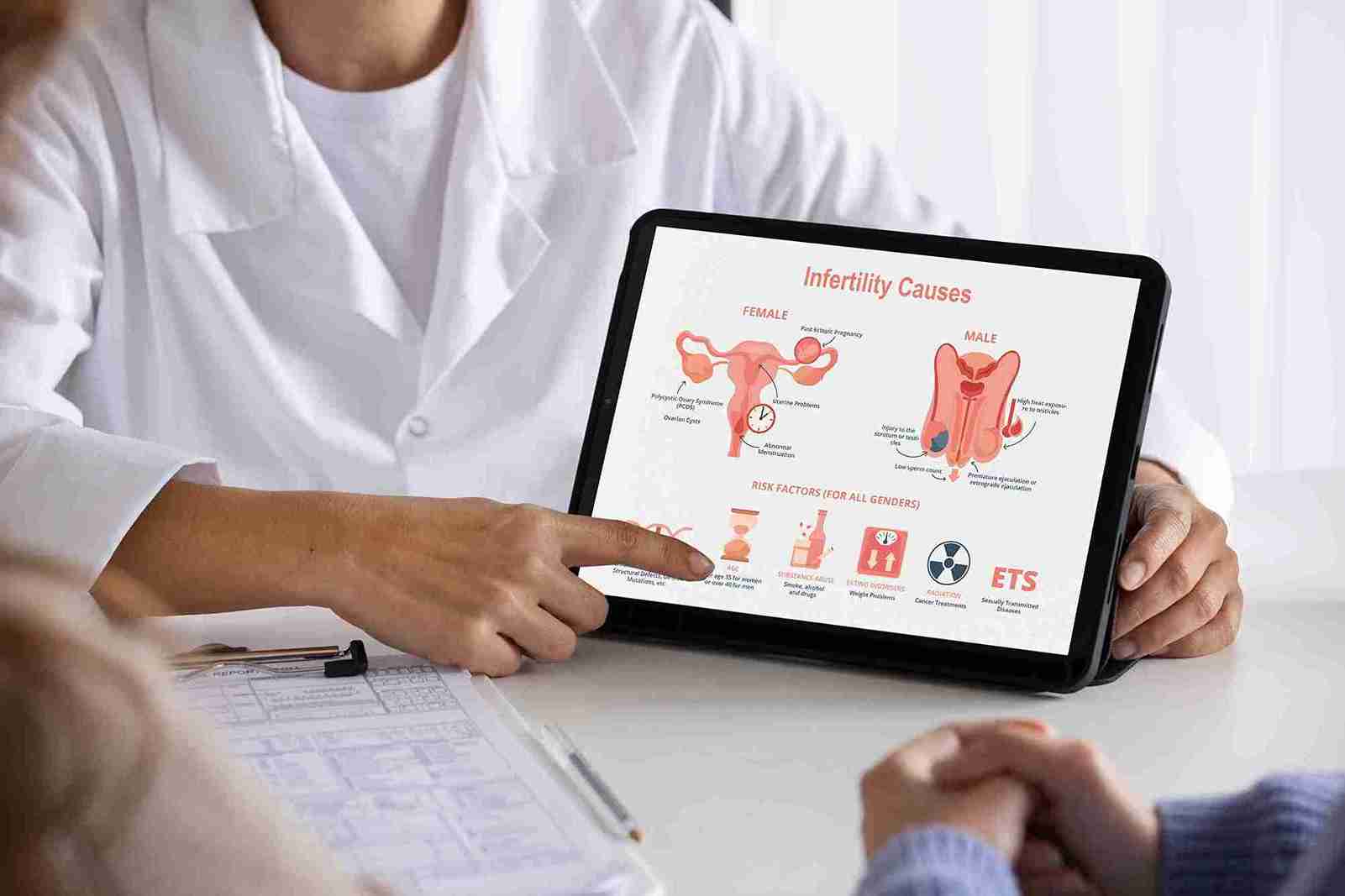
When it comes to yeast infection treatment for pregnant women, the key point to remember is not to self-medicate. Some over-the-counter medications may not be safe during pregnancy, so always seek professional medical guidance.
By visiting a healthcare practitioner, women can have confidence that they are using the appropriate pregnancy-safe yeast infection treatment for their needs.
Home remedies are not always a good idea during pregnancy without a doctor's approval. Instead, focus on lifestyle habits that can help prevent recurrence:
You might hear about natural remedies such as yoghurt or tea tree oil, but do not try them without consulting a doctor. Safety comes first in pregnancy.
You should see your doctor if:

We recognise here at Cloudnine that pregnancy comes with special challenges, such as conditions like yeast infections. What makes us different is our overall approach to women's health, combining world-class medical skills with compassionate care. Our obstetricians and gynaecologists work together to ensure that each treatment, whether it is pregnancy-safe yeast infection treatment or not, is specifically designed to suit your needs. With sophisticated diagnostic equipment, one-on-one consultations, and a focus on safety above all, Cloudnine ensures that you are well cared for and supported at each and every step of your pregnancy journey.
Yeast infections are inevitable during pregnancy and, although uncomfortable, are seldom dangerous when appropriately treated. The secret is not to treat oneself but to seek medical advice for yeast infection treatment during pregnancy. Proper treatment can bring relief and help prevent complications.
If you have an infection, consult your doctor and follow pregnancy-safe treatment protocols. Remember, maintaining vaginal health during pregnancy is an important part of overall well-being.

No, yeast infections do not affect the baby during pregnancy. If left untreated, the infection can occasionally be transmitted during delivery, leading to oral thrush in the newborn..
Prevention involves wearing loose-fitting cotton underwear, maintaining hygiene, avoiding scented products, and reducing sugar consumption.
Hormonal shifts, higher estrogen levels, and changes in vaginal acidity during pregnancy increase the likelihood of yeast infections.
Yes, leaving a yeast infection untreated can increase discomfort and, in some cases, lead to transmission to the baby during childbirth. Early treatment is always recommended.







 Best Gynecologists in Bellandur Best Gynecologists in Electronic City Best Gynecologists in HRBR LayoutBest Gynecologists in Jayanagar Best Gynecologists in Kanakapura RoadBest Gynecologists in Malleswaram Best Gynecologists in Nagarbhavi Best Gynecologists in Old Airport RoadBest Gynecologists in Sahakarnagar Best Gynecologists in Sarjapur RoadBest Gynecologists in ThanisandraBest Gynecologists in Varthur RoadBest Gynecologists in Whitefield Best Gynecologists in Industrial Area Phase IIBest Gynecologists in OMRBest Gynecologists in T NagarBest Gynecologists in New Industrial TownBest Gynecologists in IndirapuramBest Gynecologists in Golf Course RoadBest Gynecologists in Sector 14Best Gynecologists in Sector 47Best Gynecologists in Banjara HillsBest Gynecologists in GachibowliBest Gynecologists in Hitech CityBest Gynecologists in KompallyBest Gynecologists in Gomti NagarBest Gynecologists in MaladBest Gynecologists in NerulBest Gynecologists in VashiBest Gynecologists in Kailash ColonyBest Gynecologists in PatparganjBest Gynecologists in Punjabi BaghBest Gynecologists in VikaspuriBest Gynecologists in Gaur CityBest Gynecologists in Pari ChowkBest Gynecologists in Sector 51Best Gynecologists in Sector 5 Swastik ViharBest Gynecologists in Kalyani NagarBest Gynecologists in SB RoadBest Gynecologists in Pimple SaudagarBest Pediatricians in BellandurBest Pediatricians in Electronic CityBest Pediatricians in HRBR LayoutBest Pediatricians in JayanagarBest Pediatricians in Kanakapura RoadBest Pediatricians in MalleswaramBest Pediatricians in NagarbhaviBest Pediatricians in Old Airport RoadBest Pediatricians in SahakarnagarBest Pediatricians in Sarjapur RoadBest Pediatricians in ThanisandraBest Pediatricians in Varthur RoadBest Pediatricians in WhitefieldBest Pediatricians in Industrial Area Phase IIBest Pediatricians in OMRBest Pediatricians in T NagarBest Pediatricians in New Industrial TownshipBest Pediatricians in IndirapuramBest Pediatricians in Golf Course RoadBest Pediatricians in Sector 14Best Pediatricians in Sector 47Best Pediatricians in Hitech CityBest Pediatricians in Banjara HillsBest Pediatricians in GachibowliBest Pediatricians in KompallyBest Pediatricians in Gomti NagarBest Pediatricians in MaladBest Pediatricians in NerulBest Pediatricians in VashiBest Pediatricians in Kailash ColonyBest Pediatricians in PatparganjBest Pediatricians in Punjabi BaghBest Pediatricians in VikaspuriBest Pediatricians in Gaur CityBest Pediatricians in Pari ChowkBest Pediatricians in Sector 51Best Pediatricians in Sector 5 Swastik ViharBest Pediatricians in Kalyani NagarBest Pediatricians in SB RoadBest Pediatricians in Pimple Saudagar


