
Polycystic Ovarian Syndrome (PCOS) and uterine fibroids are two common gynaecological conditions that affect women during their reproductive years. Although both conditions involve the reproductive system and may cause menstrual irregularities or fertility concerns, they completely differ from each other in terms of causes, symptoms, and treatment.
Many women may confuse these conditions because they can sometimes share some symptoms, such as irregular periods or difficulty conceiving. However, understanding the difference between PCOS and fibroids is important for accurate diagnosis and proper treatment. While PCOS is primarily a hormonal disorder that affects the ovaries, uterine fibroids are non-cancerous growths that develop in the uterus.
Learning more about PCOS and fibroids can help women recognise symptoms early, seek medical advice, and manage their reproductive health more effectively.
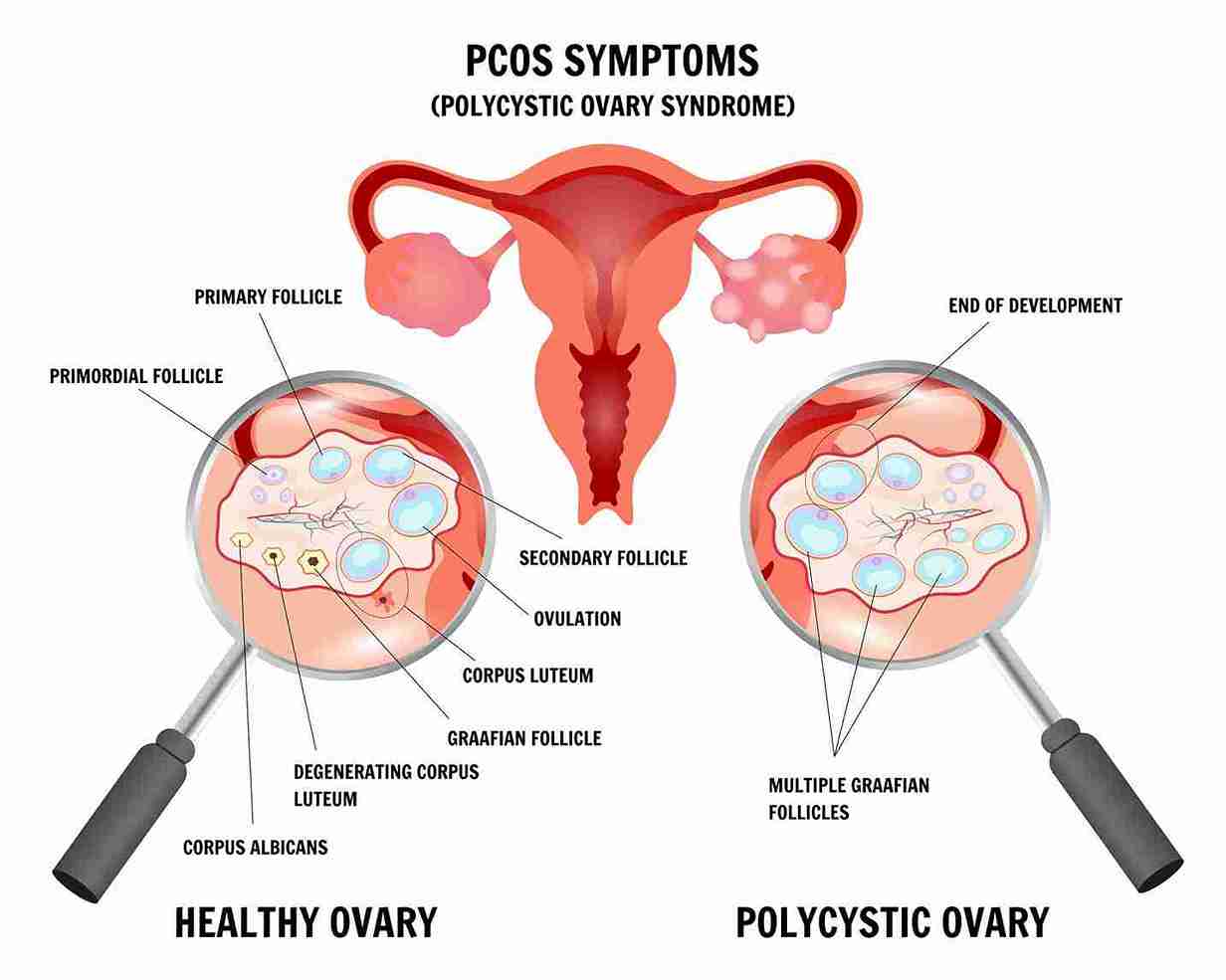
Polycystic Ovarian Syndrome, or PCOS, is a hormonal imbalance that alters the functioning of the ovaries. It is one of the most common hormonal problems for people of reproductive age.
In the case of PCOS, the body produces more hormones known as androgens, which are often referred to as male hormones. This disrupts the normal menstrual cycle, leading to abnormal or absent cycles.
Some of the main signs and symptoms of PCOS are:
PCOS can cause problems with the body's ability to metabolise food, which can lead to weight gain or the risk of type 2 diabetes, affecting fertility. However, with proper medical care, people with PCOS can successfully conceive.
Uterine fibroids are abnormal growths that occur on or within the uterus. They are also called leiomyomas or myomas and are made up of muscle cells and fibres.
Fibroids can differ in size. Some fibroids are small and cause no symptoms, while others may be large and cause considerable discomfort. These growths may be found in various parts of the uterus, in the wall of the uterus, within the cavity of the uterus, and even on the surface of the uterus.
The symptoms of uterine fibroids are as follows:
Uterine fibroids are unlike PCOS, as fibroids are growths that occur in the uterus and are not a hormonal disorder, though hormonal changes may influence their growth.
The above table helps clarify the differences between PCOS and fibroids and the importance of proper diagnosis and treatment for both conditions.
Although these conditions impact women's reproductive health, there are some differences between them in terms of how they present themselves to those who suffer from them.
Women who suffer from PCOS may experience various symptoms, such as:
These are some of the common PCOS symptoms related to hormonal imbalances in women who suffer from this condition.
Women who suffer from uterine fibroids tend to experience various symptoms such as:
These are some of the common fibroid symptoms related to the uterus.

Although there are no specific causes, some factors are believed to contribute to these conditions in women.
PCOS is associated with various causes, such as:
These are some of the common causes associated with PCOS in women who suffer from this condition.
Women who suffer from uterine fibroids are likely to be influenced by various factors such as:
Women who are within the reproductive age are likely to suffer from uterine fibroids due to high hormone levels during this stage.
Yes, it is possible for a woman to have both PCOS and fibroids at the same time. Although PCOS and fibroids are two different conditions, both may be related to hormonal factors.
A proper medical evaluation must be conducted to determine whether a woman may have one or both of these conditions.
Proper diagnosis of these two conditions is necessary to determine the appropriate course of treatment.
Doctors may diagnose a woman with PCOS through:
Fibroids may be diagnosed through:
These tests help the doctor find the exact size, number, and position of the fibroids.

The treatment options vary depending on the patient's symptoms, age, and reproductive history.
PCOS may be treated in the following ways:
Fibroids may be treated in the following ways:
It is important to understand the distinction between uterine fibroids vs PCOS to determine the most appropriate line of treatment.

Women should visit a doctor in the following cases:
Cloudnine offers specialised care for women’s health with experienced gynaecologists, advanced diagnostic facilities, and personalised treatment plans. From hormonal disorders such as PCOS to structural conditions like uterine fibroids, the hospital provides comprehensive evaluation and evidence-based treatment options. With modern medical infrastructure and a patient-centred approach, Cloudnine focuses on helping women understand their condition and receive the right care for their reproductive and overall health.
PCOS and fibroids are two distinct conditions that affect women’s reproductive health in different ways. While PCOS is a hormonal disorder that impacts ovulation and metabolism, fibroids are non-cancerous growths that develop in the uterus.
Recognising the difference between PCOS and fibroids helps women understand their symptoms better and seek appropriate medical care. Early diagnosis and proper treatment can help manage both conditions effectively and support long-term reproductive health.

Want to consult the best gynecologists in India? Please find the links below.
Want to consult the best Maternity Packages in India? Please find the links below.

It is important to note that PCOS does not cause fibroids. However, hormones can affect the formation of both PCOS and fibroids.
A doctor can diagnose PCOS or fibroids through medical history, physical examination, blood hormone tests, and imaging tests such as a pelvic ultrasound.
It is possible for a woman to get pregnant while suffering from PCOS and fibroids.
Fibroids are most common in women during their reproductive years. The risk may be higher in individuals with a family history of fibroids, especially those who start menstruating at an early age.







 Best Gynecologists in Bellandur Best Gynecologists in Electronic City Best Gynecologists in HRBR LayoutBest Gynecologists in Jayanagar Best Gynecologists in Kanakapura RoadBest Gynecologists in Malleswaram Best Gynecologists in Nagarbhavi Best Gynecologists in Old Airport RoadBest Gynecologists in Sahakarnagar Best Gynecologists in Sarjapur RoadBest Gynecologists in ThanisandraBest Gynecologists in Varthur RoadBest Gynecologists in Whitefield Best Gynecologists in Industrial Area Phase IIBest Gynecologists in OMRBest Gynecologists in T NagarBest Gynecologists in New Industrial TownBest Gynecologists in IndirapuramBest Gynecologists in Golf Course RoadBest Gynecologists in Sector 14Best Gynecologists in Sector 47Best Gynecologists in Banjara HillsBest Gynecologists in GachibowliBest Gynecologists in Hitech CityBest Gynecologists in KompallyBest Gynecologists in Gomti NagarBest Gynecologists in MaladBest Gynecologists in NerulBest Gynecologists in VashiBest Gynecologists in Kailash ColonyBest Gynecologists in PatparganjBest Gynecologists in Punjabi BaghBest Gynecologists in VikaspuriBest Gynecologists in Gaur CityBest Gynecologists in Pari ChowkBest Gynecologists in Sector 51Best Gynecologists in Sector 5 Swastik ViharBest Gynecologists in Kalyani NagarBest Gynecologists in SB RoadBest Gynecologists in Pimple SaudagarBest Pediatricians in BellandurBest Pediatricians in Electronic CityBest Pediatricians in HRBR LayoutBest Pediatricians in JayanagarBest Pediatricians in Kanakapura RoadBest Pediatricians in MalleswaramBest Pediatricians in NagarbhaviBest Pediatricians in Old Airport RoadBest Pediatricians in SahakarnagarBest Pediatricians in Sarjapur RoadBest Pediatricians in ThanisandraBest Pediatricians in Varthur RoadBest Pediatricians in WhitefieldBest Pediatricians in Industrial Area Phase IIBest Pediatricians in OMRBest Pediatricians in T NagarBest Pediatricians in New Industrial TownshipBest Pediatricians in IndirapuramBest Pediatricians in Golf Course RoadBest Pediatricians in Sector 14Best Pediatricians in Sector 47Best Pediatricians in Hitech CityBest Pediatricians in Banjara HillsBest Pediatricians in GachibowliBest Pediatricians in KompallyBest Pediatricians in Gomti NagarBest Pediatricians in MaladBest Pediatricians in NerulBest Pediatricians in VashiBest Pediatricians in Kailash ColonyBest Pediatricians in PatparganjBest Pediatricians in Punjabi BaghBest Pediatricians in VikaspuriBest Pediatricians in Gaur CityBest Pediatricians in Pari ChowkBest Pediatricians in Sector 51Best Pediatricians in Sector 5 Swastik ViharBest Pediatricians in Kalyani NagarBest Pediatricians in SB RoadBest Pediatricians in Pimple Saudagar


