
Several women who have had two cesarean sections often deal with thoughts about whether planning a third pregnancy would be the right decision or not. The question is both prevalent and understandable. Every C-section entails surgery on the uterus; therefore, scarring, complications, and future delivery considerations are quite natural.
The silver lining is that with current medical advancements, improved surgical practices, and experienced obstetric care, a 3rd pregnancy after 2 C-sections can be safe for both mother and infant. The key drivers that play a significant role include an individualised assessment, careful planning, and ongoing medical monitoring throughout the pregnancy process.
_11zon.jpg)
Following two cesarean sections, the uterus forms scar tissue at the incision site. This scar tends to heal normally, but can become weaker than unscarred tissue. In such cases, physicians carefully monitor the thickness and the strength of this scar since it plays an important role in ascertaining if the uterus would be able to manage the strain of another pregnancy or labour.
Proper postpartum recovery before the next pregnancy is important. Most specialists advise waiting at least 18–24 months prior to getting pregnant again to enable the body to recover completely and the scar of the uterus to regain strength.
Besides this, the recovery process for every woman is different. The nature of the incision during previous surgeries, the overall health of the uterus, and whether or not there are any adhesions (scar tissue within the body) all weigh in.
Before planning a 3rd pregnancy, a thorough medical examination, such as an ultrasound or MRI for the evaluation of the integrity of the scar, helps ensure safety.
With individualised evaluation and regular prenatal monitoring, most women have the ability to anticipate a healthy and unproblematic 3rd pregnancy.
While most women have successful pregnancies following several cesarean deliveries, it's worth noting that each subsequent surgery slightly raises some risks. This includes:
A complication in which the earlier scar might open during pregnancy or labour. This risk is low, particularly when pregnancies are well spaced and closely monitored.
When the placenta overlaps the cervix.
When the placenta grows too deeply into the uterine wall.
These can complicate the delivery but are usually discovered early during routine ultrasounds which physicians schedule safe interventions. Scar tissue or adhesions can also form around internal organs after multiple surgeries, making subsequent cesareans a bit more challenging.
With an experienced obstetrician and frequent prenatal visits, complications can be predicted and well-managed.
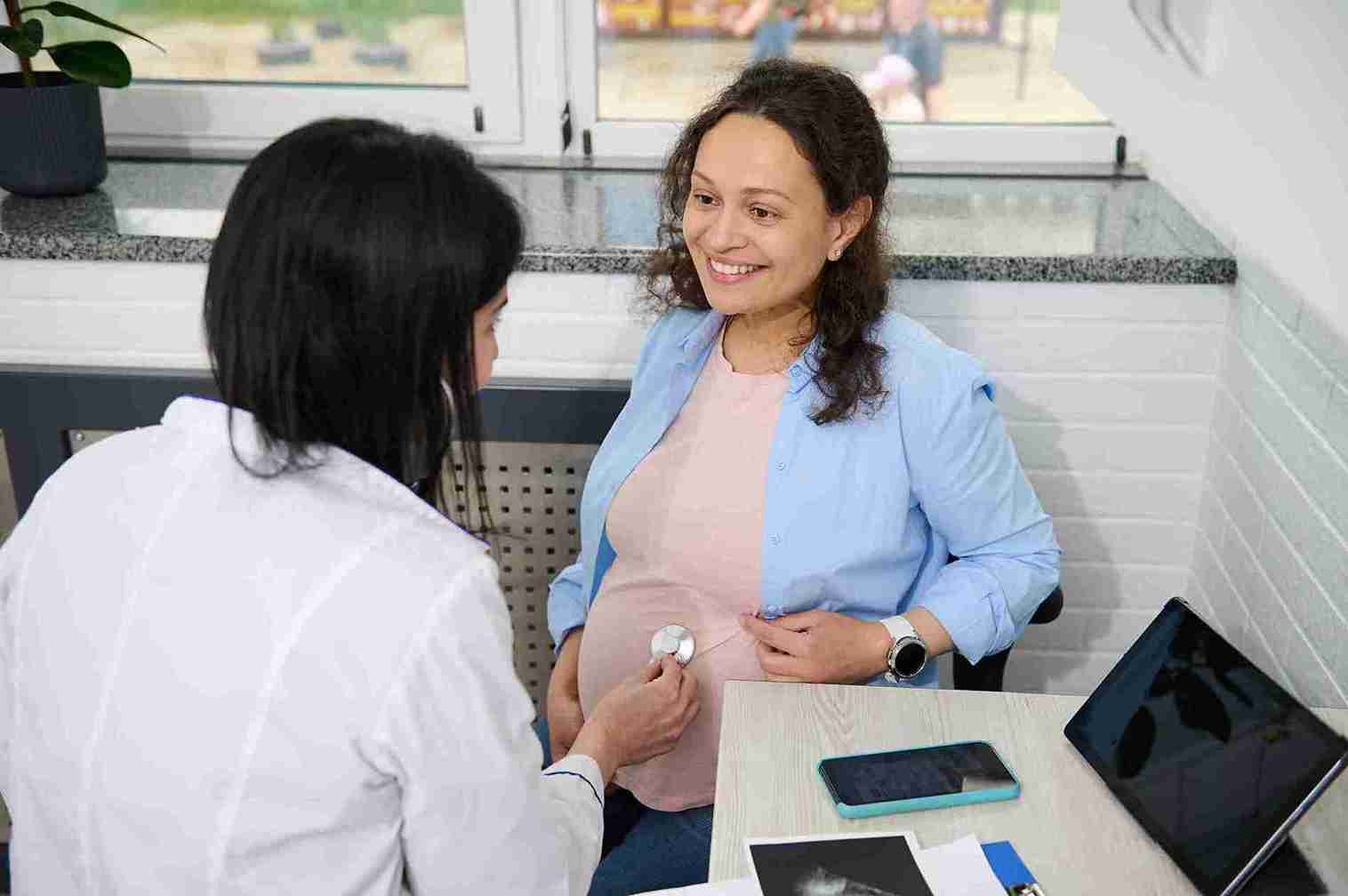
Most women are interested in knowing if they can have a normal delivery after 2 C-sections. The medical term used to refer to this is VBAC (Vaginal Birth After Cesarean). Simply put, a VBAC enables a woman to give birth vaginally following one or more previous cesarean deliveries.
It is possible to have a VBAC after 2 C sections at times, but after a thorough medical evaluation. Success depends on a number of factors, including:
No major complications, such as risk of uterine rupture, placenta previa, or multiple scars.
However, it’s essential to note that not all hospitals or doctors offer VBAC after 2 C sections, as it requires experienced obstetricians and specialised facilities. Discussing your medical history in detail with your doctor helps determine if VBAC is the right option for you.
While VBAC is an option for some, others may be advised to plan another cesarean for safety.
Your doctor might recommend a repeat C-section if:
Pregnancy planning after two cesarean sections needs careful planning. Here are the major safety tips to consider:
Don't get pregnant for at least 18–24 months after the previous one to give your uterine scar ample time to heal completely.
Preconception checkup
Get a check-up done by your doctor for checking the thickness of your scar, uterine well-being, and overall pregnancy-readiness.
Eat a balanced diet
Folate and other nutrient-dense foods promote healthy weight and tissue strength for pregnancy.
Go for routine prenatal visits
Tracking scar health and baby growth early on catches any problems before they become serious.
Be active but careful
Low-impact activities such as walking or prenatal yoga enhance circulation and alleviate discomfort during pregnancy.
These preemptive measures can ensure that your 3rd pregnancy after 2 C-sections is smooth, safe, and well-managed.

In handling pregnancies following repeated cesarean sections, Cloudnine Hospitals are distinguished by their combination of technology, personalised treatment, and specialised obstetricians. Cloudnine offers specialised monitoring of scar health, placenta positioning, and fetal growth during pregnancy. The hospital's advanced labour and delivery suites are entirely prepared to accommodate both VBAC following 2 C-sections and elective cesareans in a safe and effective manner.
What makes Cloudnine stand out is its multidisciplinary team: obstetricians, anaesthetists, and neonatologists, who collaborate with each other to provide a safe, comfortable, and positive birthing experience.
Many women go on to have healthy, successful pregnancies after two cesarean deliveries. The most important factors are preparation, regular medical follow-ups, and trusting your healthcare team. Discuss your birth options openly with your obstetrician. Whether you’re considering a VBAC after two C-sections or a planned cesarean, the goal is always the same: the safety and well-being of both mother and baby.
Every pregnancy is unique, and with proper care, medical attention, and emotional care, your third pregnancy can be just as smooth as your first.
A 3rd pregnancy after 2 C-sections is absolutely possible and can be safe when managed with proper care and medical supervision. Whether you’re planning a VBAC after 2 C-sections or opting for a repeat cesarean, informed decisions and the right healthcare support make all the difference. Trust your doctor, follow a healthy lifestyle, and choose a trusted hospital like Cloudnine, where your safety, comfort, and confidence come first.

Research indicates that the success rate of a VBAC after two C-sections can be between 55% and 71%, depending on the type of scar and hospital support.
Experts advise waiting at least 18 to 24 months following a C-section before trying again to let the uterine scar heal properly.
Yes, VBAC following two C-sections is feasible in rare situations if there are low transverse scars, adequate spacing between pregnancies, and careful medical monitoring
Risks multiply with every C-section and can include uterine rupture, placenta accreta, placenta previa, and other surgical complications







 Best Gynecologists in Bellandur Best Gynecologists in Electronic City Best Gynecologists in HRBR LayoutBest Gynecologists in Jayanagar Best Gynecologists in Kanakapura RoadBest Gynecologists in Malleswaram Best Gynecologists in Nagarbhavi Best Gynecologists in Old Airport RoadBest Gynecologists in Sahakarnagar Best Gynecologists in Sarjapur RoadBest Gynecologists in ThanisandraBest Gynecologists in Varthur RoadBest Gynecologists in Whitefield Best Gynecologists in Industrial Area Phase IIBest Gynecologists in OMRBest Gynecologists in T NagarBest Gynecologists in New Industrial TownBest Gynecologists in IndirapuramBest Gynecologists in Golf Course RoadBest Gynecologists in Sector 14Best Gynecologists in Sector 47Best Gynecologists in Banjara HillsBest Gynecologists in GachibowliBest Gynecologists in Hitech CityBest Gynecologists in KompallyBest Gynecologists in Gomti NagarBest Gynecologists in MaladBest Gynecologists in NerulBest Gynecologists in VashiBest Gynecologists in Kailash ColonyBest Gynecologists in PatparganjBest Gynecologists in Punjabi BaghBest Gynecologists in VikaspuriBest Gynecologists in Gaur CityBest Gynecologists in Pari ChowkBest Gynecologists in Sector 51Best Gynecologists in Sector 5 Swastik ViharBest Gynecologists in Kalyani NagarBest Gynecologists in SB RoadBest Gynecologists in Pimple SaudagarBest Pediatricians in BellandurBest Pediatricians in Electronic CityBest Pediatricians in HRBR LayoutBest Pediatricians in JayanagarBest Pediatricians in Kanakapura RoadBest Pediatricians in MalleswaramBest Pediatricians in NagarbhaviBest Pediatricians in Old Airport RoadBest Pediatricians in SahakarnagarBest Pediatricians in Sarjapur RoadBest Pediatricians in ThanisandraBest Pediatricians in Varthur RoadBest Pediatricians in WhitefieldBest Pediatricians in Industrial Area Phase IIBest Pediatricians in OMRBest Pediatricians in T NagarBest Pediatricians in New Industrial TownshipBest Pediatricians in IndirapuramBest Pediatricians in Golf Course RoadBest Pediatricians in Sector 14Best Pediatricians in Sector 47Best Pediatricians in Hitech CityBest Pediatricians in Banjara HillsBest Pediatricians in GachibowliBest Pediatricians in KompallyBest Pediatricians in Gomti NagarBest Pediatricians in MaladBest Pediatricians in NerulBest Pediatricians in VashiBest Pediatricians in Kailash ColonyBest Pediatricians in PatparganjBest Pediatricians in Punjabi BaghBest Pediatricians in VikaspuriBest Pediatricians in Gaur CityBest Pediatricians in Pari ChowkBest Pediatricians in Sector 51Best Pediatricians in Sector 5 Swastik ViharBest Pediatricians in Kalyani NagarBest Pediatricians in SB RoadBest Pediatricians in Pimple Saudagar


