





Having a baby girl is a joy and a responsibility that comes with incredible happiness. Among the numerous things to ensure about her well-being, monitoring her growth is perhaps one of the most significant. The growth of a baby in the initial two years of life is fast-paced and determines the path of her future health. Parents naturally question whether their child is growing "normally," and that is where growth charts help.
These growth charts are uniform, statistical instruments employed by paediatricians to help compare your baby girl's growth with pre-set averages. They help you determine whether your baby girl is growing as expected or if she requires special care in terms of nutrition or medical attention.
This article gives in-depth insights into the growth chart of a baby girl from 0–24 months, covering both height and weight, with details that also reflect the baby girl weight chart 12 to 24 months within the overall chart.
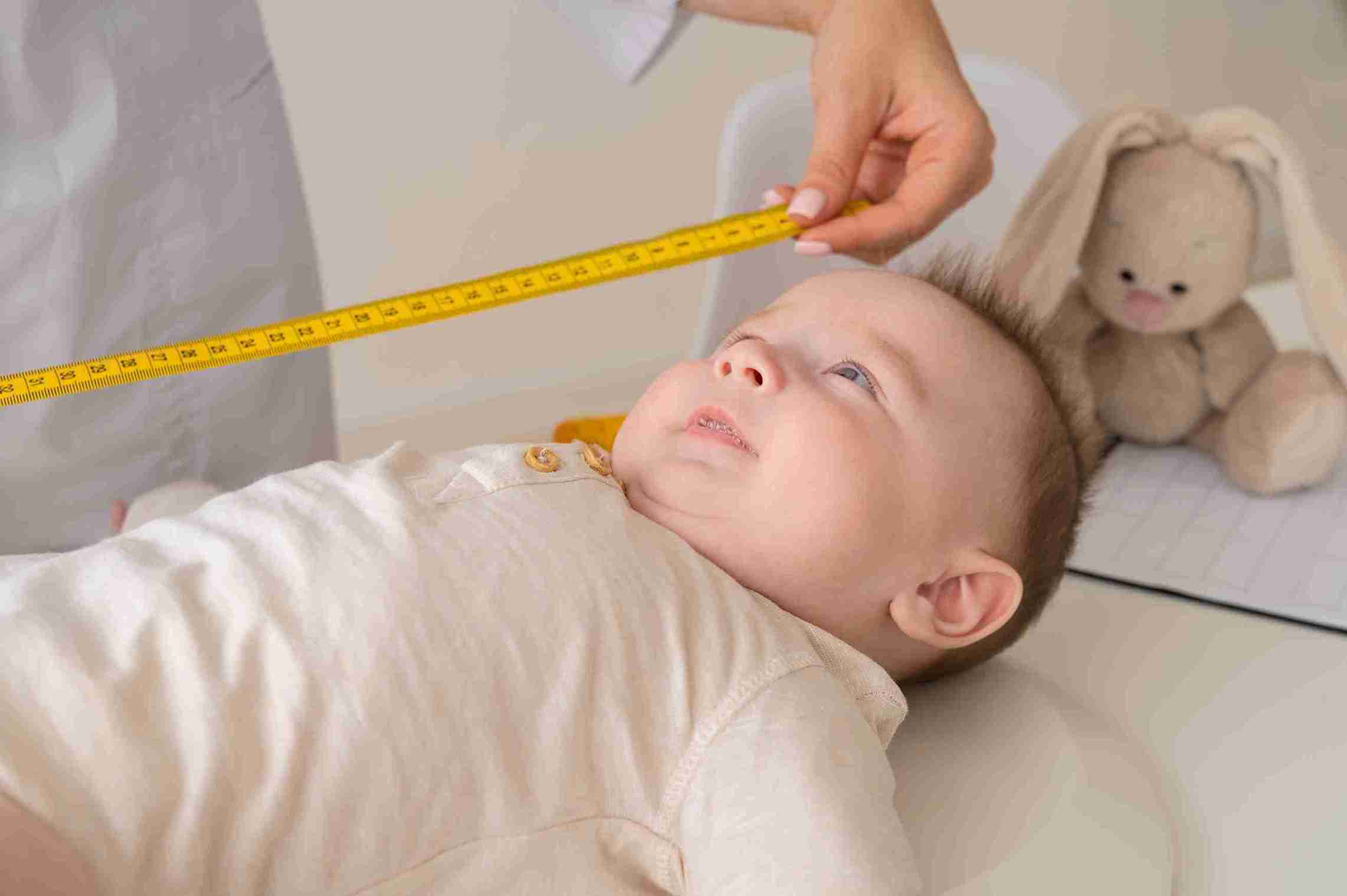
Growth is a mirror image of a baby's health and development. By observing changes in height and weight, parents and physicians can determine if the child is growing at a healthy rate. Growth charts are not used to compare children, but to make sure your child is on her own growth curve in the healthy range.
For instance, a female infant who remains consistently at the 50th percentile both for weight and height is as healthy as one who hovers at the 10th percentile, provided that she continues along her own curve without dramatic dips or surges. Routine tracking is comforting and allows for earlier detection of potential problems.
Below is a month-by-month baby girl weight chart, with average weights in kilograms. In addition to weight, height is also an important measure of growth. The following is the average baby girl height chart by month, in centimetres.

Some factors that affect height and baby girl weight chart by month determine your baby girl's height and weight growth:
● Genetics: Family size and build significantly influence the growth patterns.
● Nutrition: Balanced feeding of proteins, good fats, vitamins and minerals encourages proper development.
● Sleep: Growth hormone release occurs during sleep, so proper rest is very important.
● Activity Levels: Those babies who crawl, walk and play frequently have stronger muscles and bones.
● Health Conditions: Chronic illness or nutrient deficiencies may slow growth.
Every child grows at her own pace, but there are some red flags that may indicate the need for medical advice:
● Consistently falling below or above the growth chart ranges.
● Sudden drop in weight or height percentile.
● Lack of weight gain for more than 2–3 months.
● Delay in achieving developmental milestones such as sitting, crawling or walking.
In all such cases, seek the advice of a paediatrician who can evaluate your child's growth pattern, order tests if required and advise you on interventions.
The following are some simple means by which parents can facilitate healthy growth:
● Offer a balanced diet consisting of a combination of cereals, pulses, fruits, vegetables, dairy products and protein sources.
● Arrange for regular pediatric checkups to monitor growth and vaccinations.
● Promote physical activity by enabling your toddler to play, walk and crawl within safe, open space.
● Track developmental milestones and consult if delays are noticed.
● Ensure a regular sleep pattern so as to get sufficient rest.
Cloudnine is not merely a hospital; it is your reliable health companion on your parenting path. With world-class neonatal and pediatric care, cutting-edge diagnostic setups and empathetic doctors, Cloudnine ensures that parents and babies alike feel comforted at all times. Their emphasis on customised care, state-of-the-art technology and an environment infused with love makes Cloudnine the go-to option for families navigating the path of parenthood.

Tracking your baby girl’s height and weight during the first two years offers valuable reassurance about her health and development. While growth charts provide useful benchmarks, always keep in mind that every child is unique and may grow at her own pace. Consistency along her curve, a balanced diet, regular checkups and a nurturing environment are what truly matter. With the right care and guidance at institutions such as Cloudnine, you can support her steady journey toward healthy growth and well-being.

On average, babies gain around 2–3 kg during this period.
The average is approximately 11.3 kg.
A normal baby girl weighs approximately 3.2 kg at birth, with increments increasing month by month.
Foods like avocados, bananas, lentils, dairy, sweet potatoes and healthy fats like ghee or nut butters (if appropriate for the child's age) may assist with healthy weight gain.


 Best Gynecologists in Bellandur Best Gynecologists in Electronic City Best Gynecologists in HRBR LayoutBest Gynecologists in Jayanagar Best Gynecologists in Kanakapura RoadBest Gynecologists in Malleswaram Best Gynecologists in Nagarbhavi Best Gynecologists in Old Airport RoadBest Gynecologists in Sahakarnagar Best Gynecologists in Sarjapur RoadBest Gynecologists in ThanisandraBest Gynecologists in Varthur RoadBest Gynecologists in Whitefield Best Gynecologists in Industrial Area Phase IIBest Gynecologists in OMRBest Gynecologists in T NagarBest Gynecologists in New Industrial TownBest Gynecologists in IndirapuramBest Gynecologists in Golf Course RoadBest Gynecologists in Sector 14Best Gynecologists in Sector 47Best Gynecologists in Banjara HillsBest Gynecologists in GachibowliBest Gynecologists in Hitech CityBest Gynecologists in KompallyBest Gynecologists in Jawahar NagarBest Gynecologists in Gomti NagarBest Gynecologists in Phase 3, Sector 58Best Gynecologists in MaladBest Gynecologists in NerulBest Gynecologists in VashiBest Gynecologists in Kailash ColonyBest Gynecologists in PatparganjBest Gynecologists in Punjabi BaghBest Gynecologists in RohiniBest Gynecologists in VikaspuriBest Gynecologists in Gaur CityBest Gynecologists in Pari ChowkBest Gynecologists in Sector 51Best Gynecologists in Sector 5 Swastik ViharBest Gynecologists in Kalyani NagarBest Gynecologists in SB RoadBest Gynecologists in Pimple SaudagarBest Pediatricians in BellandurBest Pediatricians in Electronic CityBest Pediatricians in HRBR LayoutBest Pediatricians in JayanagarBest Pediatricians in Kanakapura RoadBest Pediatricians in MalleswaramBest Pediatricians in NagarbhaviBest Pediatricians in Old Airport RoadBest Pediatricians in SahakarnagarBest Pediatricians in Sarjapur RoadBest Pediatricians in ThanisandraBest Pediatricians in Varthur RoadBest Pediatricians in WhitefieldBest Pediatricians in Industrial Area Phase IIBest Pediatricians in OMRBest Pediatricians in T NagarBest Pediatricians in New Industrial TownshipBest Pediatricians in IndirapuramBest Pediatricians in Golf Course RoadBest Pediatricians in Sector 14Best Pediatricians in Sector 47Best Pediatricians in Hitech CityBest Pediatricians in Banjara HillsBest Pediatricians in GachibowliBest Pediatricians in KompallyBest Pediatricians in Jawahar NagarBest Pediatricians in Gomti NagarBest Pediatricians in Phase 3, Sector 58Best Pediatricians in MaladBest Pediatricians in NerulBest Pediatricians in VashiBest Pediatricians in Kailash ColonyBest Pediatricians in PatparganjBest Pediatricians in Punjabi BaghBest Pediatricians in RohiniBest Pediatricians in VikaspuriBest Pediatricians in Gaur CityBest Pediatricians in Pari ChowkBest Pediatricians in Sector 51Best Pediatricians in Sector 5 Swastik ViharBest Pediatricians in Kalyani NagarBest Pediatricians in SB RoadBest Pediatricians in Pimple Saudagar


