





Pregnancy is a joyous time. However, unexpected catastrophes like wildfires can quickly turn this period into one filled with anxiety and concern. In this article, we shall take a quick look at how wildfires can affect pregnancy and what measures can be taken to protect baby from smoke exposure.
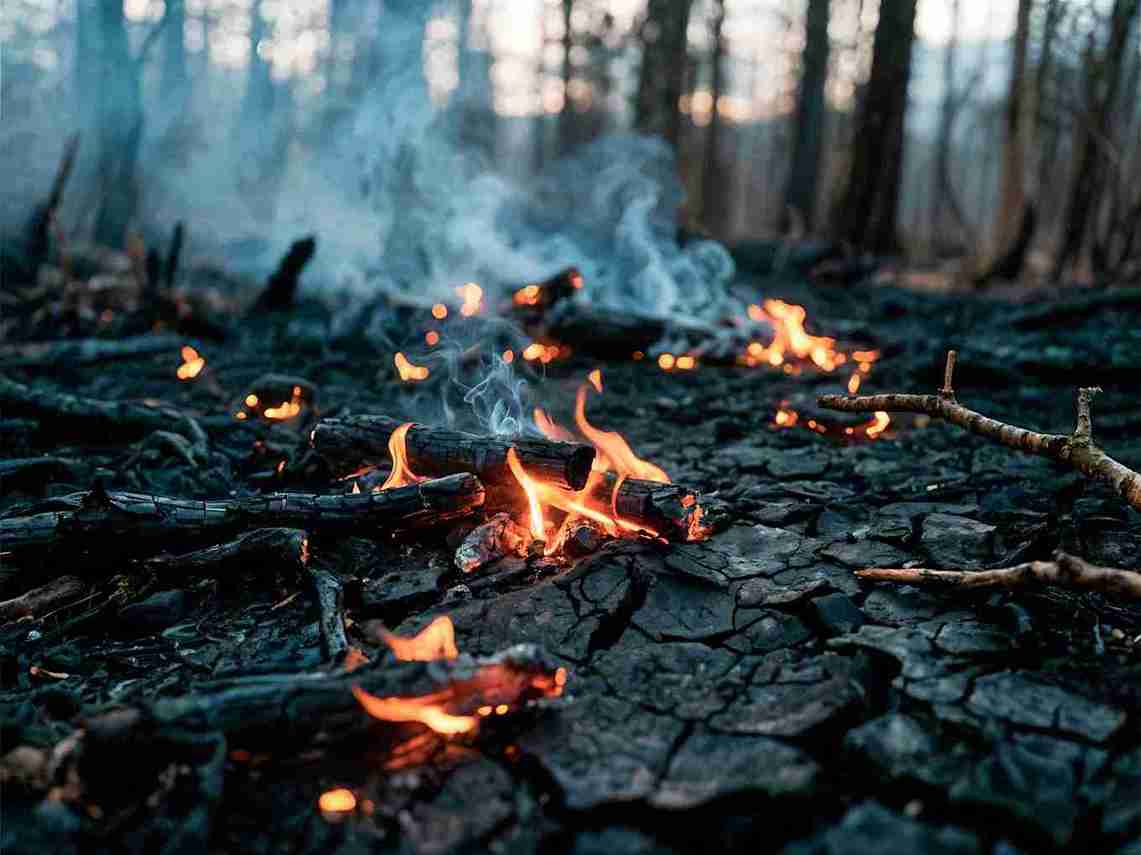
Wildfires, also called forest fires or bushfires, have become a common occurrence across the globe. A wildfire is a highly destructive and uncontrollable fire that starts in a forest or a remote rural place. However, it could rapidly spread across vast areas of land and reach populated regions.
Wildfires can be triggered by many factors. Natural causes include intense summer heat, lightning strikes, prolonged drought and vegetation that becomes extremely dry and flammable. Wildfires can also be due to reckless human-related activity. For instance, controlled burns, part of forest management activities, can turn into uncontrollable wildfires by mistake. Strong winds may fan the flames and it may spread fast over vast areas, often destroying properties and homes in its path.
The terrifying flames often grab the headlines. However, quite often, it’s the thick, lingering smoke that's the true danger. Wildfire smoke is actually quite dangerous. This is because it contains harmful gases and substances, like carbon dioxide, carbon monoxide, particulate matter, nitrogen oxides, etc. Prolonged exposure to this smoke can cause severe health issues or even worsen pre-existing ones. You may experience health problems like:
● Respiratory ailments like bronchitis, asthma, etc.
● Eye irritation
● Prolonged cough and wheezing
● Cardiovascular issues like stroke, heart attacks, etc.
During pregnancy, the body undergoes several changes to support the growth of the baby. One such change is the enhanced ability of the lungs to draw in more air. This is for ensuring the supply of more oxygen to the body. While this is absolutely vital in normal circumstances, during a wildfire, this increased air intake can lead to the inhalation of more harmful particles and gases from the smoke.
Apart from the usual adverse effects of smoke inhalation, pregnant women may experience several other issues that could severely impact both their and their baby’s health. In a few cases, exposure to wildfire smoke could increase the risk of complications like high blood pressure, gestational diabetes, preterm birth or lower birth weight for the baby. These effects depend on how much smoke is breathed in and for how long.

There is definitely a link between air quality and pregnancy, and it is a well-known fact that polluted air could lead to several health issues. Wildfires fill the atmosphere with pollutants like fine particles and harmful gases.
Nowadays, people use indicators like the air quality index (AQI) to assess the impact of wildfires on air quality. The higher the level of pollutants in the air, the higher the AQI. For pregnant women, an AQI over 100 is a cause for concern, and appropriate measures have to be taken to ensure their health and safety.
When AQI is high and there’s lots of wildfire smoke, pregnancy safety should become the top priority. Here are some of the standard practices that ought to be adopted by expectant moms and their caregivers while staying in a place affected by wildfires:
● Check weather apps and regularly monitor the current AQI levels of the area.
● Stay indoors and minimise all outdoor activities when AQI levels are higher than 100.
● Close all windows and doors, thereby restricting the flow of polluted air and smoke into the home.
● Stay hydrated to keep your body temperature normal and to avoid overheating. Water also helps flush out toxins from inhaled smoke.
● Wear a good quality mask, preferably the N95 ones, while venturing outdoors. These are better than regular cloth or surgical masks and will help prevent the inhalation of fine particles.
● Indoor air quality will eventually diminish. To replenish it, try using an air purifier, preferably a high-end one with both HEPA and activated carbon filters. Keep the air purifier in the room that is used the most.
● Avoid activities that may reduce indoor air quality, like burning scented candles, using sprays or running a vacuum cleaner that could stir up dust and allergens.
● Listen to and monitor notifications from government agencies or official authorities and be prepared to immediately evacuate if told to do so.
● Stock up on food and medical supplies. These should last for 7 to 10 days.
● See a healthcare professional immediately if any adverse health conditions, like difficulty breathing, fatigue, disorientation, etc., are noticed

If your home is in the path of the wildfire or if the smoke levels are extremely high, you may be asked to evacuate your home. It is best to be prepared beforehand for this and prepare an emergency “go bag” that contains essentials. Use the list given below as a checklist while packing your go bag:
1. Water bottles and non-perishable snacks.
2. Medications. This includes prenatal supplements prescribed by the OBGYN.
3. Prenatal health records and other essential documents, such as medical insurance papers, etc.
4. N95 masks and a few maternity clothes.
5. A few newborn clothes and diapers, in case the due date is near.
Wildfire smoke inhalation during pregnancy can pose a real threat to the expectant mother and the baby. You’ll need to see a doctor immediately in case any of the following symptoms are noticed:
● Vaginal bleeding or spotting
● Dizziness or lightheadedness
● Shortness of breath or laboured breathing
● Persistent coughs that do not subside
● Chest pain
● Fast heartbeat
● Reduction in fetal movement
● Cramps in the abdomen or lower back
Wildfires can be a truly frightening experience, and it’s natural to feel overwhelmed if you are pregnant and staying close to the affected area. The proximity to such danger is bound to heighten stress and impact one’s emotional well-being. To reduce anxiety and improve mental health, practise stress-relief measures like yoga, meditation, mindful breathing, etc. By being vigilant and adopting a positive attitude, it is possible to stay safe during a wildfire.


Wildfire smoke has many harmful substances and toxic gases, and its inhalation can cause severe health issues in pregnant women.
Inhaling wildfire smoke can affect the unborn baby’s health. You could encounter issues like preterm birth, lower birth weight and so on.
A good quality air purifier with both carbon and HEPA filters can be quite beneficial for pregnant women living in areas affected by wildfires.
N95 masks should be worn during wildfires so as to restrict the inhalation of fine particulates that are present in the smoke, as these can harm the lungs.


 Best Gynecologists in Bellandur Best Gynecologists in Electronic City Best Gynecologists in HRBR LayoutBest Gynecologists in Jayanagar Best Gynecologists in Kanakapura RoadBest Gynecologists in Malleswaram Best Gynecologists in Nagarbhavi Best Gynecologists in Old Airport RoadBest Gynecologists in Sahakarnagar Best Gynecologists in Sarjapur RoadBest Gynecologists in ThanisandraBest Gynecologists in Varthur RoadBest Gynecologists in Whitefield Best Gynecologists in Industrial Area Phase IIBest Gynecologists in OMRBest Gynecologists in T NagarBest Gynecologists in New Industrial TownBest Gynecologists in IndirapuramBest Gynecologists in Golf Course RoadBest Gynecologists in Sector 14Best Gynecologists in Sector 47Best Gynecologists in Banjara HillsBest Gynecologists in GachibowliBest Gynecologists in Hitech CityBest Gynecologists in KompallyBest Gynecologists in Gomti NagarBest Gynecologists in MaladBest Gynecologists in NerulBest Gynecologists in VashiBest Gynecologists in Kailash ColonyBest Gynecologists in PatparganjBest Gynecologists in Punjabi BaghBest Gynecologists in VikaspuriBest Gynecologists in Gaur CityBest Gynecologists in Pari ChowkBest Gynecologists in Sector 51Best Gynecologists in Sector 5 Swastik ViharBest Gynecologists in Kalyani NagarBest Gynecologists in SB RoadBest Gynecologists in Pimple SaudagarBest Pediatricians in BellandurBest Pediatricians in Electronic CityBest Pediatricians in HRBR LayoutBest Pediatricians in JayanagarBest Pediatricians in Kanakapura RoadBest Pediatricians in MalleswaramBest Pediatricians in NagarbhaviBest Pediatricians in Old Airport RoadBest Pediatricians in SahakarnagarBest Pediatricians in Sarjapur RoadBest Pediatricians in ThanisandraBest Pediatricians in Varthur RoadBest Pediatricians in WhitefieldBest Pediatricians in Industrial Area Phase IIBest Pediatricians in OMRBest Pediatricians in T NagarBest Pediatricians in New Industrial TownshipBest Pediatricians in IndirapuramBest Pediatricians in Golf Course RoadBest Pediatricians in Sector 14Best Pediatricians in Sector 47Best Pediatricians in Hitech CityBest Pediatricians in Banjara HillsBest Pediatricians in GachibowliBest Pediatricians in KompallyBest Pediatricians in Gomti NagarBest Pediatricians in MaladBest Pediatricians in NerulBest Pediatricians in VashiBest Pediatricians in Kailash ColonyBest Pediatricians in PatparganjBest Pediatricians in Punjabi BaghBest Pediatricians in VikaspuriBest Pediatricians in Gaur CityBest Pediatricians in Pari ChowkBest Pediatricians in Sector 51Best Pediatricians in Sector 5 Swastik ViharBest Pediatricians in Kalyani NagarBest Pediatricians in SB RoadBest Pediatricians in Pimple Saudagar


