
Learn more about hormonal depression, its causes, symptoms and treatment options.
Do you experience mood swings and find it difficult to control your emotions? You may be suffering from hormonal depression, which is due to a hormonal imbalance. Hormonal depression is a condition that negatively affects your mood due to changes in hormonal levels. Hormonal depression is more common in women due to abnormal hormonal changes during puberty, pregnancy and menopause. Hormonal depression is different from clinical depression, as hormonal depression is triggered due to hormonal imbalance, whereas clinical depression is triggered due to stressful life events. Hormones play a crucial role in transmitting signals to the brain, which in turn controls essential bodily functions.
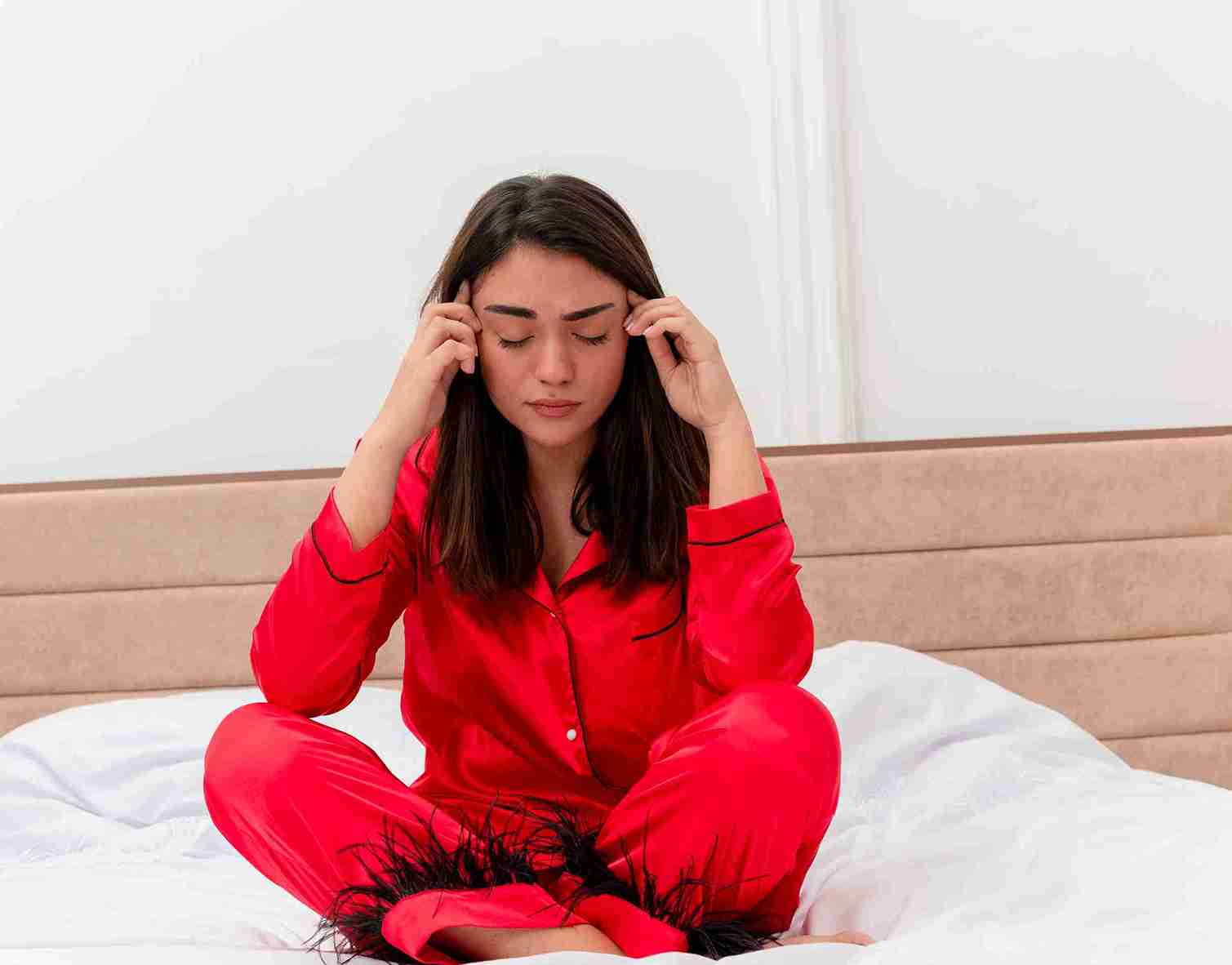
Reproductive hormones like estrogen, progesterone and testosterone are responsible for your emotional well-being as these hormones influence serotonin, the happy hormone and neurotransmitter in the brain. A drop in reproductive hormones can reduce serotonin levels, making you feel sad or irritable. Maintaining a balance of the thyroid hormones T3 and T4 is crucial, as they influence overall brain activity and regulate your mood. Cortisol, the stress hormone, plays a vital role in the proper functioning of neurotransmitters that regulate mood. Therefore, hormonal changes may leave you feeling unusually sad, irritated or anxious.
The most apparent cause of hormonal depression is hormonal changes and underlying medical conditions like insulin resistance, chronic stress and PCOS.
The following are the potential causes of hormonal depression:
➢ Hormonal Causes: Reproductive or sexual hormone changes can significantly affect your mood and may lead to depression. You may also notice depression symptoms due to an underactive thyroid gland. High levels of cortisol hormone can disrupt the mood-regulating centres of the brain, resulting in depression.
➢ Hormonal Fluctuations in Life Stages: You may experience hormonal depression during various life stages, including-
● Puberty: Rapid hormonal changes during adolescence increase the risk of depression in boys and girls, mainly due to the fluctuating levels of estrogen and testosterone hormones, which are responsible for puberty.
● Menstrual Cycle: Women may suffer from severe depression and anxiety a few days or weeks before their menstrual cycle. It is mainly due to the fluctuations of the estrogen or progesterone hormone, which in turn affects the serotonin levels, causing depression.
● Pregnancy: A significant rise and drop in hormone levels during pregnancy can lead to hormonal depression.
● Postpartum: Abrupt hormonal shifts after childbirth influence your mood, resulting in depression.
● Perimenopause: Women may suffer from mood disorders before entering menopause due to the fluctuating estrogen levels.
● Menopause: Declining estrogen levels during menopause increase the risk of depression in women.

Hormonal depression is mainly due to abnormal hormonal changes, leading to the following symptoms-
● Feeling sad, irritable and empty for an extended period of time
● Experience fatigue even after rest
● Difficulty in sleeping or sleeping for long hours
● Facing difficulty in concentrating or making decisions
● Frequent suicidal thoughts
● Fear that things will turn out badly in the future
● Decreased sexual drive.
If the symptoms mentioned above persist for more than 2 weeks and disrupt your daily life, then it is time you seek medical help.
Your doctor will ask about the symptoms and their frequency to determine if they affect your day-to-day activities. Physical examination and comprehensive medical blood tests are performed to assess hormone levels. Your doctor also conducts mental health screening and tracks changes in your menstrual cycle.
Medical treatments for hormonal depression are effective as they cure depression due to a hormonal imbalance. Your doctor can help by prescribing the proper treatment for your condition, based on the underlying cause and the specific hormonal imbalance. The treatment options include-
● Hormone Replacement Therapy (HRT): It is an effective treatment option for treating depression due to fluctuating hormone levels, but it does not suit everyone. It mainly helps in treating mood swings and anxiety issues during periods and perimenopause by stabilising the estrogen levels.
● Antidepressants with SSRIs/SNRIs: This is the most common treatment option for hormonal depression. Doctors opt for antidepressant medications when HRT is not a suitable medical treatment. Selective serotonin reuptake inhibitors (SSRIs) like Sertraline, Fluoxetine and Paroxetine are prescribed for treating depression related to PMDD (Premenstrual Dysphoric Disorder) and PMS. Serotonin-norepinephrine Reuptake Inhibitors (SNRIs) are also prescribed in case of specific symptoms of hormonal depression.
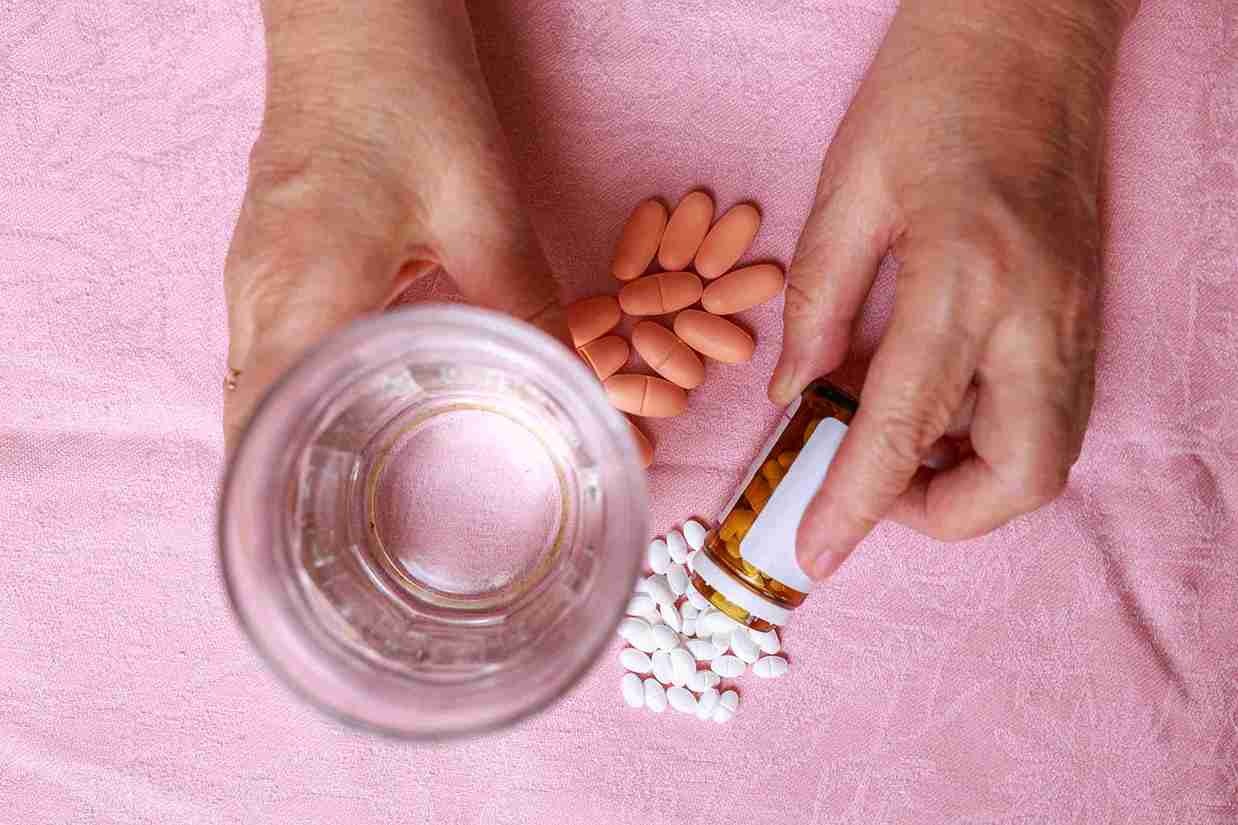
● Thyroid Medication: Thyroid medications, namely Triiodothyronine (T3) and Levothyroxine (T4), are usually recommended for individuals who suffer from depression in case of hypothyroidism.
● Contraceptive Pills: In case of depression due to severe PMDD, your doctor may prescribe a specific birth control pill that stabilises the hormones responsible for your menstrual cycle.
● Cognitive Behavioural Therapy: CBT is effective in managing the symptoms of hormonal fluctuations, especially during menopause.
● Stress Management: Managing stress is crucial in treating hormonal depression. Stress management techniques, including meditation, deep breathing and yoga, help reduce cortisol levels that are exacerbated by stress.
● Supplements: Vitamins B6, B12, D and Omega-3 support neurotransmitter activity and brain health. They also help regulate your mood and help manage symptoms related to hormonal depression.
Hormonal depression is completely treatable if the underlying medical condition is diagnosed. It is crucial to seek professional medical assistance for symptoms of hormonal depression.


Women are generally at a high risk of hormonal depression as the hormone fluctuates during puberty, pregnancy, postpartum, premenstrual phase and menopause. Also, women with a previous history of depression are at a high risk of hormonal depression.
There is no single test to diagnose hormonal depression. Doctors use a comprehensive assessment that includes tracking symptoms and reviewing your medical history. Blood tests may be done to check your complete blood count and hormone levels, along with a thyroid function test. Your doctor will also rule out other medical conditions, as a misdiagnosis can lead to ineffective treatment.
Yes, stress negatively impacts your hormonal balance, worsening the symptoms of hormonal depression as it persistently activates the hypothalamic pituitary adrenal axis, increasing the cortisol levels. Chronic stress elevates your cortisol production, thereby disrupting the hormonal balance, leading to depression.
Yes, healthy lifestyle changes, including improving your overall health and engaging in stress-reducing activities, can help maintain the balance of your sex hormones, thereby combating hormonal depression. Eating a healthy diet, getting adequate sleep and engaging in regular exercise are key lifestyle changes for managing hormonal depression.







 Best Gynecologists in Bellandur Best Gynecologists in Electronic City Best Gynecologists in HRBR LayoutBest Gynecologists in Jayanagar Best Gynecologists in Kanakapura RoadBest Gynecologists in Malleswaram Best Gynecologists in Nagarbhavi Best Gynecologists in Old Airport RoadBest Gynecologists in Sahakarnagar Best Gynecologists in Sarjapur RoadBest Gynecologists in ThanisandraBest Gynecologists in Varthur RoadBest Gynecologists in Whitefield Best Gynecologists in Industrial Area Phase IIBest Gynecologists in OMRBest Gynecologists in T NagarBest Gynecologists in New Industrial TownBest Gynecologists in IndirapuramBest Gynecologists in Golf Course RoadBest Gynecologists in Sector 14Best Gynecologists in Sector 47Best Gynecologists in Banjara HillsBest Gynecologists in GachibowliBest Gynecologists in Hitech CityBest Gynecologists in KompallyBest Gynecologists in Gomti NagarBest Gynecologists in MaladBest Gynecologists in NerulBest Gynecologists in VashiBest Gynecologists in Kailash ColonyBest Gynecologists in PatparganjBest Gynecologists in Punjabi BaghBest Gynecologists in VikaspuriBest Gynecologists in Gaur CityBest Gynecologists in Pari ChowkBest Gynecologists in Sector 51Best Gynecologists in Sector 5 Swastik ViharBest Gynecologists in Kalyani NagarBest Gynecologists in SB RoadBest Gynecologists in Pimple SaudagarBest Pediatricians in BellandurBest Pediatricians in Electronic CityBest Pediatricians in HRBR LayoutBest Pediatricians in JayanagarBest Pediatricians in Kanakapura RoadBest Pediatricians in MalleswaramBest Pediatricians in NagarbhaviBest Pediatricians in Old Airport RoadBest Pediatricians in SahakarnagarBest Pediatricians in Sarjapur RoadBest Pediatricians in ThanisandraBest Pediatricians in Varthur RoadBest Pediatricians in WhitefieldBest Pediatricians in Industrial Area Phase IIBest Pediatricians in OMRBest Pediatricians in T NagarBest Pediatricians in New Industrial TownshipBest Pediatricians in IndirapuramBest Pediatricians in Golf Course RoadBest Pediatricians in Sector 14Best Pediatricians in Sector 47Best Pediatricians in Hitech CityBest Pediatricians in Banjara HillsBest Pediatricians in GachibowliBest Pediatricians in KompallyBest Pediatricians in Gomti NagarBest Pediatricians in MaladBest Pediatricians in NerulBest Pediatricians in VashiBest Pediatricians in Kailash ColonyBest Pediatricians in PatparganjBest Pediatricians in Punjabi BaghBest Pediatricians in VikaspuriBest Pediatricians in Gaur CityBest Pediatricians in Pari ChowkBest Pediatricians in Sector 51Best Pediatricians in Sector 5 Swastik ViharBest Pediatricians in Kalyani NagarBest Pediatricians in SB RoadBest Pediatricians in Pimple Saudagar


